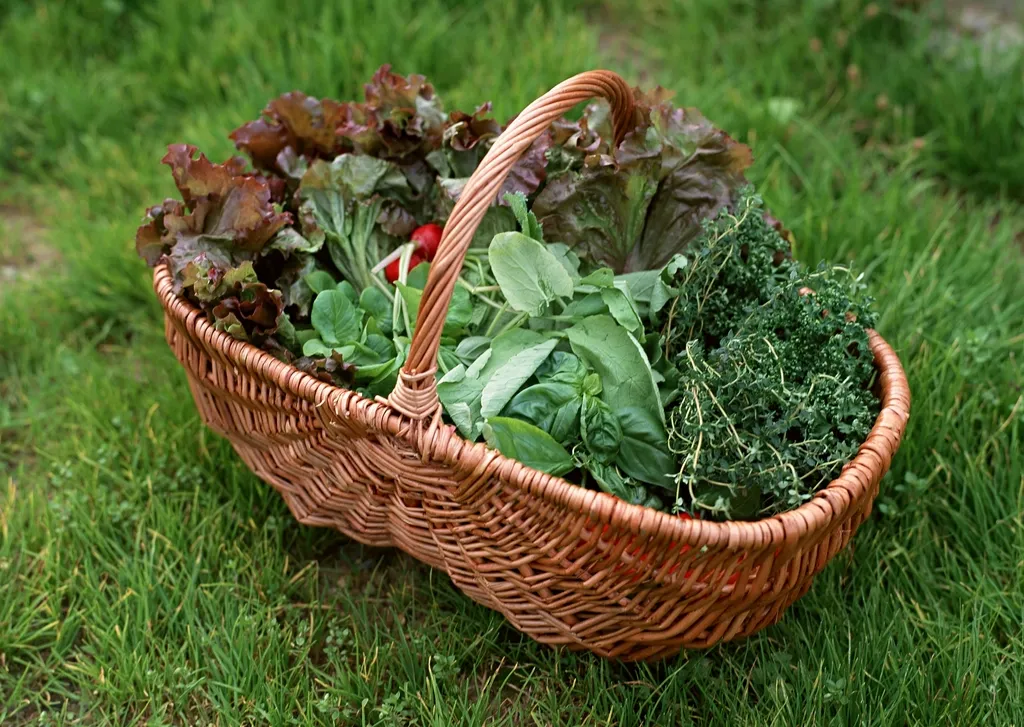

Most gardeners know the frustration well. You plant a row of lettuce in spring, it looks gorgeous for a few weeks, and then, almost overnight, it shoots skyward, turns bitter, and the harvest is over. You’re left with either too much all at once or a barren bed right when you want a crisp summer salad most.
The good news is that a steady supply of fresh salad greens throughout the entire summer is genuinely achievable. It takes some planning and a willingness to think beyond a single sowing, but the strategy is simple and well-proven. Here’s everything you need to know.
Understand Why Summer Is the Hardest Season for Salad Greens
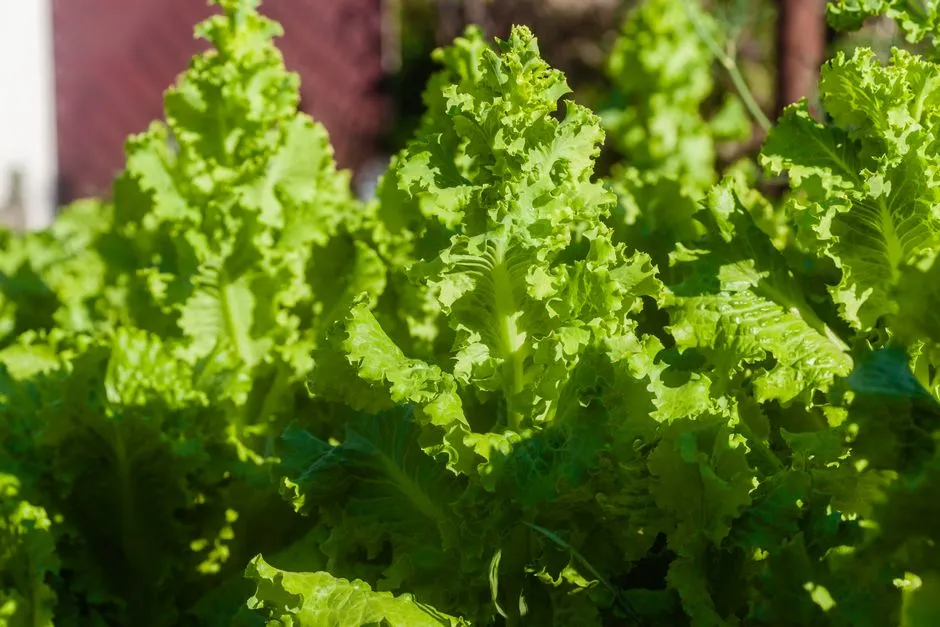
Most salad greens are cool-weather crops, growing best in early spring when temperatures are in the 50 to 68°F range. Once the heat of summer arrives, greens like lettuce, arugula, and spinach quickly bolt, switching from leaf to flower and seed production. When plants bolt, the flavor declines as leaves become more bitter.
Most lettuce seeds become dormant and won’t germinate as temperatures rise above 80°F, a condition called “thermo-inhibition.” This trait is a carryover from wild lettuce in the Mediterranean Middle East, where summers are hot with little moisture.
Lettuce is an annual crop that bolts according to temperatures, day lengths, and soil conditions. As the weather warms and the soil dries, the lettuce plants respond by growing tall flowering stalks. This response is a survival strategy known as bolting, which directs energy from leaf production into flower and seed production. Knowing this upfront means you can plan around it rather than be surprised by it.
Master the Art of Succession Planting
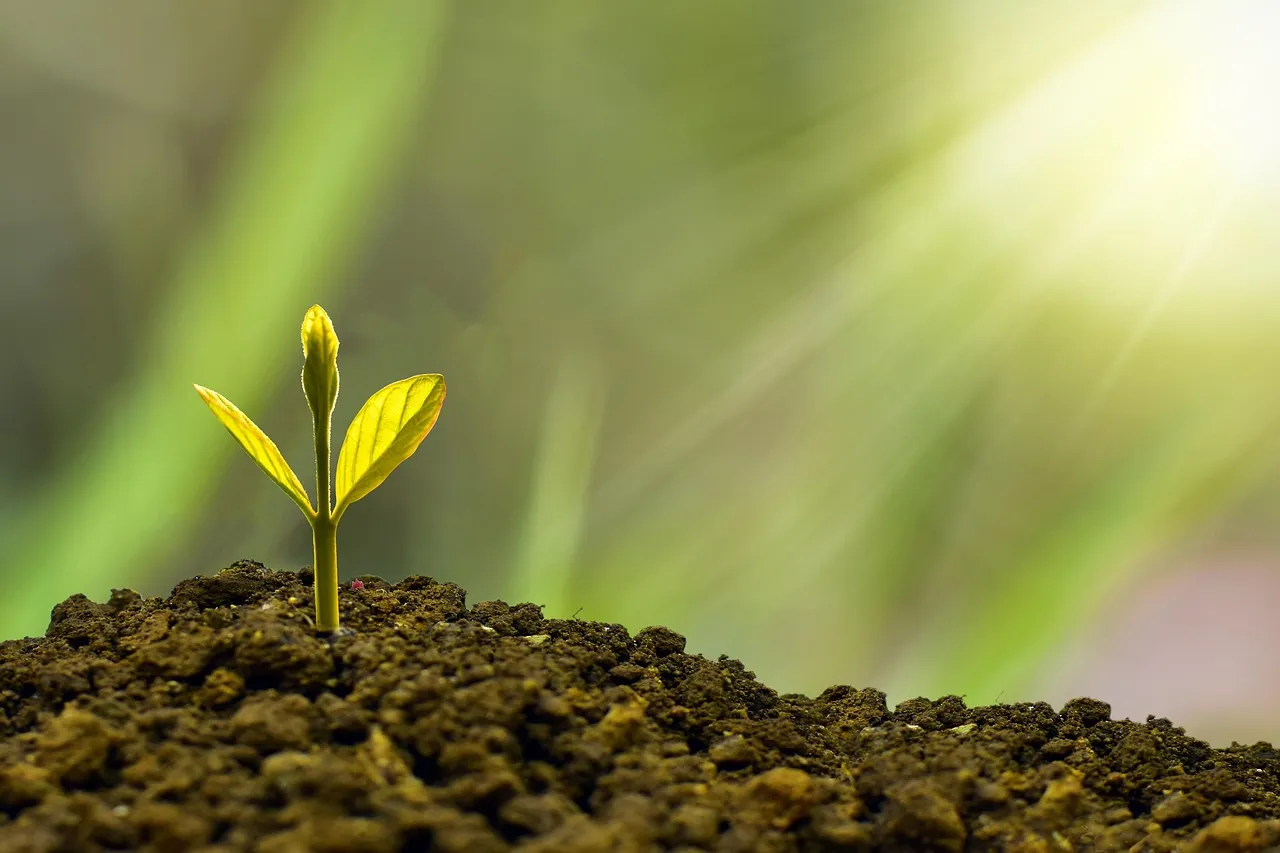
Many gardeners struggle with the boom-and-bust cycle of growing salad greens, with too much to harvest all at once or a lack of lettuce just when they’re craving that refreshing salad crunch. Succession planting is the fix.
Sowing additional rows of seeds about every two weeks provides a continuous harvest. The best way to harvest salad greens is by using the cut-and-come-again method: wait until leaves are at least three to four inches tall.
The single biggest mistake backyard growers make is planting everything at once. You get a huge flush of lettuce in week six, eat salad every day for two weeks, and then it’s gone. Staggered planting, also called succession planting, solves this permanently. The goal is to sow a small batch of seeds every 10 to 14 days rather than all at once.
Choose the Right Heat-Tolerant Varieties
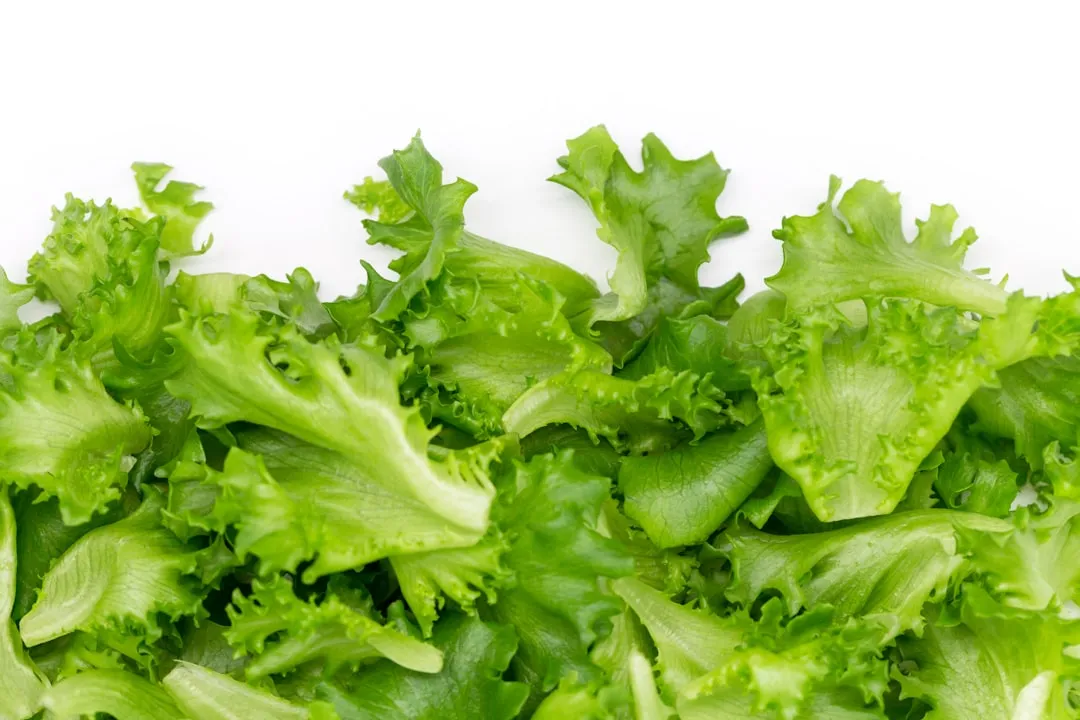
If you want to produce lettuce for harvest in July and August, using an extremely heat-tolerant variety is vital. Nevada and Muir are two varieties that have tested with the most heat tolerance. Research from the University of Delaware’s Cooperative Extension confirmed this through trials conducted across multiple planting dates.
Growing loose-leaf varieties that are heat-resistant or slow-bolting, rather than varieties that form heads, is a key strategy. Varieties like ‘Jericho,’ ‘Red Cross,’ ‘Nevada,’ ‘Paradai,’ ‘Merlot,’ and ‘Year Round Bronze Oak Leaf’ have shown success in warm-weather trials, according to UC Master Gardeners of Sacramento County.
There are also other greens that thrive in the heat: New Zealand spinach, Swiss chard, amaranth, purslane, and orach are all summer standouts. Most seed companies also offer heat-tolerant varieties of greens like lettuce, spinach, and arugula, and ‘Astro’ arugula and ‘Jericho’ lettuce can continue to yield tasty greens throughout the summer months.
Use Shade Cloth to Extend Your Harvest Window
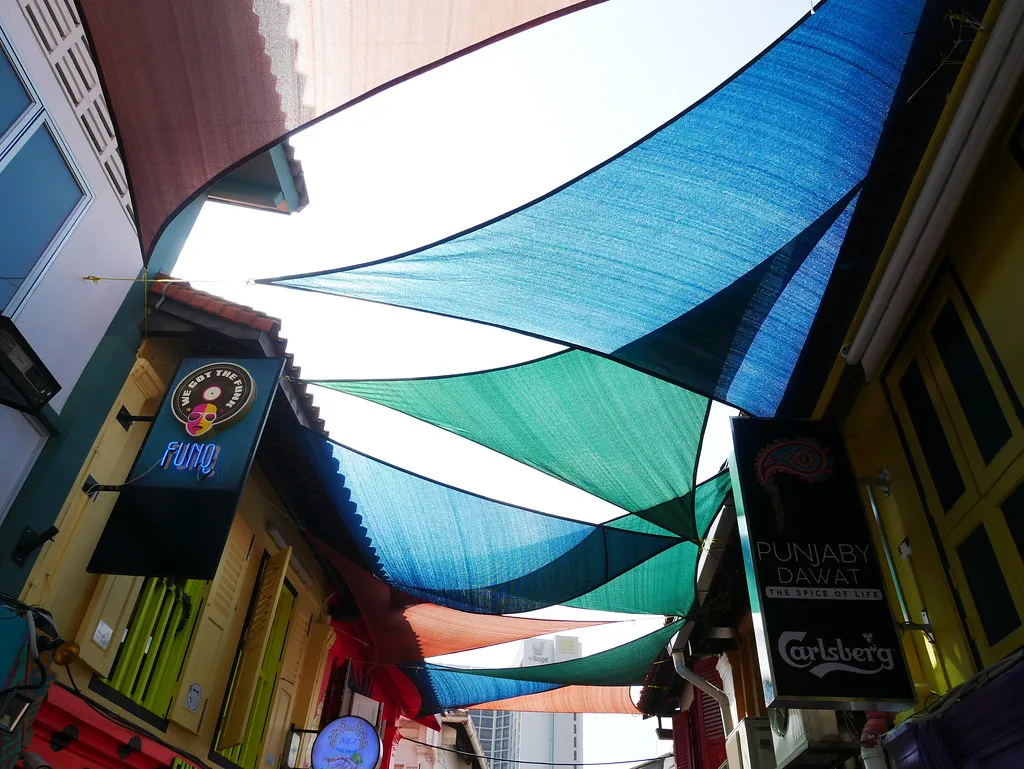
Shade cloth does more than dim the sun. It slows the whole metabolism of the plant just enough to keep it out of panic mode. When lettuce, spinach, and other salad greens get blasted with intense heat and blazing light, they respond like any stressed organism: they rush. Stems stretch, cores harden, leaves toughen and flood with compounds that taste bitter. This is bolting.
When summer temperatures regularly exceed 85°F, lettuce will greatly benefit from some shade. Give your lettuce plants afternoon shade, either on the east side of a building or in the shade of taller plants. You can also protect them with a 40% shade cloth, but be sure to elevate it to allow plenty of air circulation around the plants.
Using white or silver plastic mulch can also help reduce bolting and bitterness in summer lettuce. Silver mulch has some additional bitterness reduction and growth promotion advantages over white mulch. These details come from University of Delaware extension research focused specifically on summer lettuce production.
Water Consistently and Smartly
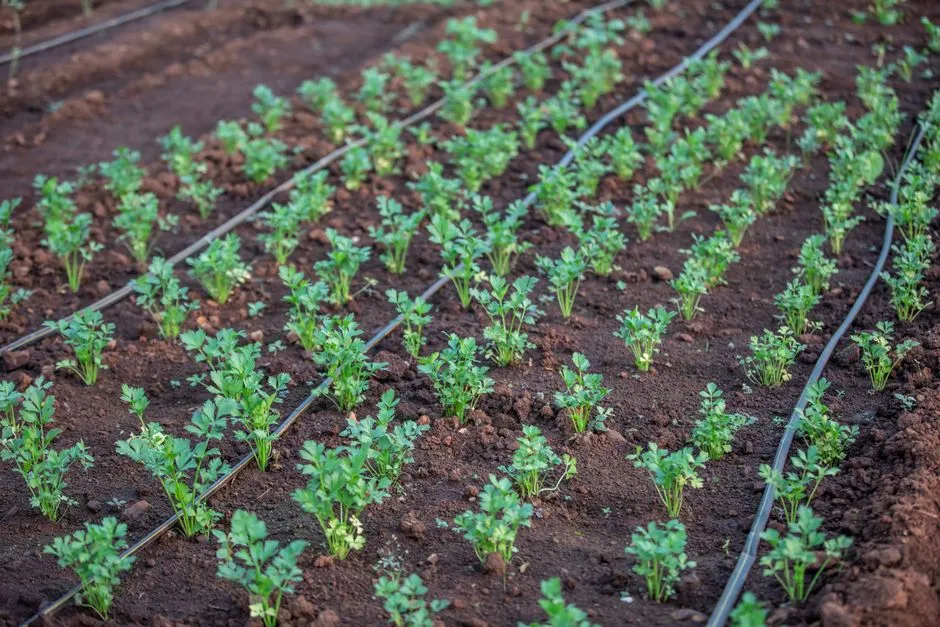
Because most types of salad crops are shallow-rooted and fast-growing, they require an even supply of moisture. If the soil is dry for an extended period of time, the plants may bolt or the leaves will become bitter.
Ensuring a cool and damp soil gives you more air temperature leeway. Because lettuce has wide and shallow roots, a drip system on a timer teamed up with a thick mulch keeps it happier in warm weather. A drip system on a timer maintains moisture levels much more evenly than hand watering, and the timer can be set for how much and how often water is needed.
Keeping soil evenly moist and avoiding water stress, which slows growth, is critical. Early morning watering reduces evaporation and prevents fungal growth on leaves. Think of consistent watering as the single cheapest insurance policy you can buy for your salad bed.
Mulch Your Beds to Keep Roots Cool
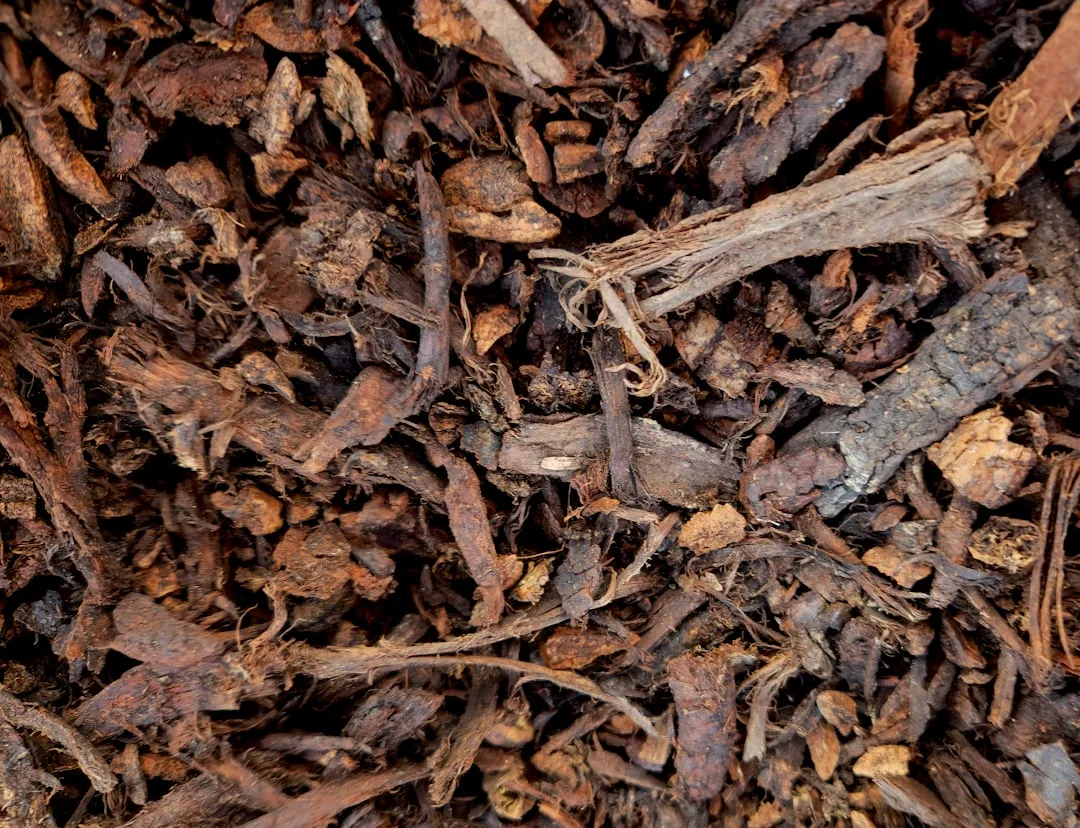
A thick bed of mulch reduces moisture loss at the surface of the soil from heat and breezes. In hot, arid climates, it’s not uncommon to have high winds combined with temperatures of 90°F or higher, which can rapidly dry out exposed soil and stress shallow-rooted greens.
Two inches of wood chip mulch works well, though straw is also effective. With mulch, soil moisture levels are maintained at the top of the soil. Without it, moisture doesn’t appear until you’ve dug down at least two inches.
Mulching provides multiple benefits for summer growth: it keeps soil damp during high heat, protects roots from extreme heat, reduces competition from weeds for water and nutrients, and prevents soil loss during summer rains. Organic mulches also contribute to soil fertility as they decompose, supporting continuous growth.
Master the Cut-and-Come-Again Harvest Method
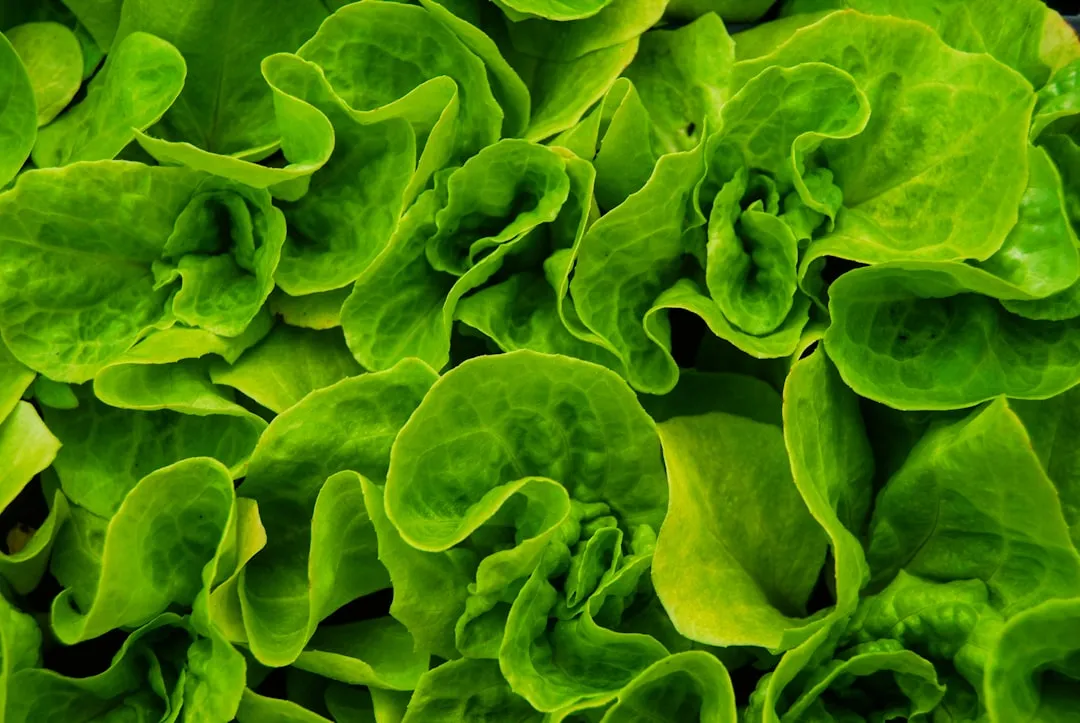
The cut-and-come-again method is one of the most productive and beginner-friendly harvesting techniques in the home garden. Instead of pulling the entire plant at once, you selectively remove mature outer leaves while leaving the crown, the central growing point, completely undisturbed. This works because lettuce, like most leafy greens, grows from the center outward.
To harvest lettuce using this method, use clean scissors to remove outer leaves at about one inch above the soil, leaving the central growing point intact. For leaf lettuce, begin harvesting when leaves reach three to four inches tall. Harvest every seven to ten days to encourage continuous regrowth, and avoid cutting the center bud, as this is where new leaves emerge. Done correctly, a single planting can produce harvests for eight to twelve weeks before bolting ends productivity.
One of the biggest mistakes gardeners make when harvesting leafy greens is over-harvesting, which can stress the plant and stunt future growth. To prevent this, always follow the “one-third rule”: only take about one-third of the plant’s leaves at a time, leaving plenty behind for regrowth. It’s also crucial to cut from the outer leaves and avoid snipping too close to the center, since damaging the central crown can stop the plant from producing new foliage altogether.
Grow in Containers for Maximum Flexibility
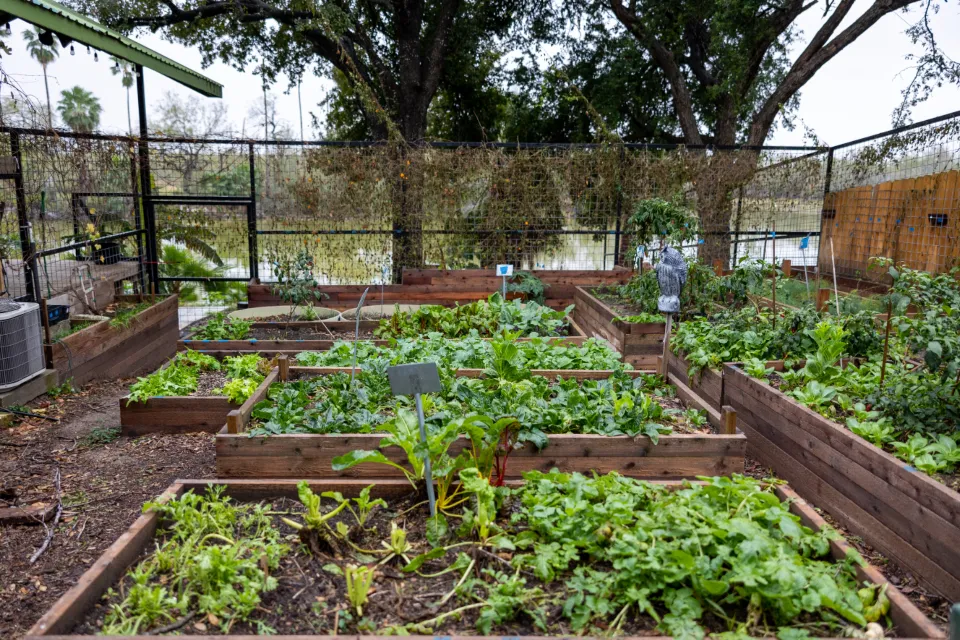
The majority of fast-growing greens like leaf lettuce, arugula, mizuna, mustard, Tokyo Bekana, and baby spinach are shallow-rooted and don’t need a deep layer of soil to produce a crop. This makes them ideal for container growing.
Container succession planting is actually easier because you can rotate pots in and out. When one crop finishes, refresh the potting mix and plant the next round. Keeping three to four containers in rotation means continuous harvests all season from a small space.
Growing lettuce in containers also allows you to move them to cooler spots when necessary, and you can install low tunnels to create a cooler environment. On a hot patio, being able to shift a pot into the afternoon shade can add weeks to the productive life of your plants.
Feed the Soil Between Plantings
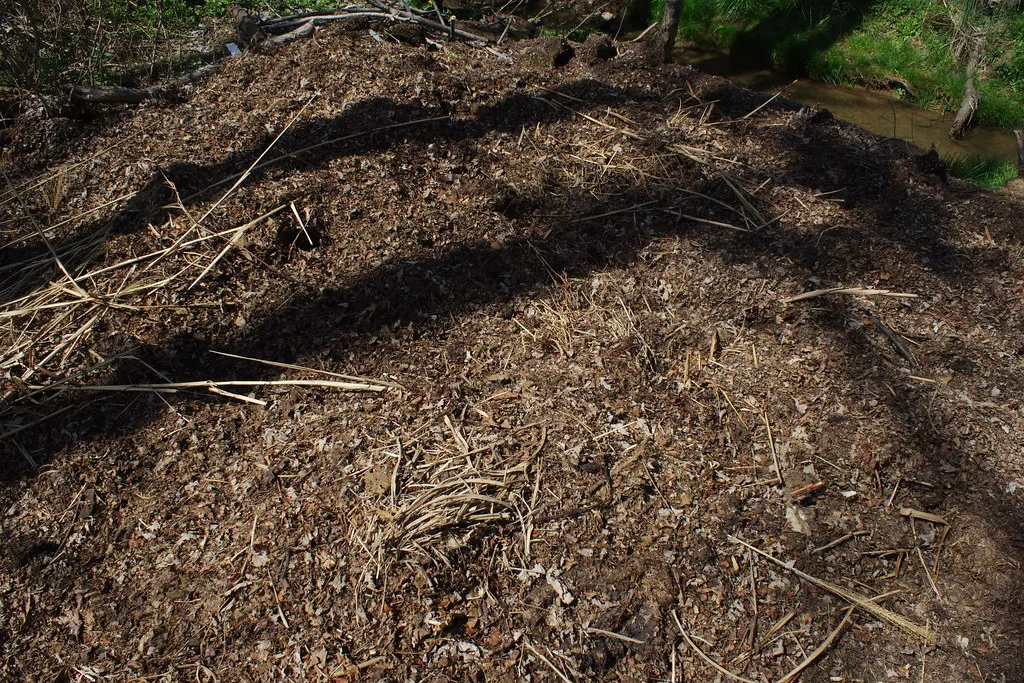
Salad greens grow best in fertile, moisture-retentive soil, so dig in some compost or well-rotted manure before planting. A plentiful supply of nitrogen will keep the leaves tender and sweet. Compost or well-rotted manure can help supply nutrients and retain soil water, and additional nitrogen can be added through the season, especially if older leaves start to turn lighter green or yellow, according to South Dakota State University Extension.
During the season, replenishing soil nitrogen to encourage growth is important. A mild liquid fish emulsion fertilizer has proven effective for this purpose, as noted by UC Master Gardeners of Sacramento County from their warm-weather lettuce growing research.
After each cut, continue regular watering to keep the soil consistently moist, and avoid letting the ground dry out, as this can stress the plant and slow regrowth. Fertilize lightly every few weeks with a balanced, water-soluble fertilizer to give plants the boost they need for continuous growth.
Time Your Final Harvests and Plan for Fall
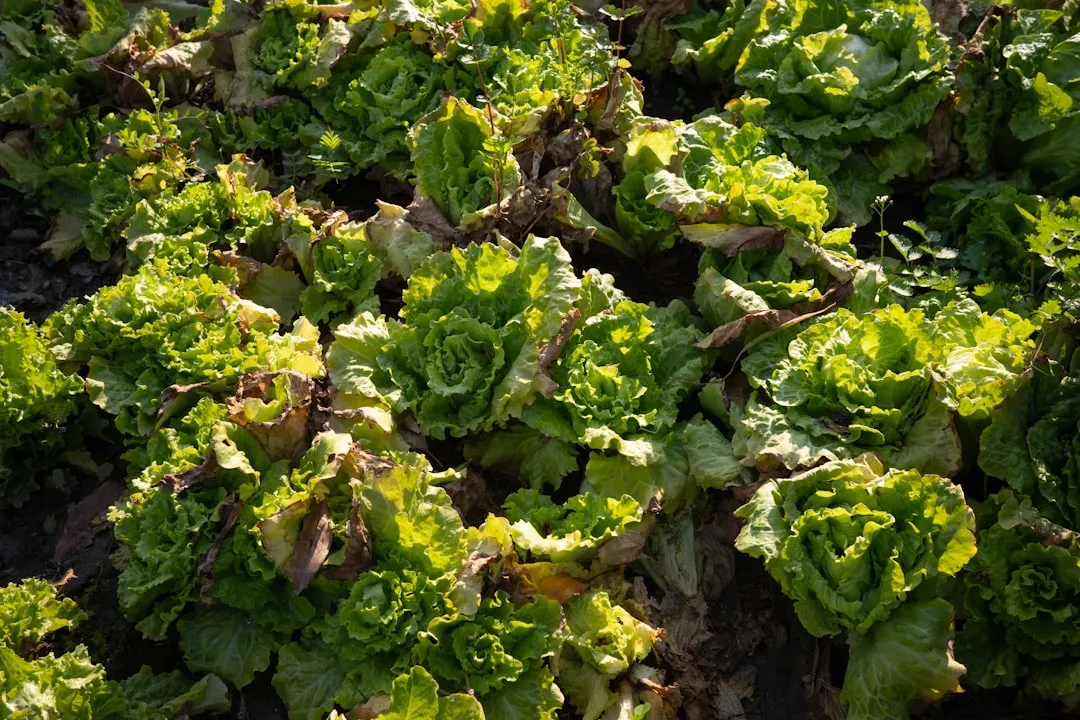
A well-managed bed with three staggered plantings using cut-and-come-again harvesting can supply steady salad greens for 12 to 16 weeks. Once the center stalk elongates and bitterness is clearly present, the plant’s productivity is finished. Continuing to water and tend a bolted plant wastes garden space and resources. Remove the plant entirely, add it to your compost, and refresh the bed with compost before replanting.
As late summer weather cools and the summer crops finish, the space can be replaced with cool-weather crops that can withstand light frosts, thrive in shorter daylight hours, and tolerate cooler nighttime temperatures of fall. Lettuce, spinach, Asian greens, and other salad greens started as transplants can be planted into the garden as space opens up. As fall approaches, row covers protect late-season crops like spinach and kale from the first frost.
By continually saving seeds from your best-performing plants, they will eventually adapt to your growing conditions and become even more resistant to heat, drought, or whatever challenge summer throws their way. A few seasons of observation and seed saving can gradually make your garden’s greens genuinely better suited to where you live.
Conclusion
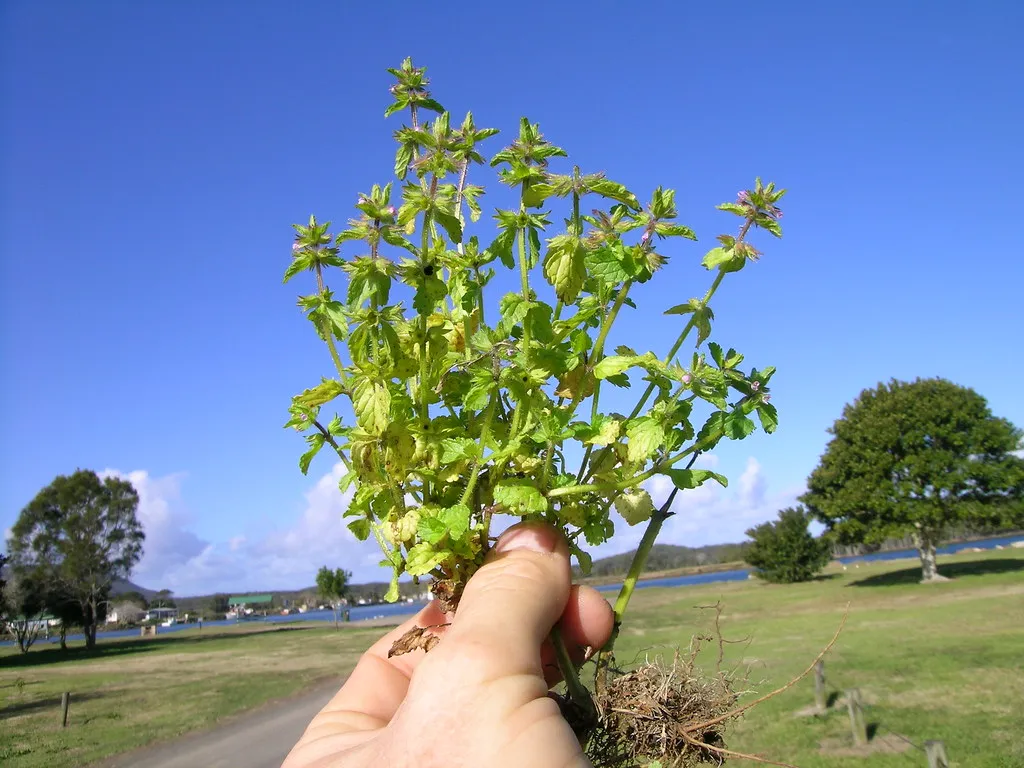
Growing salad greens all summer isn’t about luck or a perfect climate. It’s a system built from small, consistent actions: staggering plantings every ten to fourteen days, choosing heat-tolerant varieties, shading beds during peak afternoon heat, and harvesting in a way that encourages regrowth rather than ending the plant’s productive life.
The research and evidence from cooperative extensions, university trials, and experienced growers all point to the same conclusion. The biggest gains come not from any single trick but from layering these strategies together. Shade plus moisture plus the right variety plus succession planting adds up to a salad bowl that stays full from June through September.
Start with one small bed and one staggered planting schedule, then build from there. The hardest part is simply beginning.
AI Disclaimer: This article was created with the assistance of AI tools and reviewed by a human editor.