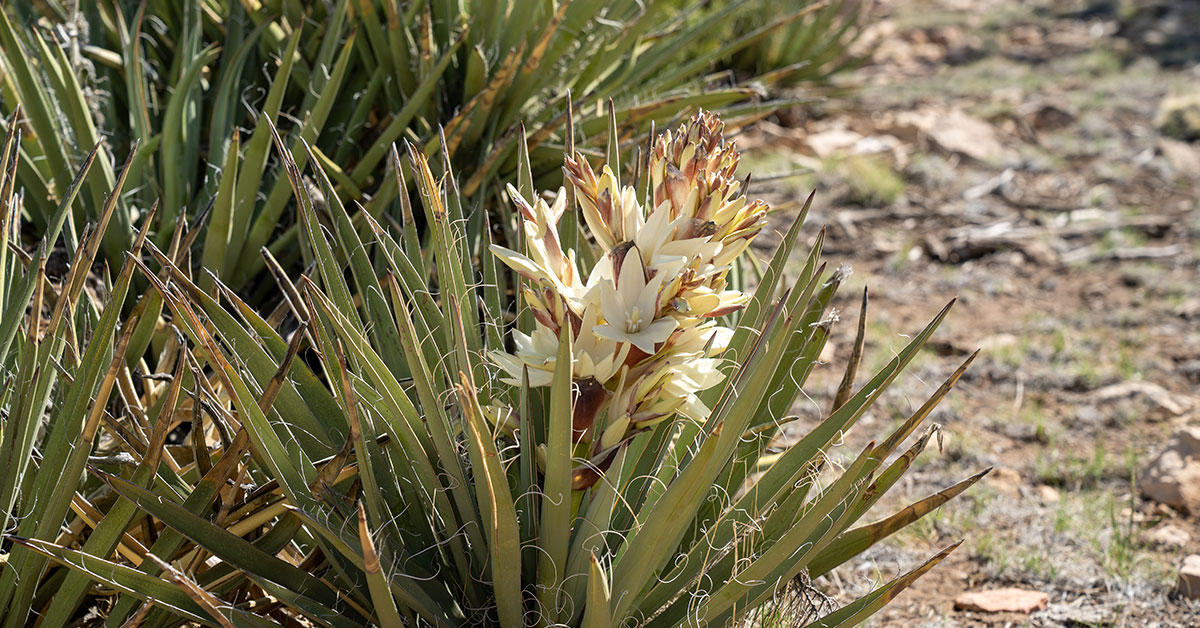

Yucca plants, with their striking appearance and resilience, have become a popular addition to gardens and landscapes. However, there may come a time when you find yourself wanting to get rid of yucca plants in your yard.
Whether it’s due to their aggressive growth, lack of compatibility with your specific landscape design, or simply a change in preference, knowing how to effectively get rid of yucca plants is essential. In this article, we will explore various methods and techniques for removing yucca plants, ensuring a successful and thorough elimination process while minimizing any potential damage to your surrounding garden or landscape.
How to get rid of yucca plants
To get rid of yucca plants, you can follow these steps:
- Wear protective clothing, including gloves, long sleeves, and pants, as yucca plants have sharp leaves.
- Use pruning shears or a saw to cut the yucca plant down to the ground. Make sure to remove as much of the foliage as possible.
- Dig around the base of the plant to expose the roots. Use a shovel or a garden fork to loosen the soil around the roots.
- Once the roots are exposed, start digging around them and prying them out of the ground. Yucca plants usually have a deep and extensive root system, so it may require some effort.
- Dispose of the yucca plant and its roots properly. You can either place them in a compost pile if you have one, or dispose of them in green waste bins if your local waste management allows it.
- After removing the plant, inspect the area for any remaining yucca shoots or roots. Remove any remaining plant parts to prevent regrowth.
- If you want to ensure that the yucca plants do not regrow, you can treat the remaining roots with an herbicide specifically designed for killing woody plants. Follow the instructions on the herbicide label for proper application.
- Monitor the area for any signs of regrowth. If you notice any new shoots or plants, repeat the process of cutting and removing them.
Remember to always follow safety guidelines and local regulations when removing plants.
Why get rid of yucca plants?
There could be a few reasons why someone might want to get rid of yucca plants. Some common reasons include:
- Invasive growth: Yucca plants can be aggressive and spread quickly, potentially taking over other plants in the garden or yard.
- Maintenance and care: Yuccas require regular pruning and maintenance to keep them looking tidy and prevent them from becoming overgrown. If someone doesn’t have the time or inclination to care for yucca plants, they may choose to remove them.
- Safety concerns: Yucca plants have sharp, sword-like leaves that can pose a safety hazard, especially if they are located in high-traffic areas or where children or pets play.
It’s important to note that yucca plants can be tough and resilient, so it may take multiple attempts or a combination of methods to completely remove them. Additionally, always follow safety guidelines and local regulations when using herbicides or disposing of plants.
Problems with getting rid of yucca plants
There are a few potential problems you may encounter when trying to get rid of yucca plants:
- Stubborn root system: Yucca plants have extensive root systems that can be difficult to remove entirely. The roots may extend deep into the soil, making it challenging to dig them out completely.
- Resprouting: Yucca plants have the ability to resprout from their remaining roots or fragments left in the soil. If you don’t remove all the roots, new shoots may appear, leading to regrowth.
- Thorns and sharp leaves: Yucca plants have sharp, pointy leaves and thorny edges, which can be hazardous when handling or removing them. Be cautious and wear protective clothing to avoid injury.
- Persistence: Yucca plants are known for their resilience and adaptability. They can withstand harsh conditions and may prove challenging to eradicate completely, especially if they are well-established.
- Invasive tendencies: Some varieties of yucca plants, such as the Spanish dagger (Yucca gloriosa), can become invasive in certain regions. If not properly controlled, they can spread rapidly and outcompete native vegetation.
To effectively get rid of yucca plants, it is recommended to combine multiple methods, such as digging out the roots, cutting off the plant at ground level, and applying herbicides specifically designed for eliminating woody plants. It may also be necessary to monitor the area for regrowth and repeat the removal process as needed.
Other considerations
When considering how to get rid of yucca plants, there are a few other factors to consider:
- Time and effort: Removing yucca plants can be a labor-intensive process, especially if they have large, established root systems. It may require digging, cutting, and pulling to completely remove them.
- Safety precautions: Yucca plants have sharp, pointed leaves that can cause injuries if not handled carefully. It is important to wear protective clothing, such as gloves and long sleeves, to avoid getting pricked.
- Disposal: Once you remove the yucca plants, you need to decide how to dispose of them. They can be quite heavy, so consider whether you have access to appropriate disposal methods, such as a green waste bin or a nearby composting facility.
- Re-growth prevention: Yucca plants have a tendency to regrow from their root systems. To prevent this, you may need to remove as much of the root system as possible or use herbicides specifically designed to kill yucca plants. Follow the instructions carefully if using herbicides, and consider the potential environmental impact.
- Replanting options: If you want to remove yucca plants but still desire greenery in that area, consider alternative plants that are easier to maintain and remove if necessary. Research low-maintenance, native plants that suit your climate and aesthetic preferences.
Remember, if you are unsure about how to properly remove yucca plants or have a large infestation, it may be wise to consult with a professional landscaper or arborist for guidance.