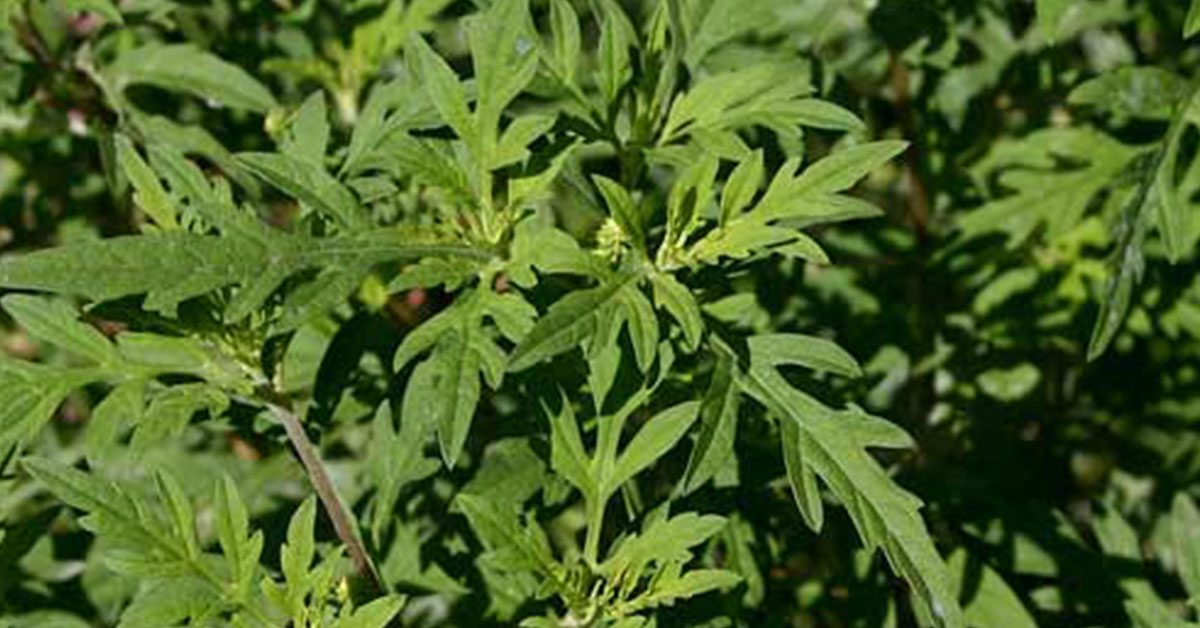

Ragweed, a notorious plant known for causing allergic reactions, can be a major nuisance for many individuals, particularly during the late summer and early fall months. Its abundant pollen can trigger symptoms such as sneezing, itchy eyes, and congestion, making it essential to find effective ways to get rid of this pesky plant. Whether you are dealing with ragweed in your garden, yard, or surrounding areas, this article will provide you with a comprehensive guide on how to effectively get rid of ragweed and minimize its impact on your health and well-being.
From preventive measures to targeted removal techniques, we will explore a range of strategies that will help you maintain a ragweed-free environment and enjoy the outdoors with greater comfort.
How to get rid of ragweed
Getting rid of ragweed, an invasive and allergy-inducing plant, requires a combination of manual removal, preventive measures, and targeted control methods. Here’s how to manage ragweed:
Manual Removal: Getting rid of ragweed involves manual removal as a primary approach. Wear protective gloves and long sleeves to avoid direct contact with ragweed, as some individuals may be sensitive to its pollen and cause allergic reactions. Hand-pull ragweed plants, ensuring to remove them from the ground entirely, including their roots. Properly dispose of the removed plants away from the area to prevent reseeding and further spread of the weed.
Preventive Measures: Implementing preventive measures can help control the growth of ragweed. Regularly mow or cut the grass and vegetation in the affected area to prevent ragweed from flowering and setting seeds. By doing so, you can disrupt its reproductive cycle and reduce its spread. Additionally, consider creating a barrier by adding mulch or other ground covers to discourage ragweed growth in the first place.
Herbicides: Using herbicides should be considered as a last resort and only after consulting with local authorities or gardening experts. Some herbicides are specifically designed to control ragweed. When using herbicides, follow all instructions and safety precautions for proper application to avoid harming other plants and the environment.
Promote Biodiversity: Encouraging the growth of native plants and diverse vegetation in your garden or landscape can help compete with ragweed and limit its growth. A healthy and diverse plant community can naturally suppress the growth of ragweed and other invasive species.
Monitor and Control New Growth: Stay vigilant and monitor the area for any new ragweed growth. If you spot new plants, remove them promptly to prevent them from spreading and establishing new colonies.
Seek Professional Help: In cases where ragweed infestation is widespread or difficult to manage on your own, consider seeking assistance from local weed control professionals or environmental organizations. They can provide expert guidance and implement effective strategies for controlling ragweed.
Important Considerations: Always check local regulations regarding the use of herbicides and any restrictions related to controlling ragweed in your area. Be cautious when handling ragweed, as it can cause skin irritation and allergic reactions in some individuals. Implement a long-term management plan to address ragweed growth consistently and prevent its reestablishment.
Remember, managing ragweed is essential not only for reducing allergen exposure but also to prevent its spread and preserve the local ecosystem’s balance. Be mindful of the environmental impacts of any control methods you use and strive to promote a healthy and diverse plant community in your surroundings.
Problems with getting rid of ragweed
There are several potential problems associated with getting rid of ragweed:
- Herbicide resistance: Ragweed plants have shown the ability to develop resistance to herbicides over time. This can make it challenging to effectively eliminate them using chemical treatments.
- Environmental impact: The use of herbicides to control ragweed can have unintended consequences on the environment. It may harm non-target plants, animals, or beneficial insects if not used properly.
- Persistence of seeds: Ragweed produces a large number of seeds that can remain viable in the soil for several years. Even if you successfully control the existing plants, new seedlings may emerge in subsequent years.
- Reinfestation from neighboring areas: Ragweed seeds can easily spread from neighboring areas, making it difficult to eradicate them completely unless coordinated efforts are made on a larger scale.
- Allergic reactions: Ragweed pollen is a common cause of seasonal allergies, affecting many people. Removing ragweed plants may temporarily reduce pollen levels in the immediate vicinity, but it may not have a significant impact on overall pollen levels in the surrounding area.
It is important to consider these potential problems when planning how to effectively get rid of ragweed.
Other considerations
When considering how to get rid of ragweed, there are several other factors to take into consideration. Here are a few:
- Identify the problem areas: Determine where ragweed is growing in your vicinity. This will help you focus your efforts and prioritize areas that require immediate attention.
- Time your actions: Ragweed produces pollen from late summer to early fall, so it’s important to plan your control measures accordingly. Implementing preventive measures before the pollen season can help reduce the impact of ragweed allergies.
- Choose the right control method: There are various methods to control ragweed, such as mechanical, chemical, and biological control. Mechanical control involves physically removing the plants, while chemical control involves using herbicides. Biological control involves introducing natural enemies of ragweed, such as specific insects or pathogens, to control its growth.
- Safety precautions: When using herbicides or any other control methods, always follow the instructions and safety guidelines provided by the manufacturer. Wear protective clothing, gloves, and eye protection if necessary to avoid any adverse effects on yourself or the environment.
- Consider natural alternatives: If you prefer to avoid using chemical herbicides, you can explore natural alternatives such as mulching, hand-pulling, or smothering ragweed with cardboard or plastic sheets. These methods may be more time-consuming but can be effective over time.
- Monitor and maintain: Once you have implemented control measures, continue monitoring the area to ensure that ragweed does not return. Regularly inspect and remove any new plants that may emerge.
- Long-term prevention: To prevent ragweed from re-establishing, consider enhancing the overall health of your landscape. Promote dense turf grass or desirable plants that can outcompete ragweed and reduce its growth.
Remember, it’s important to be persistent and consistent in your efforts to effectively get rid of ragweed.