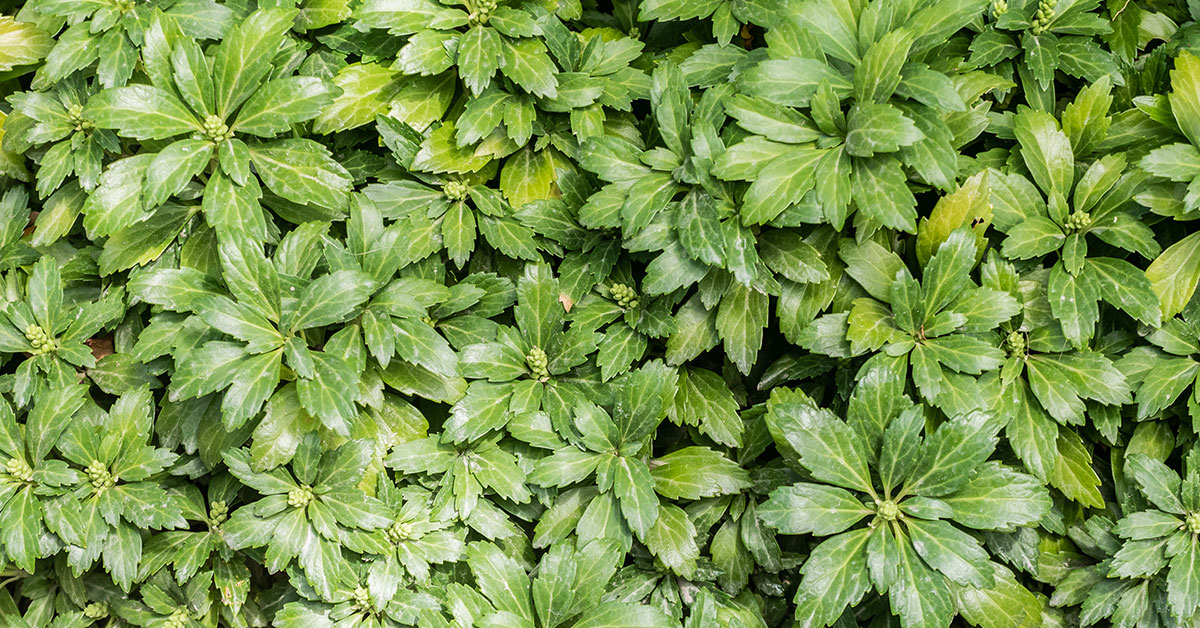

Pachysandra, also known as Japanese spurge, is a popular ground cover plant appreciated for its lush green foliage and ability to thrive in shady areas. However, there may come a time when you need to remove or get rid of pachysandra from your garden or landscape. Whether you want to replace it with a different plant or eliminate it altogether, it’s essential to understand the proper methods and techniques for effective removal. In this article, we will explore various approaches to safely and efficiently get rid of pachysandra, ensuring a successful transition in your garden and maintaining the health and aesthetics of your outdoor space.
How to get rid of pachysandra
To get rid of pachysandra, also known as Japanese spurge, you can follow these steps:
- Start by cutting back the pachysandra plants as close to the ground as possible. This will help you gain better access to the roots.
- Dig up the pachysandra plants, including the roots. Make sure to remove as much of the root system as you can, as pachysandra can spread through its underground rhizomes.
- Dispose of the pachysandra plants and roots properly. You can either bag them up and throw them away or compost them if your composting system can handle invasive plants.
- After removing the pachysandra, it’s essential to monitor the area for any new growth and promptly remove any sprouts.
- If you want to prevent pachysandra from regrowing in the future, you can consider taking additional preventive measures. These include applying a thick layer of mulch to discourage new growth or using an herbicide specifically labeled for pachysandra control. Be sure to follow the instructions on the herbicide carefully and use it only as directed.
Remember, removing pachysandra can take time and persistence, especially if it has spread extensively. Regular monitoring and maintenance will help ensure the plant does not return.
Why get rid of pachysandra?
Pachysandra is a popular ground cover plant used in landscaping due to its ability to form dense, attractive carpets of foliage. While it has several benefits, there are also some reasons why people may choose to get rid of or control its growth:
1. Invasive Behavior: Some species of pachysandra, particularly Pachysandra terminalis, can be invasive in certain regions. Once established, they can spread rapidly, outcompeting native plant species and disrupting the balance of local ecosystems. Invasive pachysandra can be challenging to eradicate once it takes hold, making it important to prevent its spread in sensitive natural areas.
2. Ecological Displacement: When pachysandra becomes invasive, it can displace native plant species that provide essential food and habitat for local wildlife, including insects and small mammals. The loss of native biodiversity can negatively impact the entire ecosystem.
3. Monoculture Concerns: In some cases, extensive plantings of pachysandra can lead to a monoculture, where only one species dominates an area. Monocultures can reduce overall biodiversity, making the landscape less resilient to environmental changes and more vulnerable to pests and diseases.
4. Maintenance Challenges: Pachysandra can be low-maintenance in suitable conditions, but it can also become difficult to manage in certain settings. Once established, it can be challenging to control its spread, requiring regular maintenance and management to prevent it from taking over undesired areas.
5. Allergenic Potential: Some individuals may experience mild skin irritation or allergic reactions when handling pachysandra, especially if they have sensitive skin or allergies to the plant’s sap.
It’s essential to note that not all species of pachysandra exhibit invasive behavior, and some varieties are non-invasive and well-behaved in gardens. Before planting pachysandra, it is crucial to research the specific species or cultivar to ensure it is appropriate for your region and landscape.
If you are considering getting rid of pachysandra or controlling its growth, it’s essential to do so responsibly and considerate of the local environment. Consult with local gardening experts or extension services to determine the best management approach based on the specific species and your landscape’s unique conditions. Invasive plant species management often involves a combination of manual removal, herbicide use (if permitted and necessary), and the planting of alternative, non-invasive native species to restore ecological balance.
Problems with getting rid of pachysandra
There are a few potential problems that you may encounter when trying to get rid of pachysandra:
- Resilience: Pachysandra is known for its resilience and ability to rapidly spread. It can be difficult to completely eradicate, as even small fragments of the plant can regrow. This means that you may need to be persistent and thorough in your removal efforts.
- Invasive nature: Pachysandra is considered an invasive species in some regions. This means that if not properly controlled, it can outcompete and displace native plants, leading to a loss of biodiversity. It is important to follow proper disposal procedures to prevent the spread of pachysandra to new areas.
- Root system: Pachysandra has an extensive root system that can make removal challenging. The roots are usually shallow but can spread horizontally, making it difficult to completely remove the plant without damaging surrounding vegetation.
- Herbicide use: While using herbicides can be an effective method for pachysandra removal, there are potential drawbacks. Some herbicides may harm desirable plants nearby, and repeated applications may be necessary to fully eradicate the pachysandra. Additionally, using herbicides may not be an option for those who prefer organic or chemical-free methods.
- Re-establishment: Even after successful removal, there is a possibility of pachysandra re-establishing itself from any remaining fragments or seeds in the soil. Regular monitoring and follow-up actions may be required to prevent its return.
It’s important to note that the specific challenges you face in getting rid of pachysandra may depend on your location, climate, and the scale of the infestation. It’s always a good idea to consult with local gardening experts or extension offices for advice tailored to your situation.
Other considerations
When considering how to get rid of pachysandra, there are a few other factors to keep in mind:
- Persistence: Pachysandra can be quite resilient and difficult to eliminate completely. It may require repeated efforts and ongoing maintenance to fully eradicate it.
- Surrounding vegetation: Take into account any nearby plants or desired vegetation that could be affected by the removal process or alternative methods. Ensure that any chosen method does not harm other plants in the area.
- Time of year: Pachysandra can be more susceptible to control measures during certain times of the year. For example, applying herbicides when the plant is actively growing may be more effective.
- Environmental impact: Consider the potential environmental impact of the removal method you choose. Some chemical herbicides can be harmful to the environment, so it’s important to select eco-friendly alternatives if possible.
- Replanting plans: If you plan to replace the pachysandra with another type of ground cover or landscaping, factor this into your removal strategy. Make sure to clear the area thoroughly and prepare the soil accordingly before planting new vegetation.
- Safety precautions: When using herbicides or other chemical methods, follow all safety instructions provided by the manufacturer. Wear protective clothing, gloves, and eyewear to minimize potential risks.
- Budget and resources: Consider the costs associated with different removal methods, such as purchasing herbicides, tools, or hiring professional help. Assess your available resources and choose an approach that aligns with your budget and capabilities.
Remember, it’s always a good idea to consult with local gardening experts or professionals who can provide specific advice based on your unique circumstances and the local ecosystem.