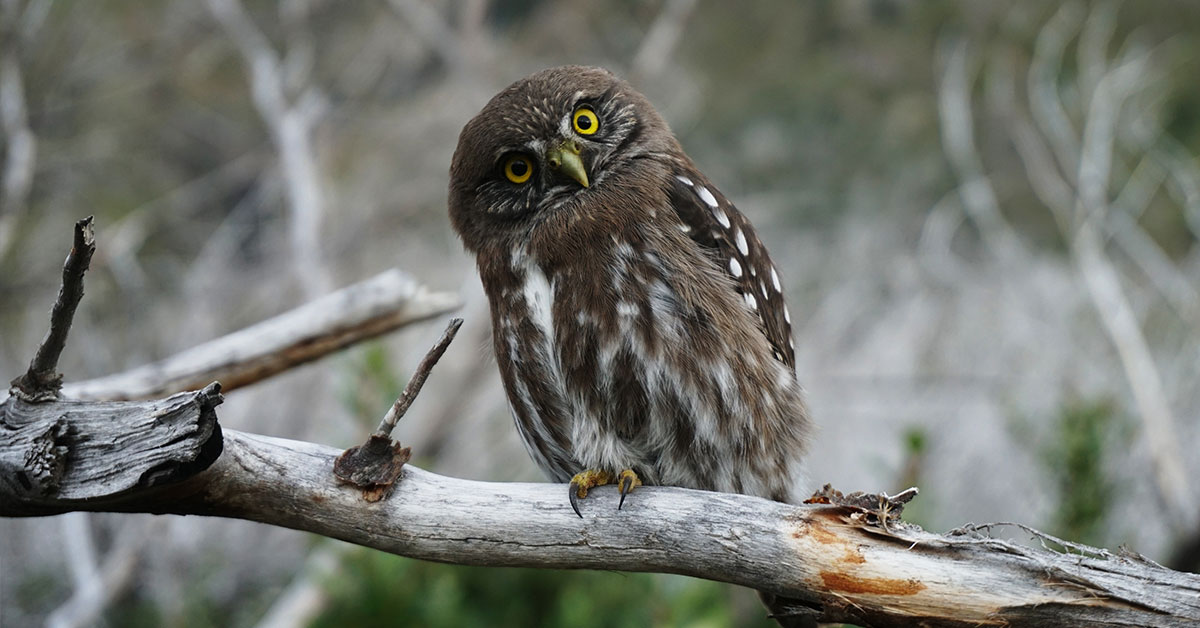

Owls are majestic creatures that often capture our admiration with their unique appearance and mysterious nature. However, there can be instances where their presence becomes a nuisance or a threat to our surroundings. Whether you are dealing with owls disrupting your sleep with their hooting or causing damage to your property, it is essential to find humane ways to address the issue. In this article, we will explore effective methods and techniques on how to get rid of owls without causing harm to these magnificent birds or violating any laws.
By understanding their behavior, implementing preventative measures, and utilizing safe deterrents, you can create a harmonious environment while respecting the natural world around you.
Are owls a problem for most homeowners?
Owls are not typically considered a problem, and it is generally not advisable to get rid of them. In fact, owls provide several valuable benefits to the ecosystem and can be beneficial to humans as well. Here are some reasons why owls are important and why it’s essential to appreciate and conserve these magnificent birds:
1. Natural Pest Control: Owls are skilled predators and play a crucial role in controlling populations of rodents and small mammals, including mice, rats, voles, and gophers. They help keep these potential pests in check, reducing the need for harmful chemical pesticides in agricultural and urban areas.
2. Biodiversity: Owls are a vital part of the food chain and contribute to the overall biodiversity of ecosystems. Their presence helps maintain the balance of various species, including their prey and other predators.
3. Indicator Species: Owls can act as indicator species, reflecting the overall health of an ecosystem. Their presence or absence can provide valuable insights into the environmental conditions and potential issues in a particular area.
4. Cultural and Educational Value: Owls have captivated human cultures for centuries and hold significant symbolic and cultural value in various societies around the world. They are often revered for their wisdom, mystery, and beauty.
5. Ecotourism and Education: Owls are popular attractions for ecotourism and educational programs. Birdwatchers, nature enthusiasts, and researchers are drawn to areas where owls thrive, contributing to local economies and fostering a greater understanding of wildlife conservation.
6. Non-Threatening to Humans: Owls are not aggressive toward humans and prefer to avoid contact whenever possible. They are primarily nocturnal, and any encounters with humans are typically brief and non-threatening.
It’s important to respect and appreciate the natural role of owls in the ecosystem and refrain from trying to get rid of them. In many countries, owls are protected by law due to their ecological importance and conservation status. Instead of attempting to remove owls from an area, people should focus on creating habitats that are suitable for these birds and other wildlife.
If you are fortunate enough to have owls in your vicinity, consider yourself privileged to witness these incredible creatures up close. If you have concerns about owls being in close proximity to human activities, such as nesting in inconvenient locations, it is advisable to seek advice from local wildlife experts or bird conservation organizations for guidance on how to coexist harmoniously with these valuable predators.
How to get rid of owls on your property
If you are dealing with nuisance owls and want to deter them from your property, here are a few suggestions:
- Remove attractants: Ensure that there are no food sources that may attract owls, such as small rodents or birds, from around your property. This will reduce the likelihood of owls being drawn to your area.
- Install visual deterrents: Owls are often frightened by shiny or moving objects. Hang aluminum foil strips, reflective tape, or wind chimes near where the owls are appearing. This may discourage them from staying in the area.
- Use scare devices: Utilize scare devices like owl decoys or predator balloons with large eyes to create the illusion of a threat to the owls. Move these deterrents around occasionally to maintain their effectiveness.
- Secure potential roosting sites: Owls may roost in trees or barns. Close off any openings or secure access points to prevent them from making their homes on your property.
- Install motion-activated lights or sprinklers: Owls are generally nocturnal, so installing motion-activated lights or sprinklers can startle them and discourage them from frequenting your property.
- Consult local authorities: If you are experiencing persistent owl-related issues, contact local wildlife authorities or conservation organizations. They can provide specific advice and guidance on dealing with owls in your area.
Remember, it is important to respect wildlife and try to coexist peacefully with them whenever possible.
Why get rid of owls?
While owls are fascinating and beneficial creatures, there may be situations where you need to deter them from certain areas. Here are a few reasons why someone might want to know how to get rid of owls:
- Protection of livestock: If you have small animals or poultry, owls can pose a threat to their safety. Owls are natural predators and may target chickens, rabbits, or other small pets.
- Garden protection: Owls can also cause damage to gardens by feeding on fruits, vegetables, or other crops. If you’re experiencing significant losses, deterring owls might be necessary.
- Noise disturbances: Some species of owls are known for their loud hooting, which can disrupt sleep or cause annoyance in residential areas. In such cases, finding ways to discourage owls from roosting near your property may be desirable.
However, it’s important to note that owls are protected in many countries, and harming them is illegal. Instead of getting rid of them, it’s often recommended to implement non-lethal methods to deter owls from specific areas. Examples include installing deterrent devices such as noise makers, reflective surfaces, or motion-activated lights, as well as removing attractants like food sources or nesting sites.
Problems with getting rid of owls
While I understand that you may be concerned about owls causing issues, it is important to approach the situation in a humane and ethical manner. It is generally not recommended to get rid of owls, as they play a crucial role in maintaining the balance of ecosystems. Here are a few potential problems with trying to remove owls:
- Legal implications: Many species of owls are protected by various wildlife laws and regulations. Attempting to harm or remove them without proper authorization can lead to legal consequences.
- Ecological imbalance: Owls are natural predators that help control rodent populations. Removing owls can lead to an increase in rodent numbers, potentially causing damage to crops, gardens, and property.
- Disruption of natural cycles: Owls are important contributors to the food chain. Removing them can disrupt the natural ecosystem, affecting other wildlife species that depend on owls as a food source.
- Ineffectiveness of removal methods: Owls are resourceful and adaptable creatures. Attempting to remove them using common methods (such as loud noises or predator decoys) may only provide temporary relief, as they can quickly adapt and return.
- Ethical concerns: Owls, like all living creatures, have intrinsic value and deserve to be treated with respect and compassion. It is important to consider alternative solutions that focus on coexistence rather than removal.
If you are experiencing specific issues with owls, such as nesting in undesirable locations, it is best to consult with local wildlife authorities or experts who can provide guidance on how to address the situation while prioritizing the well-being of both humans and owls.
Other considerations
When considering how to get rid of owls, it is important to keep in mind that owls are protected in many countries due to their ecological importance and beneficial role in controlling rodent populations. Therefore, it is generally recommended to explore non-lethal and humane methods to address any issues caused by owls. Here are a few considerations:
- Identify the reason: Understanding why owls are causing a problem is vital. Are they causing damage to property, disturbing livestock, or posing a threat to human safety? Identifying the specific issue will help in finding an appropriate solution.
- Exclusion techniques: If owls are roosting or nesting in unwanted areas, it may be possible to deter them by blocking access points or installing owl-proof netting or screens. Ensure any exclusion methods do not harm the owls or their ability to find suitable alternative habitats.
- Scare tactics: Using visual or audio deterrents can help discourage owls from certain areas. Some options include hanging shiny objects, installing scarecrows, or playing recorded distress calls of predators or other owl species.
- Habitat modification: Remove any attractants that may be drawing owls to a particular area. This could include removing food sources such as rodents or insects, securing garbage bins, or trimming vegetation to reduce roosting and nesting sites.
- Seek professional advice: If the owl problem persists or poses a significant threat, it is recommended to consult with local wildlife authorities or pest control professionals who have experience in dealing with wildlife issues. They can provide guidance on legal and effective methods specific to your situation.
Remember, it is important to approach owl conflicts with respect for their protected status and ecological role.