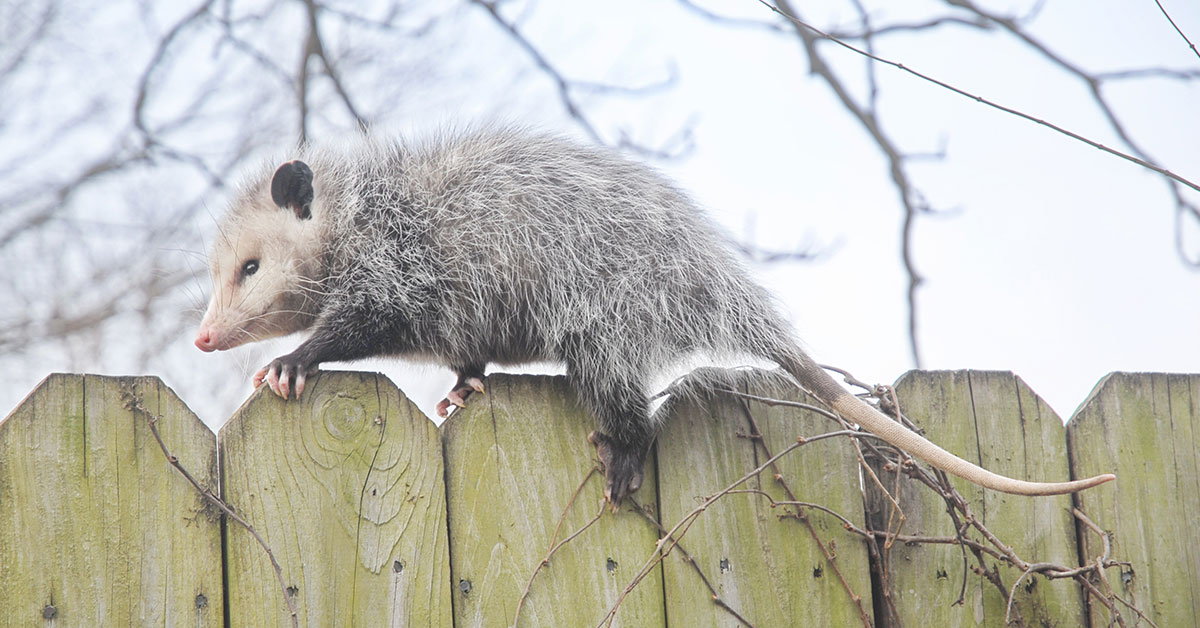

Opossums may be fascinating creatures, but when they find their way into your yard or home, they can quickly become a nuisance. With their scavenging nature and ability to adapt, opossums can wreak havoc on your property, leaving behind a mess and potentially spreading diseases. If you’re dealing with an opossum problem and are wondering how to get rid of opossums effectively and humanely, you’ve come to the right place. In this article, we will explore various methods and techniques that can help you safely remove opossums from your surroundings, ensuring a peaceful and clean environment for you and your family. From preventative measures to non-lethal removal techniques, we’ll provide you with the knowledge and steps to address the issue head-on and restore tranquility to your home and garden.
Are opossums a problem?
Opossums, also known as possums, are marsupial mammals found primarily in North and South America. While they may sometimes be perceived as pests due to their scavenging behavior and occasional interactions with humans, they also play important roles in the ecosystem and can be beneficial in certain ways.
Benefits of Opossums
- Natural Pest Control: Opossums are opportunistic omnivores, and a significant part of their diet consists of insects, rodents, and other small pests. They help control populations of insects and small animals that could otherwise become nuisances or pests.
- Scavengers and Decomposers: Opossums are effective scavengers, consuming carrion and dead animals. Their role as decomposers helps clean up and recycle organic matter in the environment.
- Tick Reduction: Opossums are known to groom themselves frequently, and this behavior helps reduce the number of ticks on their bodies. A single opossum can consume thousands of ticks in a season, which can be beneficial in areas where tick-borne diseases are a concern.
- Resistance to Some Diseases: Opossums have a unique immune system that makes them highly resistant to certain diseases, including rabies. Their low body temperature and immune response limit the transmission of diseases compared to other mammals.
Potential Concerns
While opossums provide ecological benefits, there are situations where they might be considered pests or create problems for humans:
- Garbage and Pet Food: Opossums are opportunistic feeders and may scavenge for food in garbage cans or pet food left outdoors. This behavior can lead to unwanted encounters with humans or pets.
- Garden and Landscape Damage: Opossums may sometimes feed on fruits, vegetables, and ornamental plants in gardens and landscapes. Their digging and foraging habits can also cause minor damage.
- Vehicle Collisions: Opossums, like many nocturnal animals, may be involved in vehicle collisions, leading to damage to both vehicles and injury to the animals.
- Nesting in Unwanted Areas: Occasionally, opossums may seek shelter in attics, crawl spaces, or under porches, leading to potential structural damage or nuisance.
It’s important to note that opossums are generally not aggressive and prefer to avoid confrontation with humans and other animals. If you encounter an opossum on your property and want to discourage it from specific areas, it is advisable to use humane and non-lethal methods, such as securing garbage cans, removing potential food sources, and sealing off access points to buildings.
Overall, while opossums may occasionally create minor issues for humans, they contribute positively to the ecosystem by fulfilling essential roles as scavengers and insect controllers. Understanding their benefits and taking preventive measures can help maintain a balance between their presence and human activities.
How to get rid of opossums
If you are looking to get rid of opossums from your property, here are some steps you can take:
- Remove food sources: Opossums are attracted to easily accessible food, so make sure you secure your garbage cans with tight-fitting lids, remove fallen fruits or birdseed from the ground, and keep pet food indoors.
- Seal off access points: Inspect your property for any openings or holes that opossums can use to enter your property, such as gaps in fences, crawl spaces, or under decks. Seal these areas off using sturdy materials like wire mesh or sheet metal.
- Install motion-activated lights and sprinklers: Opossums are nocturnal creatures, so installing motion-activated lights can help deter them. Additionally, motion-activated sprinklers can startle and discourage opossums from coming near your property.
- Use repellents: There are several natural repellents you can use to deter opossums. These include ammonia-soaked rags, predator urine (such as coyote or fox urine), or commercial repellents specifically designed for opossums.
- Trapping and removal: If the above methods do not work, you can consider live trapping the opossums and then releasing them elsewhere. However, check local regulations before attempting this, as it may be illegal in some areas. If you choose this method, use a humane trap and release the opossum far away from your property.
It’s important to note that opossums are beneficial animals as they eat insects, rodents, and even ticks. If they are not causing any significant damage or posing a threat, it may be best to coexist with them peacefully and appreciate their natural pest control abilities.
Why get rid of opossums?
There are a few reasons why someone might want to know how to get rid of opossums:
- Property damage: Opossums can cause damage to property by tearing up gardens, digging in lawns, or nesting in attics or crawl spaces.
- Disease transmission: Opossums can carry diseases such as leptospirosis, tuberculosis, and spotted fever. They can also transmit parasites like fleas, ticks, and mites.
- Threat to pets: Opossums have been known to attack and injure household pets, especially if they feel threatened or cornered.
- Nuisance behavior: Opossums can be noisy, especially if they are living in or around your home. They may also scavenge from trash cans or compost piles, creating a mess.
It’s important to note that opossums are generally not aggressive animals and will usually try to avoid confrontation. However, if you are experiencing any of the above issues, it may be necessary to take steps to remove them from your property.
Problems with getting rid of opossums
While getting rid of opossums may be necessary in certain situations, it is important to approach the issue responsibly and consider potential problems that may arise. Some potential problems with getting rid of opossums include:
- Inhumane methods: Using inhumane methods to remove opossums, such as poison or lethal traps, can raise ethical concerns. These methods may cause unnecessary suffering and can harm other non-target animals.
- Legal restrictions: It is important to check local regulations regarding the removal of opossums. In some areas, opossums may be protected or require permits for removal. Violating such regulations can lead to legal consequences.
- Potential harm to other wildlife: Attempting to remove opossums without considering the broader ecosystem can lead to unintended consequences. Opossums play a role in controlling pests and can help maintain ecological balance. Removing them without proper consideration can disrupt the natural balance and lead to an increase in other pests.
- Ineffectiveness of methods: Some methods used to get rid of opossums, such as repellents or exclusion techniques, may not always be effective. Opossums are resilient and adaptable animals, and they may find ways to overcome these methods or return to the area.
- Repeated infestations: If the underlying attractants or entry points that are drawing opossums to an area are not addressed, there is a risk of repeated infestations. It is crucial to identify and eliminate these factors to prevent opossums from returning.
- Risk of disease transmission: Opossums can carry diseases such as leptospirosis, tuberculosis, and parasites such as fleas and ticks. Mishandling opossums or coming into direct contact with them without taking proper precautions can increase the risk of disease transmission.
To effectively address opossum-related issues, it is often recommended to consult with professional wildlife control experts who can provide humane and appropriate solutions while considering the potential problems mentioned above.
Remember, opossums play a beneficial role in ecosystems as they help control pest populations. If possible, consider using humane methods that encourage the opossums to relocate rather than causing harm.