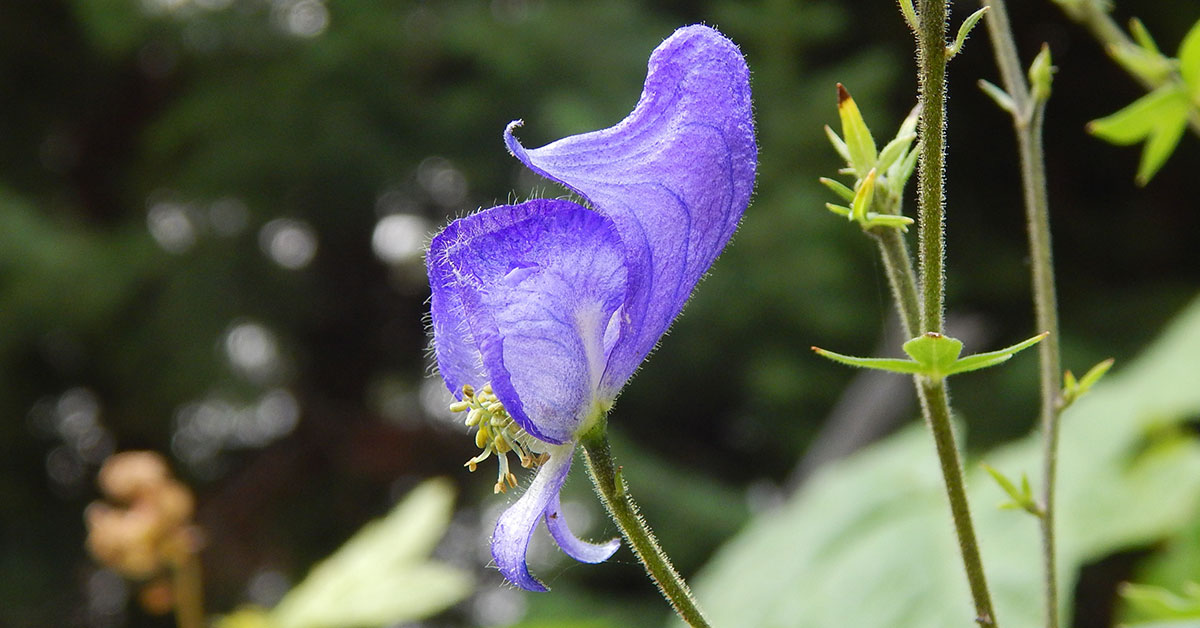

Monkshood, scientifically known as Aconitum, is a beautiful yet highly toxic perennial plant that can pose a serious threat to both humans and animals. With its distinct blue-purple flowers and tall stalks, monkshood is often found in gardens or natural landscapes. However, due to its deadly nature, it is crucial to know how to effectively and safely remove monkshood from your surroundings. In this article, we will explore various methods and precautions to get rid of monkshood, ensuring the safety of yourself, your loved ones, and the environment.
Whether you are a gardener, homeowner, or simply someone concerned about the presence of monkshood, this guide will provide you with the necessary knowledge to handle this toxic plant with care and eliminate it from your surroundings effectively.
How to get rid of monkshood
To get rid of monkshood, also known as Aconitum, you can follow these steps:
- Identify the monkshood plants: Make sure you correctly identify the monkshood plants in your garden or yard. Monkshood has distinctive purple or blue flowers and large, deeply lobed leaves.
- Wear protective clothing: Monkshood is highly toxic, so it’s important to wear protective clothing including gloves, long sleeves, and pants. Avoid any contact with your bare skin.
- Remove the plants manually: Using a gardening tool like a trowel or shovel, carefully dig around the base of the plants to loosen the soil. Try to remove as much of the roots as possible. Place the plants in a plastic bag to prevent any accidental spreading.
- Dispose of the plants safely: Monkshood plants should never be composted or thrown in the regular trash. Instead, double-bag them securely and dispose of them in the trash. Alternatively, contact your local waste management authorities for proper disposal instructions.
- Monitor the area: After removing the monkshood plants, continue monitoring the area for any regrowth. If you spot any new plants emerging, promptly remove them using the same precautions as before.
- Prevent future growth: To prevent monkshood from returning, it’s important to maintain a well-maintained garden or yard. Regularly remove weeds and monitor for any new monkshood plants. Consider planting other vegetation or ground cover to fill the space and discourage the regrowth of monkshood.
Remember, if you’re unsure about identifying or removing monkshood, it’s advisable to consult a professional gardener or local horticulture extension for guidance.
Why get rid of monkshood?
Monkshood, also known as Aconitum, is a highly toxic plant that can be dangerous if ingested or handled improperly. It is important to know how to get rid of monkshood to prevent accidental poisoning or harm to animals and humans. Here are a few reasons why learning how to get rid of monkshood is important:
- Toxicity: Monkshood contains aconitine, a potent neurotoxin that can cause paralysis, respiratory failure, and even death if ingested. Knowing how to remove monkshood can help prevent accidental poisoning, especially in areas frequented by children or pets.
- Accidental Ingestion: Monkshood can be mistaken for edible plants or herbs, leading to accidental ingestion. This is particularly risky since the plant’s toxic effects can be severe and potentially fatal.
- Gardening Safety: If you have monkshood growing in your garden, knowing how to remove it safely can help protect yourself and others from accidental contact with the plant’s toxic parts.
- Preventing Spread: Monkshood is an invasive plant that can quickly spread and dominate native plant species. Learning how to effectively remove monkshood can help prevent its spread and preserve the biodiversity of the ecosystem.
- Environmental Impact: Monkshood can be harmful to wildlife and beneficial insects. By knowing how to get rid of monkshood, you can help protect the natural habitat and promote the growth of native plant species.
It is important to note that removing monkshood can be potentially dangerous due to its toxicity. If you are unsure or uncomfortable with removing the plant yourself, it is recommended to seek professional assistance or consult with local gardening experts.
Problems with getting rid of monkshood
There are a few potential problems that you may encounter when trying to get rid of monkshood (Aconitum) plants:
- Toxicity: Monkshood is highly toxic, and its handling requires caution. The plant contains alkaloids that can be harmful if ingested, and even contact with the plant’s sap can cause skin irritation. It is important to wear gloves and protective clothing when handling monkshood to avoid any health risks.
- Persistence: Monkshood plants can be persistent and difficult to completely eradicate. They have a deep and extensive root system that can regrow if not entirely removed. This makes it crucial to ensure that all parts of the plant, including the roots, are properly removed to prevent regrowth.
- Spread through seeds: Monkshood can produce a large number of seeds, which can spread easily and lead to new plant growth. If the plant is not properly managed and the seeds are not controlled, it can result in the continuous growth and spread of monkshood plants in the area.
- Environmental impact: Like any invasive plant species, monkshood can have negative effects on the local ecosystem. It can outcompete native plants, disrupt the natural balance, and reduce biodiversity. It is important to consider the potential environmental impact when deciding how to get rid of monkshood.
To effectively manage and eliminate monkshood, it is recommended to consult with local gardening or horticultural experts who can provide specific guidance based on your location and the extent of the infestation.
Other considerations
When considering how to get rid of monkshood, it is important to take into account a few additional factors:
- Safety precautions: Monkshood is a highly toxic plant, so it is essential to wear protective clothing, gloves, and eyewear when handling it. Avoid direct contact with bare skin and keep pets and children away from the affected area.
- Correct identification: Ensure that you have correctly identified the plant as monkshood (Aconitum). There are many similar-looking plants, so it’s important to be certain before proceeding with removal.
- Removal methods: There are several methods to remove monkshood, including hand-pulling, digging, cutting, or using herbicides. The choice of method depends on the size of the infestation, the area affected, and personal preference.
- Timing: The best time to remove monkshood is in late spring or early summer when the plants are actively growing. This is when they are most vulnerable to removal efforts.
- Disposal: Once removed, it is crucial to dispose of monkshood properly. Do not compost or burn the plant, as it can release toxic fumes. Instead, seal it in a bag and dispose of it in the trash.
- Follow-up: Monkshood can be persistent, so it is important to monitor the area regularly for any regrowth. Be prepared to repeat the removal process if necessary.
Remember that if you are unsure about the best course of action or if the infestation is extensive, it is advisable to consult with a professional landscaper, horticulturist, or your local agricultural extension office for guidance.