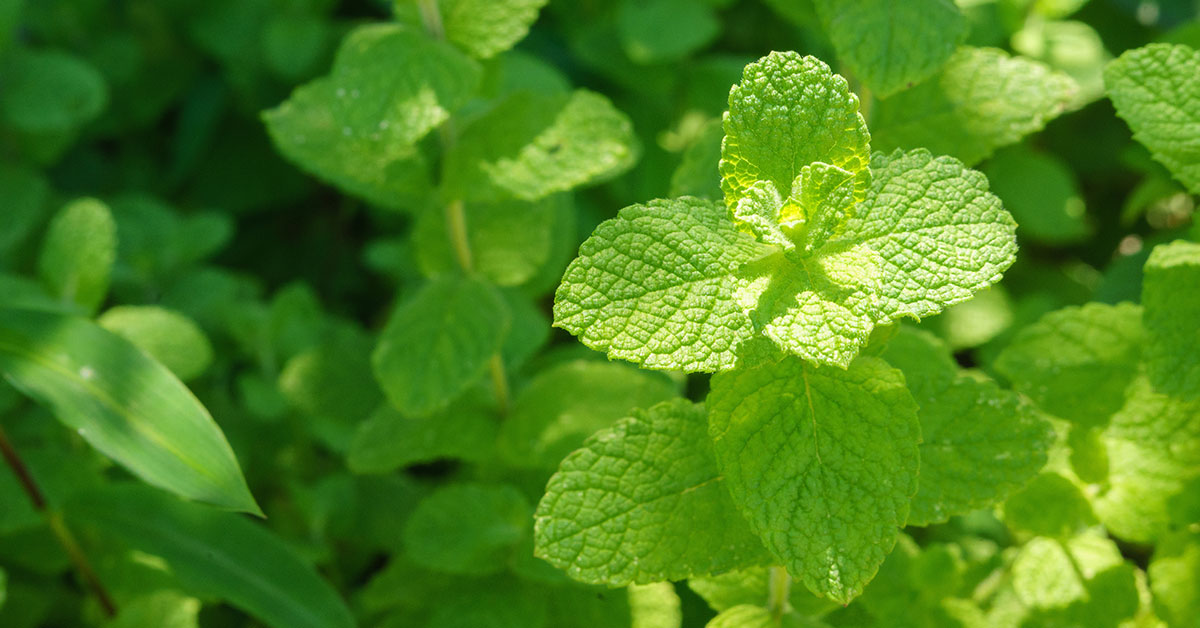

Mint, with its refreshing aroma and delightful taste, is a popular herb that can be found in many gardens and kitchens. While it adds a unique flavor to dishes and beverages, it can quickly take over if not properly managed. Whether you have an abundance of mint in your garden or find yourself with an overgrown patch, knowing how to effectively get rid of mint is essential to maintaining a well-balanced garden.
In this article, we will explore various methods and techniques to help you tackle the task of removing mint, ensuring that your garden remains a harmonious and thriving space. From natural remedies to preventive measures, we will provide you with practical solutions to reclaim your garden from the relentless expansion of this resilient herb.
How to get rid of mint
To get rid of mint, you can follow these steps:
- Identify the mint plants: Mint plants usually have square stems, opposite leaves, and a strong minty smell. Make sure you are certain about which plants are mint before proceeding.
- Manual removal: The most effective way to get rid of mint is to dig up the plants manually, including their roots. Use a garden trowel or shovel to carefully dig around the base of the plant, ensuring you remove as much of the root system as possible. Be thorough and try not to leave any roots behind, as mint can regrow from even small root fragments.
- Repeated mowing or cutting: If you have a large area infested with mint, you can use a lawnmower or string trimmer to repeatedly cut the mint plants back to the ground. This will weaken the plants over time but may require multiple sessions to completely eliminate them.
- Smothering the mint: Another method to get rid of mint is to smother it using a heavy layer of mulch or cardboard. This will deprive the mint plants of sunlight and eventually kill them. Ensure that you cover the mint plants thoroughly, leaving no gaps.
- Herbicides: If manual methods are not effective or practical, you can use an herbicide specifically designed to kill mint plants. Look for a herbicide containing glyphosate or triclopyr, and carefully follow the instructions on the label. Keep in mind that herbicides can also harm other plants, so use them with caution.
- Regular maintenance: After removing or killing the mint plants, it’s important to regularly monitor the area for any regrowth. Any new shoots should be promptly removed to prevent the mint from spreading again.
Remember to check local regulations and guidelines before using any herbicides, and always use protective clothing and equipment when working with chemicals.
Why get rid of mint?
There might be several reasons why someone would want to get rid of mint plants. Here are a few possible reasons:
- Invasive growth: Mint plants are known to be highly invasive and can quickly take over a garden or yard if not properly contained. They have creeping underground stems called rhizomes, which can spread and produce new plants.
- Overcrowding and competition: Mint plants can crowd out other plants in the garden, leading to reduced growth and productivity of desired plants.
- Maintenance and control: Mint can require regular maintenance and control efforts to prevent it from spreading uncontrollably. This can involve frequent pruning, digging up new shoots, and keeping it contained in pots or dedicated garden beds.
- Allergies or sensitivity: Some individuals may have allergies or sensitivities to mint, which can cause discomfort or adverse reactions.
Remember to check your local regulations and guidelines regarding plant removal and the use of herbicides to ensure you comply with any restrictions or recommendations in your area.
Problems getting rid of mint
There are a few potential problems that you might encounter when trying to get rid of mint:
- Resilience: Mint is a highly resilient plant that can spread rapidly through underground rhizomes, making it difficult to completely eradicate. Even if you remove the visible plants, the root system may still remain and grow again.
- Regrowth: If you don’t properly remove the entire root system, the mint plants may regrow in the same area or spread to other parts of your garden or yard.
- Herbicide damage: Using herbicides to kill mint can be effective, but it may also harm other desirable plants in the vicinity. Care should be taken to avoid damaging nearby vegetation.
- Persistence: Mint can persistently come back even after repeated attempts to remove it. This can be frustrating and time-consuming.
- Invasive potential: Mint has invasive tendencies, meaning it can outcompete and crowd out other plants in the area. If not properly controlled, it can quickly take over your garden or yard.
To effectively get rid of mint, it is recommended to combine multiple control methods, such as hand-pulling, digging out the roots, smothering the area with landscaping fabric or mulch, and using herbicides selectively if necessary. Regular monitoring and maintenance will also be important to prevent regrowth.
Other considerations
When considering how to get rid of mint, there are a few other factors to keep in mind:
- Persistence: Mint is a persistent plant that can quickly spread through its underground rhizomes. It may require repeated efforts to completely eliminate it.
- Time of year: The best time to tackle mint removal is in spring or early summer when the plant is actively growing. This is when it is most vulnerable to control measures.
- Surrounding plants: Consider the proximity of other plants to the mint. Some removal methods may harm or disrupt nearby desirable plants, so it’s important to choose a method that will minimize damage to other vegetation.
- Soil condition: Mint thrives in moist, fertile soil. If possible, improving soil drainage and fertility can help reduce its spread and growth.
- Method of removal: There are several methods to consider, including hand pulling, smothering, solarization, herbicide application, or using natural remedies like vinegar or boiling water. Each method has its pros and cons, so choose one that aligns with your preferences and the specific situation.
- Disposal: Properly dispose of the mint plant material to prevent it from reestablishing or spreading elsewhere. Composting is generally not recommended unless you have a hot compost pile that can reach temperatures high enough to kill the mint.
Remember to research and follow local regulations and guidelines for plant removal and disposal, especially when it comes to chemical herbicides.