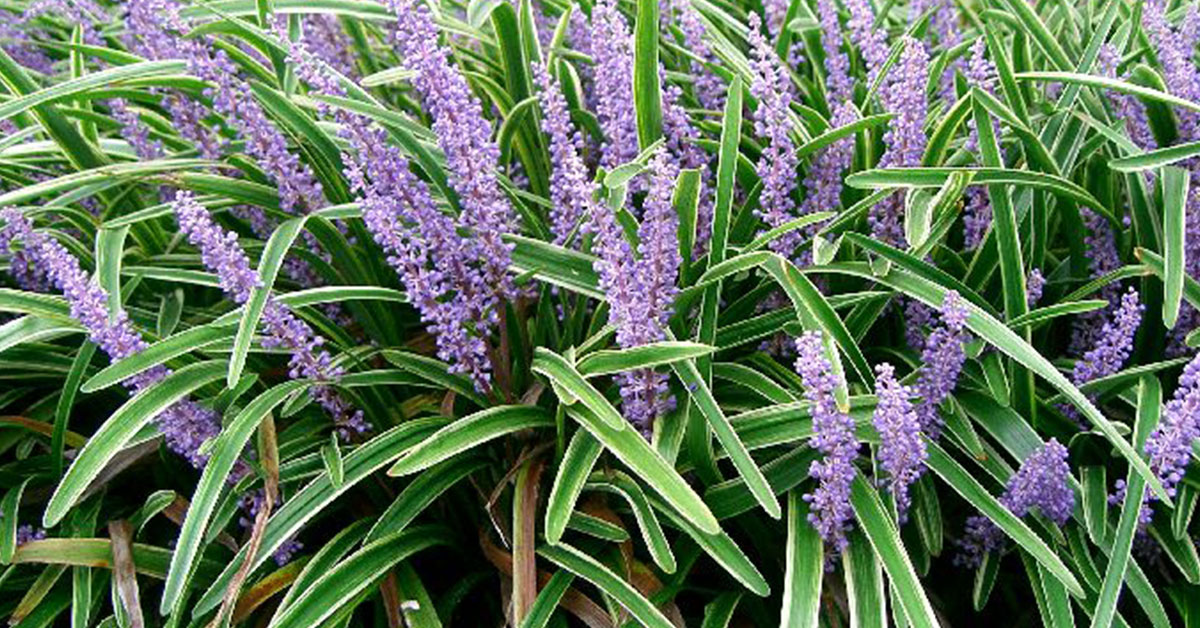

Liriope, also known as monkey grass or lilyturf, is a popular ornamental plant that can add beauty and texture to any garden or landscape. However, if left unchecked, liriope can quickly spread and become invasive, taking over other plants and areas of your yard. If you find yourself dealing with an overgrowth and want to reclaim your garden, it’s important to take the necessary steps to get rid of lariope effectively.
In this article, we will explore various methods and techniques that will help you get rid of lariope, ensuring that you can achieve a liriope-free garden and maintain the health and beauty of your outdoor space.
How to get rid of lariope
To get rid of liriope, also known as monkey grass, you can follow these steps:
- Digging: Start by digging around the liriope plants, loosening the soil around the roots. Use a garden shovel or trowel to dig deep enough to remove as much of the root system as possible.
- Pulling: Once the soil is loosened, grab the liriope clumps firmly at the base and pull upwards, trying to remove as much of the roots as possible. Be careful not to break the plants as you pull.
- Cutting: If the liriope has a large and established root system, cutting it back to the ground can make it easier to remove. Use a pair of sharp garden shears or a weed trimmer to cut the liriope as close to the ground as possible.
- Repeating: After removing the liriope, inspect the area for any remaining roots or rhizomes. Remove any remaining roots or rhizomes by digging them out or cutting them away. Be thorough to prevent regrowth.
- Mulching: Once the liriope is removed, cover the area with a thick layer of mulch to suppress any potential regrowth and discourage new weed seeds from sprouting.
- Monitoring: Keep an eye on the area where the liriope was removed and promptly remove any new growth or sprouts that may appear. Regularly maintaining the area will prevent the liriope from regrowing.
Note: Liriope can be quite persistent, so it may take multiple attempts to fully eradicate it. Patience and persistence are key in successfully removing liriope from your garden or landscape.
Why get rid of liriope?
There are a few reasons why someone might consider getting rid of liriope:
- Invasive growth: Liriope can spread aggressively and take over garden beds or areas where it is planted. Its rhizomatous roots can quickly colonize and crowd out other plants, causing an imbalance in your garden ecosystem.
- Difficulty in controlling: Once liriope is established, it can be challenging to control its growth. Its spreading nature makes it difficult to contain, and its roots can be challenging to remove entirely.
- Incompatibility with other plants: Liriope’s dense growth habit can shade out other plants, preventing them from receiving adequate sunlight and nutrients. This can negatively impact the health and growth of surrounding plants.
- Lack of aesthetic appeal: While liriope can provide some ornamental value, some people may find its appearance unappealing or overused in landscapes. If you prefer a different aesthetic or want to create a more diverse garden, removing liriope may be necessary.
- Maintenance concerns: Liriope requires regular maintenance, including dividing and thinning to prevent overcrowding. If you are looking for lower-maintenance plant options, removing liriope can help simplify your gardening tasks.
It’s important to note that the decision to remove liriope ultimately depends on your specific circumstances and preferences. If you decide to remove it, make sure to do so responsibly by disposing of the plant materials properly and taking necessary precautions to prevent its regrowth.
Problems with getting rid of lariope
There are a few potential problems you may encounter when trying to get rid of liriope (also known as monkey grass). Here are some of them:
- Invasive nature: Liriope is known for its vigorous growth and ability to spread quickly. This makes it difficult to completely eradicate from an area, as even small fragments of the plant can regrow.
- Deep roots: Liriope has deep, fibrous roots that can make it challenging to remove the entire plant. If the roots are not fully removed, the liriope may regrow from the remaining root fragments.
- Resilience: Liriope is a hardy plant that can withstand various environmental conditions, including drought and shade. This resilience can make it more challenging to eliminate from a garden or landscape.
- Disruption to nearby plants: When attempting to remove liriope, there is a risk of damaging or disturbing nearby plants or desirable vegetation. This is especially true if the liriope has intertwined roots with other plants.
- Time-consuming process: Completely getting rid of liriope can be a time-consuming task, especially if the infestation is extensive. It may require multiple removal attempts and ongoing maintenance to prevent regrowth.
- Chemical herbicides: While chemical herbicides can be effective in killing liriope, they may also harm other plants or have environmental implications. Using herbicides requires caution and following the instructions carefully.
It’s important to consider these potential issues and plan accordingly when trying to remove liriope from your garden or landscape.
Other considerations
When considering getting rid of lariope, there are a few other factors to consider:
- Method of removal: There are several methods to remove liriope, such as hand-pulling, digging, smothering, using herbicides, or hiring professional help. Each method has its own pros and cons, so it’s important to choose the one that suits your needs and preferences.
- Surrounding plants: If there are other desirable plants growing near the liriope, you need to take extra care to avoid damaging or removing them during the removal process. Consider using barriers or protective measures to prevent accidental harm.
- Time and effort: Removing liriope can be a labor-intensive task, especially if it has spread extensively. Evaluate the amount of time, effort, and resources you are willing to invest in the removal process, and plan accordingly.
- Disposal: Once the liriope is removed, you need to decide how to dispose of it properly. Check local regulations and guidelines for appropriate disposal methods, such as composting, green waste collection, or taking it to a local recycling or disposal facility.
- Replanting or replacing: After removing the liriope, you might want to consider what you will do with the space. Will you replant with a new species or replace it with another ground cover? Think about your preferences, maintenance requirements, and the overall aesthetics of your garden.
- Preventing regrowth: Liriope can be persistent and may regrow from any remaining root fragments. It’s essential to monitor the area after removal and take necessary steps to prevent regrowth, such as regular maintenance, mulching, or applying pre-emergent herbicides.
Remember, it’s always a good idea to consult with gardening professionals or local horticultural extension services for specific advice tailored to your unique situation.