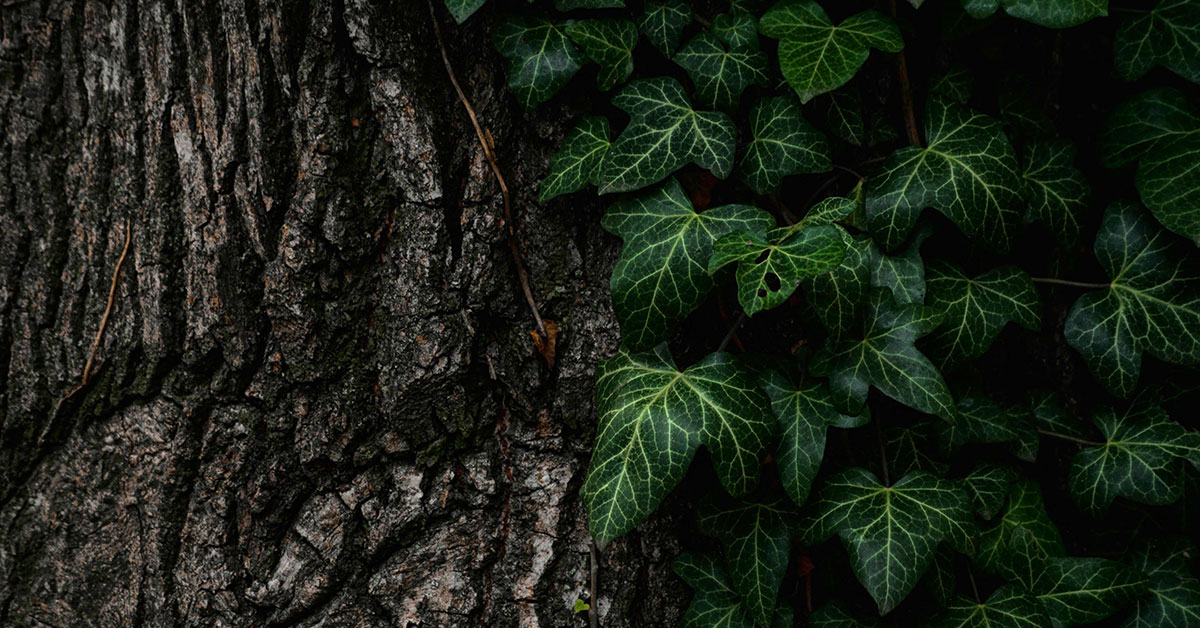

Ivy is a beautiful, lush evergreen plant that can make any garden look beautiful. However, certain varieties are highly invasive and once they get a foothold on your property, they can be very difficult to get rid of. Ivy is capable of growing rapidly and can quickly take over gardens, walls, and other areas of your landscape. It can also cause damage to buildings, trees, and other plants. If you choose to plant ivy, it is important to choose a non-invasive variety and to keep an eye on it to ensure it does not become a problem. If you have ivy and don’t want it, we’ll be going over how to get rid of ivy on your property.
Why get rid of ivy?
Gardeners should remove invasive ivy from their property because it can quickly overtake and choke out other plants in their garden. Ivy can grow rapidly, creating a thick mat that smothers other plants. Invasive ivy is also very difficult to control, as it can grow up walls and other surfaces, making it difficult to keep it confined to the garden. If left unchecked, it can cause extensive damage to buildings, trees, and other plants. Removing invasive ivy can help maintain a healthy garden and prevent it from taking over. Invasive ivy also has an environmental impact, including:
- Displacement of native species: Ivy can quickly spread across open areas, crowding out native plants and animals.
- Depletion of soil resources: Ivy can out-compete native plants for soil nutrients, leading to a decrease in biodiversity.
- Altered soil structure: Ivy can cause soil compaction, leading to decreased water infiltration, soil erosion, and water pollution.
- Increased risk of wildfire: Ivy can serve as a fuel source, increasing the risk of wildfire in the area.
- Increased risk of pests and diseases: Ivy can provide a habitat for pests and diseases that can spread to native species.
How to remove ivy
Pulling ivy by hand is one of the most effective ways to get rid of it. It is important to pull out all of the roots of the ivy, as this will prevent it from coming back. Hand pulling is also a much more cost-effective solution compared to using herbicides or other chemical treatments. It is also less damaging to the environment. When hand pulling, it is important to wear long sleeves and pants to protect your skin. Additionally, it is important to make sure that you are disposing of the ivy properly, as it can spread if left in the environment.
Herbicides may be an effective way to eliminate major ivy infestations, but it is not an organic or sustainable method and can cause major harm to native plant life. In addition to the potential for causing long-term damage to the environment, herbicides are often expensive and have to be reapplied frequently in order to keep the ivy infestations at bay. Herbicides can also be toxic to animals, and may even leach into watersheds, harming aquatic life and other wildlife. Therefore, while herbicides may be an effective way to eliminate major ivy infestations, they should be a last resort and used in conjunction with other methods, such as manual removal, to ensure the health and safety of native plant life.
Preventing ivy from coming back
It is important to take special care when removing ivy to make sure the roots are completely pulled out of the ground. When removing ivy, it is best to dig around the roots of the ivy to loosen the soil and pull it out. If some of the roots remain, ivy may return. To help with future prevention, it is a good idea to spread a layer of mulch around the area to help keep the ivy from coming back. Additionally, it is important to keep the area clean and free of debris or ivy that may be left behind. Taking these steps can help ensure that ivy does not return.
Using heavy tarps to smother ivy is probably the most effective way of preventing it from coming back, but it is also important to note that this will kill off other native plant life as well. Covering the area with tarps blocks out sunlight and moisture, and over time the ivy will die, but it will also kill off other native plants that may have been in the area. It is important to be aware of the potential impact this could have on the environment before taking this course of action.