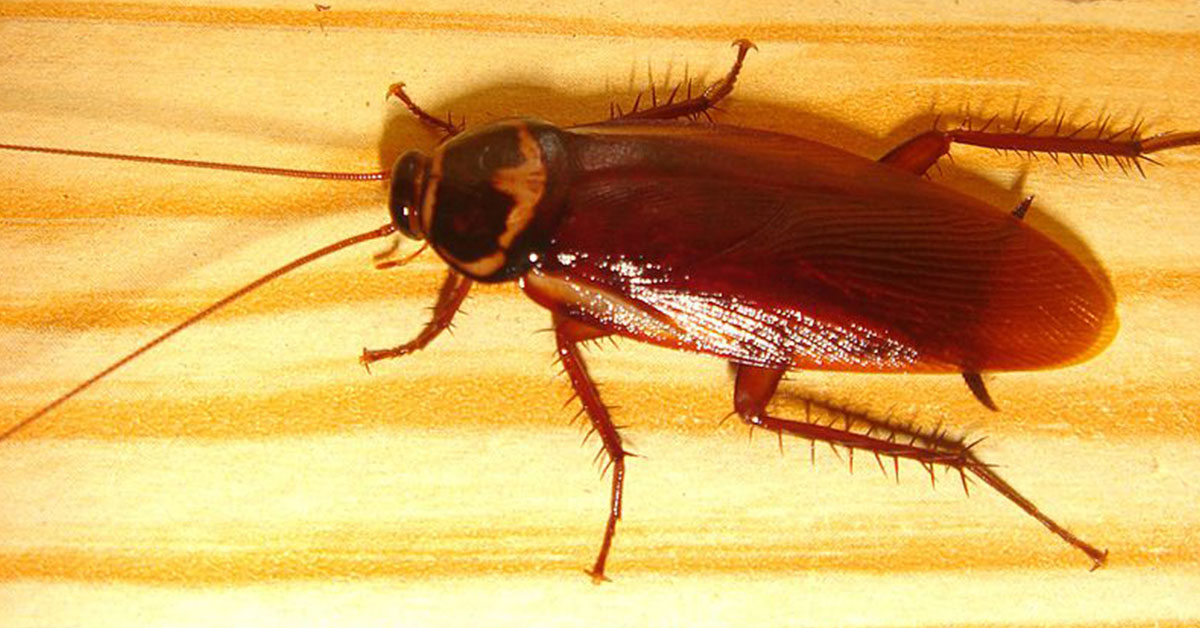

Garden roaches are one of the most common pests found in gardens and outdoor spaces. They can cause a variety of problems. Including the destruction of plants, contamination of food and water sources, and the spread of disease. We’ll look at the biology of garden roaches, discuss their impact on gardens, and offer some tips on how to prevent and control this pest.
What Are Garden Roaches?
Garden roaches are one of the most despised insects in the world. People often don’t like them because they are associated with dirt and filth. As these pests can be found in sewers and other unsanitary areas. Like mole crickets, they are considered a nuisance, as they can get into homes and cause damage to food, furniture, and other items. Additionally, garden roaches can transmit diseases and parasites, making them a health hazard. Furthermore, many people are simply grossed out by the sight of a garden roach. As they tend to be large, ugly, and hard to get rid of.
Garden roaches can cause a lot of damage to gardens and other outdoor areas. They are known to feed on plants, flowers, and other vegetation. These pests are also known to spread disease, as they often carry harmful bacteria in their bodies. Getting rid of garden roaches is an important step in protecting the health of your garden, as well as the health of those who come in contact with the area.
How To Get Rid Of Garden Roaches
The best way to get rid of a garden roach infestation is to first identify the source of the infestation. If you can identify the source, you can then take the appropriate steps to remove it. This can include removing debris, cutting back overgrown vegetation, and eliminating any sources of water or food that the roaches might be attracted to. Once the source has been removed, you can then use insecticides or baits to get rid of the remaining roaches. It is also important to monitor your garden regularly to ensure that new infestations do not occur.
When it comes to killing garden roach infestations, there are several methods to choose from. One of the most popular methods is using baits and traps. These baits and traps contain food or poison that can attract the roaches. Once they enter the traps, the roaches will succumb to the poison and die. Another option is to use insecticides, which can be sprayed directly on the roaches or on the affected area. The insecticide will kill the roaches and their eggs, thus preventing further infestations. Finally, an environmental approach can be taken by removing sources of food and water, sealing entrances and cracks, and generally making the area inhospitable to roaches. With the right combination of methods, garden roach infestations can be effectively eliminated.
How To Prevent Garden Roaches
Garden roach infestations can be caused by a variety of factors, including excessive moisture, decaying organic matter, and the presence of food sources. Moisture is a key factor, as roaches thrive in humid environments. Landscaping that does not allow for proper drainage can create ideal conditions for roach infestations. Decaying organic matter such as leaves, mulch, and other debris also provides a great source of food and shelter for roaches. Lastly, the presence of food sources such as pet food, garbage, and other items left lying around can attract roaches.
Garden roach infestations can be a nuisance and difficult to get rid of, so prevention is key. The best way to prevent garden roach infestations is to keep your garden free of clutter. Remove any piles of leaves or other organic material, as these can provide harborage for roaches. Keep your garden free of standing water, which can attract roaches. Keep your garden free of food sources, such as fallen fruit and spilled birdseed, as these can attract roaches. Regularly inspect your garden for signs of roaches, such as egg casings, and take action as needed. Finally, if you have any plants or trees that are prone to roach infestations, such as citrus trees, consider using a pesticide to control the population. Regularly cleaning and maintaining a garden can help to reduce the likelihood of a roach infestation
Other Methods For Prevention
Compost piles have a number of benefits to gardens, such as providing important nutrients and minerals, but they can also cause garden roach infestations. Roaches are attracted to the warm, moist environment of compost piles, and they can quickly become an unwelcome addition to a garden. When compost piles are not properly managed, they can become a breeding ground for roaches, leading to an infestation. To prevent a roach infestation, gardeners should ensure their compost piles are managed and monitored regularly, and that they are kept away from the home and other garden areas.
Diatomaceous earth can be an effective way to control garden roaches. It is a natural substance made up of the fossilized remains of small aquatic organisms and is an effective insecticide. By absorbing fat and oils from the insect’s exoskeleton and dehydrating them, killing them in the process. It can be applied directly to the plants or soil in the garden and works best when applied in the evening when the roaches are most active. It is important to take care when applying diatomaceous earth, as it can be dangerous to inhale and can irritate the skin and eyes. When used correctly, it can help to keep garden roaches away for good.
Dealing With Other Pests In The Garden
Gardening is a great way to spend time outdoors and enjoy the beauty of nature. However, it is also essential to check your garden for pests on a regular basis. Not only can pests affect the health and growth of your plants, but they can also spread diseases and destroy entire crops. Regularly checking your garden for pests is an important part of keeping your garden healthy and looking its best. Additionally, early detection and control of pests can help prevent them from spreading to other gardens or crops in your area. Taking the time to check your garden for pests can help make sure that your plants are healthy and thriving.