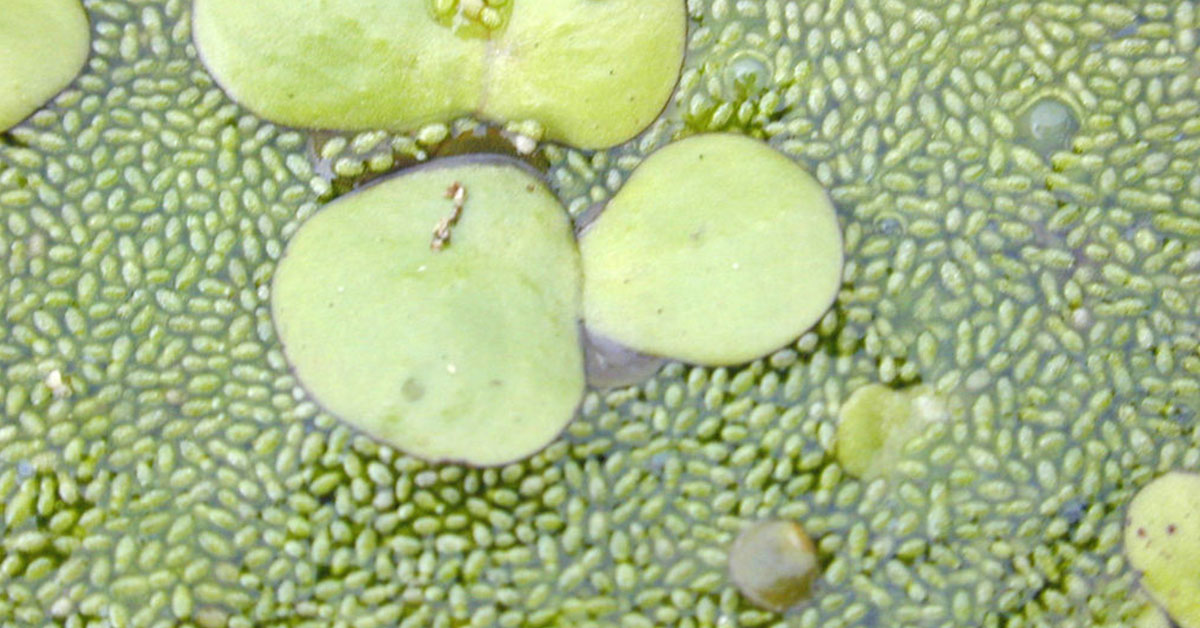

Welcome to our comprehensive guide on how to effectively eliminate duckweed, the pesky aquatic plant that can quickly overrun and disrupt the balance of any pond. Duckweed, scientifically known as Lemnoideae, is a floating plant that multiplies rapidly and forms dense mats on the water’s surface, depriving other plants and organisms of sunlight and oxygen. Whether you are a pond owner, a nature enthusiast, or simply seeking a harmonious aquatic environment, this article will equip you with a range of proven strategies and techniques to successfully combat and eradicate duckweed in a pond.
From manual removal methods and biological controls to chemical treatments and preventive measures, we will explore various approaches to help you restore the health and beauty of your pond, ensuring it remains a thriving ecosystem for years to come.
How to get rid of duckweed in a pond
Getting rid of duckweed in a pond requires a combination of physical removal, biological control, and preventive measures to manage its growth. Here are some effective methods to control duckweed in a pond:
1. Physical Removal: Use a skimmer or fine-mesh net to physically remove as much duckweed as possible from the water’s surface. Regularly skim the pond to prevent duckweed from spreading further.
2. Biological Control: Introduce natural predators of duckweed, such as certain species of fish or waterfowl. Grass carp are known to consume large quantities of duckweed, but be cautious, as they can also damage other aquatic plants if overstocked.
Ducks and geese can also feed on duckweed, but their introduction should be managed carefully, as they can cause other issues in some ponds.
3. Nutrient Management: Reduce nutrient inputs into the pond, as excessive nutrients contribute to duckweed growth. Avoid over-fertilizing nearby lawns and gardens, and create vegetative buffers around the pond to trap sediment and nutrients.
4. Aeration: Improve pond aeration to help oxygenate the water and discourage dense duckweed growth. Proper aeration can also benefit other aquatic life.
5. Barriers: Install barriers or screens to limit the spread of duckweed from one part of the pond to another. Physical barriers can prevent duckweed from covering the entire pond surface.
6. Chemical Treatments: As a last resort and only after consulting with local authorities or pond management experts, consider using aquatic herbicides specifically designed for duckweed control. Follow all instructions and safety precautions for proper application.
Important Considerations
- Before using any chemical treatments, make sure they are safe for the pond’s inhabitants and the surrounding environment. Some herbicides can harm fish, other aquatic plants, and non-target organisms.
- Always identify the type of duckweed present in the pond, as some species may be non-invasive and pose less of a problem.
- Be patient, as controlling duckweed may require ongoing efforts, and complete eradication may not be possible or necessary.
Prevention is Key: Preventing excessive duckweed growth is essential to long-term management. Regularly monitor the pond’s nutrient levels, maintain a balanced ecosystem, and control nutrient runoff to discourage duckweed proliferation.
Remember, the goal is to manage duckweed in a way that maintains a healthy and balanced pond ecosystem without harming other aquatic life or the environment. If you are uncertain about the best approach for your specific pond, seek advice from local pond management experts or environmental agencies for guidance.
Why get rid of duckweed in a pond?
Getting rid of duckweed in a pond is often necessary for several reasons, as this aquatic plant can become problematic under certain conditions:
1. Excessive Growth: Duckweed (Lemnaceae family) is a rapid-growing floating aquatic plant. In favorable conditions, it can reproduce and spread rapidly, covering the surface of the pond entirely. An overabundance of duckweed can block sunlight from reaching submerged plants, limiting their growth and disrupting the balance of the pond ecosystem.
2. Oxygen Depletion: Dense mats of duckweed can create a thick layer on the pond’s surface, limiting the exchange of gases between the water and the atmosphere. This can lead to oxygen depletion in the water, which is harmful to fish and other aquatic organisms.
3. Algae Growth: Duckweed provides an ideal environment for algae growth. As it forms a dense cover on the water’s surface, it can trap nutrients, leading to increased algae growth, including harmful algal blooms.
4. Aesthetic and Recreational Issues: An overgrowth of duckweed can give the pond an unsightly appearance. It can also hinder recreational activities such as fishing, boating, and swimming.
5. Water Quality Concerns: As duckweed proliferates, it can contribute to nutrient imbalances in the water, impacting water quality and potentially leading to eutrophication, a process where excessive nutrients lead to an overgrowth of aquatic vegetation and deplete oxygen levels.
6. Invasive Potential: Some species of duckweed are considered invasive in certain regions. If introduced to new water bodies, they can quickly spread and outcompete native aquatic plants, threatening local biodiversity.
Problems with getting rid of duckweed in a pond
There are several potential problems that may arise when trying to get rid of duckweed in a pond. Some of these include:
- Incomplete eradication: Duckweed can reproduce rapidly and form dense mats on the water surface. If not completely removed, even a small amount of remaining duckweed can quickly multiply and reinfest the pond.
- Harm to other aquatic plants: Some methods of duckweed removal, such as chemical treatments or herbicides, may also harm other desirable aquatic plants present in the pond. It is important to consider the impact on the overall ecosystem before choosing a removal method.
- Impact on wildlife: Certain removal methods, such as using chemical treatments, may have negative effects on the wildlife inhabiting the pond, including fish, amphibians, and insects. Care should be taken to choose methods that minimize harm to the ecosystem.
- Recurrence: Duckweed can be reintroduced to a pond by various means, such as wind, animals, or contaminated water sources. Without addressing the source of the problem, the duckweed may return even after successful removal.
- Altered water quality: When duckweed dies and decomposes, it can result in fluctuations in water quality, such as decreased oxygen levels and increased nutrient concentrations. This may negatively impact the overall health of the pond and its inhabitants.
- Time and effort: Removing duckweed can be a time-consuming and labor-intensive process, requiring regular maintenance and monitoring. It may take multiple treatments or a combination of methods to effectively control its growth.
It is advisable to carefully research and consider different removal methods, consult with experts if needed, and take a holistic approach to address the underlying causes of duckweed infestation to ensure a successful and sustainable solution.
Other considerations
When trying to get rid of duckweed in a pond, there are a few other considerations to keep in mind:
- Identify the root cause: Duckweed often thrives in nutrient-rich water, so it’s important to identify and address the root cause of excessive nutrients in the pond. This could be due to factors like overfeeding fish, decaying organic matter, or fertilizer runoff. By addressing the underlying issue, you can prevent future duckweed growth.
- Manual removal: Manual removal of duckweed can be effective for smaller infestations. Use a net or rake to skim the surface of the pond and physically remove the duckweed. Be sure to dispose of it properly to prevent recontamination.
- Aeration and circulation: Installing a pond aerator or fountain can help improve water circulation and oxygen levels. Duckweed growth is often suppressed in well-aerated water bodies since it prefers stagnant conditions.
- Biological control: Introducing natural predators can help control duckweed growth. For example, some fish species like grass carp, koi, or tilapia feed on duckweed. However, be cautious when using biological control methods, as certain fish species may cause other issues or disrupt the pond’s ecosystem.
- Chemical control: If other methods fail, chemical control options may be considered. Herbicides specifically formulated for duckweed control can be used, but it’s crucial to carefully read and follow the product instructions, considering any potential impacts on other plants and aquatic life. Always use chemicals responsibly and ensure they are safe for the pond environment.
- Regular maintenance: Regular pond maintenance, such as removing debris, managing nutrient inputs, and monitoring water quality, can help prevent future duckweed outbreaks.
Remember, it’s important to assess the specific conditions of your pond and choose the most appropriate methods for your situation. Consulting with a professional or a local pond expert can provide further guidance tailored to your specific needs.