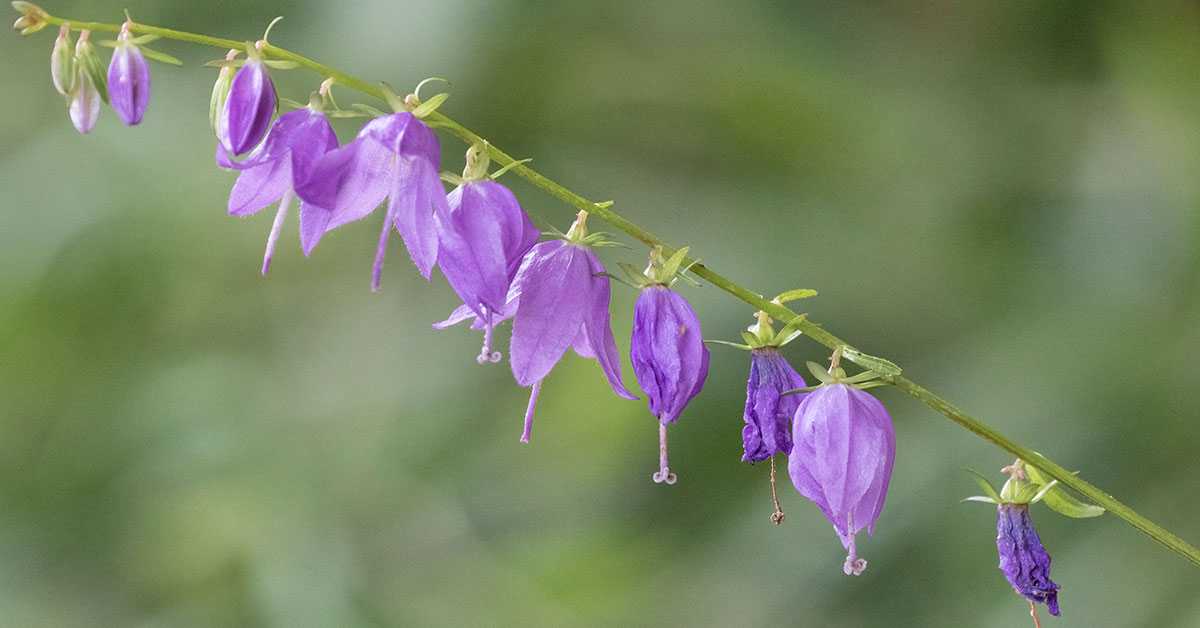

Creeping bellflower (Campanula rapunculoides) is a persistent and invasive plant species that can quickly take over gardens and landscapes if left unchecked. Its ability to spread rapidly through underground rhizomes makes it a formidable opponent for gardeners and homeowners. However, with the right approach and a bit of persistence, it is possible to effectively get rid of creeping bellflower and regain control of your outdoor space.
This article will provide you with a comprehensive guide on how to identify, remove, and prevent the spread of creeping bellflower, offering practical tips and strategies to successfully eradicate this troublesome weed from your garden and keep it at bay in the future.
How to get rid of creeping bellflower
To get rid of creeping bellflower, you can follow these steps:
- Identify the plant: Make sure you correctly identify the creeping bellflower. It has heart-shaped leaves, tall stems with purple or white bell-shaped flowers, and spreads quickly through underground rhizomes.
- Manual removal: For small infestations, manually remove the plants by digging them out from the root. Ensure you remove all the rhizomes as they can regrow from even small fragments.
- Mulching: Apply a thick layer of organic mulch, such as wood chips or straw, around desirable plants to suppress the growth of creeping bellflower. This will help prevent sunlight from reaching the plants and make it harder for them to grow.
- Chemical control: For larger infestations or persistent regrowth, you may need to use herbicides. Glyphosate-based herbicides are effective against creeping bellflower. Follow the instructions on the product carefully, as some herbicides may also affect desirable plants nearby.
- Regular monitoring: Keep an eye on the area where the creeping bellflower was present and promptly remove any new growth that appears. Be persistent and consistent in your efforts to prevent the spread of the plant.
- Support desirable plants: Encourage the growth of desirable plants in the area, as they will compete with the creeping bellflower and make it harder for it to establish itself.
Remember, getting rid of creeping bellflower can be a challenging and ongoing process. Patience and persistence are key in successfully removing this invasive plant from your garden or landscape.
Why get rid of creeping bellflower?
Knowing how to get rid of creeping bellflower is important because it is an invasive weed that can quickly spread and outcompete native plants. Here are a few reasons why it’s necessary to control and remove creeping bellflower:
- Ecological Impact: Creeping bellflower can displace native plant species, reducing biodiversity and disrupting natural ecosystems. It can also negatively impact pollinators and other beneficial insects that rely on native plants for food and habitat.
- Garden Aesthetics: Creeping bellflower can quickly take over gardens and lawns, making them look unkempt and unsightly. Removing it can help maintain the beauty and integrity of your outdoor spaces.
- Preventing Spread: Creeping bellflower spreads through its extensive root system and by self-seeding. If left unchecked, it can easily spread to neighboring properties and natural areas, making it more challenging to control in the long run.
- Agricultural Impact: In agricultural settings, creeping bellflower can be particularly problematic, as it competes with crops for nutrients, water, and space. Controlling it is crucial for maintaining crop yields and preventing economic losses.
By learning how to effectively remove and manage creeping bellflower, you can help protect the environment, maintain the aesthetics of your landscape, and prevent its spread to other areas.
Problems with getting rid of creeping bellflower
There are several potential problems that may arise when trying to get rid of creeping bellflower:
- Resilience: Creeping bellflower is a resilient plant that can quickly adapt and survive in different environments. Its deep, extensive root system makes it challenging to completely remove.
- Spreading: Creeping bellflower spreads aggressively through underground rhizomes and seeds. Even a small piece of root left behind during removal can lead to regrowth and further spread of the plant.
- Persistence: Creeping bellflower can persist for years, even with continuous efforts to remove it. It may require long-term management and ongoing control measures to effectively eradicate it from an area.
- Reinfestation: If creeping bellflower is present in neighboring properties or areas, there is a risk of reinfestation. The plant can easily spread through wind-dispersed seeds or by rhizome fragments carried by animals, water, or gardening activities.
- Damage to native plants: Creeping bellflower can outcompete and smother native plants, reducing biodiversity and altering ecosystems. Removing it may require careful consideration to prevent unintended harm to desirable plants.
- Chemical control: While herbicides can be effective in controlling creeping bellflower, they may also harm other desirable plants or pose risks to human and environmental health. Proper selection, application, and adherence to safety guidelines are crucial when using chemical control methods.
It’s important to approach the removal of creeping bellflower with a comprehensive strategy that combines physical removal, regular monitoring, and potentially targeted herbicide application. Consulting with local gardening experts or professionals can provide valuable guidance specific to your region and situation.
Other considerations
When considering how to get rid of creeping bellflower, there are a few other factors to take into consideration:
- Identification: It’s important to properly identify the creeping bellflower to avoid any confusion with similar-looking plants. Creeping bellflower (Campanula rapunculoides) has heart-shaped, serrated leaves and produces tall, upright stems with bell-shaped purple or white flowers.
- Location: Consider the location and extent of the creeping bellflower infestation. If it’s confined to a small area, it may be easier to manage than if it has spread throughout a larger space.
- Persistence: Creeping bellflower is known for its persistence and ability to quickly spread. It’s important to be prepared for a long-term battle and to implement a comprehensive control strategy.
- Control methods: There are several methods that can be used to control or eliminate creeping bellflower. These include manual removal, smothering with mulch or landscape fabric, repeated mowing or cutting back, herbicide application, and targeted digging and removal of the plants.
- Timing: Timing is crucial when implementing control methods. For manual removal or digging, it’s best to do so when the soil is moist, making it easier to extract the entire root system. Applying herbicides should be done at specific times in the plant’s growth cycle to maximize effectiveness.
- Persistence: Creeping bellflower is known for its persistence and ability to quickly spread. It’s important to be prepared for a long-term battle and to implement a comprehensive control strategy.
- Prevention: To prevent future infestations, it’s important to maintain a healthy and well-maintained garden or landscape. This includes regular weeding, proper plant selection, and good garden hygiene practices.
- Environmental impact: Consider the potential environmental impact of the control methods you choose. Some herbicides may have negative effects on pollinators and other beneficial insects, so it’s important to use them responsibly or explore alternative methods if environmental concerns are a priority.
Remember, it’s always a good idea to consult with local gardening experts or extension services for region-specific advice on managing creeping bellflower.