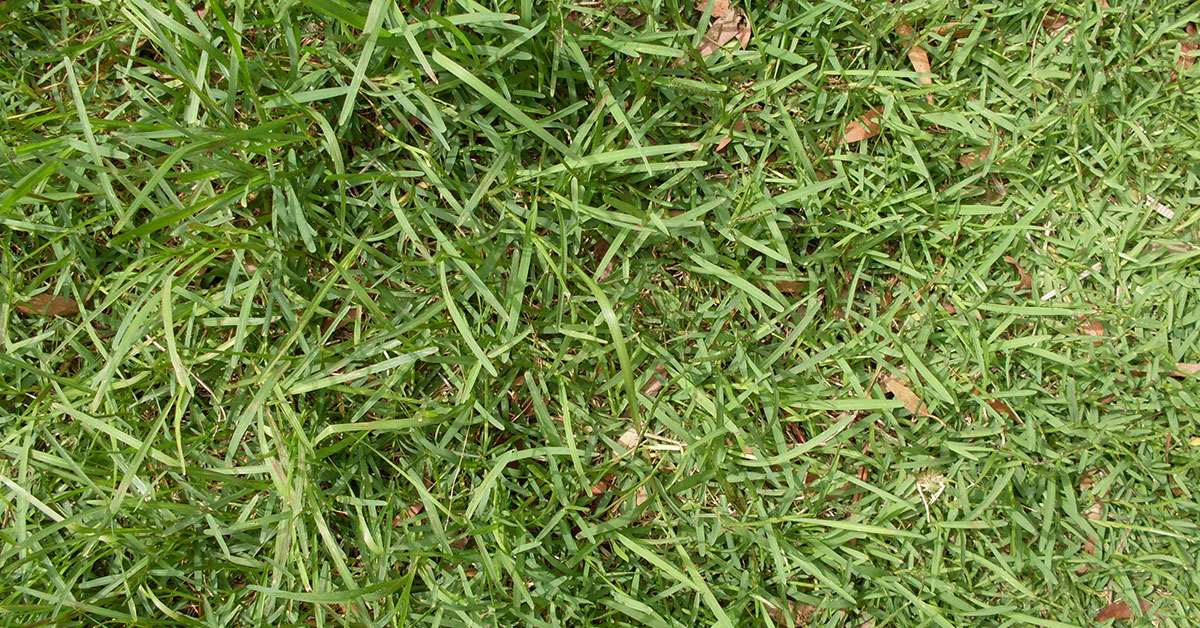

Carpet grass, also known as Bahia grass or buffalo grass, is a common type of turfgrass that is often used for lawns due to its hardiness and ability to withstand drought and foot traffic. However, there may come a time when you no longer want or need this type of grass in your yard. Whether you’re looking to replace it with a different type of grass or want to create a new landscaping design, if you want to get rid of carpet grass, it requires careful planning and execution. In this article, we will provide you with a step-by-step guide on how to effectively remove carpet grass from your lawn, ensuring a smooth transition to your desired landscaping vision.
How to get rid of carpet grass
To get rid of carpet grass, you can follow these steps:
- Identify the area where the carpet grass is growing. Ensure that you’re targeting the correct grass and not any desirable lawn grass.
- Mow the grass as short as possible to make it easier to work with.
- Use a rake or a garden hoe to loosen the top layer of soil in the affected area. This will help expose the roots of the grass.
- Apply a selective herbicide specifically designed to target carpet grass. Follow the instructions on the herbicide label for proper application and safety precautions. Make sure the herbicide is safe for use on your lawn grass.
- After applying the herbicide, water the area lightly to help activate the product. Avoid overwatering, as it may dilute the herbicide’s effectiveness.
- Monitor the treated area closely over the next few weeks. The carpet grass should start to turn yellow and die off. If needed, reapply the herbicide according to the instructions.
- Once the carpet grass has died, you can either remove it manually by hand-pulling or use a rake to remove the dead grass. Be careful not to disturb the surrounding lawn grass.
- After removing the dead carpet grass, fill in any gaps with topsoil and reseed or re-sod the area to promote the growth of your desired lawn grass.
Remember to always read and follow the instructions on any herbicides or products you use and take necessary safety precautions.
Why get rid of carpet grass?
There can be several reasons why someone may want to get rid of carpet grass:
- Appearance: Carpet grass is a type of low-growing, coarse grass that may not be visually appealing to some people. If you prefer a different type of grass or a more uniform lawn, removing carpet grass can help achieve the desired aesthetic.
- Maintenance: Carpet grass tends to grow quickly and can require frequent mowing and trimming to keep it in check. If you’re looking for a low-maintenance lawn, removing carpet grass can reduce the amount of time and effort needed for its upkeep.
- Weed control: Carpet grass can sometimes become invasive and take over other desirable grass species or plants in your lawn. If you want to prevent it from spreading and competing with other vegetation, removing it is necessary.
- Disease or pest issues: Carpet grass may be more susceptible to certain diseases or pests compared to other grass varieties. If your lawn is consistently plagued by such problems and removing carpet grass can help mitigate them, it may be a good option.
Remember to always consider the environmental impact and follow local regulations when using herbicides or replanting your lawn.
Problems with getting rid of carpet grass
There are a few potential problems that you might encounter when trying to get rid of carpet grass:
- Invasive nature: Carpet grass is known for its invasive and aggressive growth pattern. Its rhizomatous nature allows it to spread quickly and establish itself in various areas, making it difficult to completely eradicate.
- Resilience: Carpet grass is known for its resilience and ability to survive in different environmental conditions, such as drought or shade. This can make it challenging to completely eliminate, as it can bounce back and regrow even after attempts to remove it.
- Persistence: Removing carpet grass requires persistence and consistency. It might take multiple attempts and a combination of methods to effectively eradicate it. If not properly addressed, even small sections left behind can regrow and spread.
- Damage to surrounding plants: Carpet grass can potentially harm or overtake surrounding plants or desired grass species if not carefully targeted during removal. It is crucial to use selective methods to minimize damage to nearby vegetation.
- Herbicide limitations: While herbicides can be effective in controlling carpet grass, some herbicides may not be safe for use in certain areas or around certain plants. It is essential to carefully read and follow the instructions on herbicide labels and consider the potential impact on the environment.
- Reestablishment from seeds: Carpet grass can produce seeds that can remain dormant in the soil for an extended period. If not adequately addressed, these seeds can germinate and lead to the regrowth of carpet grass even after initial removal attempts.
To effectively get rid of carpet grass, it is recommended to combine various methods such as manual removal, mowing, herbicide application, and prevention measures to minimize the potential problems mentioned above.
Other considerations
When considering how to get rid of carpet grass, there are several factors to take into consideration:
- Identify the type of carpet grass: Carpet grass is a warm-season grass commonly found in tropical and subtropical regions. It is important to correctly identify the type of grass you are dealing with, as different methods may be more effective for different grass species.
- Evaluate the extent of infestation: Determine the size and severity of the carpet grass infestation. If it is a small patch, manual removal may be sufficient. However, if the infestation is widespread, more aggressive methods may be necessary.
- Climate and growing conditions: Consider the climate and growing conditions in your area. Carpet grass thrives in warm and humid environments. Understanding the specific conditions that favor its growth can help you implement appropriate control measures.
- Environmental impact: Consider the potential environmental impact of the removal method you choose. Some chemical herbicides can harm other plants, animals, or water sources. If you prefer an environmentally friendly approach, explore organic or non-toxic alternatives.
- Budget and resources: Take into account your budget and available resources. Some removal methods may require specialized equipment or professional help, which may incur additional costs. Evaluate the feasibility of different options based on your financial capabilities.
- Time and effort: Removing carpet grass can be a time-consuming and labor-intensive process. Consider the amount of time and effort you are willing to invest in the removal process. Some methods may require repeated applications or ongoing maintenance to achieve desired results.
- Replanting or alternative ground cover: Decide what you plan to do with the area after removing the carpet grass. Will you replant with a different type of grass or opt for an alternative ground cover? Consider the maintenance requirements and suitability of alternative options.
- Prevention and long-term management: Developing a plan for prevention and long-term management is crucial to avoid future carpet grass infestations. Implementing proper lawn care practices, such as mowing, watering, and fertilizing correctly, can help maintain a healthy lawn and prevent the reestablishment of carpet grass.
It is recommended to consult with a local gardening expert or extension service to get specific advice tailored to your region and circumstances.