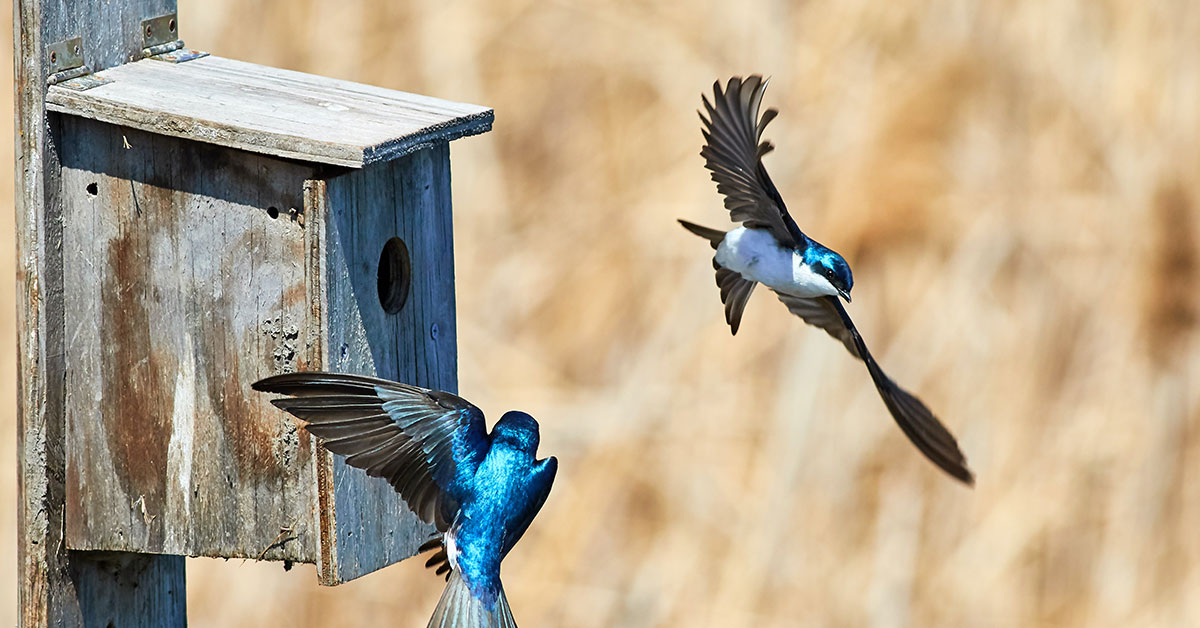

Birds are a delightful part of nature, adding beauty and charm to our surroundings with their melodious songs and graceful flight. However, there are times when their presence in certain areas, particularly trees, can become a nuisance or even a hazard. Whether it’s their constant chirping disturbing your peace or their droppings causing damage to property, finding effective methods to get rid of birds in trees is essential.
In this article, we will explore a range of humane and practical strategies that can help you deter birds from nesting or roosting in trees, ensuring a harmonious coexistence while maintaining the integrity of your environment. From natural deterrents and visual deterrents to sound devices and professional assistance, we will provide you with valuable insights and solutions to address your bird-related concerns.
Should you try to get rid of birds in your trees?
It is generally not advisable to try to get rid of birds in your trees, especially if they are native, wild birds. Birds play a crucial role in maintaining ecological balance and offer numerous benefits to both the environment and humans. Here are some reasons why trying to eliminate birds from your trees is not recommended, and why they are not bad to have around:
- Natural Pest Control: Many bird species, such as insectivorous birds like swallows and warblers, help control insect populations by consuming large numbers of pests like mosquitoes, aphids, and caterpillars. Having birds in your trees can significantly reduce the need for harmful chemical pesticides.
- Pollination: Some bird species, like hummingbirds, are important pollinators for various plants, including certain tree species. Their feeding behavior helps plants reproduce and maintain genetic diversity.
- Seed Dispersal: Birds play a vital role in seed dispersal. They eat fruits and berries from trees and then spread the seeds to other locations through their droppings. This process contributes to forest regeneration and the maintenance of biodiversity.
- Aesthetics and Enjoyment: Birds add beauty and vitality to your surroundings. Watching and listening to birds in your trees can be a source of relaxation, enjoyment, and a deeper connection with nature.
- Cultural and Symbolic Significance: Birds have been a part of human culture and folklore for centuries, often symbolizing various virtues and emotions. They hold cultural and symbolic significance in many societies around the world.
- Conservation: Encouraging birds to inhabit your trees supports local biodiversity and contributes to broader conservation efforts. Creating bird-friendly habitats can be an essential step in preserving declining bird populations.
Instead of trying to remove birds from your trees, consider coexisting with them harmoniously. You can create a bird-friendly environment by providing food, water, and nesting sites. Bird feeders, bird baths, and native plantings can attract and support a diverse array of bird species. If you encounter specific issues with birds, such as nesting in inconvenient locations, consult with local bird experts or wildlife organizations for humane and effective solutions.
By embracing the presence of birds in your trees, you contribute to a healthier ecosystem, support wildlife conservation, and gain the joy of witnessing these beautiful creatures in their natural habitat.
How to get rid of birds in trees
There are a few methods you can try to discourage birds from nesting in trees:
- Visual deterrents: Hang reflective objects such as CDs, aluminum foil strips, or scare balloons in the tree. The movement and reflection may deter birds from landing or nesting.
- Auditory deterrents: Use noise-making devices like wind chimes, bells, or even a strategically placed radio to create sounds that birds find unpleasant or threatening.
- Predator decoys: Place a fake predator like an owl or a hawk near the tree. Birds may perceive it as a threat and avoid the area.
- Netting: If specific trees are causing a significant issue, you can consider using netting to cover the affected areas. Ensure the netting is set up correctly to prevent birds from accessing the tree.
- Pruning and trimming: Trim the branches of the tree to reduce the available nesting space for birds. Be sure to check local regulations before pruning to avoid any harm to the birds or their nests.
- Remove food sources: Birds are attracted to trees if they find a consistent food supply nearby. Ensure any bird feeders, pet food, or other food sources are not located too close to the tree.
Remember, it is important to be mindful of local regulations and ethical considerations when dealing with birds.
Problems with getting rid of birds in trees
There are several potential problems with trying to get rid of birds in trees. Some of them include:
- Legal restrictions: Depending on the jurisdiction and the bird species involved, there may be legal restrictions on removing or harming birds. It is important to familiarize yourself with local laws and regulations before attempting any bird removal methods.
- Harm to birds: Using certain methods to get rid of birds in trees, such as trapping or poisoning, can cause harm or even death to the birds. It is important to prioritize humane methods that do not cause unnecessary suffering.
- Disruption of ecosystems: Birds play important roles in ecosystems, such as pollination, seed dispersal, and insect control. Removing them from trees can disrupt these ecosystem functions and have unintended consequences.
- Temporary solutions: Birds are highly adaptable creatures, and removing them from trees in one area may simply cause them to relocate to nearby trees or structures. This can result in a never-ending cycle of bird removal attempts.
- Attracting other pests: If birds are present in trees due to the availability of food sources, removing them without addressing the underlying cause may simply attract other pests, such as insects or rodents.
- Damage to property: Some bird species, such as woodpeckers, can cause damage to trees, buildings, or other structures. Removing the birds without addressing the underlying cause of their presence may not solve the problem completely.
It is important to consider these potential problems and seek professional advice from wildlife control experts or local authorities to ensure a safe and effective approach to dealing with birds in trees.
Other considerations
When considering how to get rid of birds in trees, it’s important to keep in mind the following considerations:
- Legal regulations: Before taking any action, check if there are any legal regulations or permits required for bird control in your area. Many bird species are protected by law, so it’s essential to comply with any regulations.
- Environmental impact: Consider the potential environmental impact of your chosen bird control method. Avoid using harmful chemicals or methods that may harm birds or other wildlife, as well as the overall ecosystem.
- Human safety: Ensure that the chosen method does not pose any risks to human safety. For example, using loud noises or projectiles may startle or endanger people nearby. Safety should always be a top priority.
- Ethical considerations: Take into account the ethical implications of bird control. Birds are an important part of the natural world, and it’s vital to consider humane methods that do not cause unnecessary harm or distress to the birds.
- Effectiveness: Evaluate the effectiveness of different methods. Some techniques, such as scare devices or repellents, may only provide temporary relief, while others, like habitat modification, can offer more long-term solutions.
- Cost: Consider the cost associated with different bird control methods. Some options, like installing physical barriers or employing professional bird control services, may require a financial investment.
- Maintenance: Take into account the ongoing maintenance required for certain methods. For instance, if you choose to install netting or spikes, regular inspections and upkeep will be necessary to ensure their effectiveness.
Remember, it’s always advisable to consult with bird control professionals or wildlife experts to find the most suitable and sustainable solution for your specific situation.