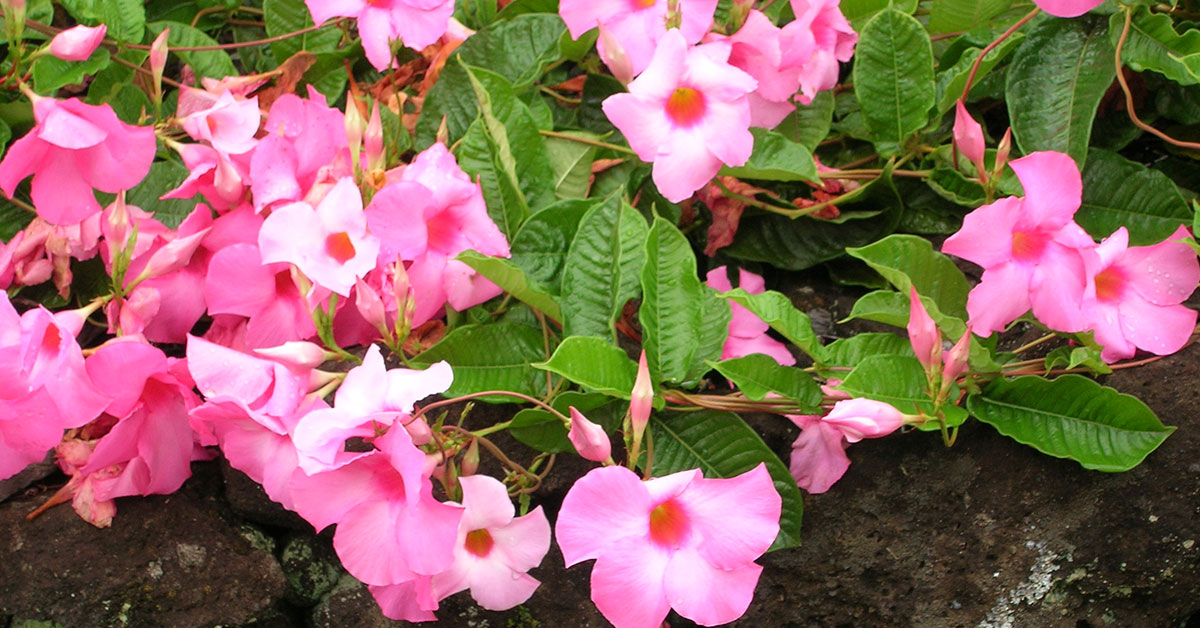

Are you tired of your mandevilla plant not blooming as beautifully as you had hoped? Mandevilla, with its vibrant and showy flowers, is a popular choice for many garden enthusiasts. However, getting this tropical vine to bloom can sometimes be a challenge. Don’t worry, though, because in this article, we will explore the various factors that can get your mandevilla to bloom and provide you with practical tips and techniques to encourage abundant and stunning blooms.
From proper sunlight and watering to fertilization and pruning, we will guide you step-by-step on how to transform your mandevilla into a blooming masterpiece. So, let’s get started and unlock the secrets to a thriving mandevilla plant that bursts with colorful flowers all season long.
How to get a mandevilla to bloom
To encourage mandevilla to bloom, you can follow these tips:
- Provide proper sunlight: Mandevilla thrives in bright, indirect sunlight. Place the plant in a location that receives at least 6-8 hours of sunlight each day.
- Ensure proper temperature: Mandevilla prefers warm temperatures between 65-80°F (18-27°C). Avoid exposing the plant to cold drafts or temperatures below 50°F (10°C).
- Water appropriately: Keep the soil consistently moist, but not waterlogged. Water the plant when the top inch of soil feels dry. Avoid overwatering or allowing the plant to sit in standing water, as it can lead to root rot.
- Fertilize regularly: Use a balanced, water-soluble fertilizer for blooming plants every 2-4 weeks during the growing season (spring to fall). Follow the package instructions for the correct dosage. Avoid fertilizing during the dormant winter period.
- Prune and pinch back: Regularly prune mandevilla to encourage branching and more blooms. Pinch back the growing tips to encourage bushier growth. Pruning can be done in early spring before new growth appears.
- Provide support: Mandevilla is a vine that benefits from support. Use a trellis, stake, or other support structure to help the plant climb and spread. This will also encourage more blooms.
- Protect from pests: Monitor the plant for common pests like aphids, mealybugs, and spider mites. If detected, treat the infestation promptly with insecticidal soap or neem oil according to the product instructions.
- Overwintering: Mandevilla is not cold-hardy, so if you live in a region with freezing temperatures, you’ll need to bring the plant indoors for winter. Place it in a bright, cool location (around 50-60°F or 10-15°C) and reduce watering until new growth appears in spring.
By following these guidelines, you can help your mandevilla thrive and encourage it to produce abundant blooms.
Problems with getting a mandevilla to bloom
There can be several potential problems with getting a mandevilla plant to bloom. Here are a few:
- Insufficient sunlight: Mandevilla plants require plenty of direct sunlight to bloom. If they are not getting enough sunlight, they may not produce flowers or the flowering may be limited.
- Improper watering: Overwatering or underwatering can both hinder blooming in mandevilla plants. It is essential to provide the right amount of water, allowing the soil to dry slightly between waterings.
- Nutrient deficiencies: Lack of essential nutrients, particularly phosphorus, can affect the plant’s ability to bloom. Using a balanced fertilizer with higher phosphorus content can help promote blooming.
- Incorrect temperature and humidity: Mandevilla plants thrive in warm temperatures and high humidity. If the temperature is too cool or the humidity is too low, the plant may not bloom as expected.
- Pests or diseases: Infestations from pests like aphids, mealybugs, or spider mites, as well as diseases like powdery mildew, can stress the plant and prevent blooming. Regular inspection and appropriate pest control measures are necessary.
- Improper pruning: Pruning mandevilla plants at the wrong time or in the wrong way can remove potential flower buds. It is important to understand the plant’s growth cycle and prune accordingly.
- Lack of maturity: Young mandevilla plants may take some time to establish and reach maturity before they start blooming. Patience is needed when growing mandevilla from seeds or young plants.
By addressing these potential problems, you can increase the chances of getting your mandevilla plant to bloom successfully.
Other considerations
When trying to get mandevilla to bloom, there are several other considerations to keep in mind:
- Light: Mandevilla plants require at least 6-8 hours of direct sunlight each day. Make sure to place them in a location where they can receive adequate sunlight.
- Temperature: Mandevilla plants thrive in warm temperatures, ideally between 70-90°F (21-32°C). Avoid exposing them to extreme cold or frost, as it can damage the plant.
- Watering: Proper watering is essential for mandevilla plants. They prefer consistently moist but not waterlogged soil. Water the plant thoroughly when the top inch of the soil feels dry, but be careful not to overwater, as it can lead to root rot.
- Fertilizer: Regular fertilization is important for mandevilla plants to promote blooming. Use a balanced, water-soluble fertilizer formulated for flowering plants. Follow the instructions on the fertilizer packaging for application rates and frequency.
- Pruning: Pruning mandevilla plants can help promote bushier growth and more blooms. Trim back any leggy or overgrown stems, and remove spent flowers to encourage new blooms to form.
- Support: Mandevilla plants are climbers and will benefit from some form of support, such as a trellis or stake. Providing support will help the plant grow upright and allow it to produce more blooms.
- Pests and diseases: Keep an eye out for common pests like aphids, whiteflies, and spider mites, which can infest mandevilla plants. Treat any pest infestations promptly to prevent damage to the plant. Also, watch for signs of diseases such as powdery mildew or root rot, and take appropriate measures to control them.
By considering these factors and providing proper care, you can increase the chances of getting your mandevilla plant to bloom beautifully.