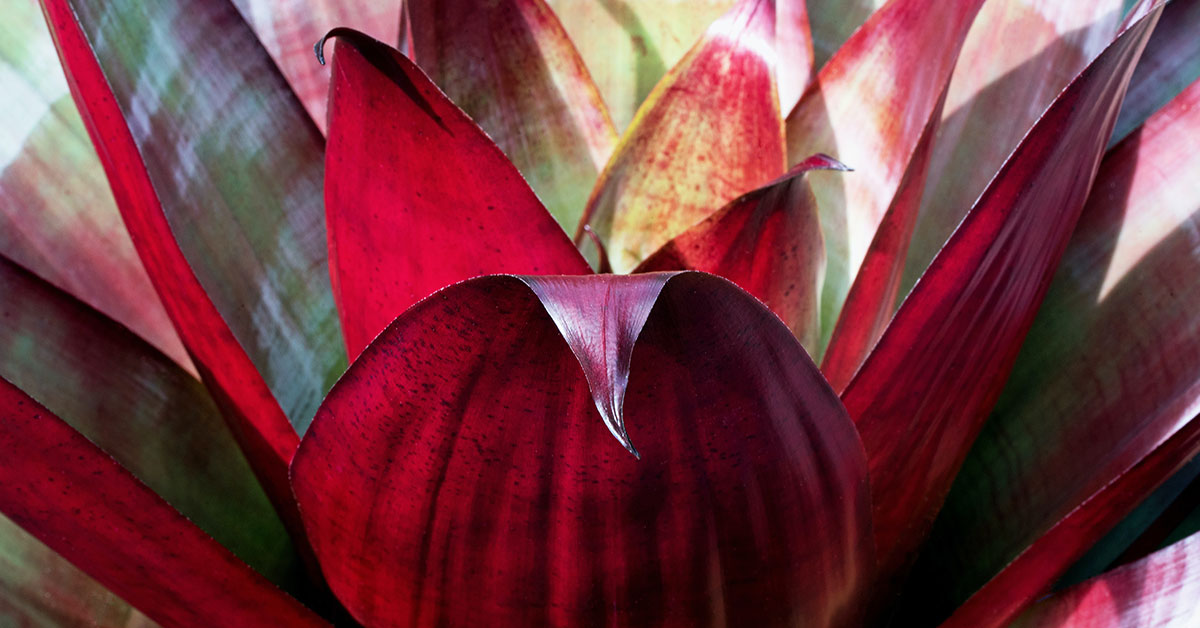

Are you a plant enthusiast who has been eagerly waiting for your bromeliad to bloom? Look no further, as we have the ultimate guide to help you achieve that vibrant burst of color and beauty in your bromeliad. Bromeliads are known for their stunning foliage, but their vibrant and long-lasting flowers are what make them truly captivating. While getting a bromeliad to bloom may seem like a challenging task, with the right care and understanding of their unique growth patterns, you can encourage your bromeliad to produce those exquisite blooms that will brighten up any space. In this article, we will explore the various factors that contribute to bromeliad blooming, from providing the ideal environment to implementing proper care techniques, ensuring that your bromeliad thrives and showcases its full potential.
How to get a bromeliad to bloom
To encourage a bromeliad to bloom, follow these tips:
- Provide the right amount of light: Bromeliads prefer bright, indirect light. Place them near a window with filtered sunlight or in a well-lit room. Avoid direct sunlight, as it can scorch the leaves.
- Maintain proper temperature and humidity: Bromeliads thrive in temperatures between 55°F (13°C) and 80°F (27°C). They also prefer high humidity levels, around 50-60%. You can increase humidity by placing the plant on a tray filled with water and pebbles or using a humidifier.
- Water correctly: Bromeliads have a unique water requirement. Fill the central cup (also known as the tank) at the base of the leaves with water. Keep the cup about one-third full at all times and refresh the water regularly to prevent stagnation. Water the soil lightly, but avoid overwatering, as it can cause root rot.
- Fertilize appropriately: Bromeliads have low nutrient requirements. Use a balanced, water-soluble fertilizer diluted to half-strength. Apply the fertilizer to the central cup or directly to the soil once a month during the growing season (spring to summer).
- Maintain proper air circulation: Good air circulation is crucial for bromeliads. Ensure there is enough space between plants and avoid crowding them. This will help prevent the development of fungal diseases.
- Allow for a resting period: Bromeliads need a resting period of about 6-8 weeks to initiate blooming. During this time, reduce watering and lower the temperature slightly to simulate their natural conditions.
- Be patient: Bromeliads are slow growers, and it may take some time for them to bloom. Some varieties may take several years to reach maturity and produce flowers. Continue providing the right care, and eventually, your bromeliad should reward you with beautiful blooms.
Remember that different bromeliad species have specific care requirements, so it’s essential to identify the exact type of bromeliad you have and tailor your care accordingly.
Why get a bromeliad to bloom?
There are several reasons why one may want to encourage a bromeliad to bloom:
- Aesthetics: Bromeliad flowers are incredibly beautiful and come in a variety of colors, shapes, and sizes. They can add a touch of elegance and vibrancy to any indoor or outdoor space.
- Decorative purposes: Bromeliad flowers make stunning centerpieces or focal points in arrangements. They can enhance the overall ambiance and visual appeal of a room or garden.
- Natural life cycle: Bromeliads are known for their unique life cycle, where they produce a single flower spike before eventually dying. Encouraging blooming allows the plant to complete its natural life cycle, providing a sense of fulfillment and closure.
- Rewarding experience: Successfully getting a bromeliad to bloom can be a rewarding and satisfying experience for plant enthusiasts. It requires patience, care, and attention to detail, making the blooming process a rewarding accomplishment.
- Educational value: Observing a bromeliad’s blooming process can be an educational opportunity to learn about plant physiology and reproductive mechanisms. It can deepen your understanding of how plants grow and develop.
- Attracts pollinators: Bromeliad flowers are often designed to attract specific pollinators, such as hummingbirds or insects. Encouraging blooming can create a habitat for these pollinators, contributing to biodiversity and ecological balance.
Remember that bromeliads typically bloom once in their lifetime, and the process can take several months or even years. Providing the appropriate care, including proper light, temperature, humidity, and fertilization, can significantly increase the chances of blooming.
Problems with getting a bromeliad to bloom
There are several potential problems that may prevent a bromeliad from blooming. Here are a few common ones:
- Insufficient light: Bromeliads require bright, indirect light to bloom. If they are not receiving enough light, they may not produce flowers. Ensure that your bromeliad is placed in a location with adequate light exposure.
- Improper watering: Overwatering or underwatering can both hinder blooming. Bromeliads prefer to be kept slightly moist but not overly wet. It is important to maintain a proper watering schedule and avoid waterlogged conditions, as this can lead to root rot and prevent blooming.
- Lack of humidity: Bromeliads are tropical plants that thrive in humid environments. If the air is too dry, it can affect their ability to bloom. Increase humidity around the plant by misting it regularly or placing it on a tray filled with water and pebbles.
- Improper temperature: Bromeliads have specific temperature requirements to bloom. They prefer temperatures between 60-80°F (15-27°C) during the day and slightly cooler temperatures at night. Extreme temperature fluctuations or exposure to temperatures outside their preferred range can inhibit blooming.
- Nutritional deficiencies: Bromeliads require certain nutrients to produce flowers. Lack of essential nutrients, particularly phosphorus, can impact their blooming ability. Ensure that you are providing a balanced fertilizer formulated for bromeliads to ensure they receive the necessary nutrients.
- Age of the plant: Bromeliads typically bloom once in their lifetime. Some varieties may take several years to mature and produce flowers. If your bromeliad is still young, it may simply need more time to reach maturity and bloom.
- Ethylene exposure: Bromeliads are sensitive to ethylene gas, which is emitted by ripening fruits, decaying vegetation, and certain household products. Exposure to ethylene can inhibit blooming or cause premature flower drop. Keep your bromeliad away from ethylene-producing sources.
Overall, it is important to create favorable conditions, including proper light, watering, humidity, temperature, and nutrition, to encourage a bromeliad to bloom successfully.
Other considerations
When trying to get a bromeliad to bloom, there are several other considerations to keep in mind. Here are some important factors:
- Light: Bromeliads generally prefer bright, indirect light. Place them near a window with filtered sunlight or provide them with artificial grow lights if needed. Avoid placing them in direct sunlight, as it can scorch their leaves.
- Temperature: Bromeliads thrive in temperatures between 60°F and 80°F (15°C to 27°C). Avoid exposing them to extreme temperature fluctuations or drafts, as it can hinder blooming.
- Humidity: Bromeliads are tropical plants and appreciate higher humidity levels. You can increase humidity by misting the leaves regularly or placing a tray with water near the plant. Avoid misting the center cup, as it may cause rotting.
- Watering: Water bromeliads thoroughly but allow the soil to dry out slightly between waterings. It’s important not to overwater, as it can lead to root rot. Use non-chlorinated or filtered water, as bromeliads are sensitive to chemicals.
- Fertilization: Feed your bromeliad with a balanced, water-soluble fertilizer specifically formulated for bromeliads. Follow the instructions on the fertilizer package and avoid overfertilization, as it may harm the plant.
- Potting medium: Bromeliads prefer well-draining potting mixtures. Use a mix that consists of bark, sphagnum moss, or a combination of these materials. Avoid heavy, compacted soils that can retain water and cause root rot.
- Ethylene exposure: Bromeliads are sensitive to ethylene gas, which is released by ripening fruits. Keep your bromeliad away from ripening fruits or other ethylene-producing sources, as it can inhibit blooming.
- Rest period: Some bromeliads require a rest period before they can bloom again. During this time, reduce watering and fertilizer application slightly. Allow the plant to rest for a few weeks or as recommended for the specific bromeliad variety.
Remember that not all bromeliads bloom at the same time or under the same conditions. Some bromeliads are naturally slow bloomers or may only bloom once in their lifetime. Patience and proper care are key when encouraging your bromeliad to bloom.