
As gardeners, we pour our hearts into our gardens all season long, so it’s only natural to want to extend that growing season as much as possible. I know how frustrating it can be when an early frost threatens to cut your harvest short or when you’re trying to get a head start in the spring but the weather just won’t cooperate. That’s where row covers come in—they’re a simple yet incredibly effective tool that can help you protect your plants from the elements and keep your garden productive for longer. Let’s dive into the world of row covers and discover how they can be a game-changer for your garden.
Row covers are essentially lightweight fabrics that you can place over your plants to create a microclimate that’s a few degrees warmer than the surrounding air. They offer protection from frost, wind, and pests, allowing you to start your garden earlier in the spring and extend your harvest well into the fall. Whether you’re growing tender vegetables or hardy greens, row covers can make a big difference in the health and productivity of your garden. And the best part? They’re easy to use and incredibly versatile, making them a must-have for gardeners of all levels.
Types of Row Covers
When it comes to row covers, there are several types to choose from, each with its own benefits and uses. The most common types are lightweight floating row covers, medium-weight covers, and heavyweight covers. Lightweight floating row covers are made of thin, breathable fabric that allows sunlight, air, and water to pass through while providing protection from pests and light frost. These are perfect for extending the growing season in the spring and fall, as they provide just enough warmth to protect your plants without overheating them. I love using these covers for my early spring greens—they keep the tender leaves safe from cold snaps and pests while still allowing them to thrive.
Medium-weight and heavyweight row covers offer more frost protection, making them ideal for use in late fall or even winter in milder climates. These covers are thicker and can raise the temperature around your plants by several degrees, which can make a big difference when the weather turns chilly. However, they do block more light, so they’re best used for short periods or with cold-hardy crops that don’t require as much sunlight. One of my favorite uses for heavyweight covers is protecting my root vegetables like carrots and beets in the fall—these covers allow me to keep harvesting well into the colder months.
Setting Up Row Covers

Setting up row covers is surprisingly easy and doesn’t require any special tools or materials. To get started, you’ll need some hoops or supports to hold the fabric above your plants, as well as the row cover material itself. You can use wire, PVC pipe, or even flexible branches to create the hoops, spacing them about 3 to 4 feet apart along the length of your garden bed. Once the hoops are in place, simply drape the row cover over them, making sure the fabric is loose enough to allow for plant growth but snug enough to keep out pests and retain warmth. I always anchor the edges of the cover with soil, rocks, or garden staples to keep it secure, especially on windy days.
One of the great things about row covers is their flexibility—you can easily lift them to check on your plants, water, or harvest, and then put them back in place. For taller crops like tomatoes or peppers, you can use taller hoops or even construct a simple frame to support the cover. Just be sure to monitor the temperature under the cover, especially during warmer days, as it can get quite toasty underneath. I’ve found that a little bit of trial and error is all it takes to find the perfect setup for your garden, and once you do, the benefits are well worth the effort!
Protecting Plants from Frost
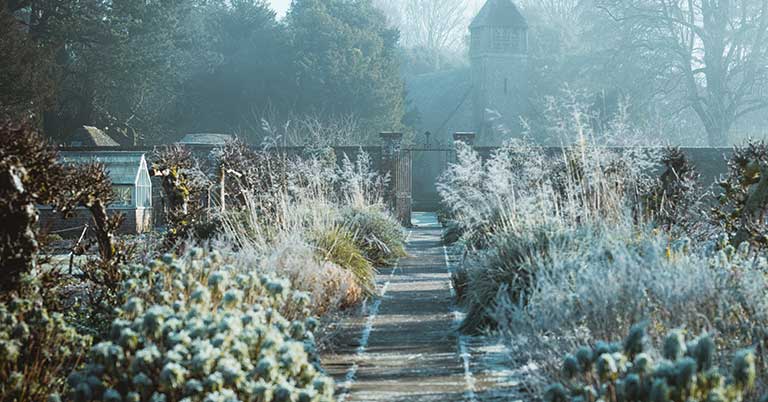
One of the most common uses for row covers is protecting plants from frost, and they do this job exceptionally well. By creating a microclimate that’s a few degrees warmer than the surrounding air, row covers can keep your plants safe from those early and late-season frosts that can damage or kill tender crops. I’ve used row covers to protect everything from lettuce and spinach to more delicate plants like peppers and tomatoes, allowing me to extend my growing season by several weeks on either end.
To get the best frost protection from your row covers, it’s important to use the right type of cover for the conditions. Lightweight covers are great for light frosts, while medium-weight and heavyweight covers are better for heavier frosts or when you need to leave the covers on for longer periods. I’ve found that covering my plants in the late afternoon and removing the covers in the morning, once the frost has melted, is the most effective way to protect them. And don’t forget that row covers can also protect your plants from cold winds, which can be just as damaging as frost itself!
Extending the Harvest with Row Covers
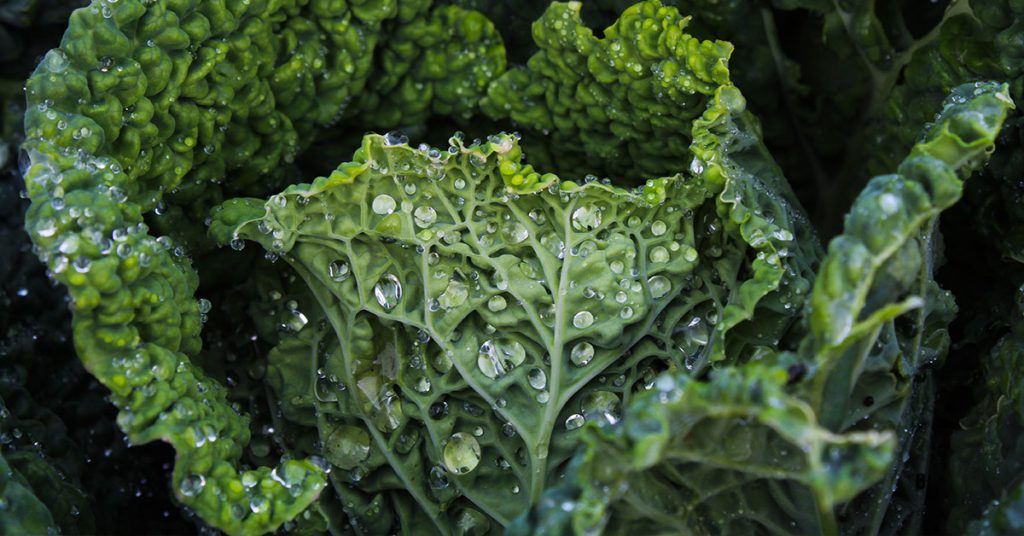
One of the biggest advantages of using row covers is their ability to extend your harvest well into the fall, and even into winter for some crops. By providing protection from frost and cold winds, row covers allow you to keep harvesting fresh vegetables long after most gardens have shut down for the season. I especially love using row covers to extend the harvest of cold-hardy crops like kale, spinach, and carrots—these plants thrive in cool weather, and with a little extra protection, they can keep producing for months.
To maximize your fall and winter harvest, it’s important to choose crops that are well-suited to cooler temperatures. Leafy greens, root vegetables, and brassicas are all great candidates for late-season growing, and they respond well to the protection that row covers provide. I like to plant these crops in late summer or early fall, then cover them with row covers as the weather starts to cool. With the right setup, I’ve been able to harvest fresh greens and roots well into December, even in a cold climate. There’s something incredibly satisfying about picking fresh, homegrown vegetables in the middle of winter, and row covers make it possible!
Using Row Covers for Pest Control

In addition to extending the growing season, row covers are also an excellent tool for keeping pests at bay. The fine mesh of most row covers is small enough to prevent insects like aphids, cabbage worms, and beetles from reaching your plants, while still allowing sunlight, air, and water to pass through. This makes row covers a great alternative to chemical pesticides, especially if you’re trying to grow your garden organically. I’ve used row covers to protect everything from brassicas to carrots, and the reduction in pest damage is noticeable.
To use row covers for pest control, it’s important to cover your plants as soon as you plant them, before pests have a chance to find them. Make sure the edges of the cover are securely anchored to prevent insects from sneaking in underneath. I’ve found that using row covers early in the season is particularly effective for preventing pest infestations before they start, giving my plants a healthy, pest-free environment to grow in. The best part is that once the plants are established and the weather cools down, you can often remove the covers and enjoy a pest-free garden for the rest of the season.
Choosing the Right Crops for Row Covers
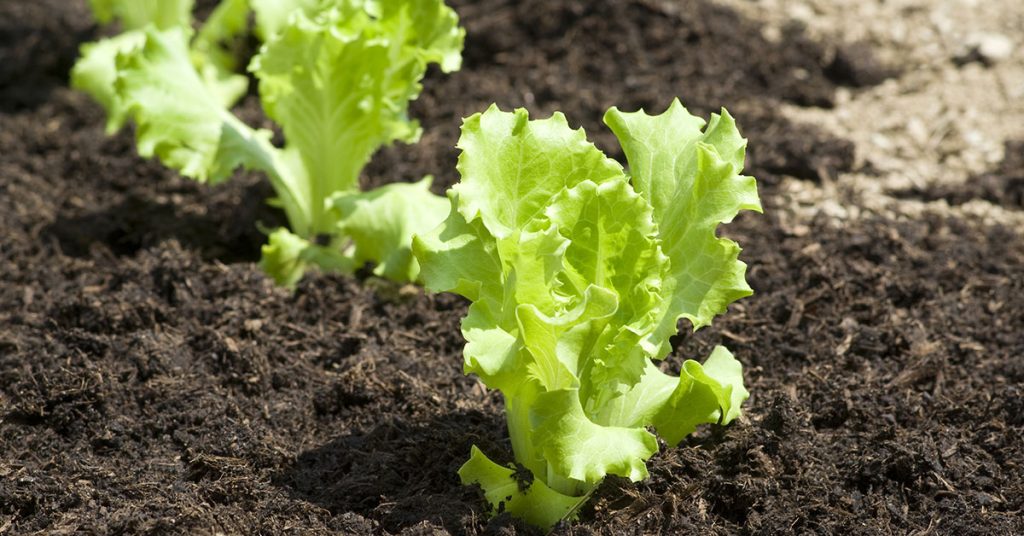
While row covers can benefit a wide range of crops, some plants are particularly well-suited to this type of protection. Cool-season vegetables like lettuce, spinach, kale, and radishes are ideal candidates for row covers, as they thrive in cooler temperatures and can be harvested well into the fall or even winter. I also love using row covers to protect tender crops like tomatoes, peppers, and cucumbers in the early spring, giving them a head start before the weather warms up.
It’s also important to consider the size and growth habits of your crops when choosing row covers. For example, low-growing crops like lettuce and spinach can be easily covered with a lightweight row cover, while taller plants like tomatoes and peppers may require a taller frame and a more durable cover. I always make sure to choose a cover that’s large enough to accommodate the plants as they grow, so I don’t have to disturb them by switching covers mid-season. With the right combination of crops and covers, you can create a garden that’s productive and protected from the first frost of spring to the last frost of fall.
Conclusion

Row covers are a versatile and effective tool for extending your growing season, protecting your plants from frost and pests, and maximizing your garden’s productivity. Whether you’re a seasoned gardener or just starting out, row covers can help you get the most out of your garden, allowing you to enjoy fresh, homegrown produce for longer. With a little bit of planning and the right setup, you’ll be amazed at how much more you can grow and harvest throughout the year.