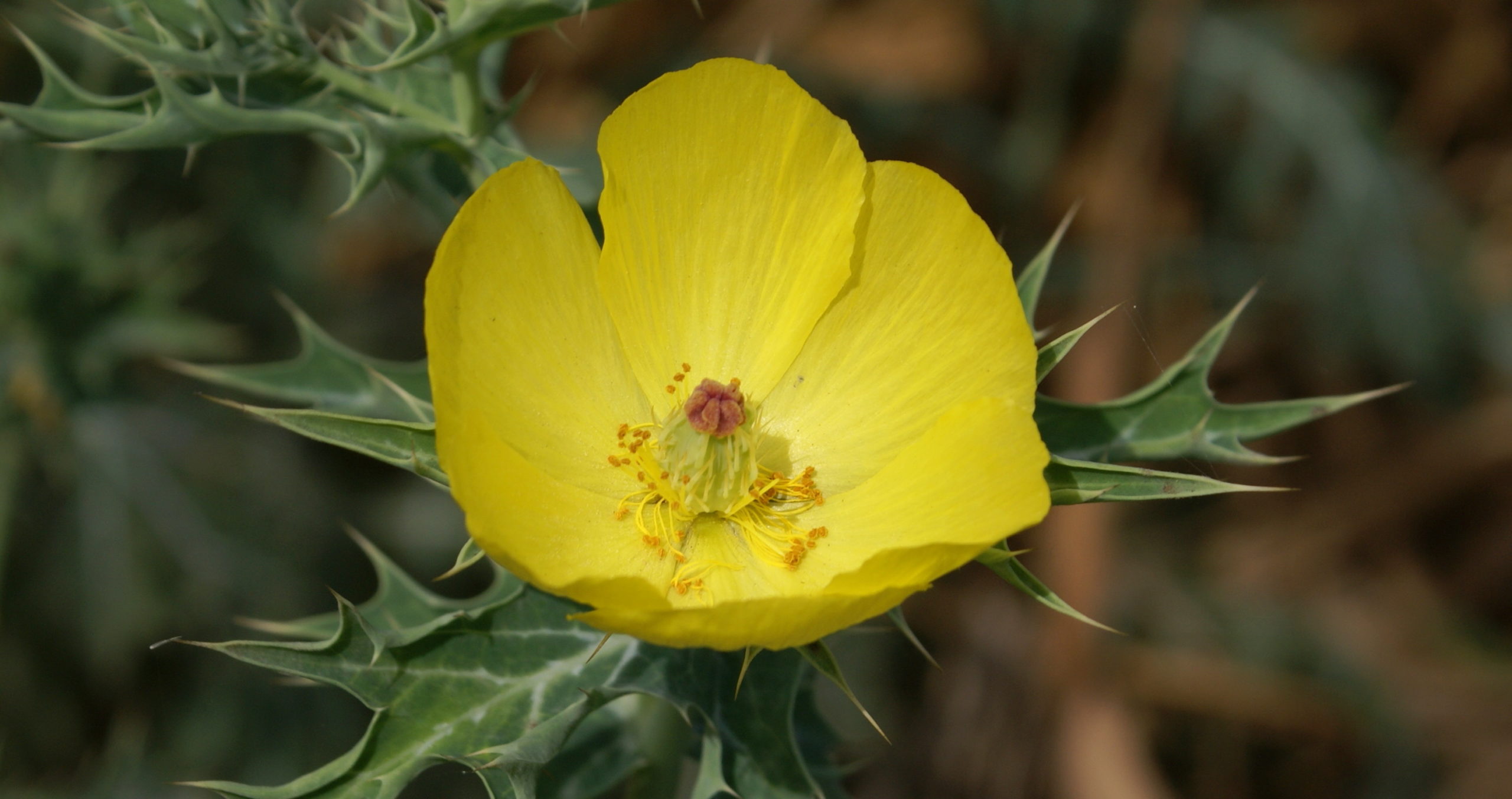

Summer flowers bring vibrant colors and lively energy to our gardens. However, their beauty is often fleeting, leaving us wishing for more time to enjoy their blossoms. As an enthusiastic gardener, I’ve discovered various strategies to extend the bloom season of summer flowers, allowing them to flourish longer and keep your garden looking stunning well into the season.
In this article, we’ll explore several techniques and tips to help you maximize the bloom time of your favorite summer flowers. By following these methods, you can enjoy a continuous display of color and vitality in your garden, making the most of your floral investments. Let’s dive into these expert tips and bring your garden to life for longer!
Deadheading
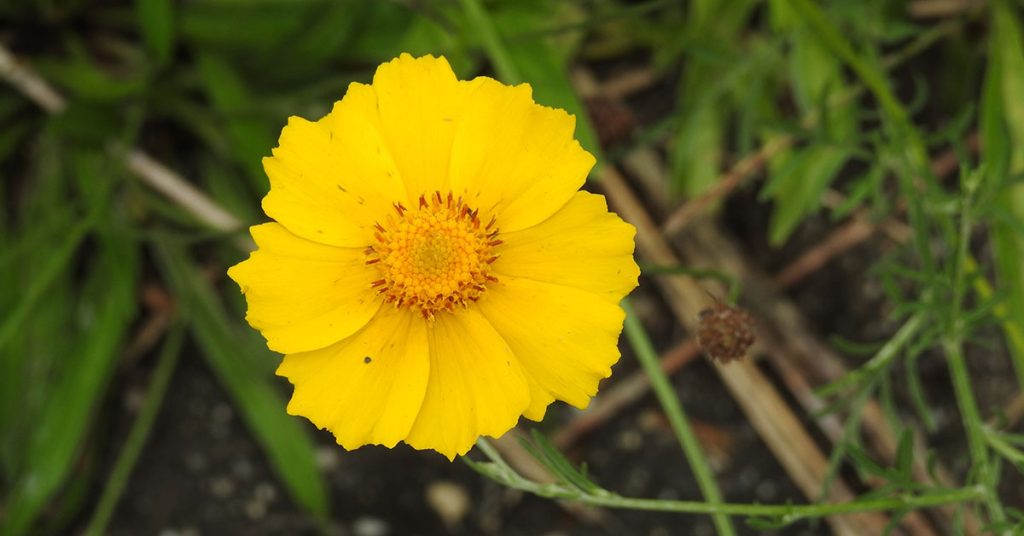
Deadheading is the process of removing spent flowers from your plants to encourage new blooms. This technique prevents the plant from setting seed, redirecting its energy into producing more flowers. For plants like petunias and marigolds, regular deadheading can significantly extend their bloom period.
To deadhead, simply pinch or snip off the faded flowers just above the next set of leaves or buds. Be sure to do this regularly, as allowing even a few flowers to go to seed can signal the plant to stop blooming. Deadheading not only promotes more blooms but also keeps your plants looking tidy and healthy.
Fertilizing
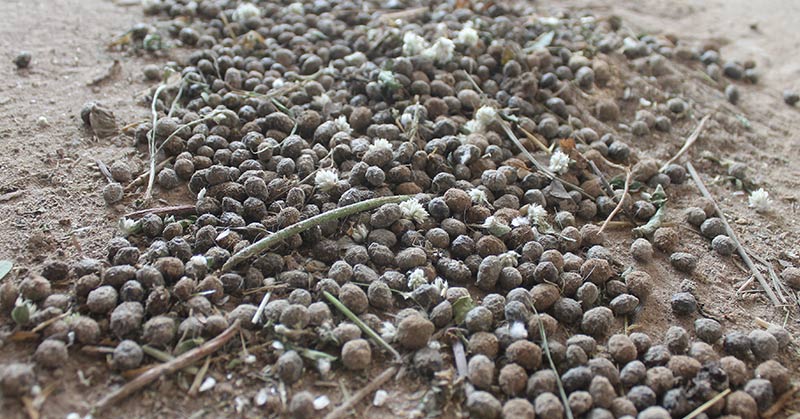
Providing your summer flowers with the right nutrients can greatly enhance their blooming potential. Use a balanced, slow-release fertilizer at the beginning of the growing season to give your plants a steady supply of nutrients. This helps maintain healthy growth and vibrant blooms.
In addition to slow-release fertilizers, consider using a water-soluble fertilizer every few weeks during the growing season. This can provide a quick nutrient boost, especially during periods of intense blooming. Be mindful not to over-fertilize, as this can lead to excessive foliage growth at the expense of flowers.
Watering
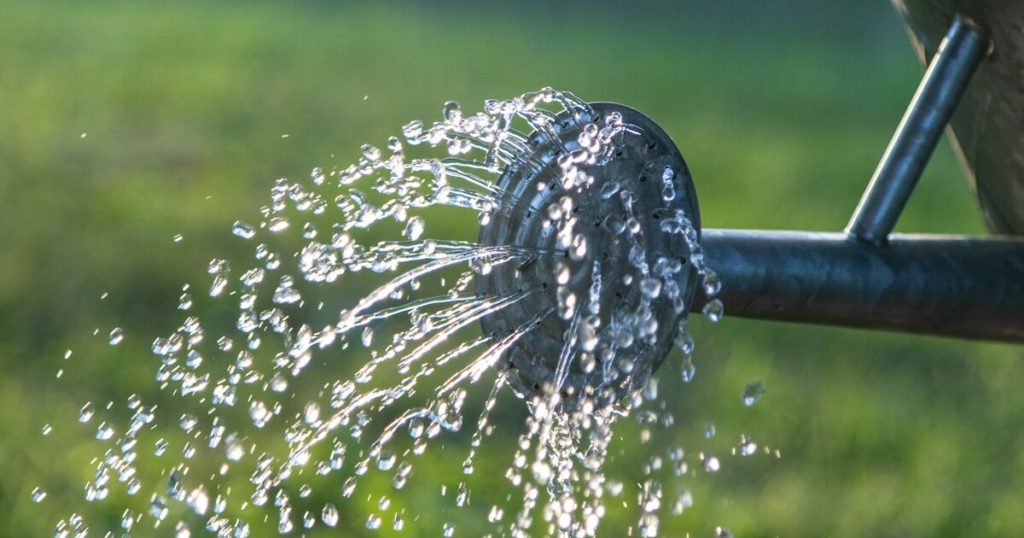
Consistent and adequate watering is crucial for maintaining the health and blooming potential of your summer flowers. Most summer flowers prefer deep, infrequent watering that encourages root growth rather than shallow, frequent watering. Aim to water early in the morning to reduce evaporation and prevent diseases caused by prolonged moisture on the leaves.
Mulching can help retain soil moisture and keep the roots cool. Organic mulches like straw, wood chips, or compost are excellent choices. They not only conserve moisture but also improve soil structure and fertility over time. Ensuring your flowers receive the right amount of water can lead to prolonged and more abundant blooms.
Pruning

Pruning helps manage the growth of your plants and can stimulate new flower production. For example, cutting back leggy growth in plants like zinnias and cosmos can encourage bushier growth and more blooms. Regularly inspect your plants and remove any dead, damaged, or diseased stems to maintain overall plant health.
Some plants, such as dahlias and chrysanthemums, benefit from pinching back the tips of the stems when they are young. This encourages the plant to produce more branches and, subsequently, more flowers. Pruning is an essential technique for promoting continuous blooming and keeping your garden looking its best.
Choosing the Right Varieties

Selecting flower varieties that are known for their long blooming periods is a smart strategy for extending the bloom season. Plants like daylilies, coneflowers, and black-eyed Susans are excellent choices because they naturally produce flowers over an extended period. Additionally, some modern hybrids have been specifically bred for extended blooming.
Researching and choosing the right varieties for your garden can save you time and effort in the long run. Consider your local climate and soil conditions when selecting plants, as well-adapted varieties will perform better and bloom longer in your garden.
Staggered Planting

Staggered planting involves sowing seeds or planting transplants at different times throughout the growing season. This technique ensures that you have a continuous succession of blooms as different plants reach their peak at various times. For example, planting sunflowers every two weeks from late spring to early summer can provide a steady display of flowers.
This method is particularly effective with annuals and certain perennials that can be started from seed multiple times in a season. Staggered planting not only extends the bloom period but also allows you to experiment with different plant combinations and succession planting techniques.
Companion Planting
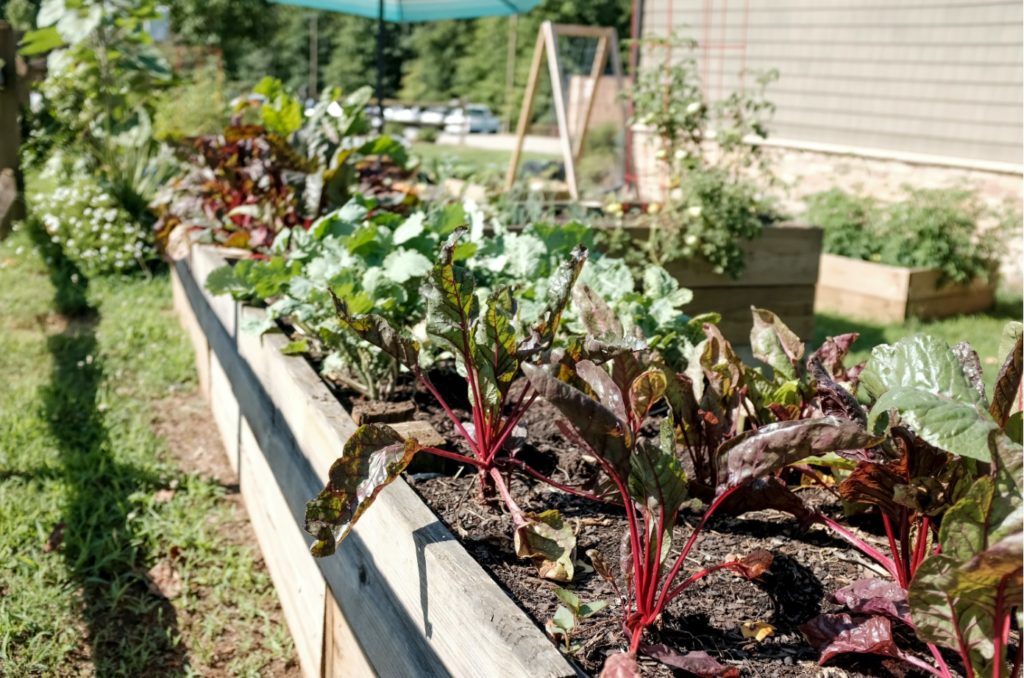
Companion planting can enhance the health and blooming potential of your summer flowers. By planting complementary species together, you can create a more balanced and supportive garden ecosystem. For instance, planting marigolds alongside tomatoes can deter pests and improve overall plant health.
Some plants also benefit from the shade and support provided by taller companions. For example, planting shade-loving flowers like impatiens beneath taller, sun-loving plants can create a more dynamic and longer-lasting display. Companion planting is a thoughtful way to extend bloom periods and promote garden health.
Pest and Disease Control

Keeping your summer flowers free from pests and diseases is crucial for maintaining their bloom periods. Regularly inspect your plants for signs of trouble, such as discolored leaves, holes in the foliage, or visible insects. Address issues promptly using organic or chemical controls as appropriate.
Practicing good garden hygiene, such as removing fallen leaves and debris, can also help prevent the spread of diseases. Rotating crops and providing adequate spacing between plants can reduce the risk of pest infestations and disease outbreaks. Healthy plants are more likely to produce abundant and prolonged blooms.
Providing Proper Support

Many summer flowers benefit from some form of physical support to keep them upright and prevent damage to their stems and blooms. Stakes, cages, and trellises are excellent tools for supporting tall or vining plants like dahlias, delphiniums, and clematis. Providing proper support can help plants allocate their energy towards blooming rather than repairing damage.
When installing supports, be mindful of the plant’s growth habits and ensure that the supports are sturdy enough to handle the plant’s mature size. Properly supported plants are less likely to suffer from breakage and can produce more flowers over a longer period.
Soil Health
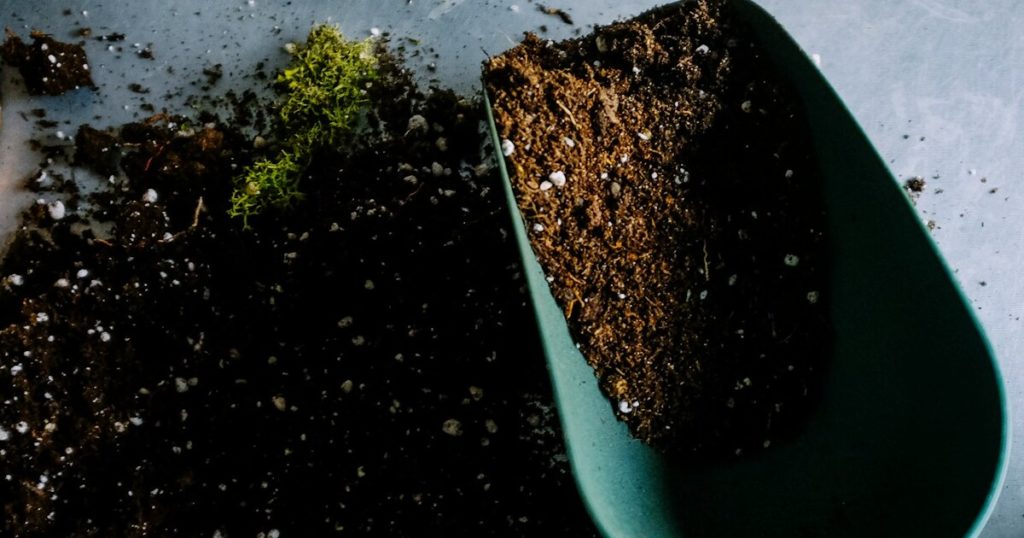
Maintaining healthy soil is fundamental for extending the bloom season of your summer flowers. Regularly amend your soil with organic matter like compost or aged manure to improve soil structure, fertility, and drainage. Healthy soil supports robust root systems and more prolific flowering.
Performing a soil test can help you understand the specific nutrient needs of your garden. Based on the results, you can make targeted amendments to correct any deficiencies. Healthy, well-balanced soil provides a solid foundation for your plants to thrive and produce extended blooms.