

America’s national parks are having a remarkable moment. National Park Service sites were visited 331.9 million times in 2024, the highest total since tracking began in 1904. That kind of demand tells you something: these places matter deeply to people, and they keep coming back. The challenge, of course, is doing it without blowing your entire travel budget in a single weekend.
The good news is that thoughtful planning still goes a long way. Fees, timing, passes, and campsite choices can all be managed with the right knowledge. Whether you’re chasing Yellowstone’s geysers or exploring a quiet stretch of coastline, there are real, practical ways to make it work on a modest budget.
Know the Real Cost of Entering a Park
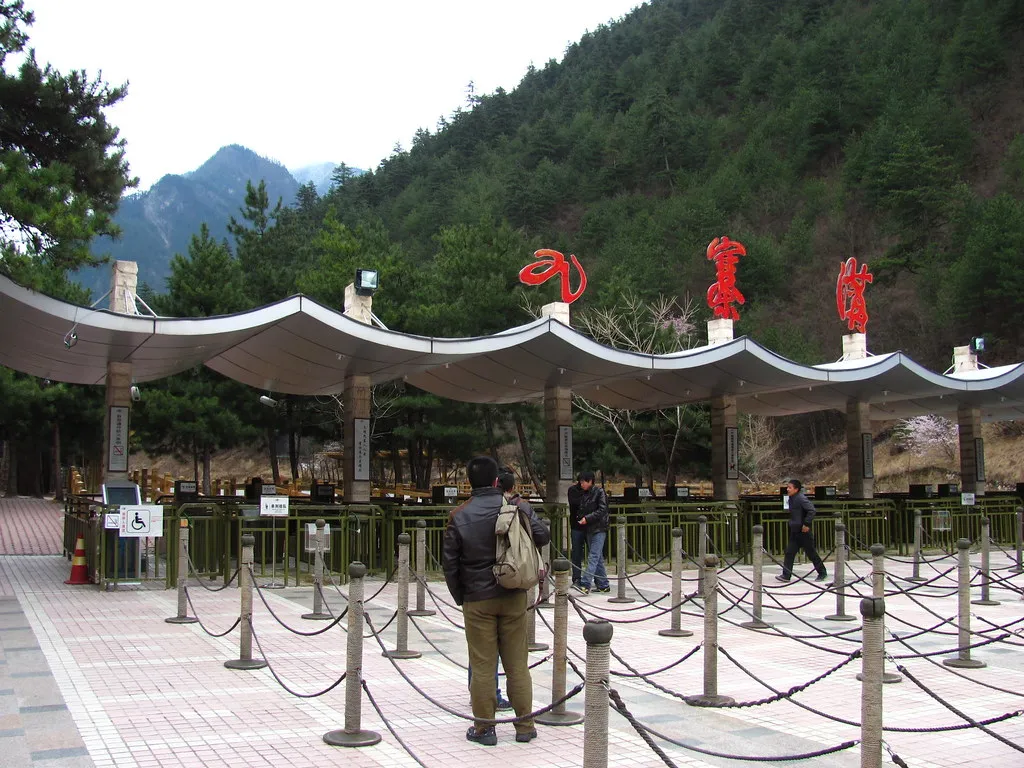
Understanding what you’ll actually pay at the gate is the first step to managing your spending. Standard vehicle entrance fees at individual parks stay at $20 to $35 per vehicle for a seven-day pass. That covers everyone in your car, which already makes road trips an efficient choice for families or groups.
More than a quarter of the 425 sites managed by the U.S. National Park Service charge entrance fees, ranging in price from $10 to $35. That means a sizable portion of parks are completely free to enter year-round, which opens the door for budget travelers who are willing to look beyond the most famous names.
Keep in mind that while some parks don’t charge entrance fees, you may still encounter other costs like camping fees, tour fees, parking fees, or ferry and boat tickets depending on the park and activities you choose. Reading the fine print before you go prevents unpleasant surprises at the trailhead.
Get the America the Beautiful Annual Pass
If you plan to visit more than two or three fee-charging parks in a single year, the annual pass is almost certainly worth the cost. The annual “America the Beautiful Pass” remains $80 for all fee-charging national parks and other federal recreation sites. For U.S. residents, that price hasn’t changed, making it one of the most consistent bargains in outdoor travel.
The annual passes allow a vehicle, or four individuals, to access more than 2,000 recreation sites managed by federal agencies including the Department of Interior, the U.S. Forest Service, the Bureau of Land Management, Fish and Wildlife Service, Bureau of Reclamation, and others. The reach of that single pass is genuinely impressive.
At $80 for U.S. residents, if you visit three parks that charge $30 entrance fees, the pass will save you money. It breaks even faster than most people expect. Under the new system, the America the Beautiful passes are now available in a fully digital format through Recreation.gov, and visitors can purchase and use their passes instantly, storing them on mobile devices.
Plan Around the Fee-Free Days
Every year, the National Park Service designates specific days when entrance fees are waived entirely. The 2026 schedule centers on what officials call “patriotic fee-free days,” expanding from 6 days in 2025 to 10 days in 2026. That’s a meaningful increase and worth planning around.
The free days in 2026 include: February 16 (Presidents Day), May 25 (Memorial Day), June 14 (Flag Day), July 3 through 5 (Independence Day Weekend), August 25 (110th birthday of the National Park Service), September 17 (Constitution Day), October 27 (Theodore Roosevelt’s birthday), and November 11 (Veterans Day).
Although the NPS has the power to suspend the fees it collects, vendors and concessionaires don’t have to suspend theirs, so on these days, you may still have to pay for options like camping, boat launches, transportation, parking, and tours. Free entry doesn’t mean a completely free day, but the savings on a standard vehicle pass are real. Free days bring larger-than-usual crowds, so check for timed entry requirements, as parks like Glacier, Rocky Mountain, and Arches use reservation systems during peak season, and free entry doesn’t exempt you from needing a timed entry permit.
Take Advantage of Free and Discounted Passes

Many visitors don’t realize how many people qualify for free or heavily discounted access. There are free or discounted passes for current members of the U.S. military and their dependents, military veterans, Gold Star Families, fourth-grade students, people with permanent disabilities, and seniors.
U.S. citizens and permanent residents ages 62 and older can purchase an annual America the Beautiful pass for $20, or a lifetime version for $80. For seniors who visit even a handful of parks per year, the lifetime pass pays for itself quickly. The Senior Pass may also provide a 50 percent discount on some amenity fees charged for facilities and services such as camping, swimming, boat launches, and specialized interpretive services.
The 4th Grade Pass is a free annual pass for fourth-grade students and their families through the Every Kid Outdoors program, valid from September through August of the student’s fourth-grade year. Families with a child in fourth grade should absolutely secure this pass before spending anything else on park access.
Visit During Shoulder Season

Timing is one of the most powerful tools in a budget traveler’s kit. The summer months of June, July, and August account for over 40 percent of the national parks’ annual visitors. Showing up during this window means competing for campsites, parking, and trailhead space with a very large crowd.
Spring, from April through May, and fall, from September through October, offer some of the best weather alongside lower prices, with some parks cutting rates by roughly 20 to 40 percent outside the peak summer season. The parks look different in those months too, often better.
Fall is arguably the best season to visit many parks, offering cooler temperatures, fall foliage, fewer visitors, and lower lodging prices. Parks like Acadia, Great Smoky Mountains, and Shenandoah are particularly striking in October, and the crowds are noticeably thinner. Many travelers spread visits throughout the year, and 55 percent of parks still recorded above-average visitation numbers during the slower periods of February through June and October through December.
Camp Inside the Parks to Save on Lodging
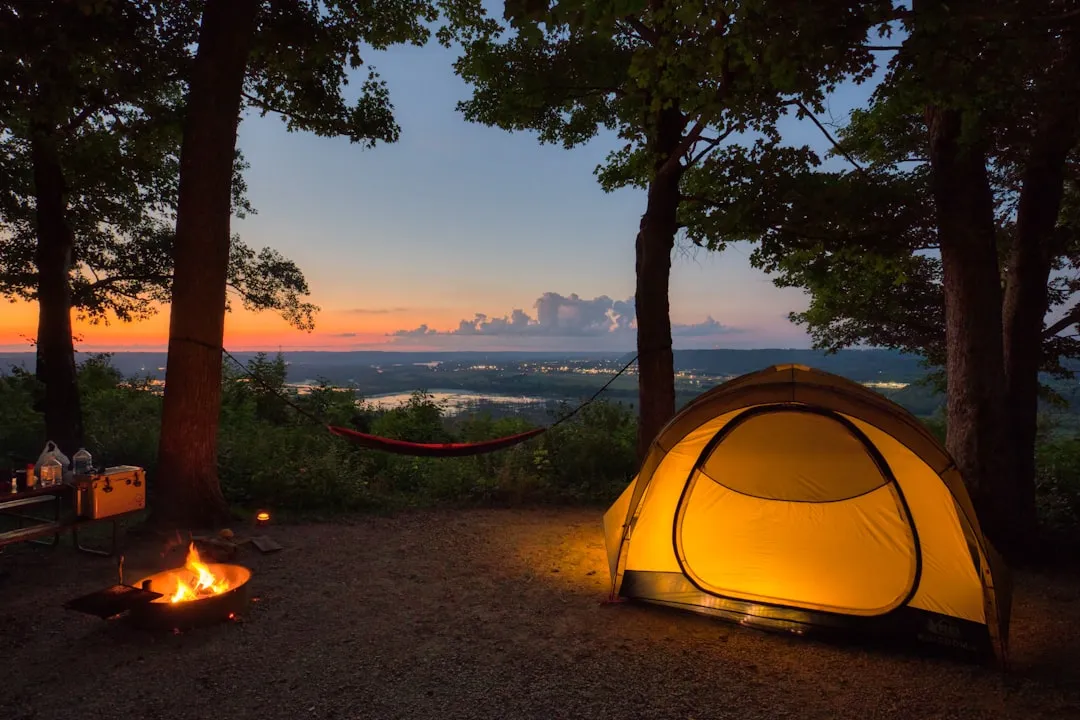
Lodging is typically the biggest expense on any park trip. Camping inside or near a park keeps that cost manageable. Campsite fees within NPS parks are usually somewhere between $5 and $25, and rarely do the campsites within NPS parks include hookups of any kind. That’s a fair trade for waking up inside the park boundary.
Camping is the most affordable way to stay in and around parks, and the range of options is enormous, with reservation fees typically running $5 to $10 per booking on top of the nightly rate. Primitive sites, where available, tend to fall on the lower end of that cost range.
Choosing primitive sites without electric hookups can save $10 to $20 per night, and state park campgrounds are almost always cheaper than private campgrounds for comparable amenities. If the national park campground is full, a nearby state park is usually the next best option for both price and scenery.
Explore the Free Parks and Hidden Gems

Some of the country’s most remarkable landscapes carry no entrance fee at all. The 21 always-free parks, including the enormously popular Great Smoky Mountains, provide year-round access without any entrance fees. Great Smoky Mountains alone drew over 12 million visitors in 2024, which shows that free doesn’t mean lesser.
If crowding stresses you out, fee-free days at underappreciated parks or units like national monuments and historical sites offer a peaceful alternative, with places like Fort Davis in Texas, Cumberland Island in Georgia, Congaree in South Carolina, and Guadalupe Mountains in Texas making for excellent, less-crowded options.
Leaning into lesser-known parks can be genuinely rewarding. Though many national parks are grappling with long lines and other symptoms of overtourism, many remain blissfully uncrowded. The experience of having a canyon or a ridgeline almost to yourself is something you simply can’t replicate at Yosemite in July.
Carpool and Share Entry Costs
One of the simplest ways to reduce per-person costs is also one of the most overlooked. Many parks charge an entrance fee per vehicle, not per person, meaning your entrance fee or annual pass covers everyone in a single vehicle, so carpooling is a direct way to save money. A vehicle pass to the Grand Canyon shared among four friends drops to a fraction of what each person would pay individually.
The America the Beautiful Resident Annual Pass offers one year of unlimited entrance for the pass owner and all passengers in a single private vehicle, including rentals and RVs, at sites that charge a per-vehicle fee. Renting a vehicle together for a multi-park road trip can make the math work out very well.
The per-vehicle model particularly favors larger groups. Children 15 years and under are always admitted free. A family of four pays the same vehicle rate as a solo driver, which makes national parks among the most cost-effective family travel destinations in the country.
Cook Your Own Meals and Plan Food Costs
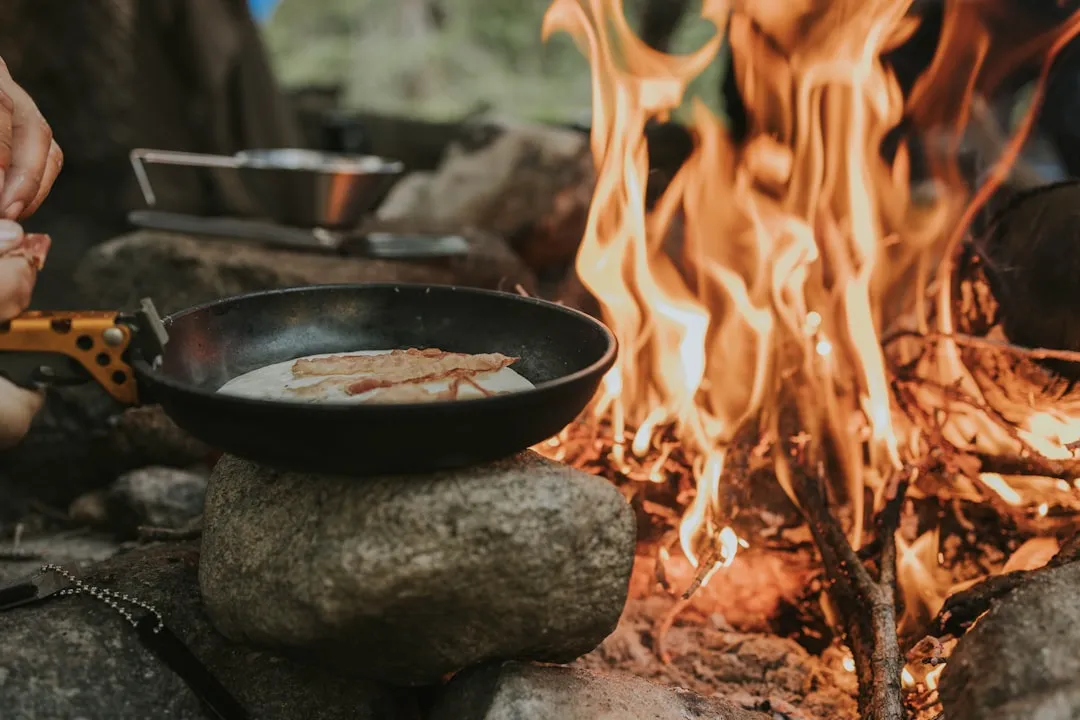
Food is consistently underestimated in park trip budgets, especially when visitors rely on lodge restaurants or concession stands inside park boundaries. Prices at those locations can be steep. Bringing a camp stove, cooler, and grocery supplies can save roughly $30 to $50 per day per person compared to eating at restaurants.
Planning meals ahead of the trip and loading up at a grocery store near the park entrance is one of the most practical things you can do. Most campgrounds with fire pits allow cooking, and a simple meal at a picnic table with a mountain view costs almost nothing. The trade-off in convenience is minor compared to the savings over a week-long trip.
Even small choices add up. Gas stations near parks typically sell firewood bundles for $3 to $5, compared to $7 or $8 at the camp store. Buying supplies before you cross the park boundary almost always works in your favor on price.
Book Early and Use Recreation.gov Strategically

The popularity of America’s parks has made advance planning less optional and more essential. Some national parks have become so popular that reservation systems are required for entry or for top attractions in peak seasons. Showing up without a reservation at a park like Arches or Glacier during summer can mean being turned away at the gate.
When planning a visit to a national park, check if you need a reservation, as some parks use a timed-entry system to manage vehicle traffic and others use tour reservations to manage access to a building or natural feature, with reservations typically made available through Recreation.gov on a rolling basis. Getting familiar with that platform early saves real frustration.
The best campsites and lodging near popular parks fill up weeks in advance. Setting a calendar reminder for when reservation windows open at your target park is one of the highest-return actions a budget traveler can take. A few minutes of planning can mean the difference between a prime campsite and a scramble for alternatives miles away.
Final Thought
National Park Service sites were visited a record-breaking 331.9 million times in 2024, and that number continues to grow. These places belong to everyone, and the system of passes, free days, and flexible camping options that exists around them was designed with access in mind.
A national park trip doesn’t require a large travel budget. It requires a good plan. The difference between an expensive park visit and an affordable one usually comes down to timing, the right pass, a full cooler, and a reservation made a few months in advance. Once those pieces are in place, what you get in return is hard to match anywhere else.
AI Disclaimer: This article was created with the assistance of AI tools and reviewed by a human editor.