

Understanding Why Raccoons Target Your Trash in the First Place

The attraction raccoons have to trash cans is fairly straightforward: they’re after the food scraps inside. Their sharp sense of smell alerts them to the presence of edible material, and they’ll do whatever it takes to reach it.
A raccoon living in the wild may travel up to 15 miles to find sufficient food. In contrast, an urban raccoon can find a bountiful meal in the trash and may only need to travel a quarter mile to eat its fill. That’s an enormous efficiency advantage, and once they’ve found a reliable source, they keep coming back.
Raccoons are highly intelligent, clever, and curious animals. When searching for food, their nimble hands allow them access to food you think is secure. Standard bins are basically open invitations to a determined raccoon.
Invest in a Raccoon-Resistant Trash Can
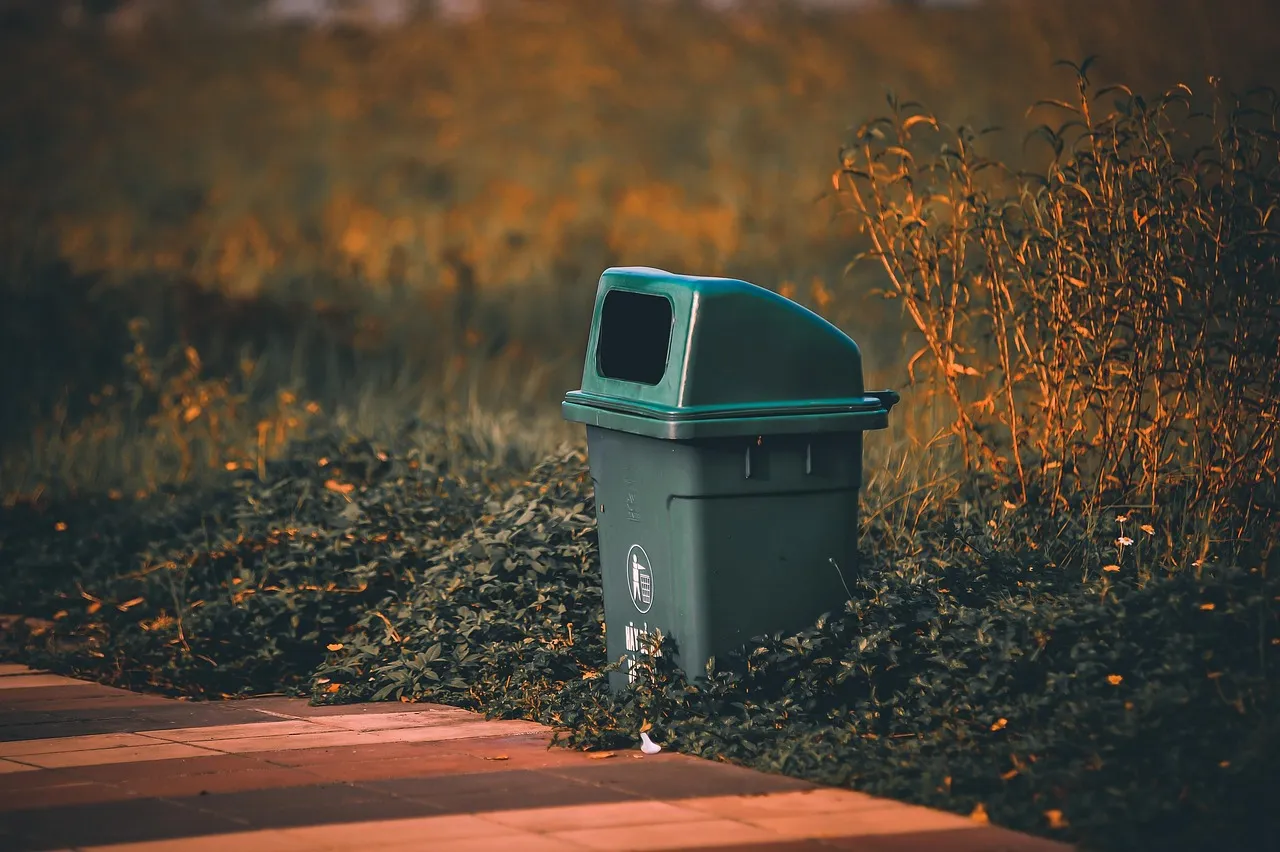
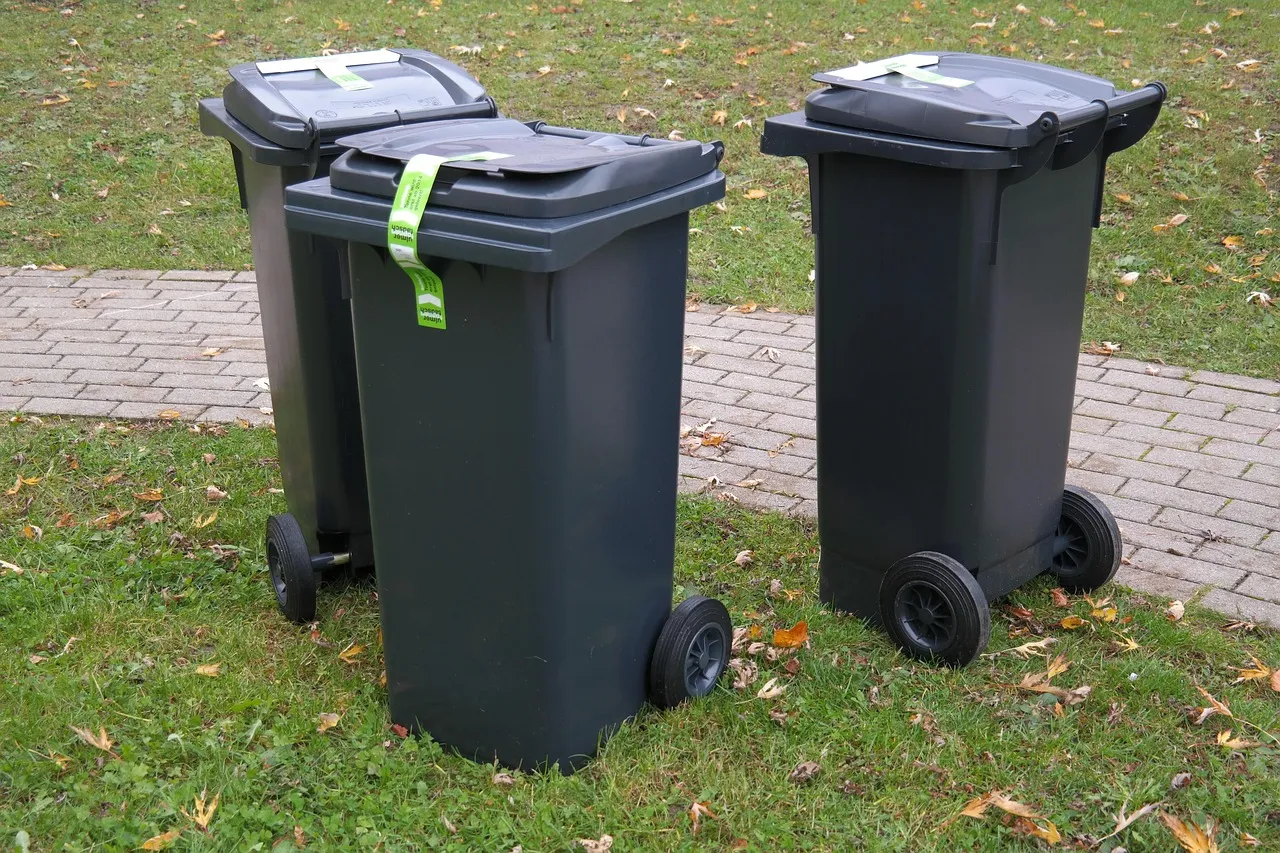
Standard bins are easy targets for raccoons, who are surprisingly strong and dexterous, able to tip over lightweight cans, pop open loose lids, and claw their way into thin bags. One of the simplest and most effective ways to keep raccoons out of your trash is to invest in sturdy garbage cans with tight-fitting, locking lids.
When shopping for raccoon-resistant cans, look for heavy-duty models specifically designed to withstand animal tampering. Many have reinforced lids with clamps, latches, or built-in straps that make it nearly impossible for raccoons to pry them open.
If new cans aren’t in the budget, try adding bungee cords or metal clips to secure the lid tightly. It’s a low-cost fix that genuinely reduces access, though some raccoons will eventually figure out simpler cord setups.
Time When You Put Your Trash Out
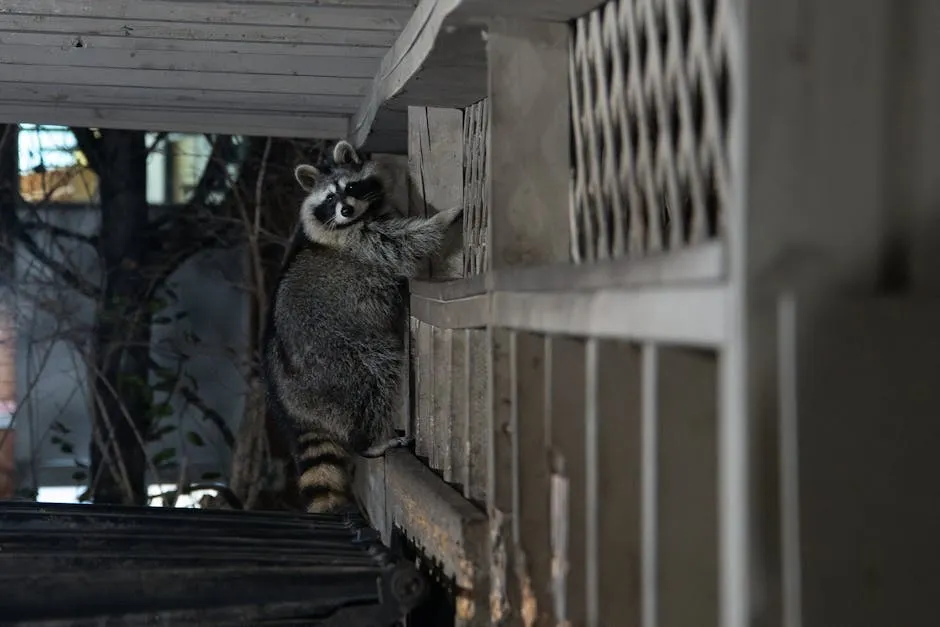
Raccoons are typically nocturnal and scavenge for food at night. However, they will also visit trash cans during the day if food is available. Leaving bins curbside the night before pickup is essentially rolling out a welcome mat.
To make your trash less tempting, wait until the morning of your collection day to take it to the curb. Keeping your garbage secured indoors overnight removes the easy meal when raccoons are most active and dramatically reduces the chance of waking up to trash strewn across your yard.
Urban raccoons have adjusted their schedules based on human behavior. In areas with early morning trash pickup, raccoons sometimes forage in the hours immediately before pickup to access freshly set-out bags. Timing your trash placement as close to pickup as possible is one of the most effective and completely chemical-free strategies available.
Keep the Area Clean and Odor-Free

It’s essential that you take the time to clean your trash cans if you want to deter raccoons. Over time, spills and leaks from trash bags will transfer to the can. If left alone, this will attract raccoons as well as rodents and insects.
All you need is some dish soap and water to clean your trash cans. Make sure you give the area around your trash cans a once over as well and clear any residue from the walls and ground. A clean bin simply doesn’t broadcast the same food signals.
Raccoons have an excellent sense of smell, so minimizing odors can help deter them. Double-bag smelly food scraps and rinse out food containers before tossing them. This simple step can make your garbage can noticeably less tempting.
Use Natural Scent Deterrents

Several home remedies can be used to deter raccoons from rummaging through garbage cans. One of the most effective methods is to use scents that raccoons dislike, including vinegar and cayenne pepper.
Using a hand-pump sprayer to apply cayenne pepper mixed in warm water around the trash area and the barrels has proven an excellent deterrent. It needs reapplying regularly, especially after rain, but it’s non-toxic and easy to make at home.
Another effective home remedy is to make a homemade spray using garlic and chili powder. Mix a tablespoon of each in a quart of water and spray the mixture around the garbage can. These options won’t hurt the raccoons, your pets, or nearby plants when used as directed.
Try Motion-Activated Deterrents

Raccoons are prey animals that are constantly alert for threats. They are also nocturnal, so they don’t like bright lights. Some people install motion-activated flood lights near their trash cans so that the light will startle raccoons and they’ll run away.
Motion-activated lights, sprinklers, or ultrasonic devices are considered humane deterrents that can help eliminate raccoon visits without harming the animals. Among these, sprinklers tend to be more reliable than lights alone, since they create an unpleasant physical consequence rather than just a visual one.
Raccoons are so intelligent that they may figure out after a while that a light doesn’t pose a real threat. Rotating or combining different types of deterrents tends to extend their effectiveness, since raccoons are quick to adapt to any single, predictable stimulus.
Build or Use an Enclosure for Your Bins
If fencing in your entire home seems excessive, you can also build an enclosure specifically for your trash cans. With a quality enclosure, it becomes next to impossible for raccoons to get in and access the contents.
A simple wooden or metal box with a latch doesn’t have to be expensive or elaborate. The goal is just to add another layer of access difficulty. Raccoons are opportunists at heart, and they prefer easy targets over ones that require real effort.
Raccoons are, in a sense, lazy creatures that will take the path of least resistance. If your bin setup consistently denies them a quick reward, they’ll typically move on to easier pickings elsewhere in the neighborhood.
Eliminate Other Food Sources Around Your Property

To reduce raccoon visits, eliminate food sources from your property, like bird feeders filled with seeds. If you can’t remove a food source entirely, secure it. For example, if you have a garden, consider fencing it.
Fallen fruit and nuts in your yard can also attract raccoons, so clearing those regularly matters more than most people realize. A yard that consistently offers no easy food will attract fewer visits over time.
Intentional feeding creates habituated raccoons that lose their natural fear of humans. Leaving cat food outside for raccoons, even with good intentions, creates dependent animals that eventually require professional removal. This applies to any deliberate or incidental food left outdoors overnight.
Reduce Potential Nesting Sites Near Your Trash
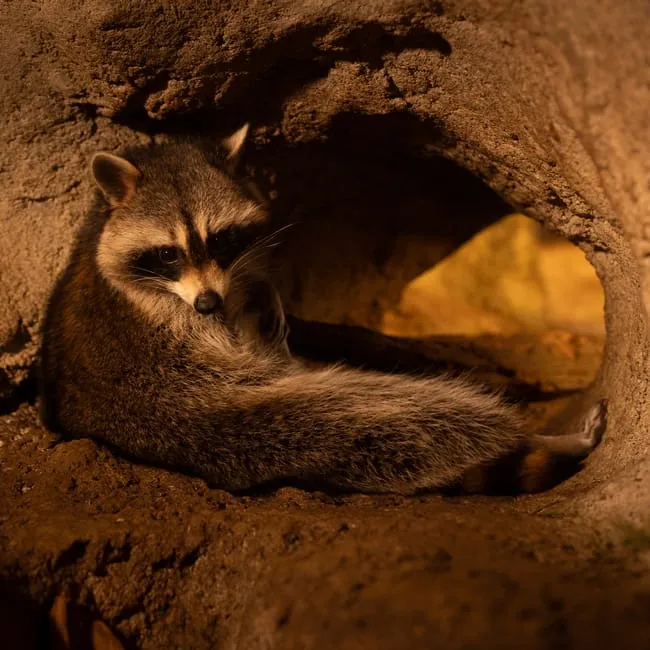
Raccoons like to nest in cozy, warm places. Piles of leaves, debris, untrimmed shrubbery and bushes, chimneys, and other openings can be perfect places for these critters to nest and start causing ongoing problems.
Raccoons need food, water, and shelter for survival. Wherever they find food, they tend to build a den nearby. Raccoons may travel up to ten miles while foraging, creating multiple dens along their path. A tidy yard with few hiding spots is a less attractive one.
When to Call a Professional
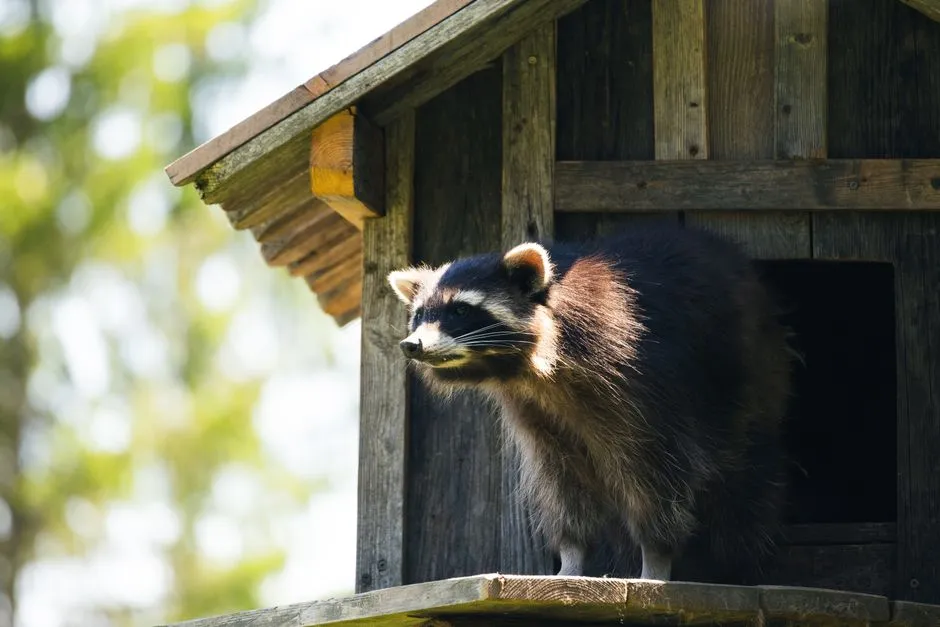
If you’ve tried every DIY approach but still find raccoons rummaging through your garbage week after week, it may be time to call in professionals. Some raccoons can be stubborn, and once they’ve found an easy meal, they’re unlikely to give up without a fight.
Raccoons can carry diseases, including rabies, and can also carry infected ticks, lice, and fleas. It’s important to avoid engaging with raccoons directly and to seek guidance from a wildlife control specialist if they become a persistent nuisance.
Wildlife control experts understand state laws regarding trapping and releasing fur-bearing animals, which may require special permits depending on where you live. A professional can handle repeat offenders safely and legally, without any harm to the animal.
Conclusion
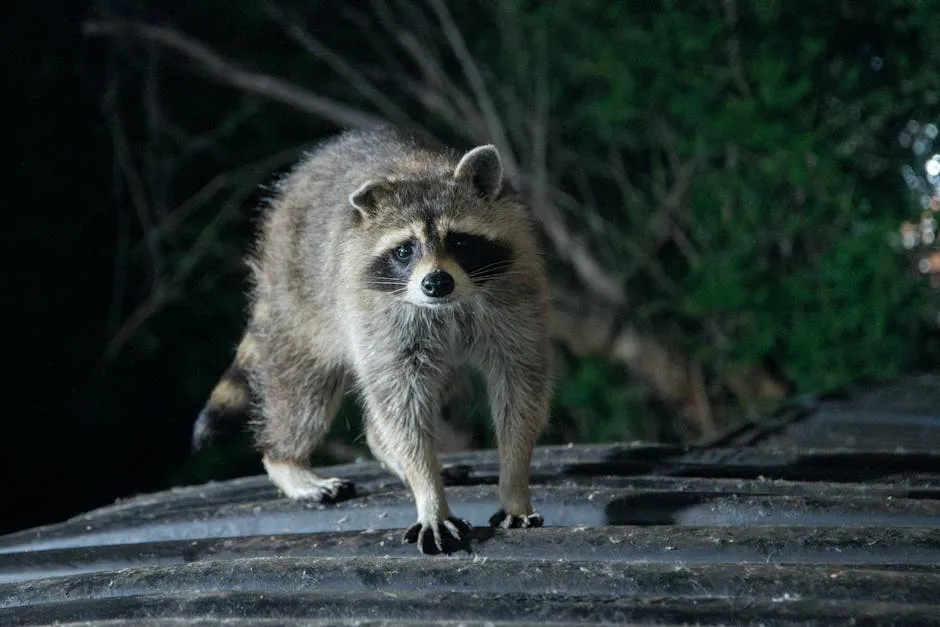
Keeping raccoons away from your trash doesn’t require anything toxic or aggressive. It requires consistency. Physical barriers, clean surroundings, scent deterrents, and smarter timing collectively make your property a much less appealing destination.
The raccoons aren’t being malicious. They’re doing exactly what evolution shaped them to do: find the easiest available meal. Removing that ease is the whole game. Stick with it, layer your methods, and the nightly visits will almost certainly stop.