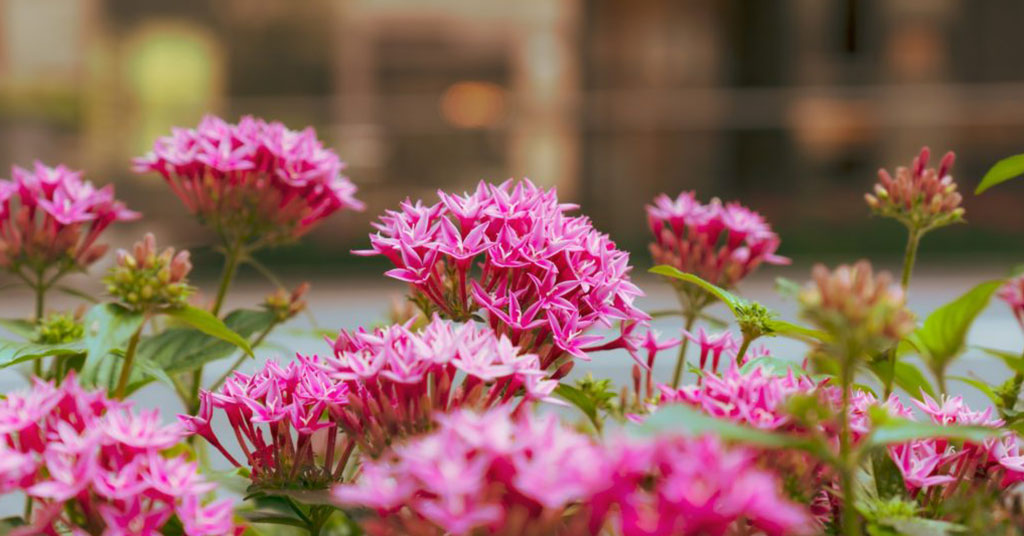

Pentas, also known as Egyptian starflowers, are beautiful and vibrant flowering plants that can add a pop of color to any garden or landscape. To ensure that they continue to bloom and thrive throughout the growing season, it is important to deadhead pentas regularly.
Deadheading is the process of removing spent flowers, which not only keeps the plant looking tidy but also encourages new growth and continuous blooming. In this article, we will explore the step-by-step process of deadheading pentas, including when and how to do it effectively. Whether you are a seasoned gardener or a beginner, this guide will provide you with the knowledge and techniques to keep your pentas looking their best and prolong their blooming period.
How to deadhead pentas
To deadhead pentas, follow these steps:
- Start by inspecting the pentas plant and identifying the faded or spent flowers. Deadheading is the process of removing these flowers to encourage new growth and more blooms.
- Locate the base of the faded flower stem where it connects to the main stem or branch of the plant.
- Using a pair of clean and sharp pruning shears or scissors, make a clean cut just above a set of healthy leaves or buds. This will ensure that the plant continues to grow and produce new flowers.
- Continue deadheading all the faded flowers on the pentas plant, working your way around the plant systematically. Aim to remove each flower stem at its base, above a set of healthy leaves or buds.
- After deadheading, it’s a good idea to give the plant a thorough watering to help it recover and stimulate new growth.
- Repeat the deadheading process regularly throughout the growing season, typically every 1-2 weeks, to keep the pentas plant looking neat and encourage continuous blooming.
Remember to dispose of the deadheaded flowers properly to prevent any potential disease or pest issues. With regular deadheading, your pentas plant will continue to produce beautiful blooms throughout the season.
Why deadhead pentas?
One might want to Deadhead pentas for a few reasons:
- Encourages continuous blooming: Deadheading pentas, which involves removing spent flowers, promotes new growth and encourages the plant to produce more blooms. This can lead to a longer flowering period and a more attractive display.
- Neater appearance: Removing faded flowers keeps the plant looking tidy and prevents it from appearing messy or unkempt. This can be particularly important if pentas are being used in a formal garden or as part of a landscape design.
- Prevents seed production: Deadheading prevents pentas from setting seed. While pentas self-seeding can sometimes be desirable, it can also lead to excessive spreading and potential invasiveness in certain regions. By deadheading, you can control the plant’s reproduction and prevent it from becoming a nuisance.
- Redirects energy: By removing spent flowers, the plant can redirect its energy towards developing new growth and producing more blooms, rather than focusing on seed production. This can result in healthier and more vigorous plants overall.
Overall, deadheading pentas can help maintain a more attractive and well-maintained garden, promote continuous blooming, and prevent excessive seed production.
Problems with deadheading pentas
There are a few potential problems that you might encounter with Deadhead pentas:
- Pests and diseases: These plants can be susceptible to various pests such as aphids, whiteflies, and spider mites. Additionally, they can be prone to diseases like powdery mildew and root rot if not properly cared for.
- Overwatering or underwatering: Deadhead pentas require consistent and adequate watering. Overwatering can lead to root rot, while underwatering can cause the plants to wilt and die.
- Poor drainage: These plants prefer well-draining soil. If the soil is heavy and retains water, it can lead to root rot and other moisture-related issues.
- Lack of sunlight: Deadhead pentas thrive in full sun or partial shade. If they are not provided with enough sunlight, they may become leggy, produce fewer blooms, or even die.
- Improper pruning: While deadheading (removing spent flowers) is important for promoting continuous blooming, excessive or improper pruning can cause damage to the plant. It’s essential to prune at the right time and in the right way to avoid harming the pentas.
- Inappropriate temperatures: Deadhead pentas are tropical plants that prefer warm temperatures. If exposed to cold temperatures or frost, they can suffer damage or die.
It’s worth noting that not all of these problems may occur, and with proper care and attention, you can mitigate or prevent many of these issues.
Other considerations
When Deadheading pentas (removing spent flowers), there are a few additional considerations to keep in mind:
- Timing: Deadheading should be done regularly throughout the growing season, especially when the pentas are actively blooming. Aim to deadhead once the flowers have faded or started to wilt, but before they produce seeds or set fruit.
- Method: Use clean, sharp gardening shears or pruners to deadhead the pentas. Make clean cuts just above a leaf node or lateral branch to encourage new growth and prevent any unsightly stubs.
- Hygiene: To prevent the spread of diseases or pests, sanitize your pruning tools before and after each use. This can be done by wiping the blades with a disinfectant solution or rubbing alcohol.
- Fertilization: Consider fertilizing the pentas after deadheading to help promote new growth and encourage more blooms. Choose a balanced, slow-release fertilizer or a liquid fertilizer specifically formulated for flowering plants.
- Watering: After deadheading, give the pentas a good soak to ensure they receive adequate moisture. Water deeply at the base of the plants, avoiding wetting the foliage to minimize the risk of fungal diseases.
- Mulching: Apply a layer of organic mulch around the base of the pentas after deadheading. Mulch helps conserve moisture, suppress weeds, and regulate soil temperature, promoting overall plant health.
- Pest and disease control: While deadheading, keep an eye out for any signs of pests or diseases such as aphids, spider mites, or powdery mildew. If detected, take appropriate measures to control them, such as using insecticidal soap or organic pest control methods.
By considering these factors while deadheading pentas, you can help maintain their health, promote continuous blooming, and ensure their overall appearance in your garden or landscape.