

September is such a transitional month for gardeners, isn’t it? The days are getting shorter, and the weather can be unpredictable, but that doesn’t mean your garden has to suffer! One of my secret weapons for giving plants a little extra boost during this time is compost tea. It’s like a magical elixir that provides your garden with the nutrients it needs to thrive right up until the frost arrives. I know, it might sound a bit strange — tea for plants? But trust me, it works wonders!
Compost tea is essentially a liquid fertilizer that you make by steeping compost in water. It’s packed with beneficial microorganisms that help improve soil health, increase nutrient availability, and even protect against pests and diseases. It’s especially helpful in September when your plants might need a final push to finish the season strong. Let’s dive into how to create this nutrient-rich brew and how to use it to get the most out of your September garden!
Gather Your Ingredients

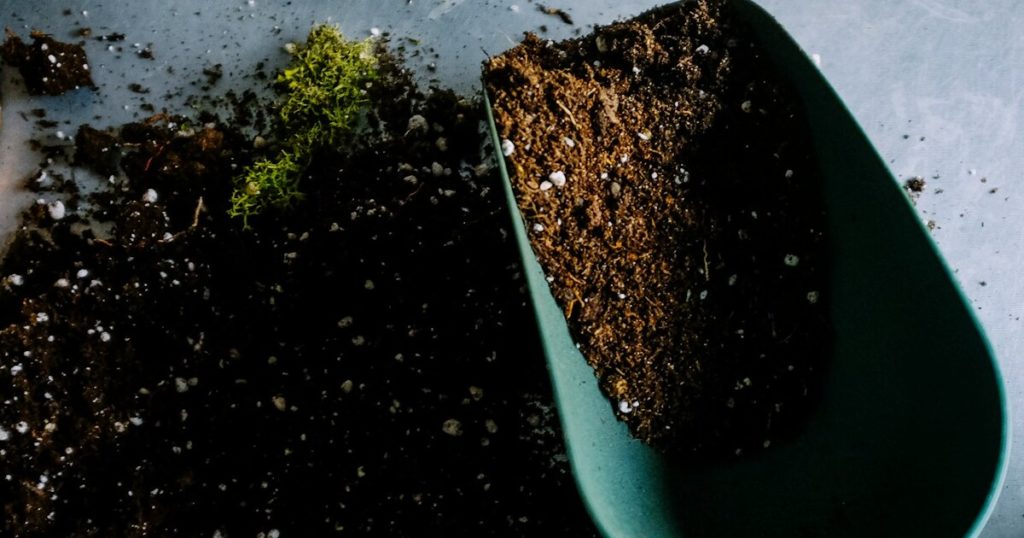
The first step to creating compost tea is gathering the right ingredients. At its core, compost tea is just compost and water, but not all compost is created equal! To make the best tea, you’ll want to use high-quality, mature compost that’s rich in nutrients. Look for compost that is dark, crumbly, and smells earthy — that’s how you know it’s ready to use. I often use a mix of homemade compost with kitchen scraps and yard waste, but you can also buy bagged compost from a garden center if you’re in a pinch.
Another crucial ingredient is chlorine-free water. Chlorine can kill the beneficial microbes in the compost, which are the real stars of the show when it comes to creating a potent tea! If you’re using tap water, let it sit out in an open container for 24 hours to allow the chlorine to dissipate. Rainwater is an even better option if you have a barrel or collection system. I always feel a little thrill when I use rainwater — it’s like I’m giving my plants the purest drink nature has to offer!
Brew the Tea

Now comes the fun part — brewing your compost tea! To start, fill a 5-gallon bucket about a third of the way with compost. Then, fill the bucket with water, making sure it’s chlorine-free. You can use a compost tea bag, which is essentially a porous cloth bag that holds the compost, or you can let the compost sit directly in the water and strain it later. I love using a tea bag because it’s less messy and makes it easier to distribute the tea around the garden.
Once your compost and water are combined, you’ll want to aerate the mixture. This is crucial because oxygen helps the beneficial microbes multiply! You can do this by stirring the mixture vigorously a few times a day or by using an aquarium pump to provide continuous aeration. Let the tea brew for about 24 to 48 hours. Any longer, and the mixture can become anaerobic, leading to the growth of harmful bacteria. Trust me, you don’t want that!
Strain and Dilute
After your tea has brewed for a day or two, it’s time to strain and dilute it. Use a fine mesh strainer or cheesecloth to separate the liquid from the compost solids. The liquid is your finished compost tea, packed full of nutrients and beneficial organisms. The leftover compost can go right back into your compost pile or spread around your garden as a mulch. Nothing goes to waste — isn’t that wonderful?
It’s important to dilute your compost tea before applying it to your plants. I usually go with a ratio of one part tea to ten parts water. This helps prevent over-fertilization, which can burn your plants. Remember, this tea is powerful stuff! I always think of it like giving my plants a strong cup of coffee — a little goes a long way! Once diluted, you’re ready to feed your garden.
Apply the Compost Tea
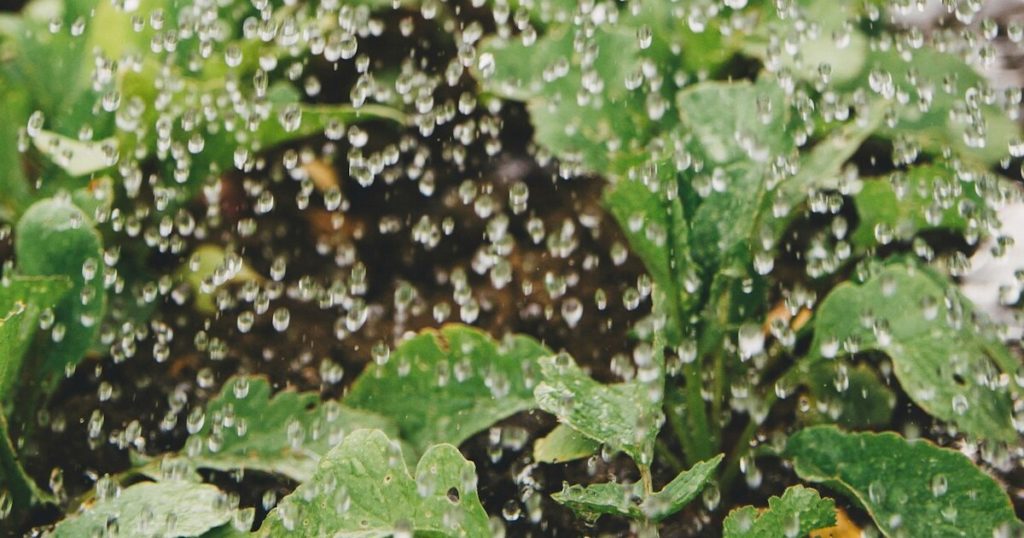
Applying compost tea is one of my favorite parts of the process — it’s so satisfying to see your plants perk up almost instantly! You can use a watering can, a spray bottle, or even a hose-end sprayer for larger areas. Apply the tea to the soil around your plants to feed the roots, or spray it directly onto the leaves as a foliar feed. Just make sure to apply it early in the morning or late in the afternoon to avoid burning the leaves in the midday sun.
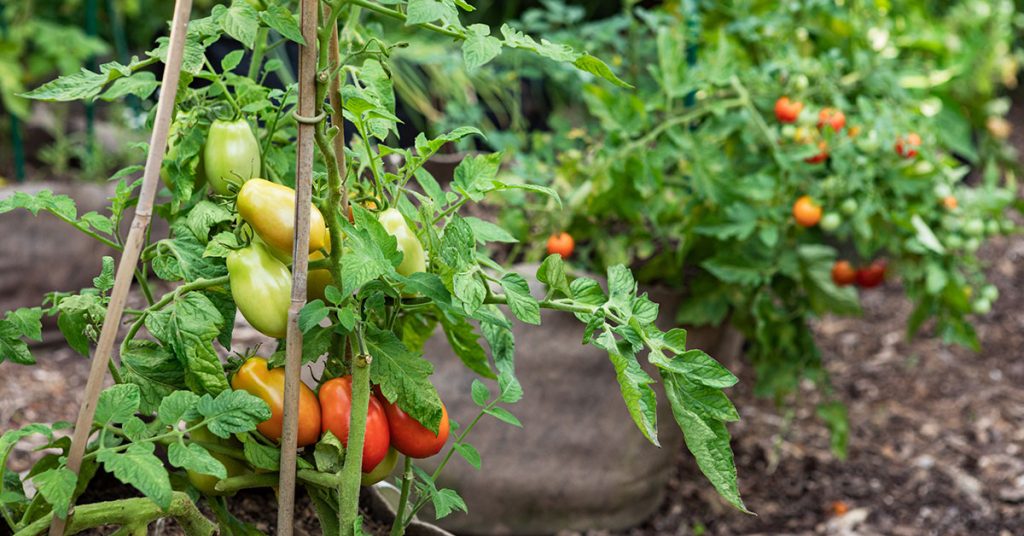
I’ve noticed that plants like tomatoes, peppers, and leafy greens respond especially well to foliar feeding. They seem to soak up the nutrients through their leaves like little sponges! Plus, the beneficial microbes in the tea can help protect against pests and diseases, which is such a relief when you’re battling the usual garden culprits like aphids and powdery mildew. It’s like giving your plants a suit of armor!
Repeat Every Few Weeks
To really see the benefits of compost tea, you’ll want to apply it regularly — every two to three weeks is ideal. This consistent feeding will help keep your soil healthy and your plants happy, especially during the changing conditions of September. If you’re like me, you’ll start to notice deeper green leaves, stronger growth, and an overall healthier garden. It’s such a satisfying feeling to know that you’re giving your plants the very best!
But remember, compost tea is a supplement, not a replacement for good soil practices. Keep up with mulching, regular watering, and feeding your soil with organic matter. The compost tea will enhance all the hard work you’re already doing. It’s like the cherry on top of your gardening sundae!
Experiment with Different Recipes

One of the things I love most about making compost tea is experimenting with different recipes! You can add various ingredients to your tea to give it a unique boost. For example, adding a little unsulfured molasses can provide extra food for beneficial bacteria, while fish emulsion or kelp extract can add additional nutrients and minerals. Each variation brings something special to the table, and it’s so much fun to see how your garden responds!
I’ve found that plants with different needs sometimes prefer different teas. For instance, my roses love a bit of fish emulsion, while my leafy greens thrive with a molasses-boosted tea. Don’t be afraid to get creative! Your garden is like a living experiment, and finding the perfect recipe is part of the joy of gardening.
Use the Right Tools

Making compost tea doesn’t require any fancy equipment, but having the right tools can make the process a lot easier. A sturdy 5-gallon bucket, a compost tea bag or cheesecloth, and a stirring stick are pretty much all you need to get started. If you really want to up your game, consider investing in an aquarium pump for continuous aeration. It might seem like an extra step, but it makes a big difference in the quality of your tea!
I always joke that my garden shed is starting to look more like a mad scientist’s lab with all the buckets and tools I’ve accumulated. But having the right gear makes the whole process more enjoyable and less messy. And let’s face it, any excuse to add another tool to my collection is a good one in my book!
Store and Use Fresh
One of the key things to remember about compost tea is that it’s a living brew. That means it’s best used fresh, ideally within a few hours of finishing the brew. The beneficial microbes start to die off after about 24 hours, so don’t let it sit around too long! I’ve learned the hard way that storing it for too long can lead to some pretty foul-smelling results.
Whenever I make a batch, I like to plan a little “tea party” for my garden that same day. It’s a great way to make sure you’re using the tea at its peak potency, and it gives you an excuse to spend a little extra time outside, enjoying your plants.