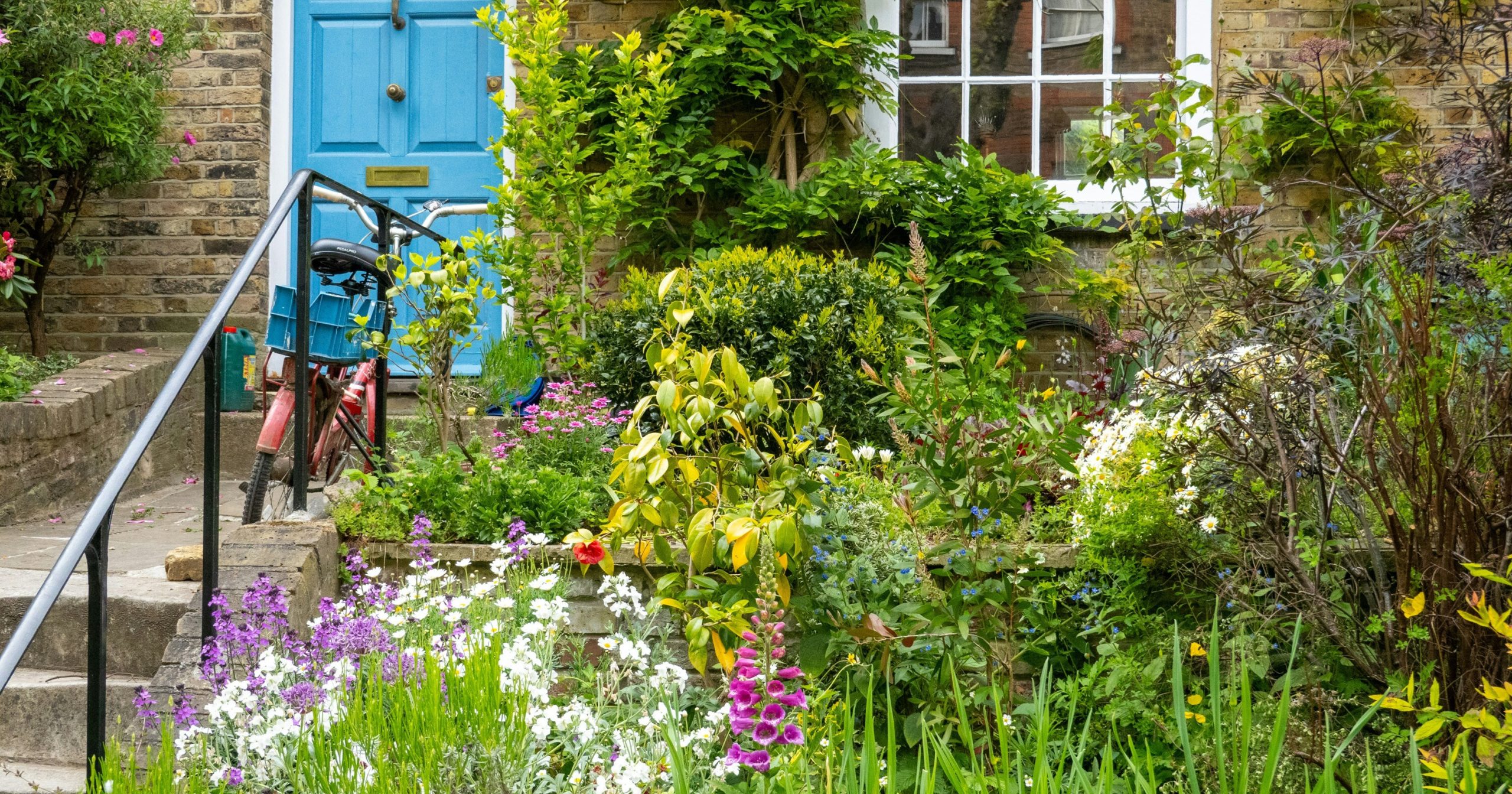

September is such a special time in the garden! The air is crisp, the colors are vibrant, and there’s a certain sense of calm as the garden prepares for the cooler months. It’s also a perfect time to make your garden more welcoming to wildlife. I know how wonderful it feels to see birds, butterflies, and other creatures enjoying the space you’ve created, and with a few thoughtful changes, you can make your garden a true haven for them! It’s all about providing food, water, shelter, and places to raise their young, and September is an ideal time to get started.
I understand how overwhelming it can be to think about making your garden wildlife-friendly, especially with so many other fall chores to tackle. But trust me, these steps are easier than you might think and incredibly rewarding. Watching a hummingbird flit from flower to flower or seeing a hedgehog snuffle through the leaves is such a joy! So, let’s dive into some easy ways to make your garden a paradise for local wildlife this September.
Plant Native Flowers and Shrubs

One of the best ways to attract wildlife to your garden is by planting native flowers and shrubs. Native plants are well adapted to your local climate and soil conditions, making them easy to care for while also providing the perfect food and habitat for local wildlife. Plants like goldenrod, milkweed, and coneflowers are excellent choices. Goldenrod, for example, is a magnet for pollinators like bees and butterflies and provides nectar late into the season. Plus, it’s not invasive and will play well with other plants in your garden.
Shrubs like serviceberry or elderberry are fantastic for providing both food and shelter. Birds like robins and thrushes love their berries, and they offer great cover for nesting or protection from predators. These shrubs are native to many parts of North America, and they won’t overtake your garden like some invasive species might. By incorporating a variety of native plants, you create a diverse habitat that supports a wide range of wildlife throughout the year.
Provide Water Sources
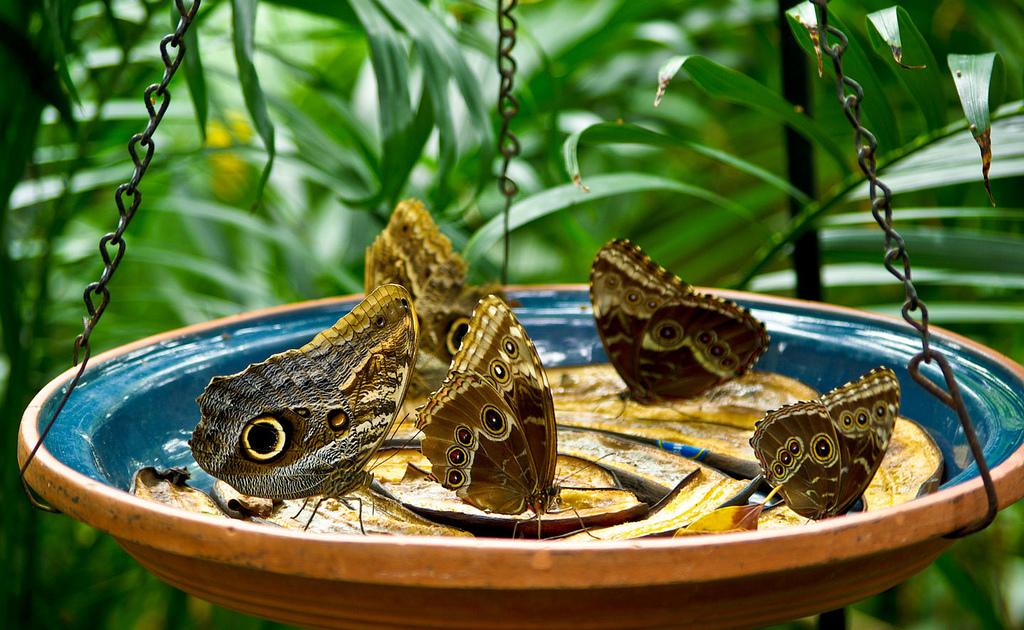
Water is one of the most essential elements for any wildlife-friendly garden. Birds, bees, butterflies, and even small mammals all need access to fresh water, especially as natural sources begin to dry up in the fall. A simple birdbath can make a huge difference! Place it in a quiet, open area where birds can easily spot predators, and keep the water clean and fresh. I’ve found that adding a few stones to the birdbath can provide perching spots for smaller birds or insects.
Consider adding a small pond or water feature if you have the space. Even a small, shallow dish of water can attract a variety of visitors. Frogs, toads, and dragonflies will appreciate the extra hydration, and you’ll be amazed at the diversity of life a small water source can bring to your garden! Plus, the soothing sound of water adds an extra layer of tranquility to your outdoor space.
Leave Some Areas Undisturbed

It’s so tempting to tidy up every corner of the garden, but leaving some areas undisturbed can be incredibly beneficial for wildlife. Piles of leaves, fallen branches, and even a patch of tall grass can provide essential shelter and nesting sites for a range of creatures. Insects like beetles and butterflies might overwinter in leaf litter, while hedgehogs or small mammals will use these areas for shelter. I know it might look a bit messy, but this “wild” corner can be a hub of activity!
Leaving these areas alone also supports the natural life cycles of many species. For instance, native bees often nest in bare soil or decaying wood, and many birds will forage for insects among the leaves. By resisting the urge to over-tidy, you’re creating a more dynamic and supportive environment that benefits both the wildlife and the overall health of your garden. Trust me, a little mess can lead to a lot of life!
Install Nesting Boxes
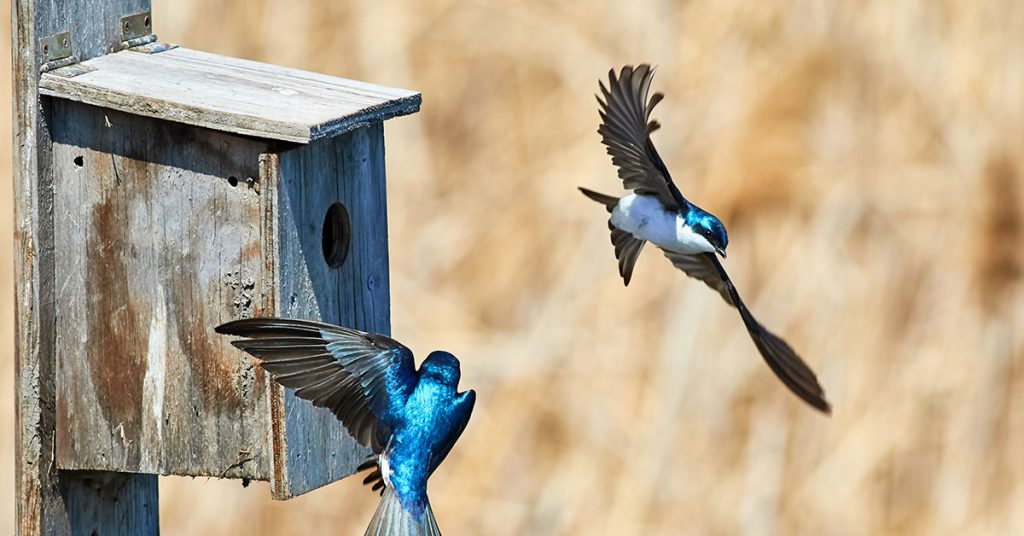
September is the perfect time to think about installing nesting boxes for birds or even bat boxes for those wonderful, bug-eating creatures of the night. Birds like bluebirds, chickadees, and wrens need safe, secure places to nest, and a well-placed box can make all the difference. Make sure to position the box away from direct sun and wind, ideally facing east or southeast to provide morning warmth and afternoon shade.
Bat boxes can be hung high on a tree or building where they are sheltered from the elements and predators. Bats are fantastic at keeping mosquito populations in check, and providing them with a home is a win for you and them! Just remember, different species have different preferences, so do a little research to find out what works best for the wildlife in your area. It’s always exciting to see a new family settle in!
Create a Wildflower Meadow

If you have a little extra space, consider creating a small wildflower meadow. This can be as simple as letting a patch of grass grow longer and sowing some wildflower seeds. Native wildflowers like black-eyed Susans, purple coneflowers, and asters provide nectar and pollen for pollinators like bees and butterflies and create a colorful, low-maintenance area in your garden. I love watching the butterflies flutter around these flowers—they bring so much life and movement to the garden!
A wildflower meadow can also support ground-nesting birds, insects, and small mammals, offering them a safe space away from predators and human activity. Plus, these meadows are relatively low-maintenance; they don’t need much watering or fertilizing once established, making them an easy addition to any garden. It’s such a joyful sight to see the colors bloom and know that you’re supporting a wide range of wildlife.
Add Log Piles or Rock Piles

Creating a log pile or rock pile in a quiet corner of your garden is an excellent way to provide shelter for wildlife. These piles create small, sheltered spaces that are perfect for insects, amphibians, and even small mammals. Frogs, toads, and newts love hiding under damp logs, while beetles, centipedes, and other critters thrive in the decaying wood. It’s like building a little wildlife hotel in your garden!
Rock piles can also serve as basking spots for reptiles like lizards, which are often overlooked but incredibly beneficial to have around as they help control insect populations. And, if you’re lucky, you might even see a hedgehog or a mouse making its home in a log pile. The diversity of life that these simple structures support is truly amazing, and they’re a fantastic way to enhance your garden’s ecosystem.
Plant Hedges or Living Fences
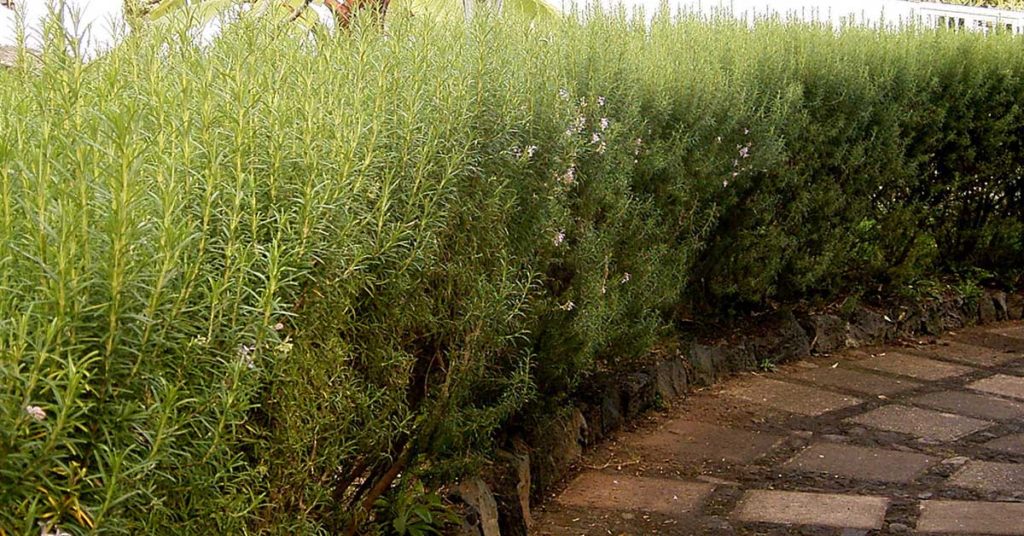
Instead of putting up a traditional fence, why not plant a living fence or hedge? Hedges made from native species like hawthorn, holly, or blackthorn provide year-round cover and nesting sites for birds and small mammals. They also produce berries, which are a valuable food source in the colder months. Hawthorn, for example, is native to many regions and is loved by birds for its dense branches and red berries.
Living fences are not only beneficial for wildlife, but they also add structure and beauty to your garden. They create natural windbreaks and privacy screens while supporting biodiversity. Watching a thrush hop through the hedge in search of berries or seeing a wren weave in and out of the branches is a delightful experience that makes all the effort worthwhile. Plus, they’re much more attractive than a plain old wooden fence!
Reduce or Eliminate Pesticides
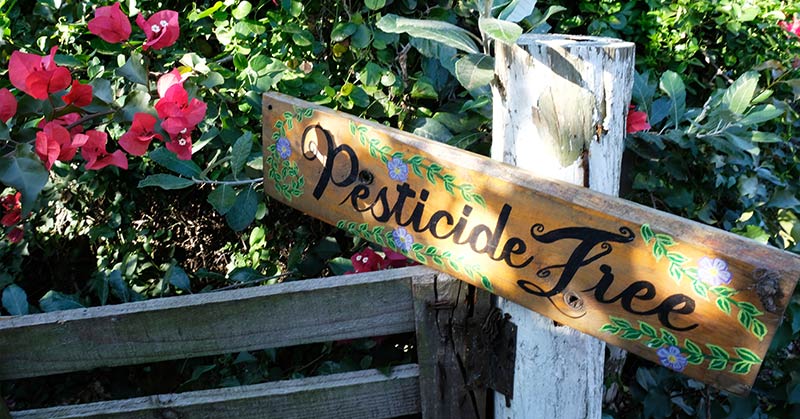
If you’re aiming to create a wildlife-friendly garden, one of the most important steps you can take is to reduce or eliminate pesticides. While they might help control pests, they can also harm beneficial insects, birds, and even mammals. Instead, try using natural pest control methods, like introducing beneficial insects such as ladybugs or using organic sprays like neem oil, which target specific pests without harming the wider ecosystem.
Encouraging a balanced ecosystem will help control pest populations naturally. Birds, bats, frogs, and even some insects are natural predators of garden pests. By creating a healthy environment with plenty of food, water, and shelter, you attract these allies into your garden, reducing the need for chemical interventions.