
There’s something quietly satisfying about a garden that looks after itself. While most outdoor spaces demand constant attention – mowing, watering, fertilizing, repeat – the gravel garden operates on an entirely different logic. It rewards restraint over effort, and with the right design choices, it can look genuinely stunning through every season.
The appeal isn’t just aesthetic. As summers grow hotter and water restrictions become more common, the case for a gravel garden has never been more practical. The gravel garden has never been more popular, thanks to the pressures of climate change and the increasing interest in drought-tolerant planting. What follows is a straightforward guide to building one that truly thrives on neglect.
Understand What a Gravel Garden Actually Is
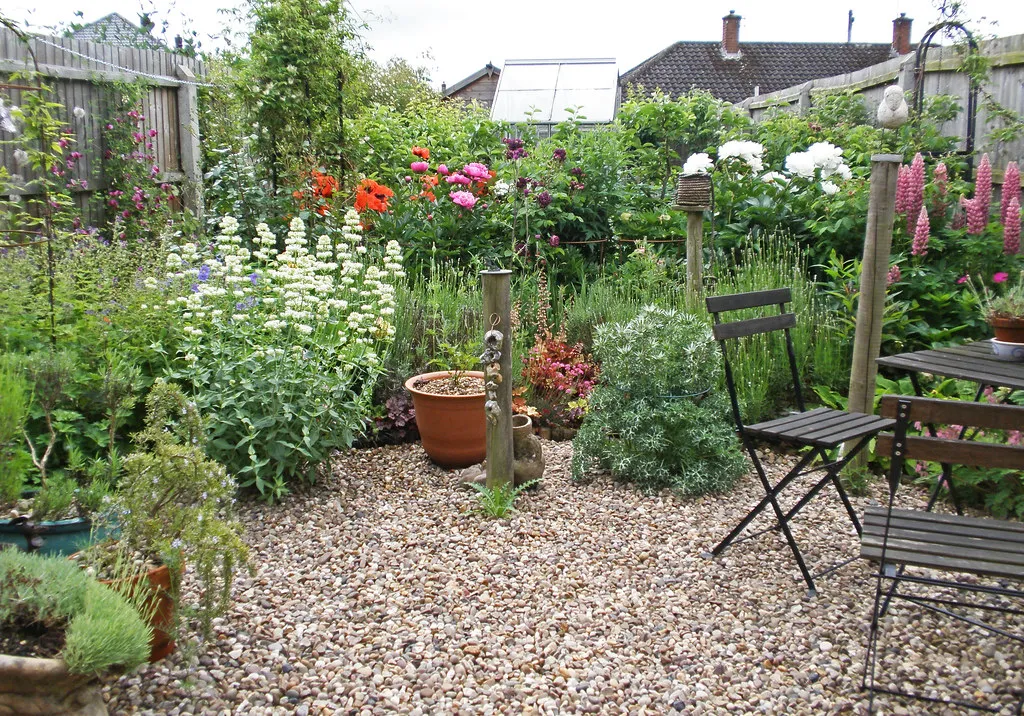
Before you start ordering stone, it helps to understand what distinguishes a gravel garden from simply spreading rocks over bare soil. Dry gardens generally mimic the conditions of stony, arid landscapes, where plants evolve to thrive in harsh, often hot conditions, and they are normally sited in a sunny position where free-draining soil already lends itself to this kind of planting.
Gravel gardening, also known as gravel landscaping, is a landscaping technique that involves using gravel or small rocks as the primary surface material in a garden or landscape design. The difference between success and failure often comes down to plant selection and preparation, not the gravel itself.
Drought-tolerant gardens are landscapes planned to use far less water than a conventional lawn and border. They rely on tough, climate-adapted plants, smart layout, improved soil structure, and efficient irrigation. Getting the fundamentals right from the start means you’ll spend far less time fixing problems later.
Choose the Right Type of Gravel
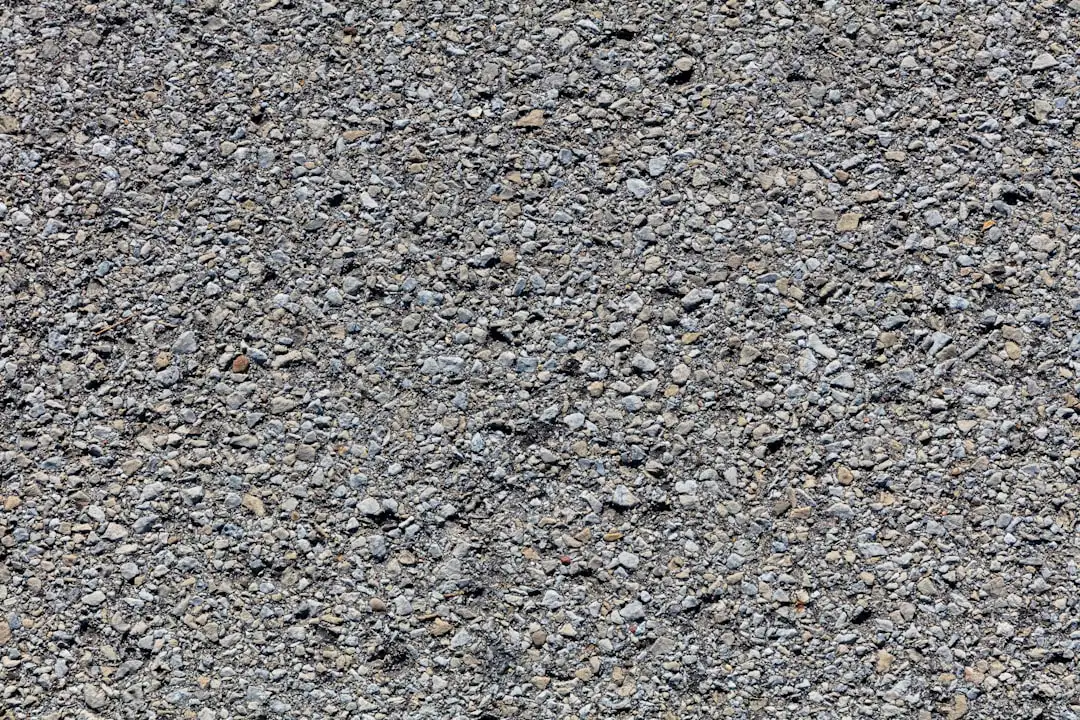
Gravel selection is a crucial aspect of a successful gravel garden. Opt for angular gravel rather than rounded pebbles, as angular stones interlock better, creating a more stable surface. Consider gravel sizes between 9–20mm for optimal compactness, and look for a gravel that suits the material palette and style you want to achieve.
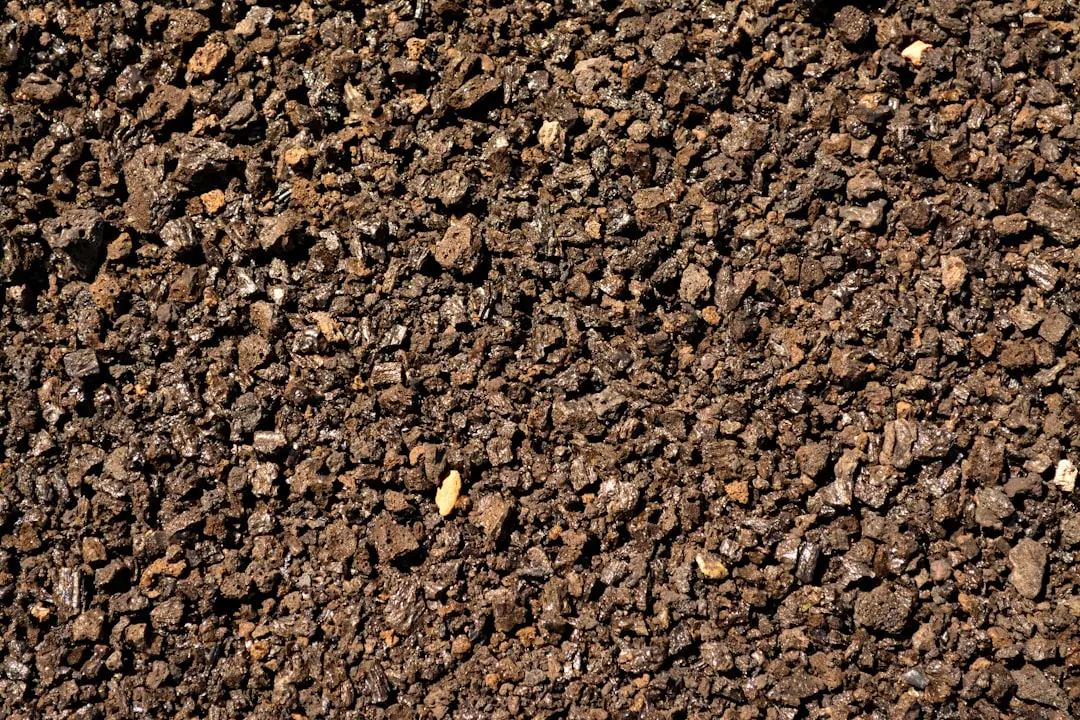
Different materials also serve different functions beyond appearance. Decomposed granite is finely crushed granite rock that has weathered to a granular consistency, is often reddish-brown in color, and is commonly used for pathways, patios, and as a low-maintenance ground cover. Lava rock is formed from solidified volcanic lava, is porous and lightweight, and is used for decorative purposes and as a mulch in xeriscaping due to its ability to retain moisture.
Decorative gravel comes in a wide range of colours, shapes, and sizes, catering to diverse tastes and garden designs. Whether you prefer smaller pebbles or larger cobbles in various colours, premium aggregates can add a touch of sophistication to your garden. Match your choice to your garden’s overall tone rather than picking purely for practicality.
Prepare the Ground Properly
Good preparation is the single most important thing you can do to reduce future maintenance. Strip existing sod and weeds down to bare soil, and remove roots and rhizomes from aggressive grasses, because if the grass grows back from root fragments, you’ll have problems later.
Grade the area for proper drainage so water flows away rather than pooling. For driveways with vehicle traffic, add at least three to four inches of compacted crushed stone, while for light-use paths, two to three inches is sufficient. Getting drainage right at this stage prevents waterlogging, which is the number one killer of Mediterranean and drought-tolerant plants.
While it is possible to make a gravel garden on any soil type, a predominantly sandy or gravelly soil naturally lends itself to this style. Gravel garden plants thrive in unimproved sandy soil with relatively low fertility. If you’re working with heavier clay, amend with grit or pea gravel to improve drainage.
Lay a Weed Barrier Strategically
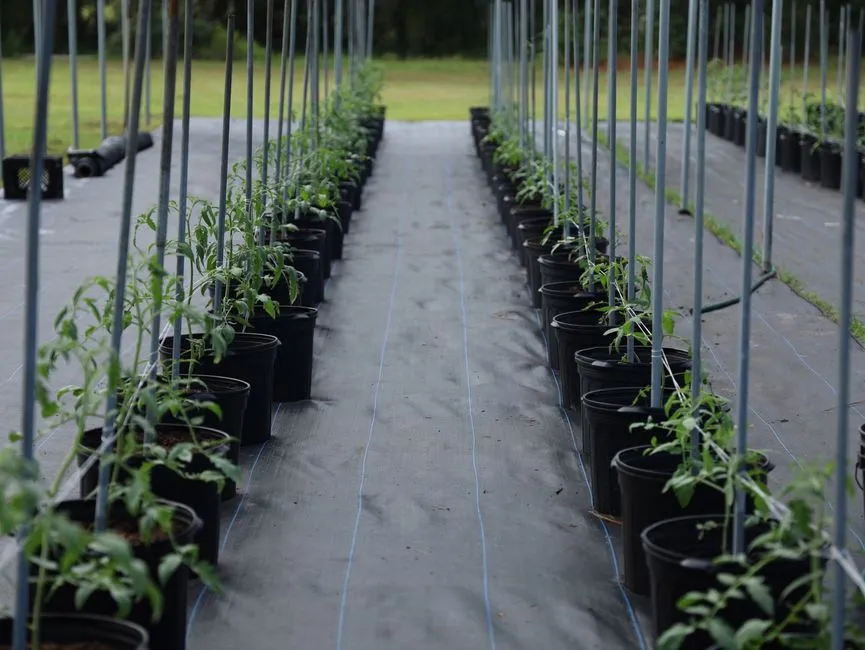
In a gravel garden, effective weed control actually starts before you lay the crushed stones down. To make weeding easier, create a weed barrier using landscape fabric, and you can even use this fabric to cover your flower beds, allowing cutouts wide enough to facilitate planting.
There are real trade-offs worth knowing about. The fabric creates a layer between the mulch and soil, preventing rock pieces from sinking into the soil. It also prevents soil from moving above the rock layer, which would bring weed seed to the surface or create a suitable place for windborne seeds to grow.
However, if your chosen plants need to self-seed, fabric becomes a problem. This tactic only works if the plants you’re growing don’t need to self-seed. Decide upfront whether you want a curated, fixed design or a more naturalistic space where plants spread and evolve over time. Both approaches work – they just require different preparation.
Select Plants That Are Built for This Environment
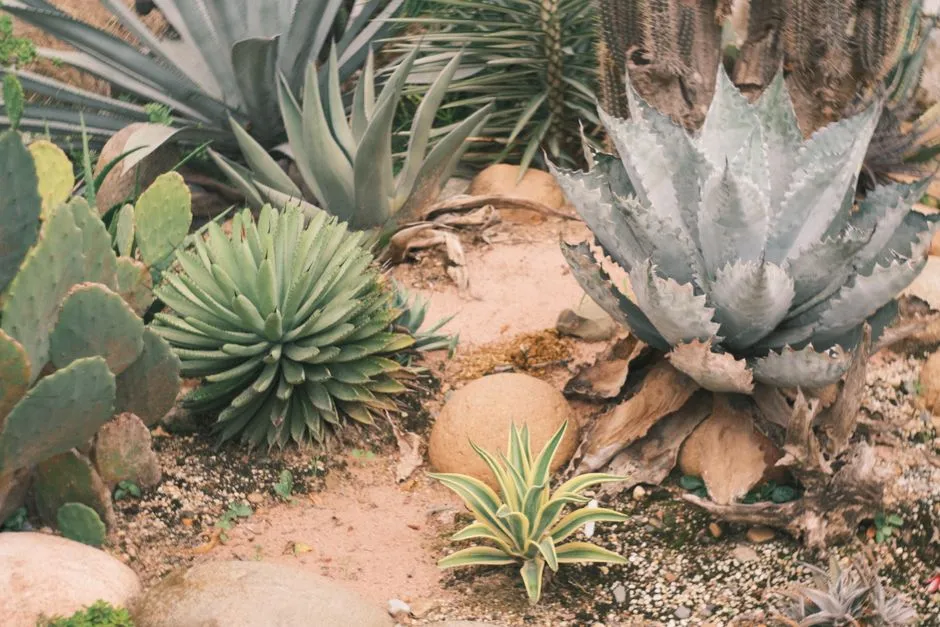
A gravel garden lends itself to Mediterranean-style drought-tolerant planting, so things like lavender, Verbena, Santolina, and Phlomis are ideal and provide plenty of nectar and pollen for visiting insects. These are plants that evolved in thin, fast-draining soils under intense sun, and they genuinely prefer it.
Among herbaceous perennials, some standout choices include catmint, Algerian iris, and evening primrose. For vertical interest, consider shrubs such as rockrose, St. John’s wort, and lavender. Ornamental grasses such as fountaingrass and feathergrass are also excellent options.
Drought-tolerant characteristics include silver or grey-green leaves to reflect the sun, and some have a coating of fine hairs on their leaves or stems, helping to trap in moisture. Plants will look best arranged in natural drifts of threes and fives and allowed to self-seed. That self-seeding habit is part of what gives a mature gravel garden its effortless, naturalistic quality.
Layer Your Planting for Year-Round Interest
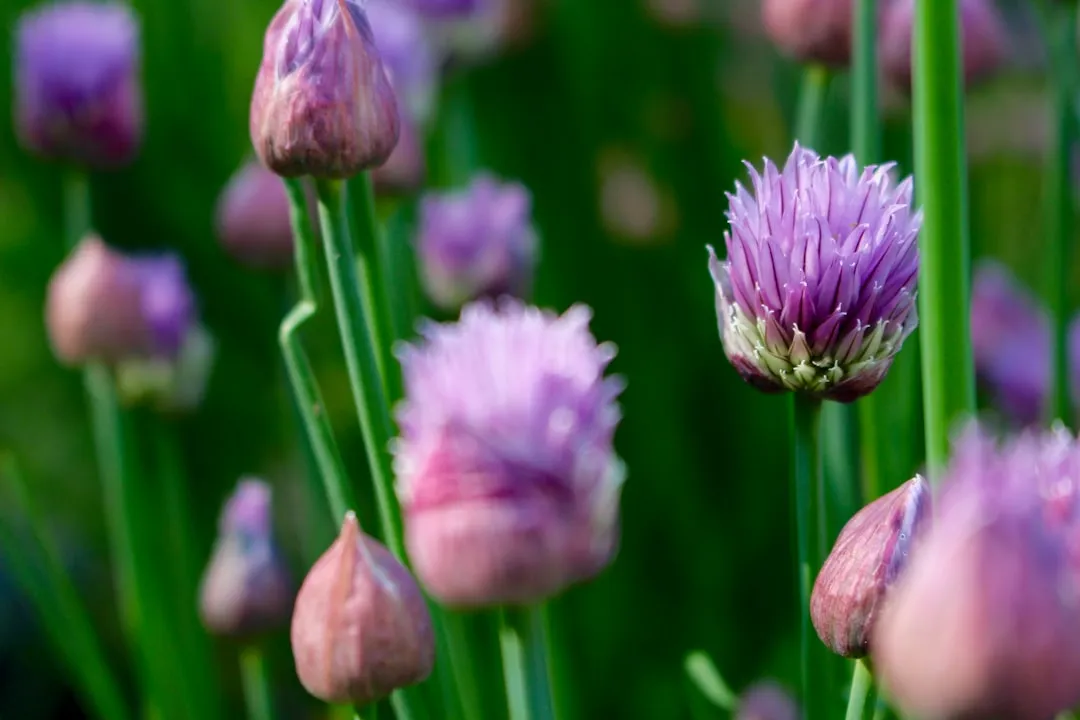
One of the more underrated design moves in a gravel garden is layering planting so that something is always happening. An additional layer of planting using bulbs will ensure that in spring and early summer, before many perennials have hit their stride, you can still have a good display. Choose a range of bulbs that will flower in succession and need little maintenance, such as narcissi, Iris reticulata, Allium cristophii, and bearded iris, which love the free-draining, sunny conditions.
A well-designed water-wise garden can be just as lush, colorful, and inviting as any traditional landscape. Many flowering perennials, such as lavender, blanket flower, and Russian sage, flourish with minimal water while providing long-lasting blooms. Pollinator-friendly plants like salvia, yarrow, and California poppy attract bees and butterflies while thriving in dry soil.
The goal is visual continuity, not constant color saturation. A mix of early bulbs, mid-season perennials, and late-flowering sedums or grasses keeps the garden alive from late winter through to the first frosts without any intervention from you.
Use Hardscaping to Add Structure
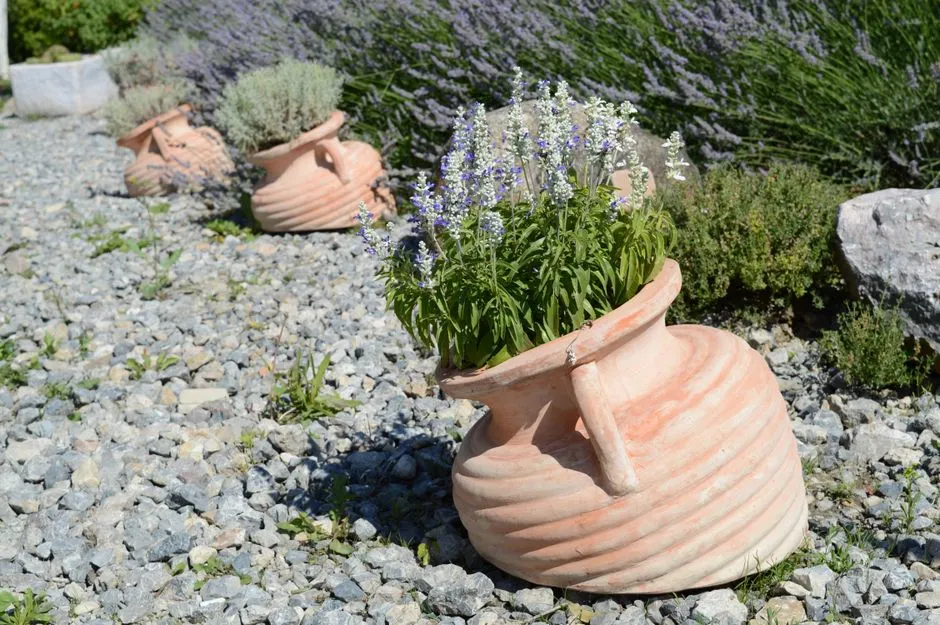
Gravel on its own can look unresolved without some deliberate structure to anchor the space. Elevate the elegance of gravel gardens with well-designed hardscaping elements. Natural stone pathways, strategically placed boulders, or a stylish seating area can provide structure and visual interest while requiring minimal maintenance.
The naturalistic look is what most people envision with a gravel garden, but there are areas where a permanent, neat edge is valuable, such as planting borders. Use metal edging to achieve a clean and crisp edge effect. The contrast between the loose informality of gravel and a sharp, deliberate edge is part of what makes these gardens look designed rather than abandoned.
Adding pathways through your gravel garden using pavers or flagstone creates a more natural look. A winding path also invites people to move through the space slowly, which is exactly the atmosphere most gravel garden designers are aiming for.
Master the Watering Approach
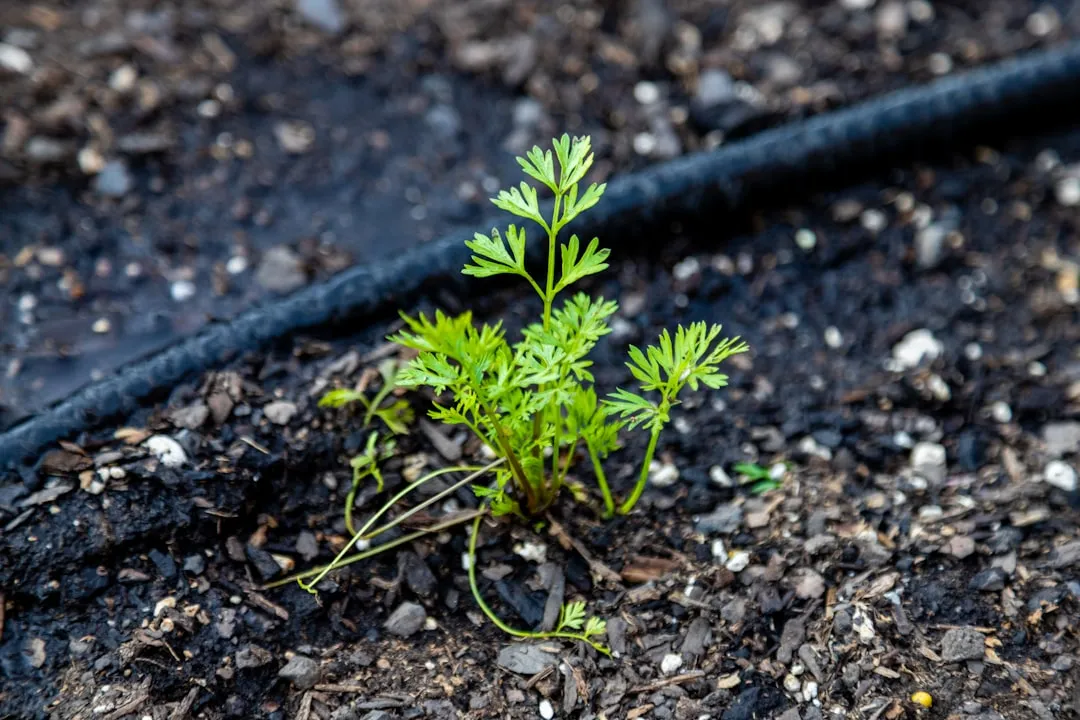
The entire point of a gravel garden is reduced watering, but getting through the establishment phase requires some attention. The gravel method takes a little longer to establish and water than conventional planting, but in two or three years, thrives on its own. Think of the first couple of seasons as an investment in future neglect.
Deep, infrequent watering trains plants to grow deep roots. Using drip irrigation and a simple timer adds consistency without effort. Once roots have pushed down into cooler, moister soil layers, plants become genuinely self-sufficient. By choosing the right plants for your conditions and by preparing the soil, plants can thrive with minimal or no additional watering.
While gravel gardens are known for their water-wise nature, some plants may still benefit from targeted irrigation. Installing a drip irrigation system with adjustable emitters ensures that specific areas receive the necessary moisture, reducing the need for manual watering. It’s a modest upfront investment that pays off considerably over time.
Keep Maintenance Simple and Seasonal
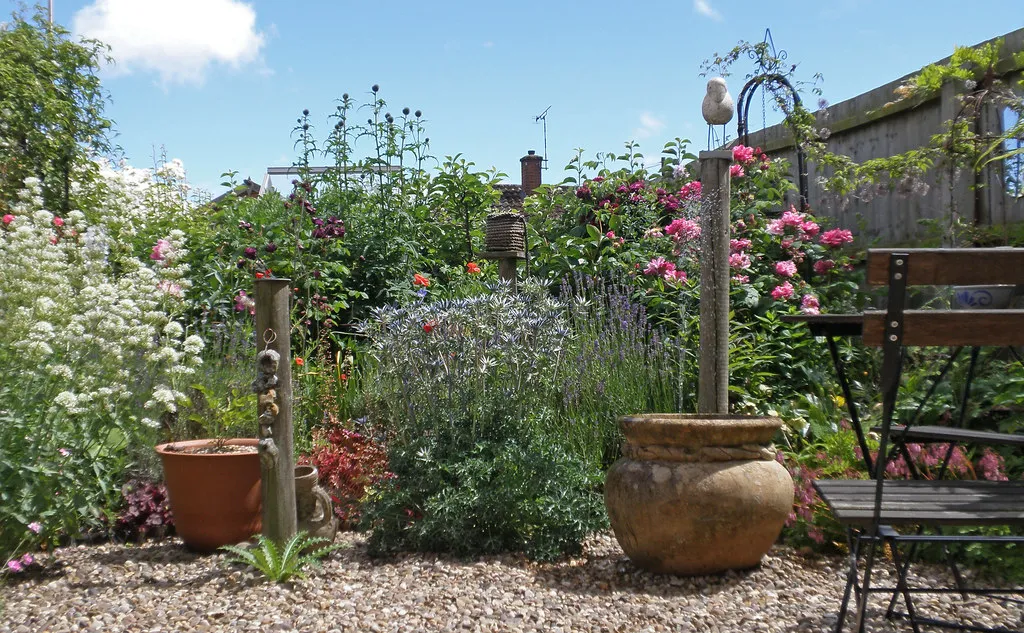
High-quality gravel and pebbles require minimal upkeep. Occasional cleaning with a leaf blower and weed control are typically all that’s needed. That’s genuinely it for most of the year. The management burden of a well-designed gravel garden is a fraction of what a traditional border demands.
While gravel gardens are inherently low maintenance, allocate time for periodic upkeep. This may include occasional weeding, pruning to maintain plant shapes, and replenishing gravel to preserve an even surface. Most gardeners find one or two short sessions per season is all that’s needed once the garden has established itself.
Shear catmint and salvias midseason to encourage reblooming, and cut grasses and perennials back in late winter. These are small, satisfying tasks rather than laborious chores, and they keep the garden looking intentional rather than simply overgrown.
Welcome the Wildlife That Will Follow
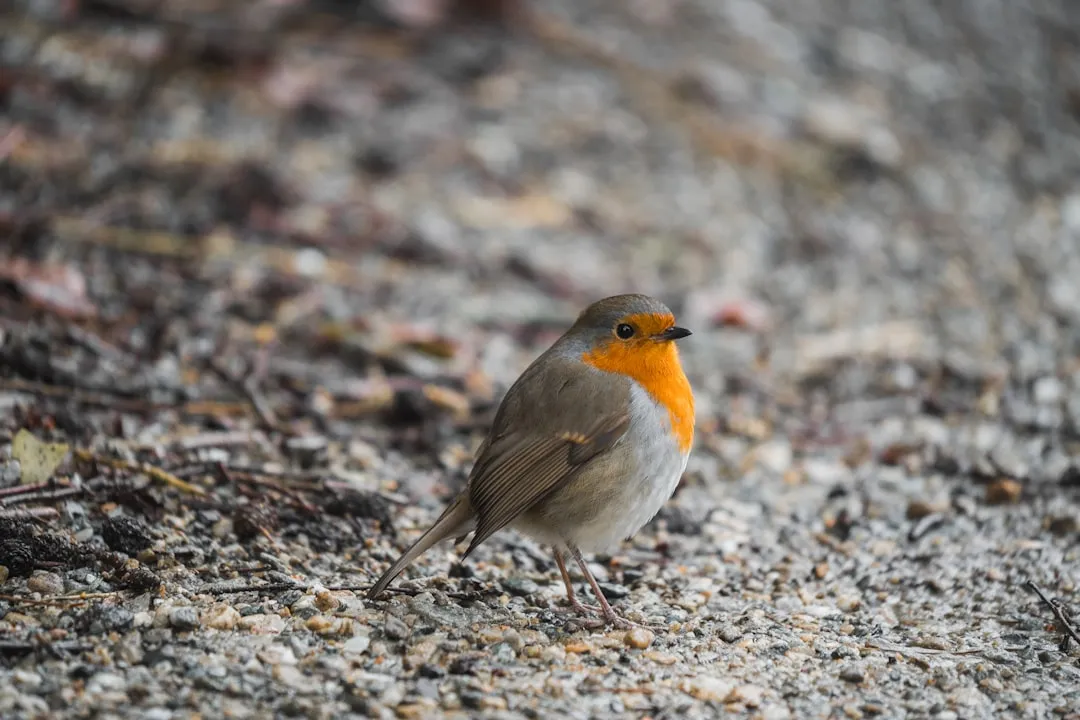
Perhaps the best argument for a gravel garden isn’t convenience. It’s the life it attracts. One of the most joyful benefits of a gravel garden full of bee-friendly planting is that it will be alive with insects, bees, ladybirds, moths, and butterflies all summer.
Inspired by the ecological benefits of gravel gardens, replacing lawn with gravel and drought-tolerant pollinator plants not only reduces the need for watering and mowing but also creates an environment where a greater diversity of plants can thrive. Research published in a 2024 study found that over 90 percent of farmland in Great Britain is within 1 km of a garden, and therefore positive actions by gardeners could have widespread spillover benefits for pollinators across the country.
Consider adding a water feature to your gravel garden, such as a birdbath or small pond, to attract wildlife and create a calming ambience. Even a shallow dish of water kept consistently filled can draw in a surprising number of visitors, from songbirds to solitary bees.
A Final Thought

Gravel gardens ask something a little counterintuitive of their owners: trust. Trust that planting the right things in the right conditions, then largely stepping back, produces something more beautiful than constant intervention ever could.
As summers get hotter, a gravel garden is a sustainable choice requiring less water. In a broader sense, it’s also a more honest approach to gardening – one that works with climate rather than against it.
The gardens that age best are rarely the most manicured. They’re the ones where every plant earned its place, and the space quietly carries on, season after season, without being asked.
AI Disclaimer: This article was created with the assistance of AI tools and reviewed by a human editor.