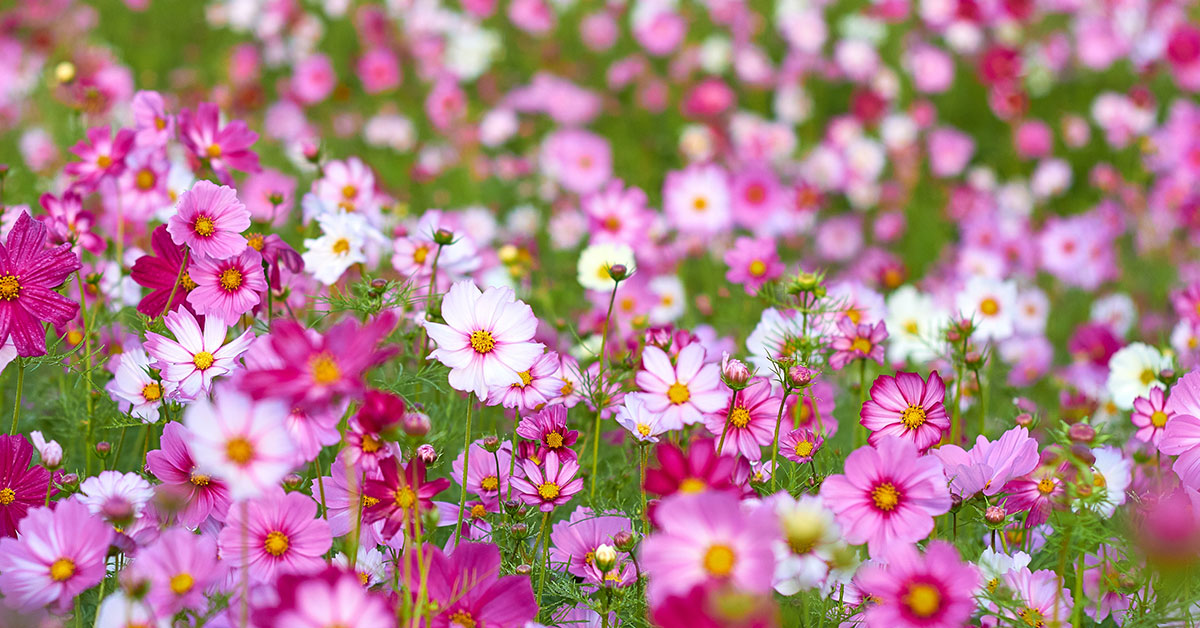

Are you a passionate gardener looking to add a touch of celestial beauty to your garden? Look no further than cosmos flowers! Known for their vibrant colors and delicate petals, cosmos plants are a popular choice for many garden enthusiasts. What’s even better is that you can easily collect cosmos seeds to grow your own stunning blooms year after year.
In this article, we will guide you through the process of collecting cosmos seeds, from choosing the right time to harvest, to the proper techniques for storing and preparing them for planting. Get ready to embark on a cosmic adventure as we delve into the secrets of collecting cosmos seeds and nurturing these enchanting flowers in your very own garden.
How to Collect cosmos seeds
Collecting cosmos seeds is a fairly simple process. Here’s a step-by-step guide to help you:
- Identify the right time to collect seeds: Cosmos flowers produce seeds after they have bloomed and the flowers have started to fade. Wait until the flower heads have dried up and turned brown.
- Prepare your equipment: You will need a pair of scissors or pruning shears, a clean and dry container (such as a paper bag or envelope), and a marker or label.
- Locate the seed heads: Look for the dried flower heads on the cosmos plants. They are usually found at the top of the stems.
- Cut the seed heads: Using your scissors or pruning shears, carefully snip off the seed heads. Place them into your container.
- Separate the seeds: Once you have collected a few seed heads, gently rub them between your fingers to separate the seeds from the dried flower heads. Be careful not to damage the seeds.
- Clean the seeds (optional): If you notice any debris or plant matter mixed with the seeds, you can gently blow on them or use a fine sieve to remove impurities.
- Label and store the seeds: Use your marker or label to write down the name and date of collection on your container. This will help you keep track of the seeds. Store the container in a cool, dry place until you are ready to plant them.
Remember, cosmos seeds are generally easy to collect and store. By following these steps, you should be able to successfully collect cosmos seeds for future planting.
Why Collect cosmos seeds?
There are several reasons why one might consider collecting cosmos seeds:
- Planting and Growing: Cosmos flowers are known for their vibrant colors and delicate beauty. By collecting seeds, you can grow your own cosmos plants and enjoy their stunning blooms in your garden or yard.
- Cost-effective: Buying packets of cosmos seeds can be more economical than purchasing fully-grown plants from a nursery or garden center. Collecting seeds from existing cosmos plants allows you to propagate new plants for free, saving you money in the long run.
- Conservation: Collecting and saving seeds from cosmos plants can contribute to the conservation of this species. By preserving the genetic diversity of cosmos through seed collection, you help ensure that these beautiful flowers continue to thrive for future generations.
- Sharing with others: Cosmos seeds make great gifts for fellow gardening enthusiasts. By collecting and sharing your seeds, you can spread the joy of growing cosmos flowers to friends, family, and neighbors.
- Educational purposes: Collecting cosmos seeds can be a fun and educational activity for children and adults alike. It provides an opportunity to learn about plant life cycles, seed saving techniques, and the importance of biodiversity.
Remember to follow proper seed collection techniques to ensure the viability and health of the collected seeds.
Problems with collecting cosmos seeds
There are several potential problems that can arise when collecting cosmos seeds. Some of these include:
- Cross-pollination: Cosmos plants are known to cross-pollinate easily, especially when different varieties are grown in close proximity. This can result in seeds that do not produce true-to-type plants, meaning the offspring may not resemble the parent plant.
- Contamination: If the cosmos plants have been exposed to chemicals, pesticides, or other pollutants, the collected seeds may also carry these contaminants. This can affect the health and viability of the seeds, as well as the plants grown from them.
- Disease and pests: Cosmos plants can be susceptible to various diseases and pests, such as fungal infections, aphids, and leafhoppers. If the parent plants are infected or infested, the collected seeds may also carry these issues, leading to poor germination or unhealthy plants.
- Improper seed handling: If the seeds are not collected and stored properly, they may become damaged, moldy, or lose their viability. Factors such as moisture, temperature, and light exposure can all impact the quality of the seeds.
- Lack of genetic diversity: Collecting seeds from a limited number of plants can result in a lack of genetic diversity. This can make the plants more vulnerable to diseases, pests, and environmental changes, potentially reducing their overall vigor and adaptability.
To mitigate these potential problems, it is important to carefully select healthy and disease-free parent plants, ensure proper isolation to prevent cross-pollination, practice good seed handling and storage techniques, and periodically refresh the seed stock to maintain genetic diversity.
Other considerations
When collecting cosmos seeds, there are a few important considerations to keep in mind:
- Timing: Cosmos plants produce seeds towards the end of their blooming season. It is essential to wait until the flowers have dried up and the seeds have fully matured before collecting them. This ensures that the seeds are viable and have the best chance of germination.
- Seed selection: Choose healthy and well-formed seeds for collection. Avoid seeds that are discolored, damaged, or have signs of disease or pests. Selecting high-quality seeds will increase the likelihood of successful germination and healthy plant growth.
- Storage: Proper storage is crucial for preserving seed viability. After collecting the seeds, make sure they are completely dry before storing them. Place the seeds in airtight containers, such as small envelopes or glass jars, and store them in a cool, dry, and dark location. Label the containers with the seed variety and collection date for easy identification later on.
- Labeling and organizing: Keeping track of the different cosmos seed varieties is important, especially if you have multiple types. Use labels or markers to clearly identify the seed containers, noting the variety, color, or any other relevant information. This will help you keep track of your collection and make it easier to plant specific varieties in the future.
- Sharing and exchanging: If you have an abundance of cosmos seeds, consider sharing them with fellow gardeners or participating in seed exchanges. This allows you to diversify your seed collection and support the preservation of different cosmos varieties.
- Local regulations: It’s worth noting that in some regions, collecting seeds from certain plant species may be regulated or even prohibited. Check with local authorities or botanical organizations to ensure that collecting cosmos seeds is allowed and to learn about any specific guidelines or restrictions.
Remember, collecting seeds from plants not only allows you to propagate them but also helps preserve biodiversity and ensure the availability of future generations of these beautiful flowers.