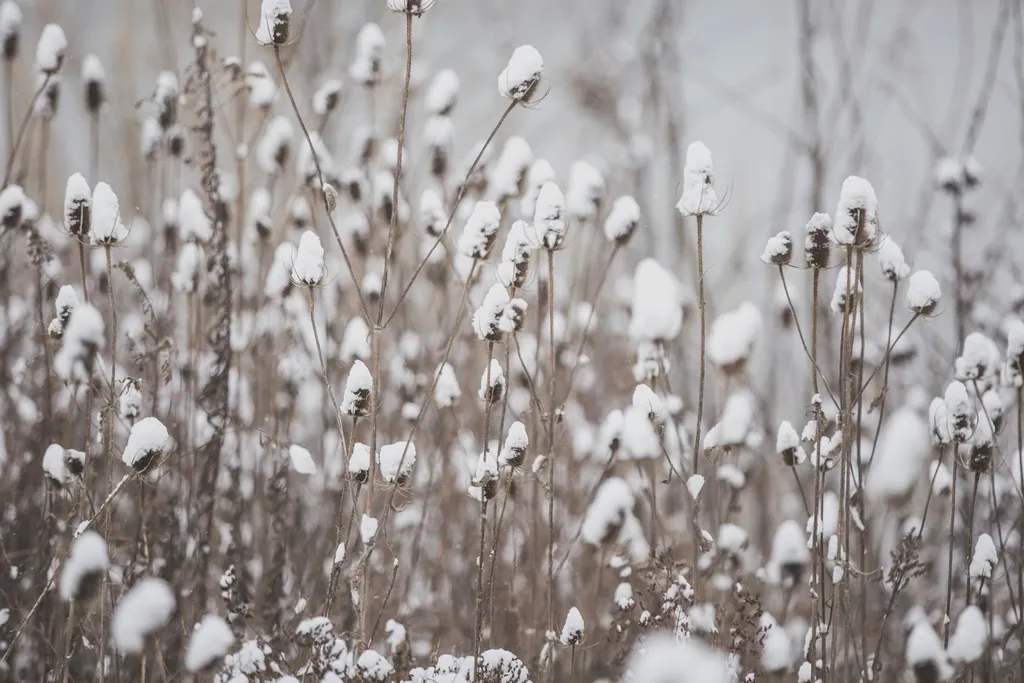

Walk past an uncut patch of big bluestem in January and you’ll hear it before you see it. The dry stalks rustle, a sparrow darts between stems, and somewhere near the base, invisible to you, small mammals are going about the business of surviving winter. That patch of standing grass is doing far more than looking picturesque. It’s functioning as thermal cover, a seed pantry, a highway, and a nest site all at once.
The connection between native grasses and winter wildlife habitat is well-documented but still underappreciated by most gardeners and landowners. Choosing the right species, placing them thoughtfully, and managing them with restraint can transform even a modest yard into a genuinely productive refuge when conditions outside are at their harshest.
Why Native Grasses Matter More in Winter Than Any Other Season
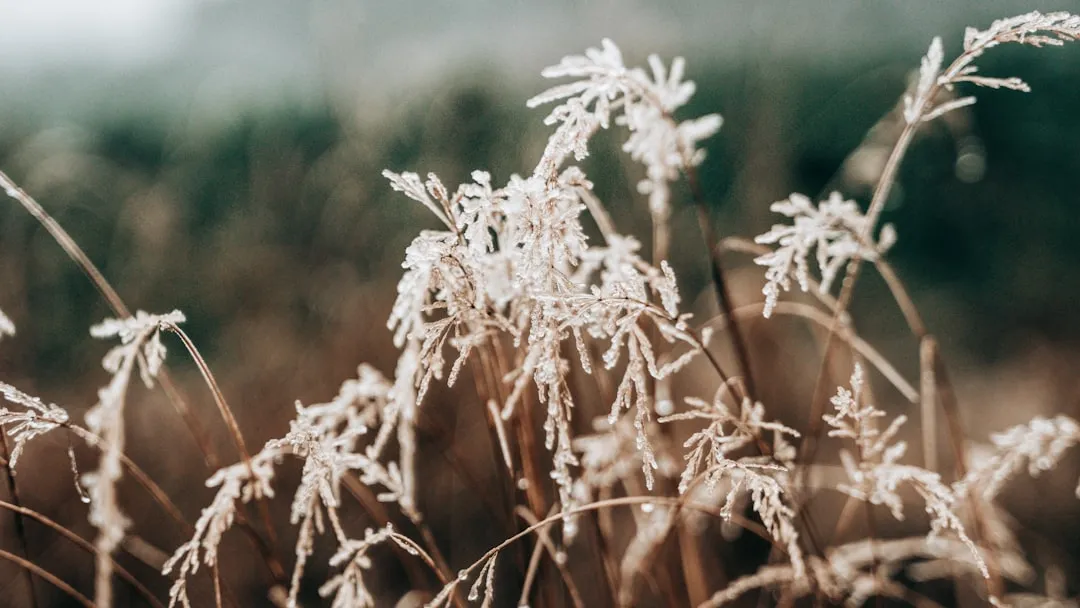
Winter cover, which can be scarce in some landscapes, is perhaps one of the most important habitat elements warm-season grasses provide. Most ornamental plantings collapse under snow load or go entirely dormant in a way that leaves wildlife exposed. Native warm-season grasses are built differently. The tall stems are very rigid and remain standing throughout the winter, providing shelter for wildlife.
If heavy snow cover weighs the grasses down, they can return to their upright position as the snow melts. That resilience matters enormously for the animals depending on them. Native grasses offer hiding places and shelter for various wildlife, including insects, small mammals, and birds. The dense growth of grasses provides protective cover from predators and harsh weather conditions.
Understanding the Subnivean Zone: The Hidden World Native Grasses Create
The most important function of native grasses in winter is providing a subnivean environment, which is an insulated shelter beneath the snow. When snow builds up around prairie grasses, some of it melts at ground level while more snow accumulates and freezes above it. This creates a space close to the ground that can maintain consistent warmth even as the air above the snow stays very cold.
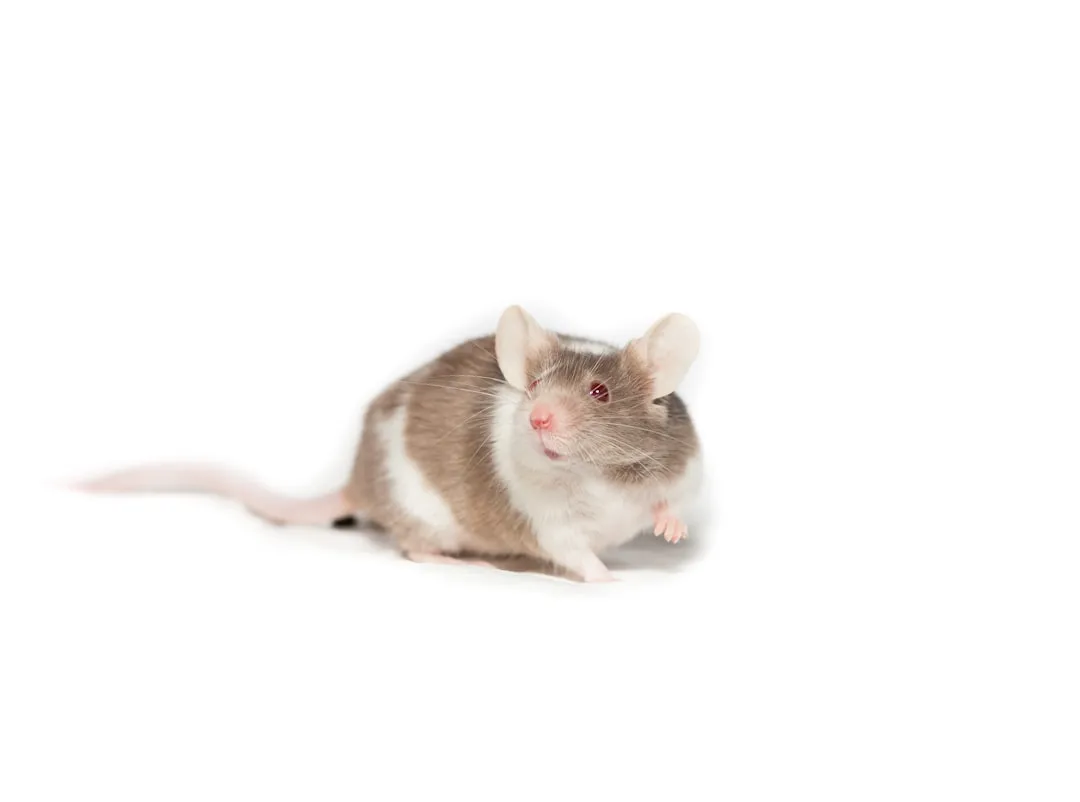
Mice, voles, and shrews retreat to the subnivean zone for protection from cold temperatures, bitter winds, and hungry predators. Food is right at hand: grass, leaves, bark, seeds, and insects are free and unfrozen. Under the snow, these tiny mammals create long tunnel systems complete with air shafts to the surface above. Without the physical structure of standing native grasses to prop up that snow layer, the subnivean zone simply does not form properly.
Smaller groupings of grasses and shorter grass species will create this shelter for small mammals like mice, voles and shrews, while larger groupings or taller grasses will create a bigger subnivean shelter for larger mammals such as rabbits or foxes. So the size and species of grass you plant directly influences which animals you support.
Big Bluestem: The Cornerstone Species for Tall Winter Cover
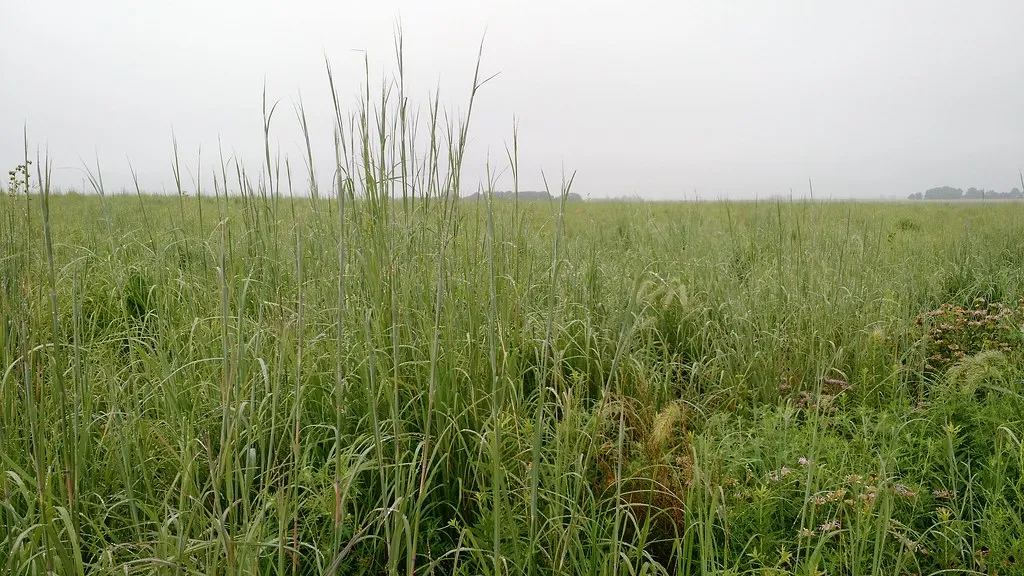
Big bluestem (Andropogon gerardii) is a perennial, tall, warm-season native grass found across the prairies of North America. It is a key component of prairie ecosystems and is valued for its wildlife benefits, soil erosion control, and forage quality. Big bluestem provides essential habitat for birds, small mammals, and pollinators, while its deep roots help improve soil health and water retention.
Big bluestem grows to a height of 4 to 7 feet at full maturity, with a characteristic tall, upright growth habit. It offers year-round habitat, providing cover in winter and forage during the growing season. It attracts a wide range of wildlife, including upland game birds like pheasants and quail, by providing nesting cover and food.
Big bluestem, though it lodges more easily in winter, does provide better nesting cover than switchgrass, since there tends to be some room underneath for birds to maneuver. That open space at ground level is critical, allowing birds and small animals to move freely within the shelter the stems create above them.
Switchgrass: The Reliable Upright Performer in Cold Conditions
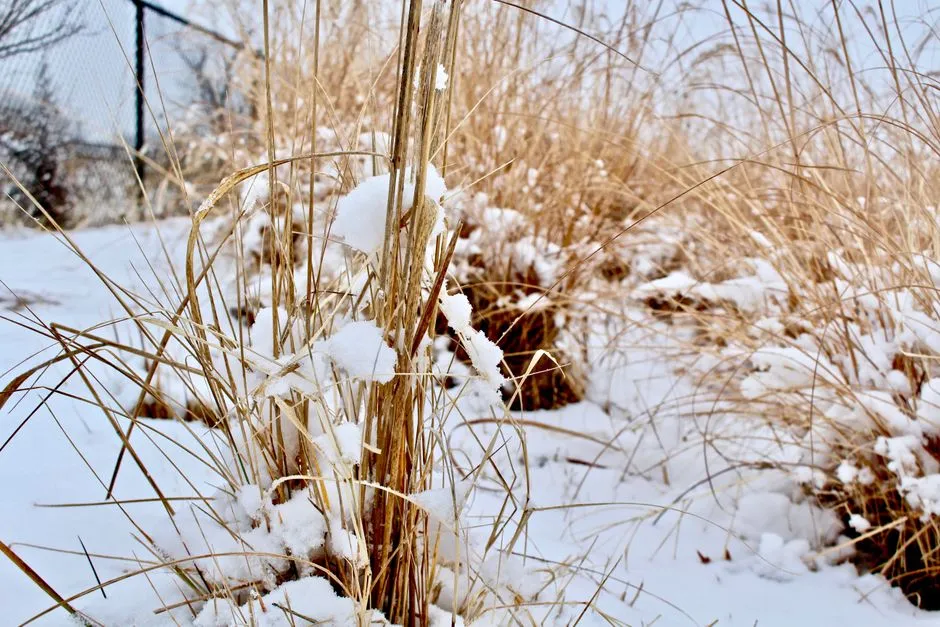
Switchgrass (Panicum virgatum) earns its reputation as one of the most structurally dependable grasses through a northern winter. Switchgrass does a much better job of staying upright throughout the winter, and provides better winter cover than many comparable native grasses. Its stiff culms resist bending under heavy snow accumulation, which is exactly what wildlife needs when temperatures plummet.
Switchgrass is a native North American warm-season clumping grass featuring many benefits: it is drought-tolerant, great for erosion control, provides wildlife habitat, and is attractive in the landscape. Switchgrass is also an excellent alternative to the invasive Chinese silvergrass (Miscanthus sinensis), making it a strong choice for anyone wanting to replace non-native ornamentals with something that genuinely functions for wildlife.
Little Bluestem: The Best Choice for Small Garden Spaces
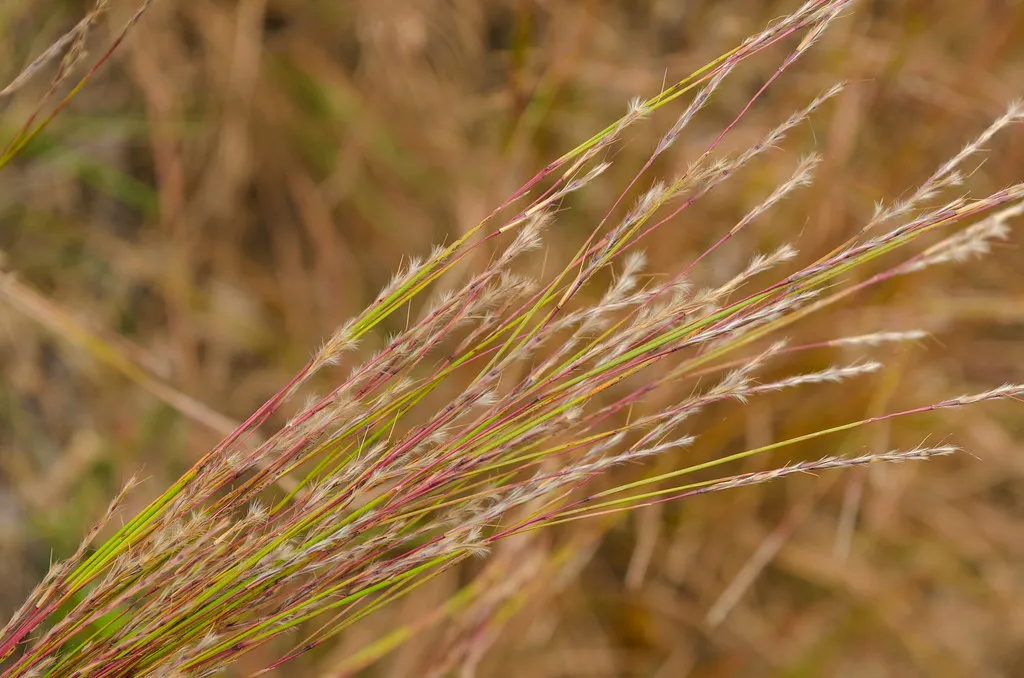
Little bluestem grass offers immense ecological value, making it a cornerstone of native plant landscaping. At a more manageable height than big bluestem, it fits comfortably into residential yards while still delivering meaningful winter benefits. Its seed heads provide a valuable food source for birds in late fall, while its foliage offers shelter for overwintering insects.
As a larval host plant, it supports native butterfly species like the Ottoe skipper and Cobweb skipper, which rely on this grass for their life cycles. In late summer and early fall, its seed heads become a critical food source for birds, providing nourishment when other food is scarce. Few plants deliver this kind of layered value across multiple seasons.
Including little bluestem in a planting mixture is especially important for nesting cover. Its relatively dense basal clumps offer insulation right at ground level, where many species of sparrows and other ground-foraging birds spend most of their winter days.
The Right Mix of Grass and Forb: Why Diversity Outperforms Monoculture
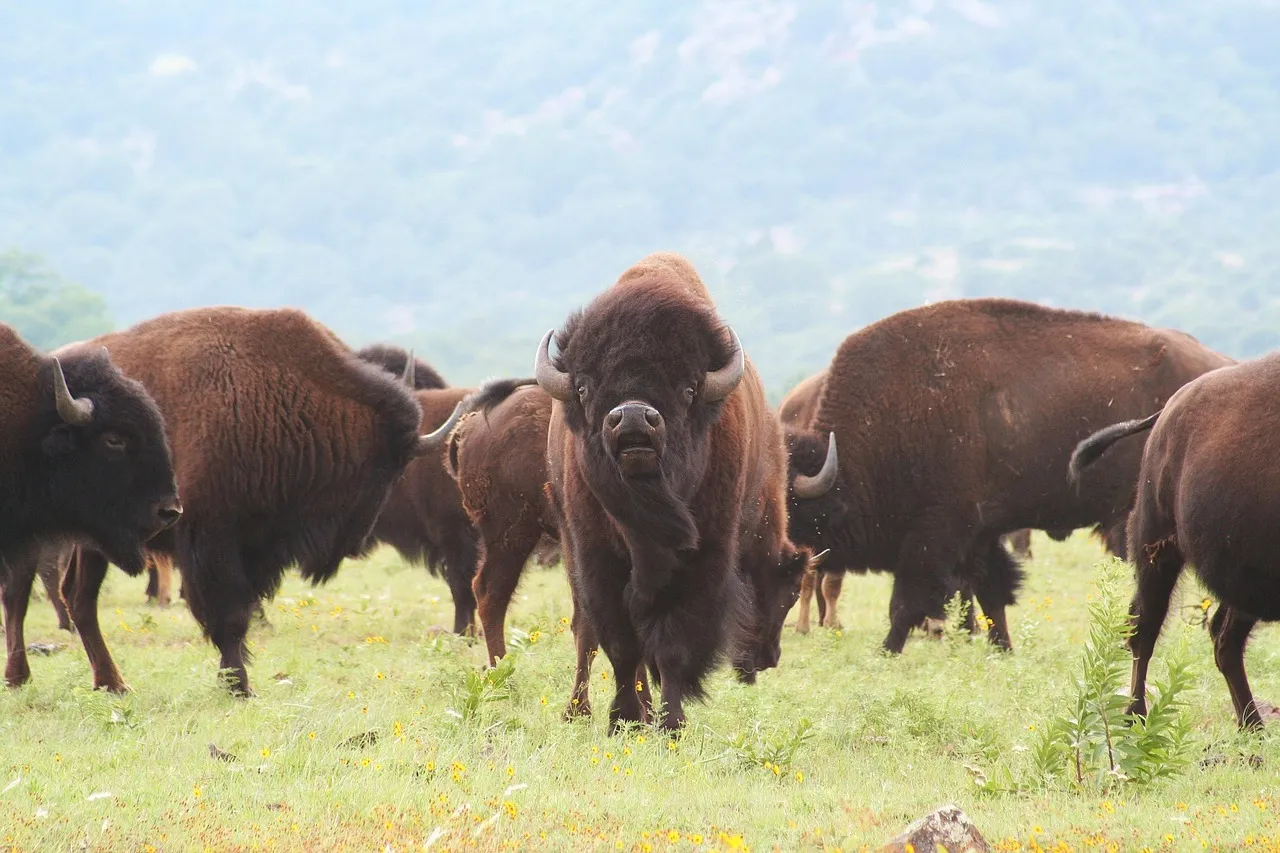
Native grasslands are a unique habitat that can be comprised of roughly a dozen species of native grasses and up to 200 forbs. Only the right mix of the grasses and flowers will provide the optimum habitat for wildlife. A stand of a single grass species, however well-chosen, won’t approach the ecological richness of a mixed planting.
Research from Tallgrass Ontario suggests the optimum mix for a grassland is roughly 50 percent grasses and 50 percent forbs. It’s the spaces in between the plants that provide corridors and spaces to move, feed and escape from predators that make native grasslands such a quality spot for birds and small mammals.
It is best to plant native wildflowers along with your warm-season grasses to create a diverse habitat that mimics a natural prairie. When augmented with multiple forb and legume species, warm-season grass fields increase the structural heterogeneity of fields and are associated with higher diversity in mammals, arthropods, pollinators, and birds.
How Mowing and Management Choices Determine Winter Value
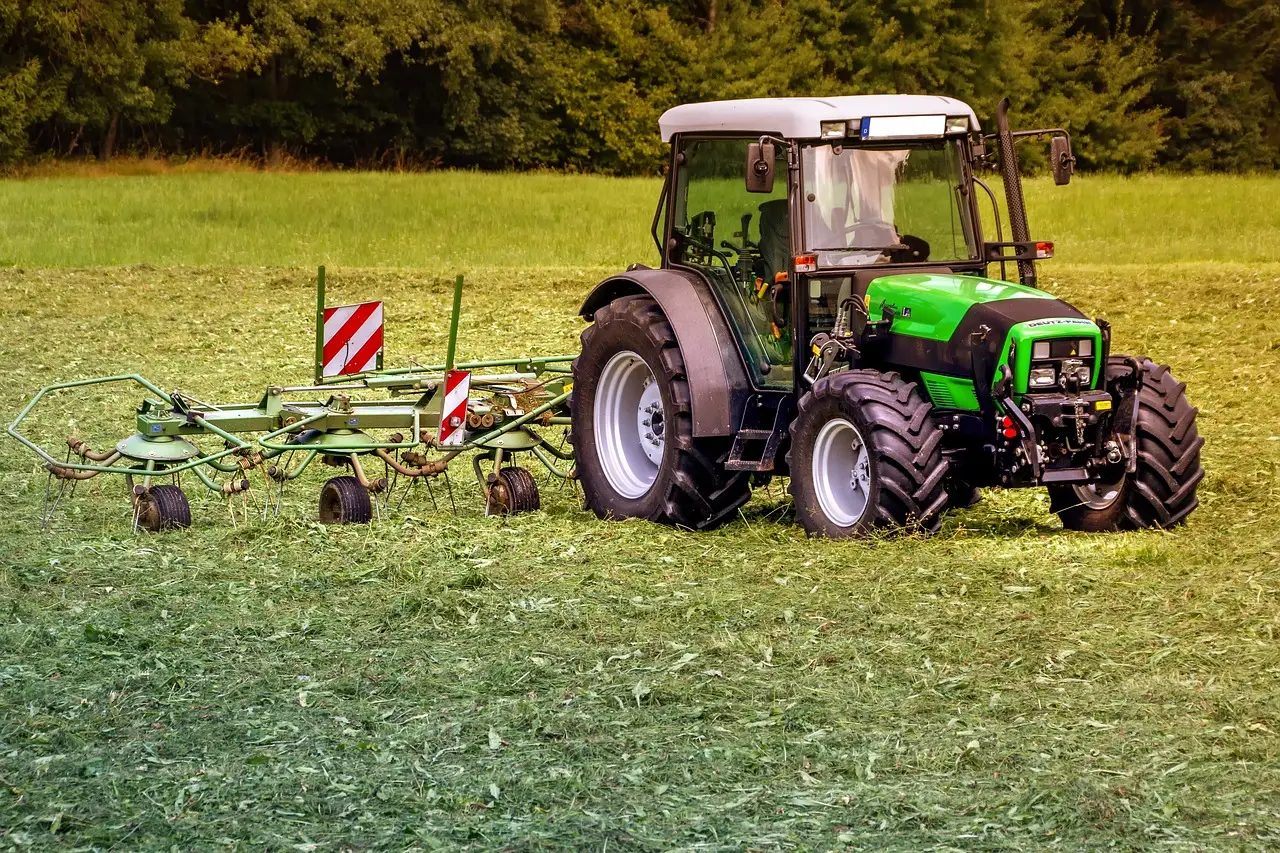
One of the most common mistakes landowners make is cutting native grasses too aggressively or too late in the season. An important consideration for wildlife is to cut or graze the stand only once per year. A second cutting can reduce winter cover for wildlife and render the field similar to a field of cool-season grasses. Once that cover is gone, it won’t return until the following growing season.
Establishing warm-season grasses requires planning to maximize success and then patience while the grasses become established. Weed control is essential before and immediately after planting, but once the warm-season grasses are established, they require little maintenance. That low-maintenance quality is one of the genuinely appealing aspects of native grass plantings for most homeowners.
The timing of any cutting or burning matters enormously. Spring management, after winter cover has served its purpose, is generally preferred by wildlife managers. Cutting in fall or early winter removes shelter precisely when it is most urgently needed by the animals relying on it.
The Seed Heads: A Winter Food Source Wildlife Cannot Afford to Lose
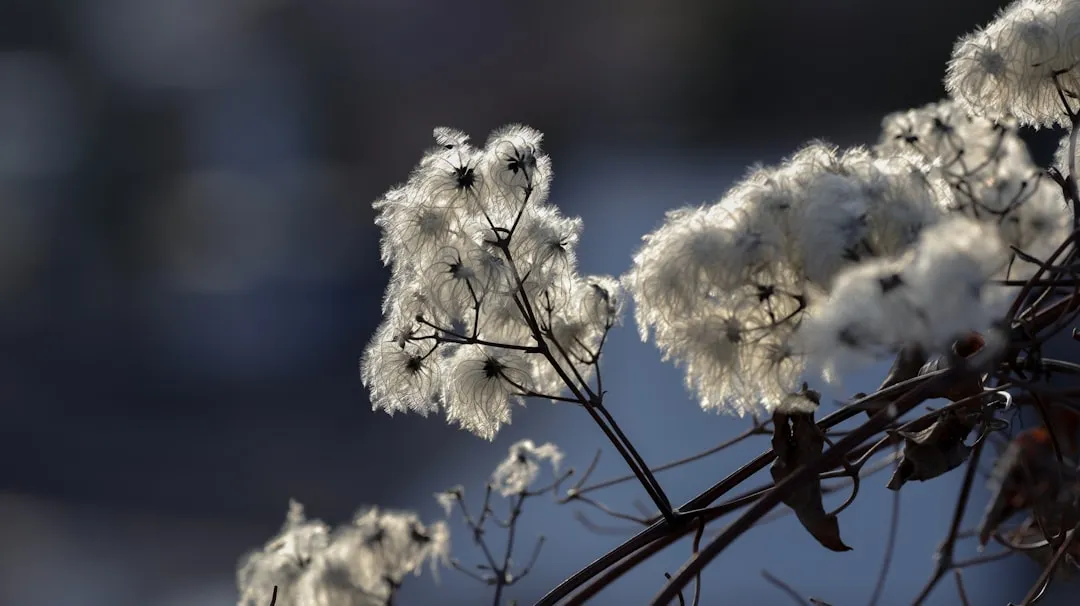
Many native grasses produce seeds that are a valuable food source for birds, small mammals, and insects. The seeds of native grasses attract species like sparrows, finches, quails, and ground-feeding birds. These seed heads persist through winter and continue providing calories during the months when energy demands on wildlife are highest.
Observations from gardeners confirm birds like American Tree Sparrows that have migrated south from tundra breeding grounds often feed exclusively on the seeds of big bluestem and related native grasses in winter gardens, even when bird feeders are nearby. That behavioral preference says something important about the nutritional and ecological role these plants play.
Seeds, nuts, grasses, lichens, fungi, and insects are all available in the subnivean zone, helping mice, voles, and shrews keep up with the high energy demands of winter, fueling their extraordinarily high metabolisms. Standing native grasses keep those seeds accessible from above and below the snow line simultaneously.
The Broader Crisis: Why Every Planting Decision Counts Now
The urgency of planting native grasses for wildlife goes beyond individual garden aesthetics. Throughout the northeastern United States, grassland birds have been in rapid decline over the last several decades, with some species declining by 70 to 90 percent. This dramatic decline is due to changes in land use, loss of habitat resulting from development, the loss of small family farms, changes in farming practices, grassland fragmentation, and reforestation.
On average, the United States is losing roughly 2.5 million acres of grasslands per year. Research by the Audubon Society found that roughly 42 percent of grassland birds are highly vulnerable to climate change under current rates of carbon emissions. Private landowners planting even modest areas of native grass genuinely help fill a gap that conservation programs alone cannot close.
With roughly 84 percent of central grasslands in the United States in private ownership, collaboration with individual landowners is critical to conservation success. The decision to plant native grasses rather than maintain a conventional lawn or ornamental border is, in that context, a meaningful conservation act.
Matching Your Grass Choice to Your Site and Region
A number of warm-season grasses are native to different regions, including big bluestem, little bluestem, indiangrass, and switchgrass, and each has its preferred soil conditions, moisture tolerances, and height characteristics. Choosing a species that is well-adapted to your specific site is the single most important factor in establishing a successful planting.
When properly managed for wildlife, bunch grasses with their distinctive growth form leave open space at ground level, providing mobility for small wildlife and opportunity for forbs to grow. That open ground-level structure is not present in all native grasses equally, so understanding each species’ architecture before planting pays dividends for wildlife later. Old fields dominated by dense monocultures do provide some habitat that mimics grasslands, but their densities are usually too thick to provide quality habitat, and the monoculture nature does not provide the spaces for foraging or roaming that native grasslands do.
Regional native plant nurseries and your local cooperative extension service are the most reliable sources for species recommendations tailored to your county or ecoregion. Planting locally sourced seed or plugs also ensures the genetic material is adapted to your specific climate conditions, which matters for long-term establishment and seasonal timing.
Conclusion: A Living Landscape That Works Through the Coldest Months
Choosing native grasses for winter wildlife shelter is, at its core, a straightforward act of ecological alignment. Whichever species you choose, you will help create a more robust habitat for mammals seeking shelter during the winter, and these native grasses along with forbs and shrubs will support a healthy ecosystem all year round. That means benefits for insects and birds as well as mammals.
The animals that rely on standing native grass through December and February are not simply getting by. They’re surviving, feeding, and in some cases raising young in a system that has functioned this way for thousands of years. Our role is simply to stop removing it.
A yard with a patch of switchgrass left standing and a clump of little bluestem near the fence line is a yard that stays productive long after every other garden has gone quiet for the season. That’s not a small thing.
AI Disclaimer: This article was created with the assistance of AI tools and reviewed by a human editor.