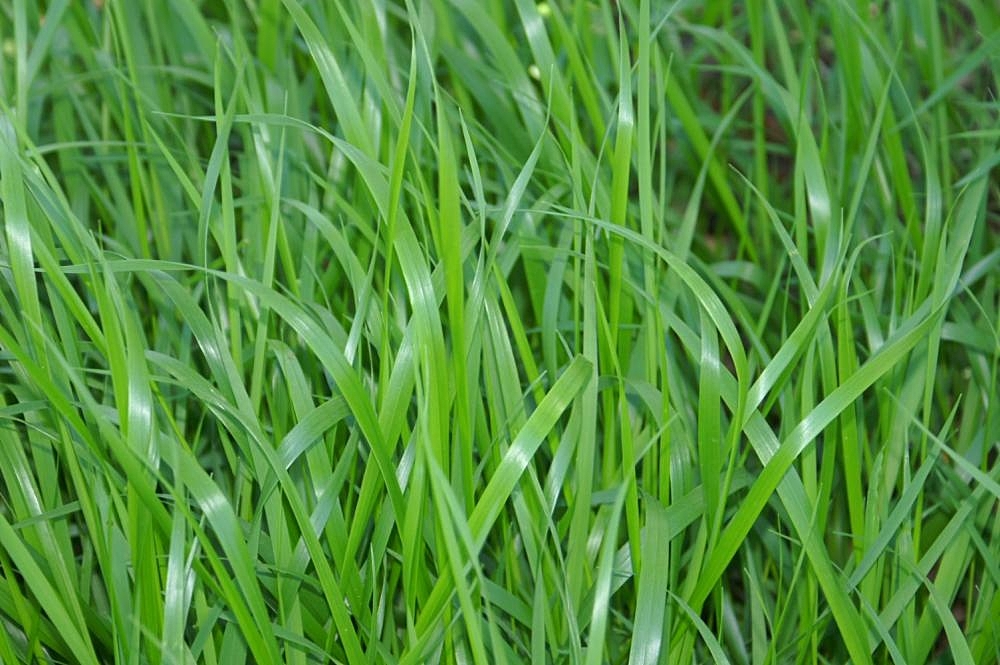

September is that magical month where summer lazily drifts into fall, and your lawn is in a critical stage of recovery and preparation. After enduring the stress of summer heat, drought, and all those outdoor activities, your lawn could use some extra TLC to bounce back. And let’s be honest, we all want that lush, green carpet of grass that looks like it could be on the cover of a gardening magazine! But I know it can be tough to figure out exactly what your lawn needs as the seasons change. Don’t worry; I’ve got your back with some essential tips to help your lawn thrive in September.
Lawn care this month is all about setting the stage for a healthy, vibrant landscape come spring. It’s your opportunity to repair summer damage, strengthen roots, and prepare your grass to withstand the cooler months ahead. Whether it’s aerating, overseeding, or fertilizing, each step has a purpose and can make a noticeable difference in the overall health and appearance of your lawn. Let’s dig into some of the best practices for September lawn care and make sure your grass gets the attention it deserves!
Aerate to Relieve Compaction

One of the best things you can do for your lawn in September is to aerate it. Over time, foot traffic, heavy rains, and even mowing can compact your soil, making it difficult for water, air, and nutrients to reach the roots of your grass. Aerating involves creating small holes in the soil, allowing those essential elements to penetrate deeper and support healthy root growth. If you’ve noticed your lawn struggling with patchy growth or water pooling after rain, compaction might be to blame, and aeration can be the game-changer your lawn needs.
I’ve found that aerating in September, just as temperatures start to cool down, sets up my lawn for success in the coming months. You can rent an aerator or hire a professional, but either way, the benefits are well worth it. Think of it as giving your lawn a breath of fresh air! Plus, it’s a great way to break up thatch, which is a layer of dead grass that can suffocate your lawn if it gets too thick. After aerating, your lawn will be ready to absorb all the goodness from fertilizing and overseeding, making it stronger and more resilient.
Overseed to Fill in Bare Spots

September is prime time for overseeding, especially if your lawn has bare patches or thin areas that could use some thickening up. Overseeding involves spreading grass seed over your existing lawn to promote new growth and fill in those gaps. It’s like giving your lawn a fresh start, encouraging a dense, lush turf that’s more resistant to weeds and diseases. Plus, it’s such a satisfying process—watching those bare spots gradually fill in with vibrant, new grass always feels like a little victory!
One of my favorite grasses for overseeding is Kentucky bluegrass, which is native to Europe and northern Asia but has adapted beautifully to many regions in North America. It establishes quickly, has a lovely soft texture, and forms a dense sod that’s perfect for lawns. It’s not invasive, but it does spread by rhizomes, helping it fill in those troublesome gaps. For best results, I like to overseed right after aerating so the seeds have direct contact with the soil and the best chance to germinate. Just be sure to keep the soil moist until the new grass is established—this is where a bit of patience really pays off!
Fertilize for Stronger Roots
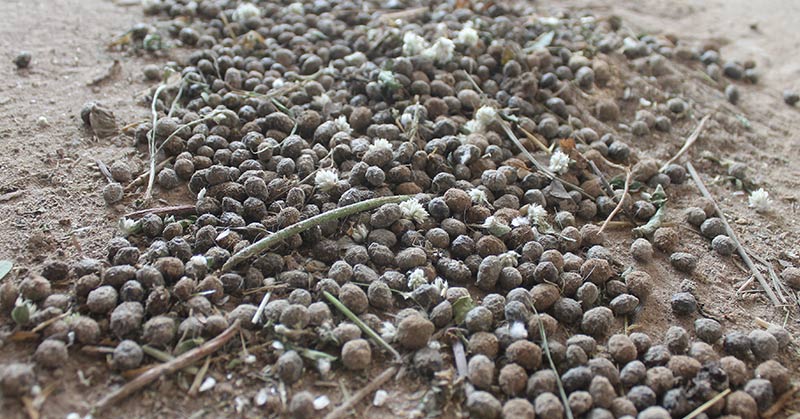
Fertilizing in September gives your lawn the nutrients it needs to recover from summer stresses and build up energy reserves for the winter. I like to think of it as feeding your lawn a hearty meal before it goes into hibernation! A good, balanced fertilizer with a higher ratio of phosphorus and potassium will encourage root growth and improve your lawn’s overall resilience. This is especially important for cool-season grasses like fescues and ryegrass, which experience their peak growth in the fall.
If you’re anything like me, the idea of picking the right fertilizer can be a bit daunting with all the options out there. But don’t worry; a soil test can help guide you in choosing the right nutrients for your specific lawn needs. And remember, it’s not just about making your lawn look good now—it’s about setting it up for long-term success. A well-fed lawn is less prone to weeds, diseases, and other issues that can crop up during the colder months. So, go ahead and give your lawn a little boost—it’ll repay you with a thicker, greener landscape next spring!
Keep Up with Mowing
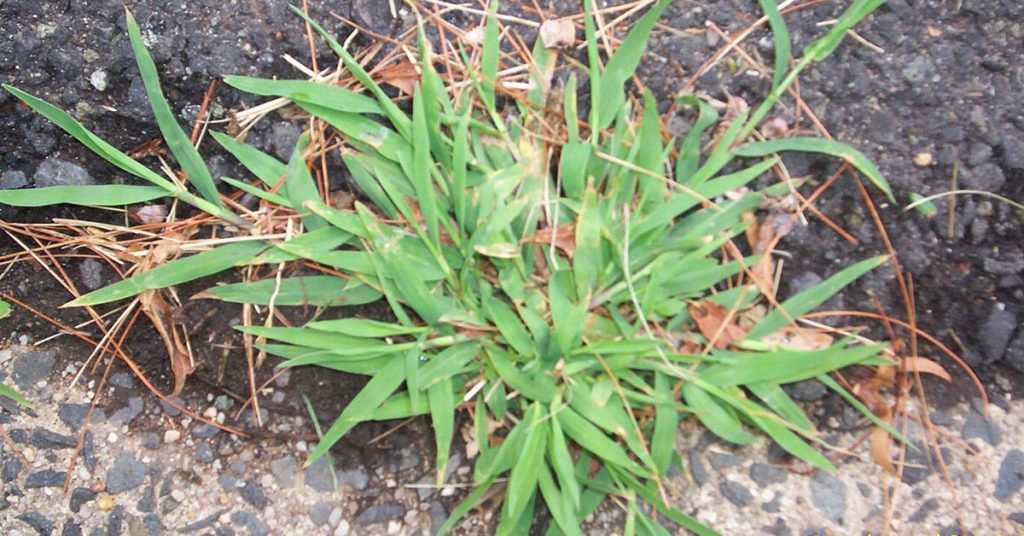
Even though it’s tempting to let the lawn grow a little wilder as the season winds down, maintaining a proper mowing routine is crucial in September. Keeping your grass at the right height—typically around 2.5 to 3 inches—helps it stay healthy and prevents pests and diseases from taking hold. If you let it get too long, the grass can start to fold over itself, trapping moisture and creating the perfect conditions for fungi to thrive. But cutting it too short can stress the grass, making it more vulnerable to cold and dry conditions.
I know it can feel like mowing is a never-ending chore, but trust me, your lawn will thank you for it! Keeping the blades sharp and mowing in different directions each time also helps prevent ruts and keeps the grass growing upright and strong. And remember, those grass clippings can actually act as a natural fertilizer when left on the lawn—they break down quickly and return valuable nutrients to the soil. It’s a simple, sustainable way to keep your lawn looking lush without extra effort.
Water Wisely

September often brings cooler temperatures, but that doesn’t mean it’s time to put away the sprinkler just yet! Your lawn still needs about an inch of water per week, either from rainfall or supplemental watering, to stay healthy and continue growing strong roots. Proper watering is especially important if you’ve recently overseeded or fertilized, as those new seeds and nutrients need moisture to work their magic. But it’s all about balance—overwatering can lead to shallow roots and fungal problems, so it’s best to water deeply and less frequently.
I’ve always found early morning to be the best time for watering. This way, the grass has all day to absorb the moisture before the cooler evening temperatures set in. Plus, it helps minimize evaporation and reduces the risk of disease. It can be tricky to gauge just how much water your lawn is getting, but a simple rain gauge can be a great tool to keep you on track. Trust me, it’s worth the effort to ensure your lawn is getting just the right amount of hydration to thrive in September!
Control Weeds and Pests
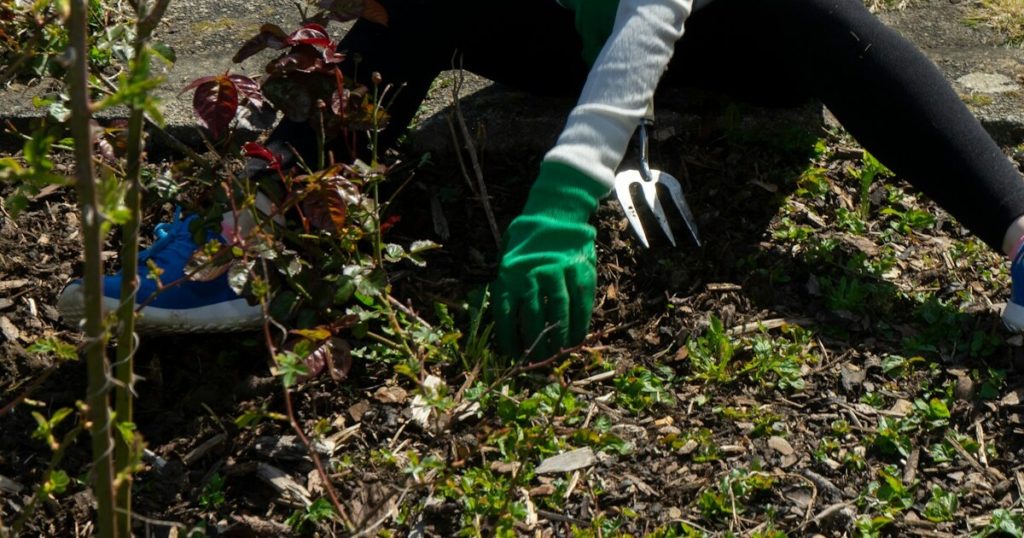
Weeds and pests can be a real headache, especially if they’ve been wreaking havoc on your lawn all summer. September is the perfect time to get them under control before they have a chance to overwinter and come back with a vengeance in the spring. Broadleaf weeds like dandelions and clover are particularly active in the fall, so applying a targeted herbicide now can be very effective. It’s always a bit of a relief to know you’re tackling these issues head-on, rather than letting them linger and multiply!
Pests can also be a problem as the weather cools. Grubs, in particular, are notorious for munching on grassroots, weakening your lawn from below. Applying a grub control product in early fall can prevent these pests from settling in and causing damage over the winter. I always like to keep an eye out for signs of trouble, like birds or raccoons digging in the lawn (they love snacking on grubs!). By staying vigilant and taking proactive steps, you can keep your lawn healthy and pest-free all season long.
Rake Up Leaves and Debris
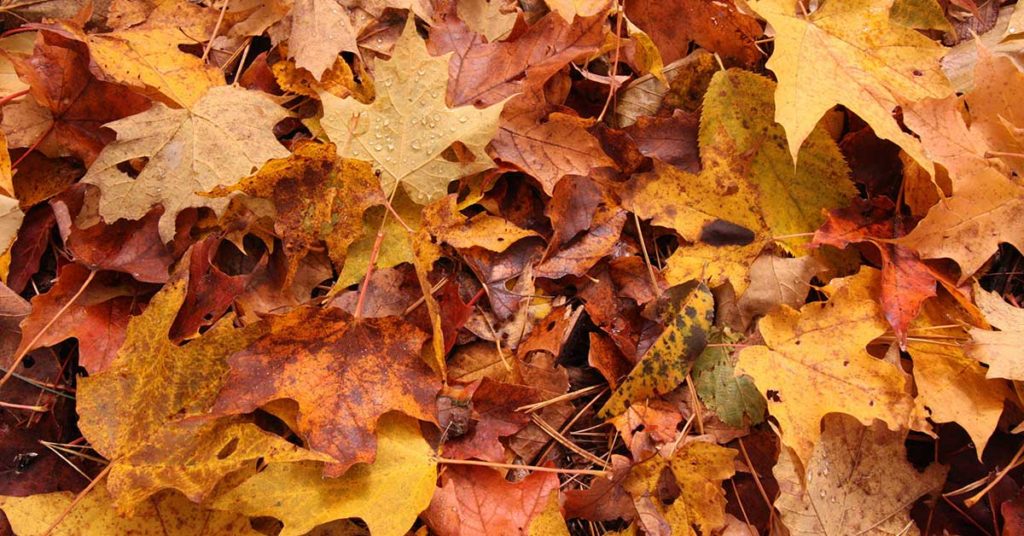
As the leaves start to fall, it’s important to keep your lawn clear of debris. While a colorful blanket of leaves might look pretty, it can actually smother your grass, block sunlight, and trap moisture, creating an ideal environment for mold and diseases. Regular raking or using a leaf blower to keep your lawn clear will help ensure that your grass gets the light and air it needs to thrive. Plus, it’s a great way to get a bit of exercise and enjoy the crisp autumn air!
But don’t just toss those leaves away—compost them! Fallen leaves are garden gold, breaking down into nutrient-rich compost that can feed your garden beds and lawn next year. I love the cyclical nature of using what the garden gives us to enrich it further. So while it’s important to keep the lawn clear, those leaves still have a valuable role to play in your overall garden ecosystem. And who doesn’t love the idea of turning a chore into a sustainable practice that benefits your whole yard?
By taking these steps, you’re setting your lawn up for a successful transition into winter and a strong start next spring. It’s all about giving your grass the support it needs now so it can stay healthy and resilient, no matter what the weather brings.