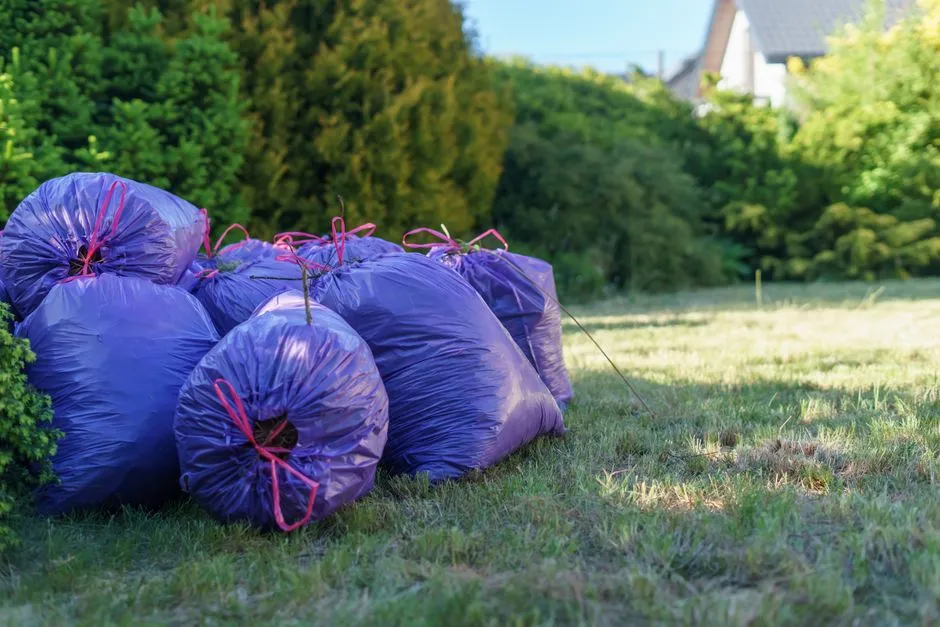

Most people walk past their lawn trimmings, fallen leaves, and garden debris without a second thought. That pile of waste by the fence, it turns out, is one of the most powerful soil-building resources you already own. You don’t need to buy bags of fertilizer or expensive soil amendments when nature keeps dropping free ingredients right at your feet.
Composting from yard waste alone is more practical and more impactful than most gardeners realize. Global waste generation hits 2.24 billion tons annually, with organic matter making up over 40 percent, making composting a key solution for reducing landfill burdens. Starting a pile in your backyard is one small but genuinely meaningful response to that problem.
Why Yard Waste Is the Perfect Starting Material
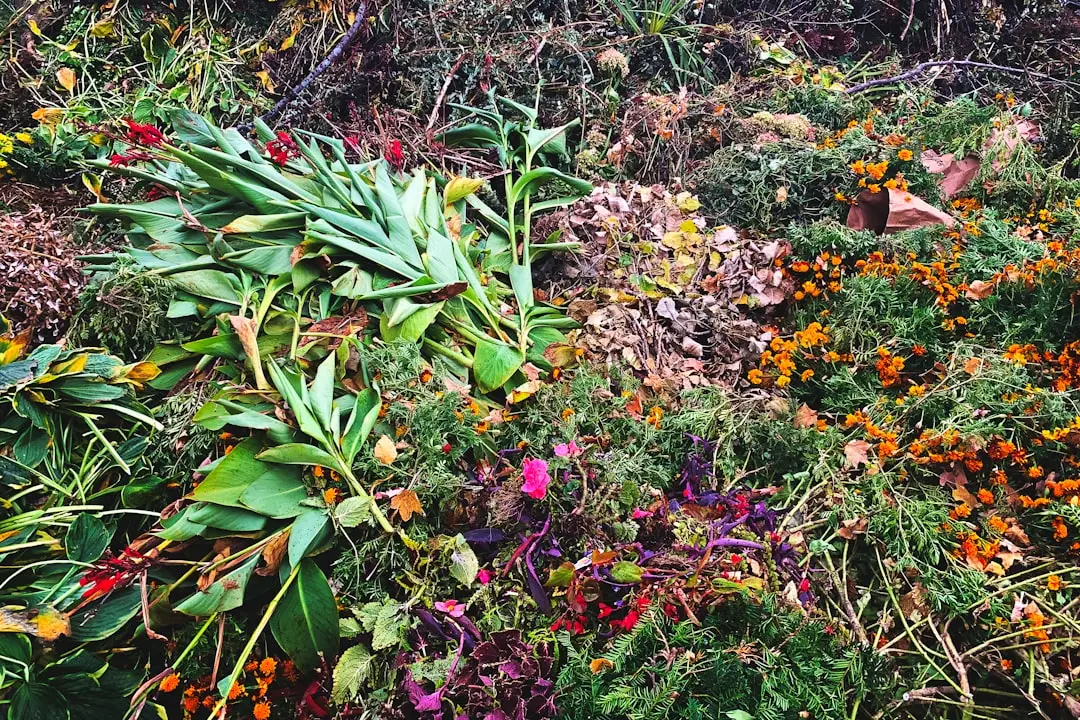
Composting is nature’s way of recycling, and it’s one of the most powerful actions we can take to reduce our trash and build healthy soil. Yard waste is unique because it naturally contains both of the key ingredient categories a pile needs: carbon-rich brown material and nitrogen-rich green material.
When yard trimmings, wood, and paper are added to food, these organic materials comprise over half of municipal solid waste in landfills. Diverting your yard debris at home means it never has to make that trip in the first place.
Unlike traditional recycling, in which recyclables are shipped abroad for processing, composting keeps materials local, often producing and using compost in the same area where materials are generated. Recycling organic materials into compost and applying it to lawns, gardens, and farms closes the loop from soil to soil.
Understanding the Browns and Greens Balance
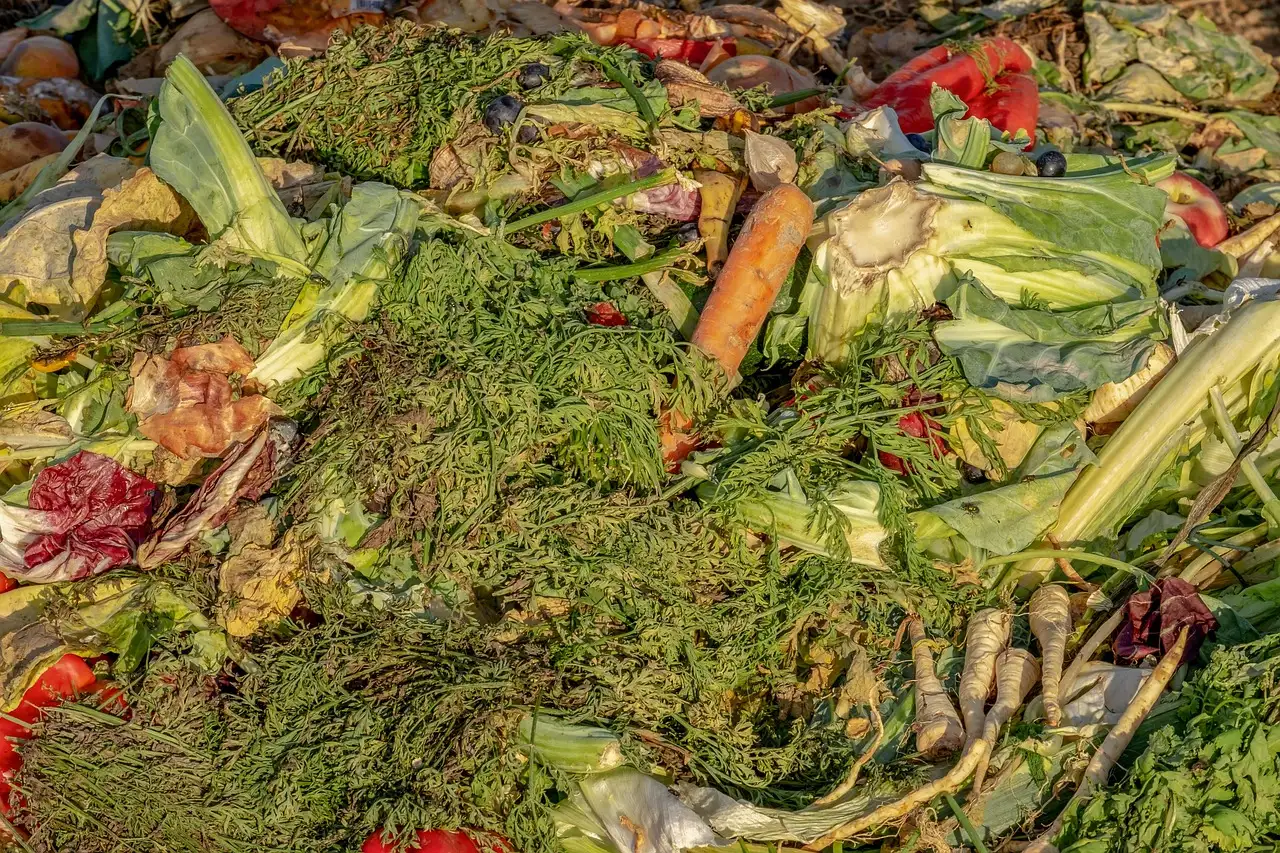
Every successful compost pile depends on managing two types of material: carbon-heavy “browns” and nitrogen-rich “greens.” Getting this balance right is the single most important thing you can do before adding the first leaf to your pile.
Browns, or carbon materials, include shredded newspaper, cardboard, brown bags, and other matte paper products. Dry leaves, stems, and twigs are also considered carbon or brown layers in the pile. These are the structural backbone that keeps your pile from turning into a soggy, smelly mess.
The officially recommended ratio for home composters ranges from 2:1 to 4:1 ratio of browns to greens. You should always aim for at least twice as much brown material as green material. In most settings, three or four times more carbon-rich ingredients are ideal for balancing out the high-nitrogen content of grass clippings and other greens.
Choosing the Right Location for Your Pile
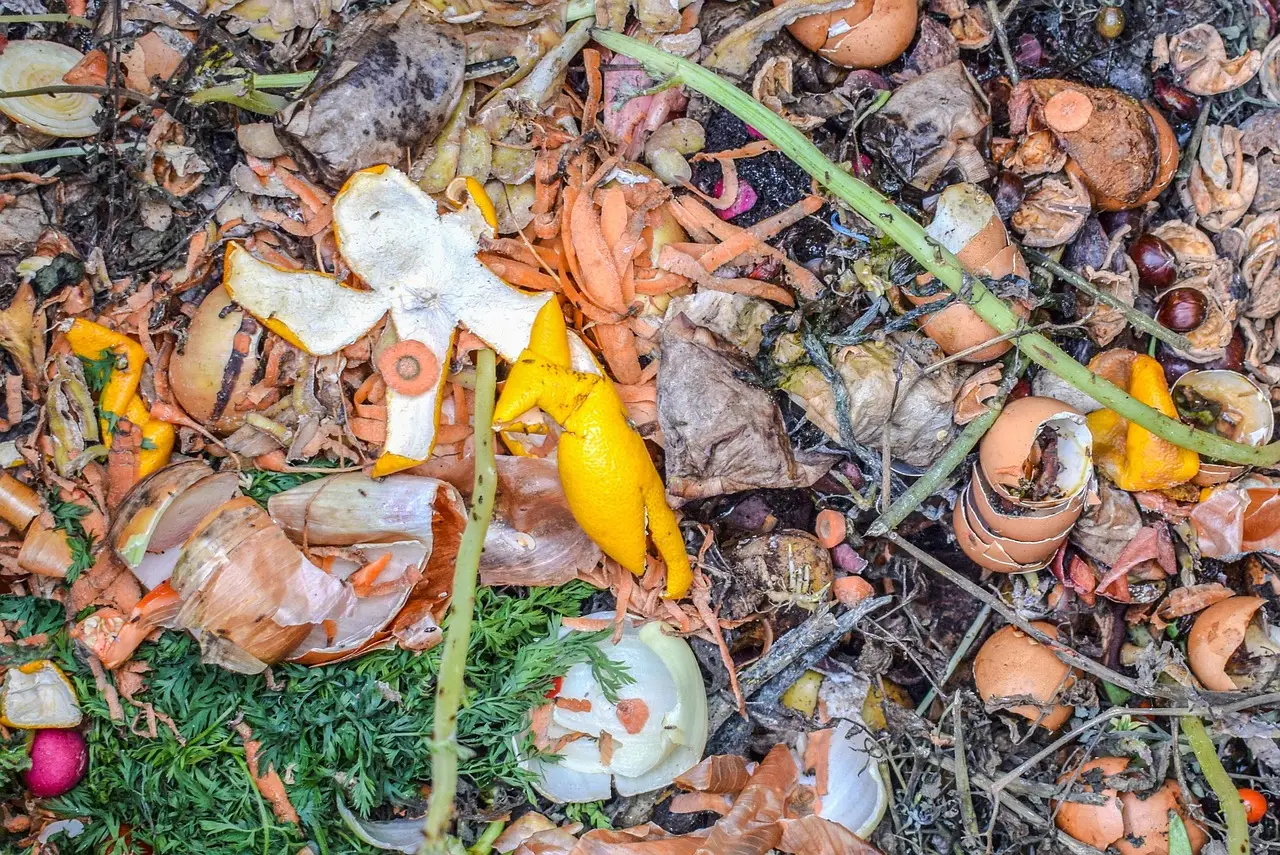
Select a dry, shady spot near a water source for your compost pile or bin. A spot with partial shade helps the pile retain moisture during dry summer months without getting waterlogged during heavy rain.
Placing the pile directly on bare soil is better than on concrete or pavers. Soil contact allows beneficial microorganisms, insects, and earthworms to naturally migrate into the pile and speed up the breakdown process.
Yard waste composting systems include simple piles, holding bins made of plastic, wood, or wire, and multiple bins where you move and turn the compost regularly to speed up the process. A simple three-sided structure built from scrap wood pallets works well and costs nothing at all.
What Yard Materials to Add (and What to Avoid)
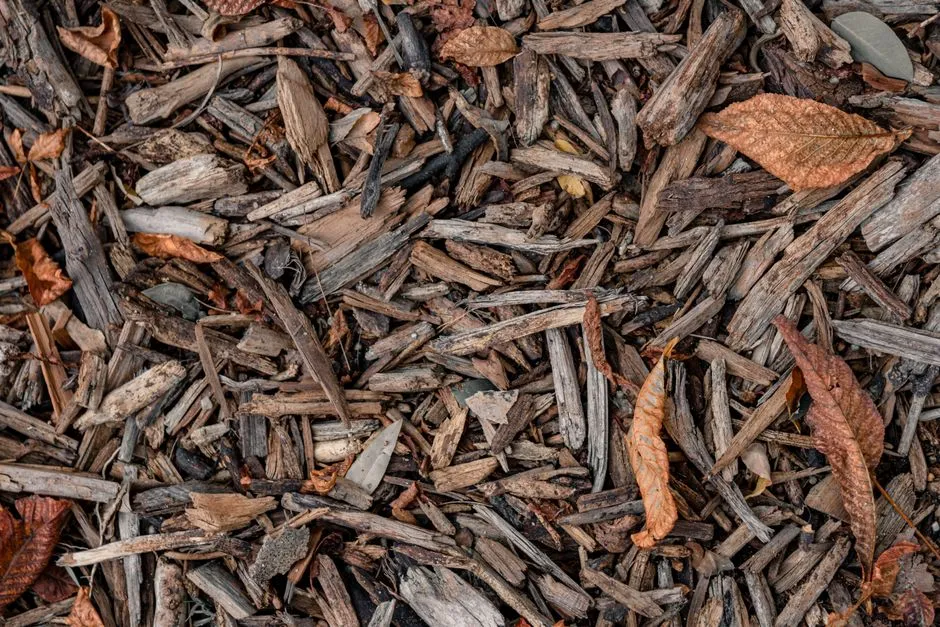
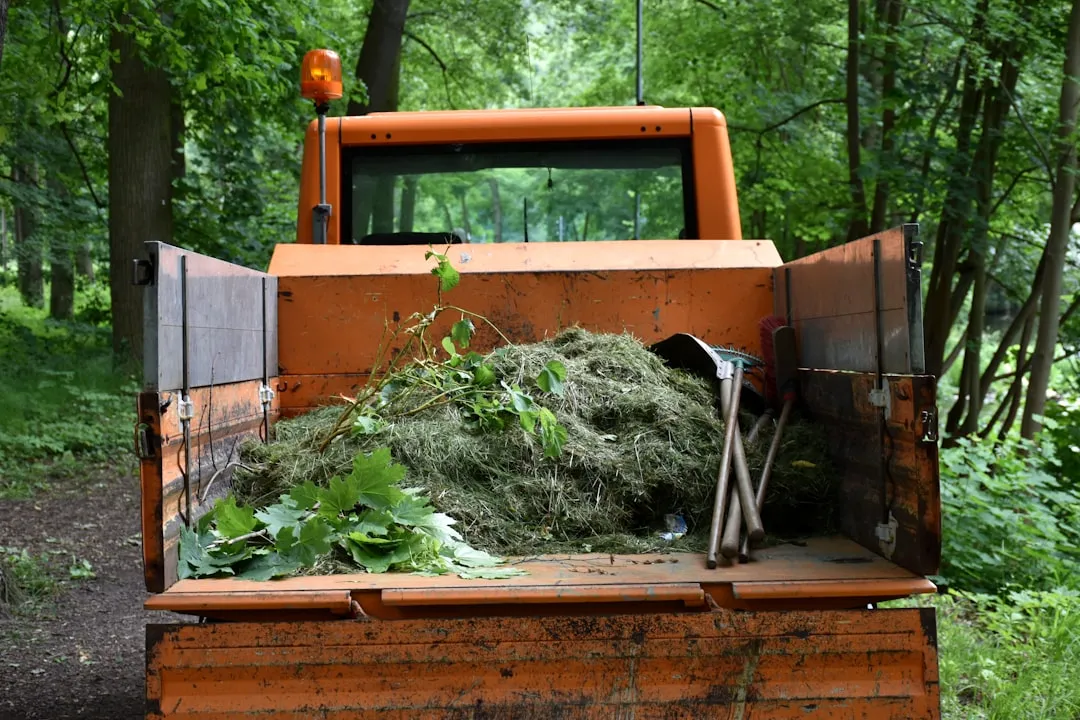
Good yard composting materials include grass clippings, leaves, stalks, dead plants, twigs up to pencil diameter, and most weeds. These are the everyday outputs of maintaining any lawn or garden and require no preparation beyond rough chopping.
Avoid composting weed seeds and invasive weeds like ivy, which can resprout, as well as diseased plants, pet waste, and clippings treated with weed or bug killers. Adding these materials can introduce problems you’ll later spread throughout your garden beds when you apply the finished compost.
Leaves are the primary organic waste in most backyard compost piles; however, different types of leaves have varying carbon-to-nitrogen ratios, which can affect the decomposition rate. Maple leaves have a carbon-to-nitrogen ratio near 30:1, so with the right moisture and frequent turning, they can break down in several weeks. Oak leaves have a ratio of about 60:1 and contain high levels of decay-resistant tannins, so they take considerably longer to break down.
Building the Pile Layer by Layer
Lay twigs or straw first, a few inches deep. This aids drainage and helps aerate the pile. Add compost materials in layers, alternating moist and dry. Think of it like building a lasagna where every layer serves a different function.
Add brown and green materials as they are collected, making sure larger pieces are chopped or shredded. Moisten dry materials as they are added. Chopping material into smaller pieces isn’t strictly required, but it dramatically speeds up the process by giving microbes more surface area to work on.
Leaves and grass clippings are excellent for compost but should be sprinkled into the bin with other materials, or dug into the center of the pile and mixed. Avoid putting them on in thick layers, as they will mat together and reduce aeration. This is one of the most common beginner mistakes, and it’s easy to prevent.
Getting the Moisture Level Right
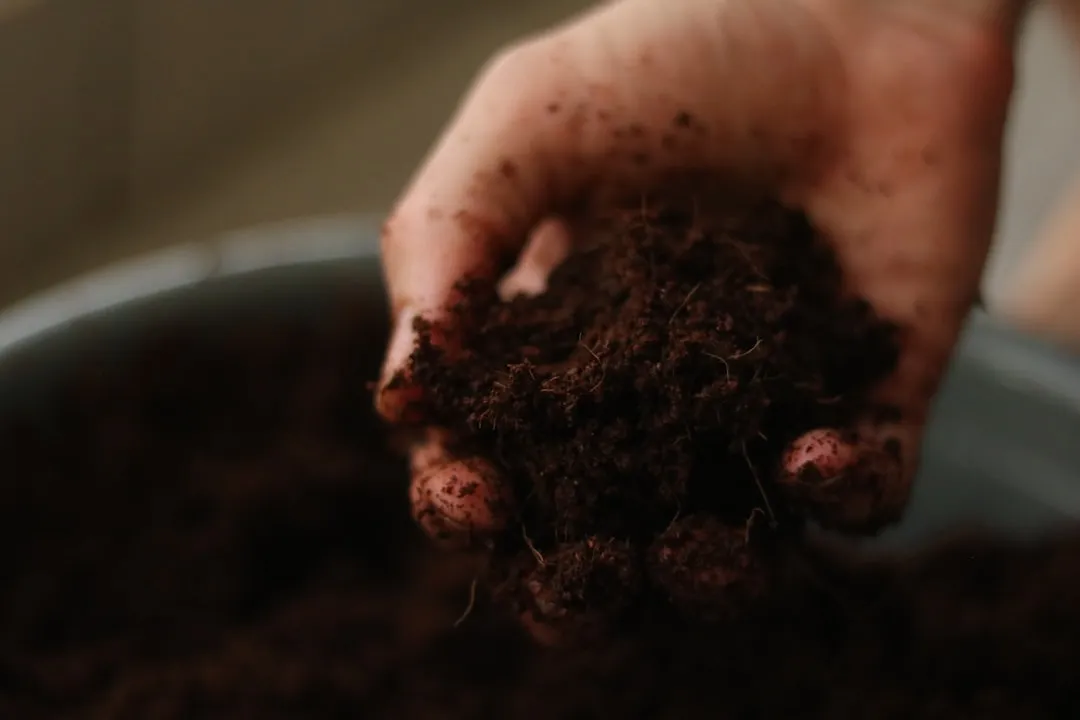
Moisture is often the overlooked variable that makes or breaks a compost pile. Too dry and decomposition stalls almost completely. Too wet and anaerobic bacteria take over, creating that recognizable rotten-egg smell.
For faster composting, keep your pile as moist as a wrung-out sponge. That simple comparison is genuinely useful. If you squeeze a handful and no water drips, it needs moisture. If water streams out, it needs more dry browns.
Moisture content exceeding 60 percent results in pore spaces in the compost pile being filled with water rather than air, leading to anaerobic conditions. To achieve the ideal moisture content, feedstocks with different moisture-holding capacities can be blended together. Dry leaves mixed with fresh grass clippings are a natural solution to this balancing act.
The Role of Temperature and Turning
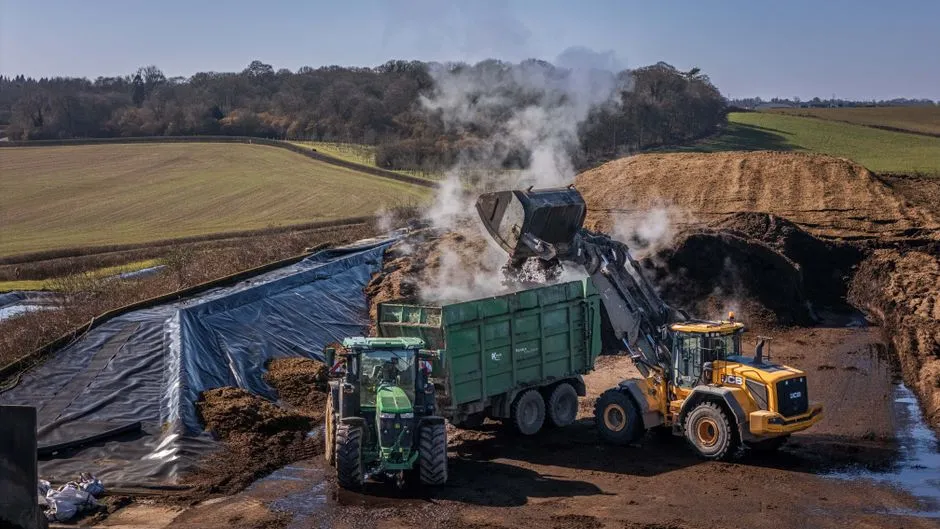
Heat is your best sign that a pile is working. The collective metabolic activity of microorganisms in a composting pile generates heat, which drives a rapid increase in temperatures from what is known as a mesophilic stage to a period known as the thermophilic stage. This is why conventional composting is also known as thermophilic composting.
To maintain a thermophilic pile with high heat, it should be turned every three to four days, or when the temperature drops below 104 degrees Fahrenheit. However, if most of the material has been decomposed, less frequent turning is adequate.
If you detect an unpleasant odor or notice your compost pile isn’t breaking down, look at adjusting the moisture content, turn the pile to provide aeration, and add additional nitrogen or carbon. If the smell is strong and the pile is sodden, add dry leaves, wood chips, or straw to absorb the excess moisture and to increase drainage and oxygen.
How Long Until Your Compost Is Ready
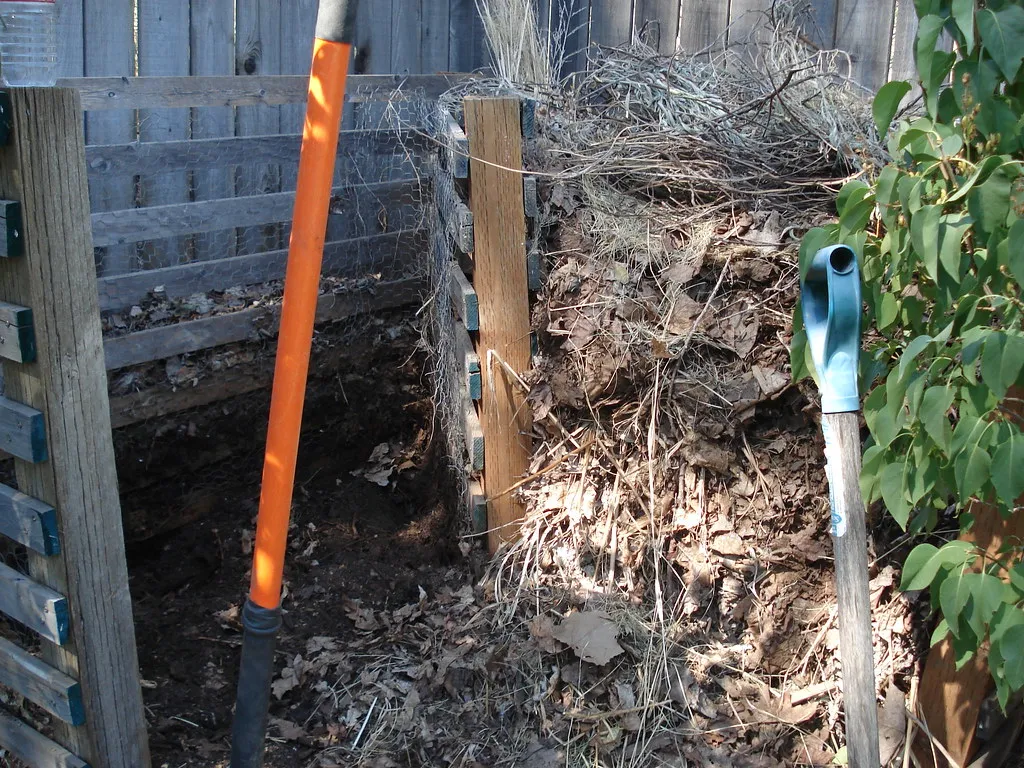
It takes 6 to 12 months for soil creatures to change most yard waste into finished compost. That timeline varies quite a bit depending on how often you turn the pile, how well-balanced the materials are, and the local climate.
When the material at the bottom is dark and rich in color, your compost is ready to use. This can take anywhere from a couple of months to two years. Active management with regular turning and careful layering can push that toward the shorter end of the range.
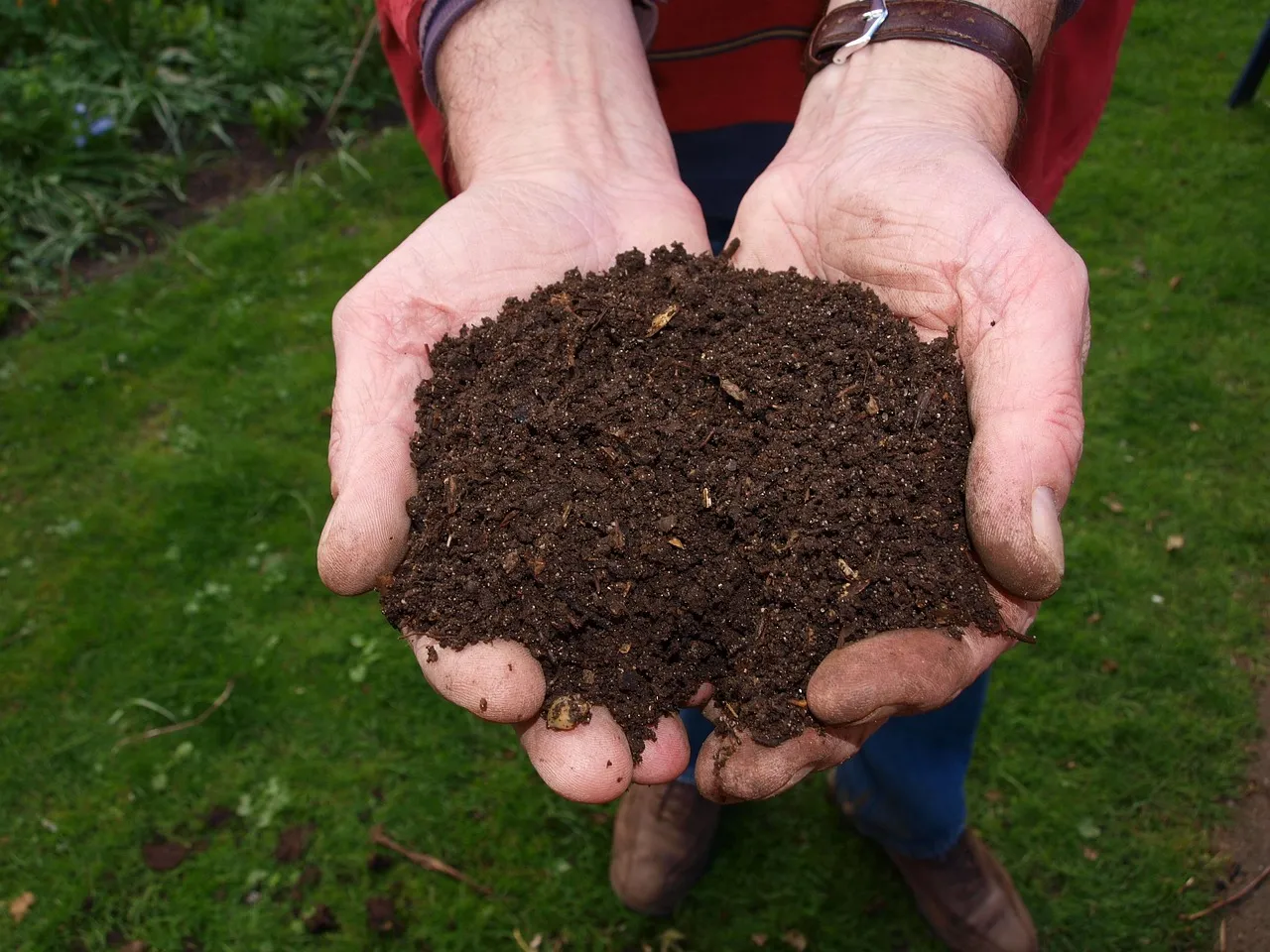
When your compost is black and earthy-smelling, it’s done. Finished compost crumbles easily in your hand and smells like healthy forest floor soil, not like the raw materials you started with.
The Soil and Environmental Benefits of Finished Compost
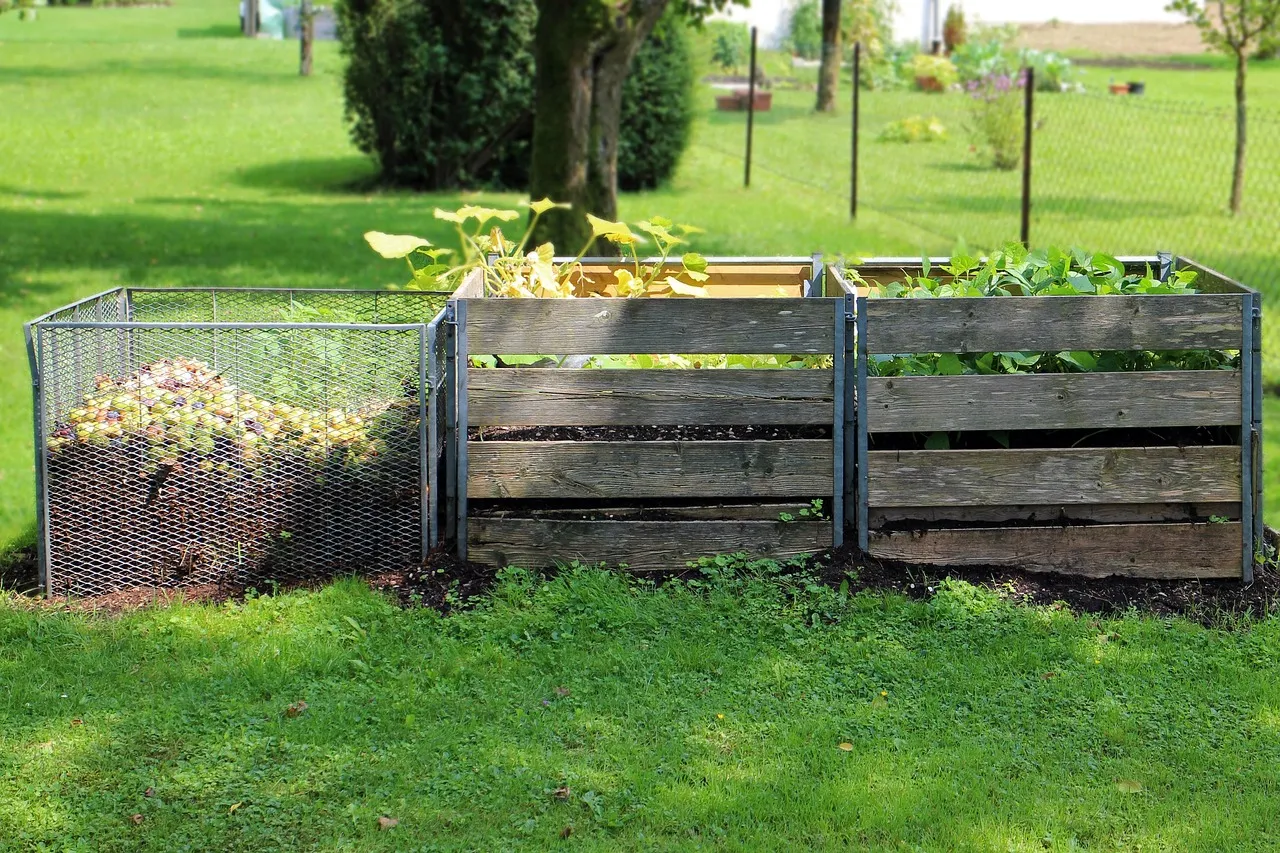
What comes out of a well-managed pile is genuinely valuable for your garden. Compost application to soils can sequester carbon through direct and indirect pathways and may also increase water holding capacity, reduce bulk density, increase aggregate stability, and increase soil pH and nutrient availability.
Adding compost to soil increases the capacity of soil to absorb and retain water, which improves resilience to drought and reduces risks from flooding. Compost can also support tree growth, reducing the heat island effect in cities by providing shade and evapotranspiration.
The use of finished compost can reduce emissions by sequestering carbon in soils and by partially replacing carbon-intensive products used in agriculture and landscaping, like synthetic nitrogen fertilizer and peat. That’s a meaningful payoff from what started as a free pile of garden clippings.
Scaling Up: What the Numbers Tell Us About Yard Waste Composting
Home composting is not just a personal habit. It has measurable, collective weight. Household composting cuts curbside waste by roughly 30 percent, saving municipalities millions in disposal costs. The use of yard trimmings as compost is encouraged by local governments due to its role in reducing landfill waste, with nearly 25 percent of municipalities incorporating yard waste collection programs.
Survey respondents from the composting industry reported processing a total of over 14 million tons of organic feedstock in 2023, with sources including households, commercial food distribution, restaurants, and yard trimmings. The infrastructure around composting is growing, and backyard efforts feed directly into that larger movement.
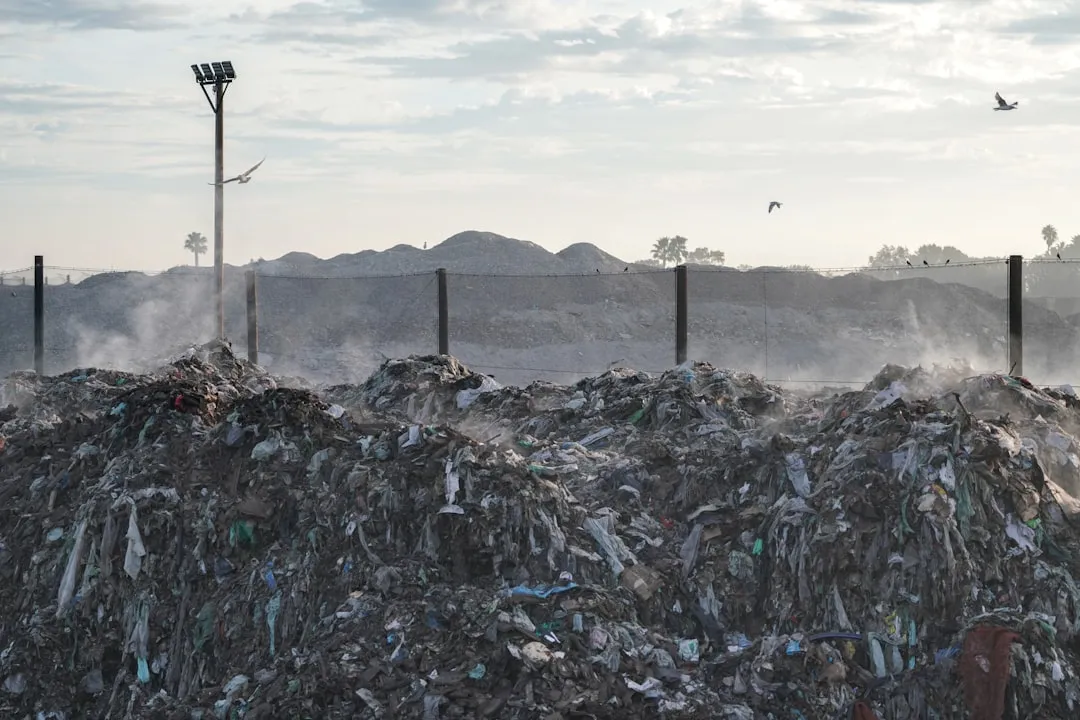
Municipal solid waste landfills are the third largest source of human-related methane emissions in the U.S., accounting for approximately 14 percent of methane emissions in 2022. Every pile you build in your backyard is a small but real vote against that statistic.
Conclusion
Building a nutrient-rich compost pile from yard waste alone is one of the most accessible and satisfying things a gardener or homeowner can do. The materials are already there, piled at the edge of your lawn or bagged at the curb. All it takes is understanding why the layers matter, how moisture and heat work together, and a little patience while nature does the heavy lifting.
The finished product is not just “free fertilizer.” It’s a genuinely complex soil amendment that improves structure, water retention, microbial life, and long-term fertility in ways that no synthetic product can fully replicate. Yard waste composting closes a loop that most people don’t even know is open.
There’s something quietly satisfying about watching a pile of dead leaves become rich, dark soil that grows the next season’s food. That transformation, slow and unglamorous as it is, has been happening in nature for thousands of years. You’re just helping it along.
AI Disclaimer: This article was created with the assistance of AI tools and reviewed by a human editor.