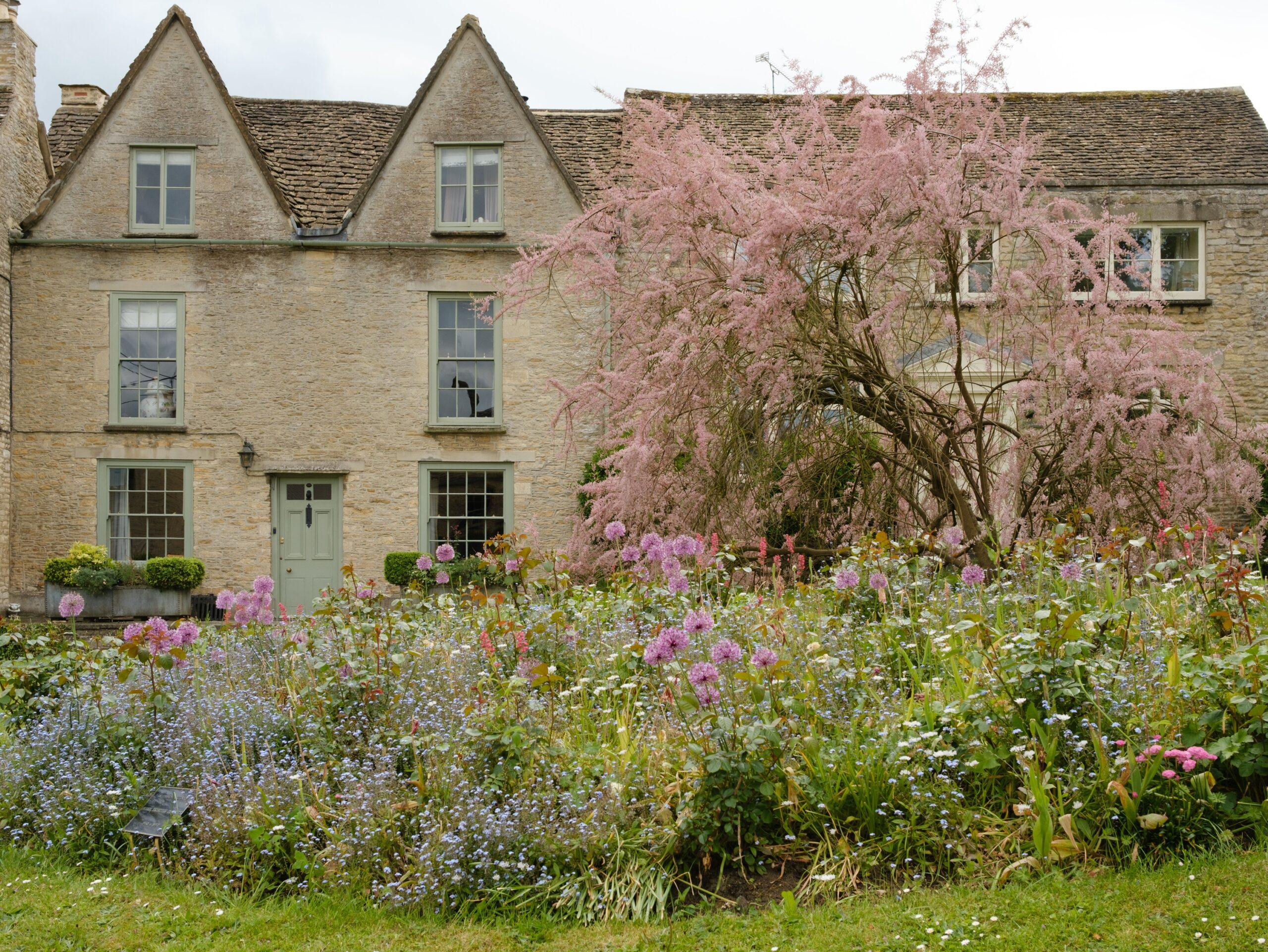

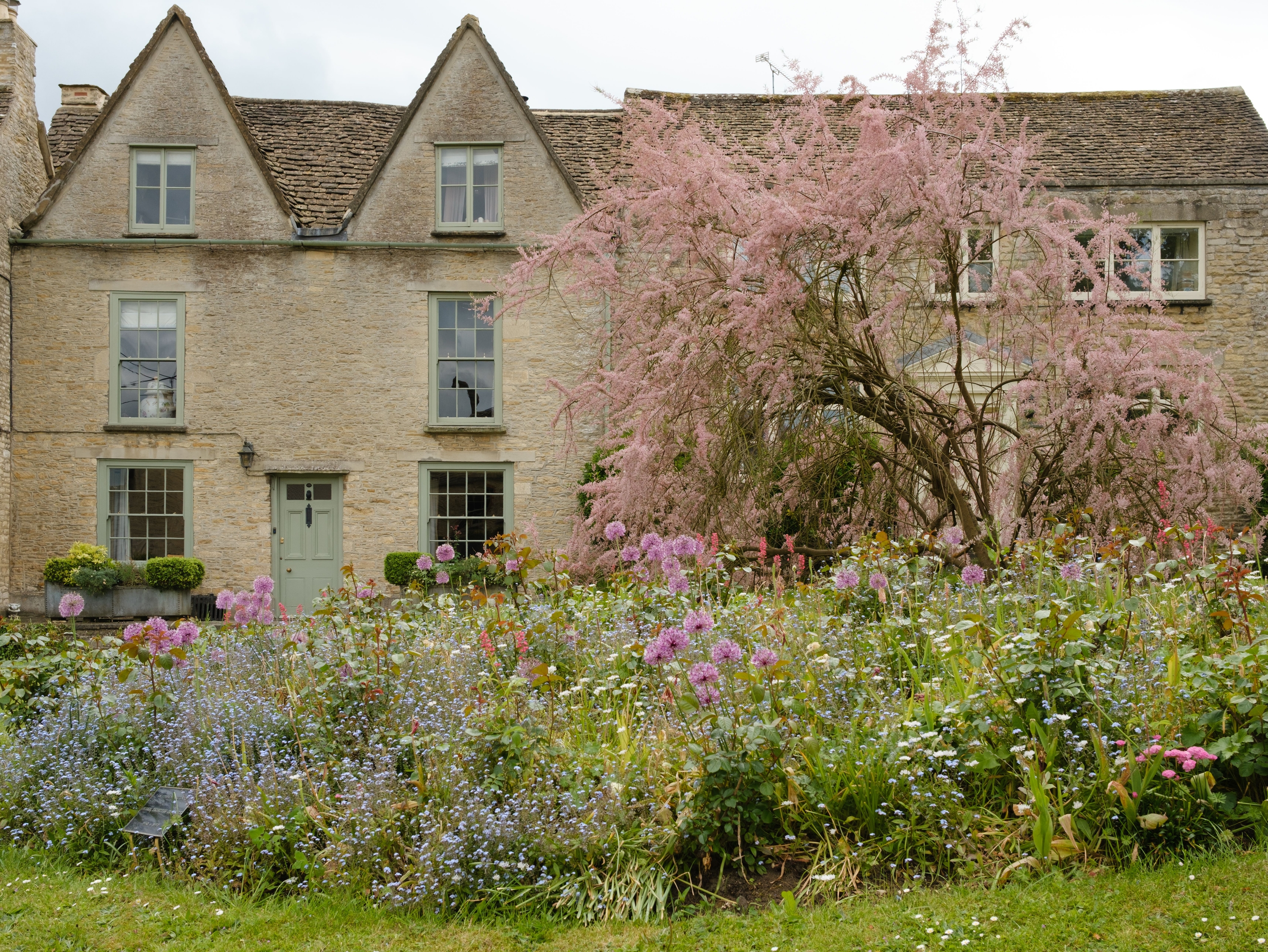
There’s something quietly remarkable about an English border in full summer bloom. Long, generous drifts of color, plants tumbling softly over one another, and a sense of abundance that feels simultaneously designed and completely natural. It’s a style with real roots, real history, and real technique behind it.
Gardening today touches the lives of over 41 million people, yet until now its full social, economic, and ecological value has been under-recognised. The renewed appetite for planted, purposeful outdoor spaces is reshaping backyards across the English-speaking world. Recreating a proper English border is one of the most rewarding ways to answer that call. Here’s how to do it properly.
Understanding What a Classic English Border Actually Is
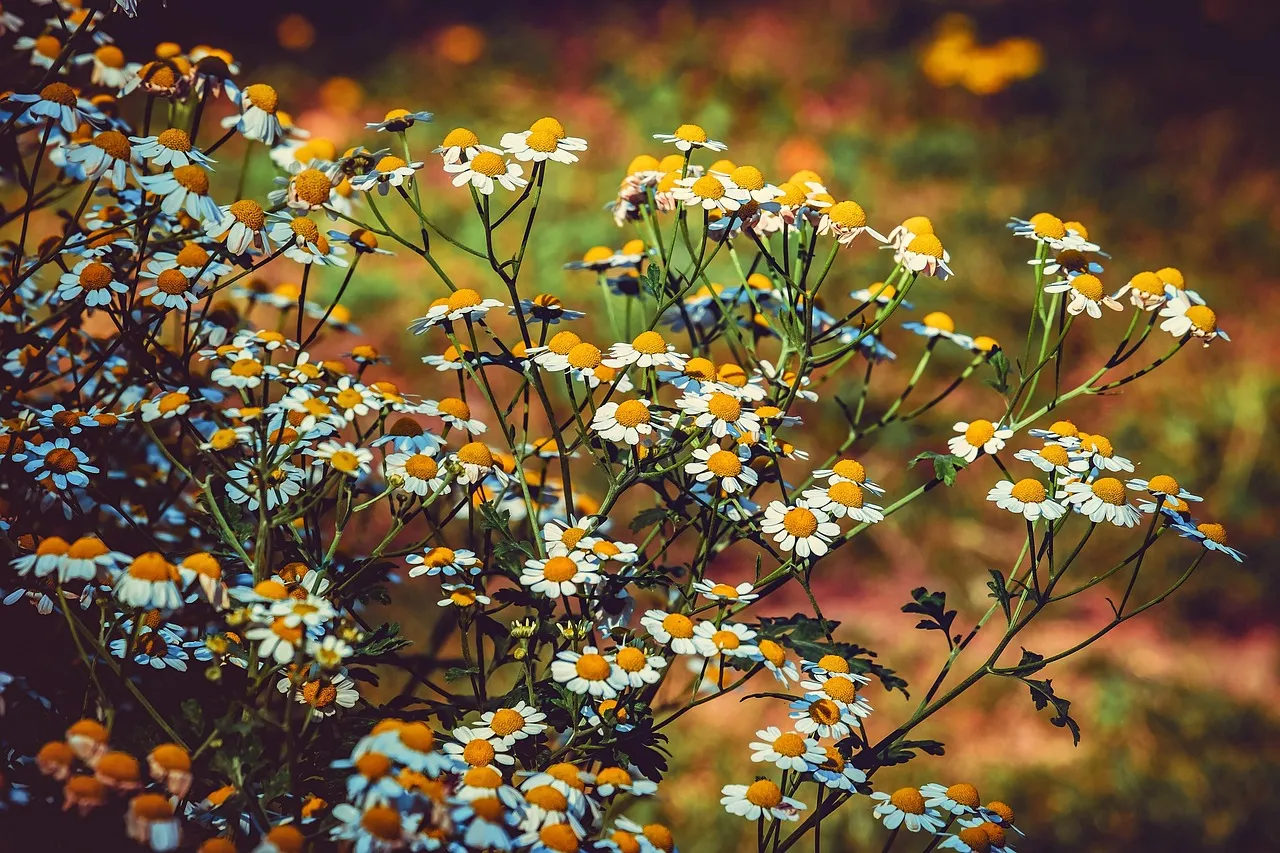
A herbaceous border is a collection of perennial herbaceous plants arranged closely together, usually to create a dramatic effect through colour, shape or large scale. It is not simply a flower bed. The distinction matters, because getting the definition right shapes every decision that follows.
Herbaceous borders have deep roots in British gardening tradition. They first became popular during the Victorian era, when hybridisation and the introduction of new plant species from around the world transformed garden design. That origin story explains why the style feels both lush and structured at the same time.
A mainstream of great country gardens, herbaceous borders have recently enjoyed a resurgence in popularity, often with the addition of structural evergreen shrubs and topiary, roses, and ornamental grasses, thus extending their period of interest. Traditionally, the main season of interest runs from late spring to late autumn, and if planned well, is an ever-changing masterpiece of colourful, showy planting design.
The History Behind the Style
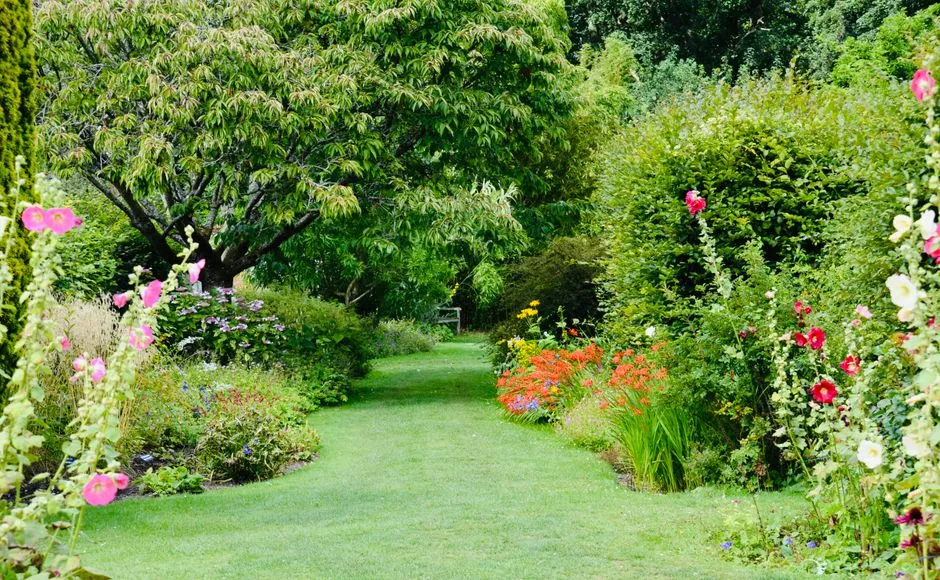
In the 18th century, Philip Miller clumped different plants together for ornamental effect at the Chelsea Physic Garden in London and, by 1800, our ancestors were making mixed borders of shrubs and hardy plants. This practical instinct for grouping gradually evolved into a deliberate art form.
It was the writings of William Robinson and, especially, of Gertrude Jekyll, that turned herbaceous borders into essential features of any respectable country garden. Jekyll’s books Colour in the Flower Garden (1908) and Colour Schemes for the Flower Garden (1919) were extremely influential 100 years ago and remain both practical and inspirational today.
Jekyll, often considered the most influential garden designer of 20th-century England, perfected the herbaceous border by arranging plants in informal drifts based on painterly colour theory. She treated each border as a living picture, carefully selecting forms, heights, colours, and textures. That painterly thinking is still the best lens to use when planning your own.
Why the English Border Is Worth Reviving Right Now
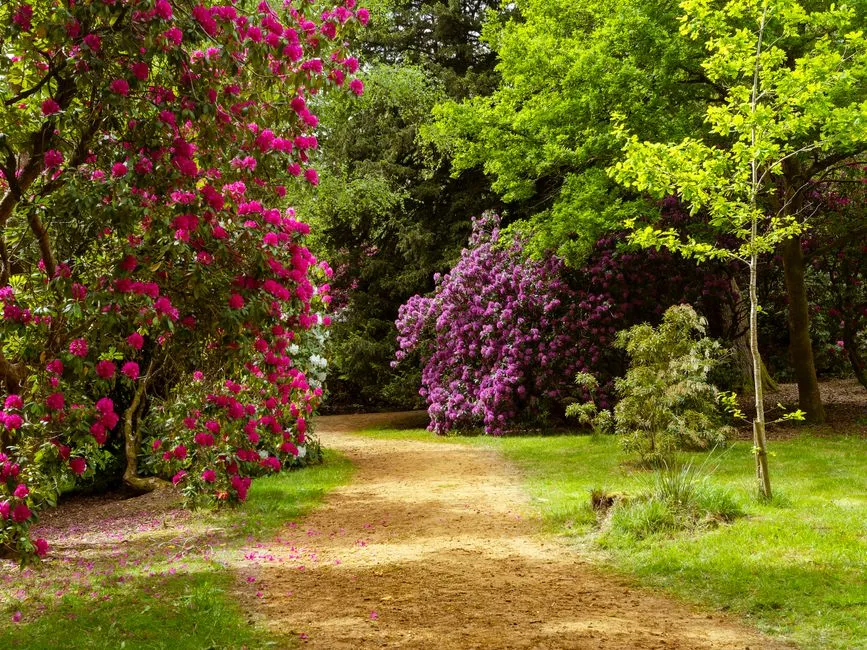
The inaugural RHS State of Gardening Report 2025 presents a comprehensive national baseline of gardening across the UK, revealing its profound ecological, social, and economic significance. Engaging over 41 million people monthly, gardening contributes £38 billion to UK GDP and supports 722,000 jobs, with projections rising to £51.2 billion and 763,000 jobs by 2030.
Sustainable gardening practices are increasing. In 2024, nearly three quarters of gardeners who bought compost purchased peat-free, and more than half altered their practices to support wildlife. A well-planted English border fits naturally into this shift, because perennials are long-lived, low-input, and excellent for biodiversity.
Herbaceous borders are great for gardeners who want to create a beautiful and long-lasting garden design. These planting schemes are great for biodiversity and for attracting plenty of beneficial creatures to share your space. That ecological payoff is increasingly relevant in a world where garden habitats matter more than ever.
Sizing and Siting Your Border
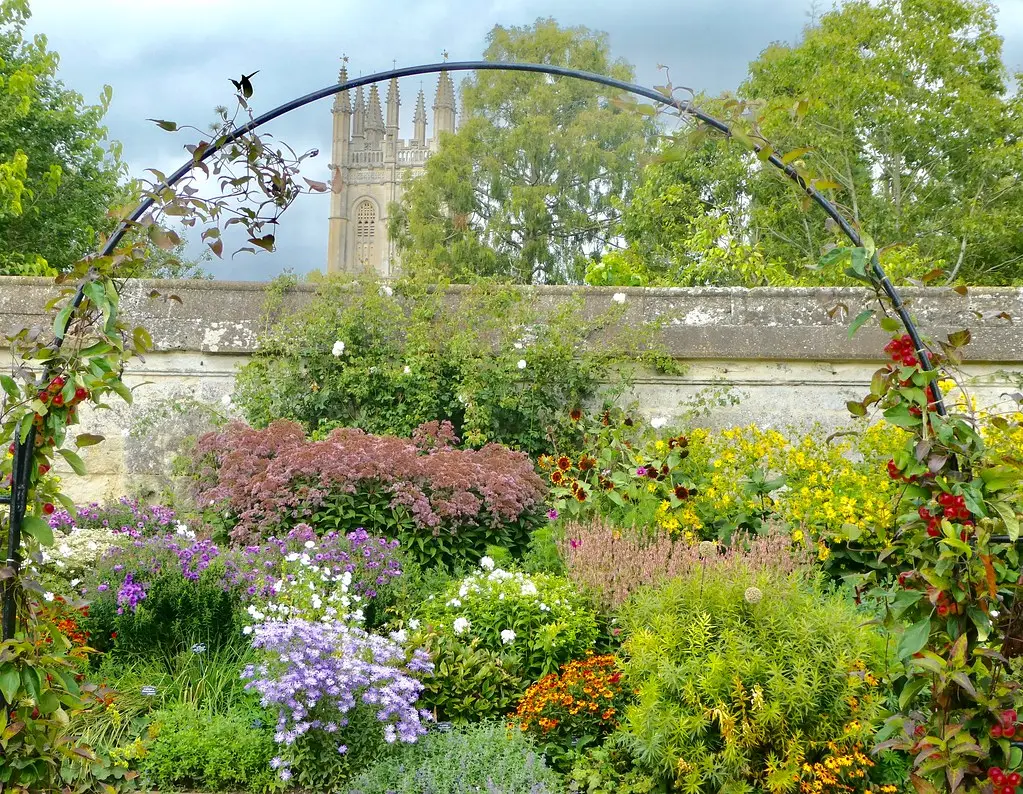
Herbaceous borders require considerable space to be at their best. For small properties, a cottage garden may be a more appropriate border. Minimum dimensions for borders should be five to six feet wide and 20 to 30 feet long. These aren’t arbitrary numbers. Narrower borders simply don’t allow for the layered depth that makes the English style so visually powerful.
To be really successful, herbaceous borders should be as deep and as long as space will allow. This gives the opportunity to create impact and a strong rhythm. The deeper the border, the taller the plants can be, increasing the drama, with an effect that’s pleasing to the eye.
Understanding your garden’s growing conditions is key to this process, as it helps you choose plants that will grow well in the border. This principle of ‘right plant, right place’ makes your planting more climate resilient, reduces cost, waste and disappointment, while also benefitting wildlife and reducing the likelihood of plant health problems.
Preparing the Soil Before You Plant Anything
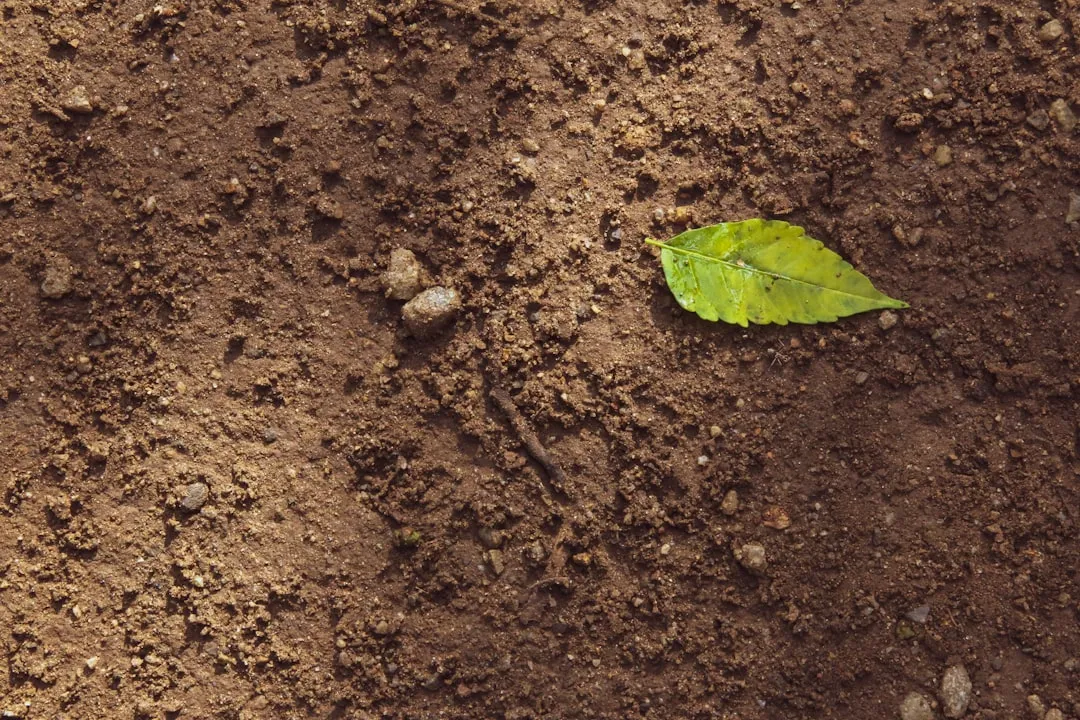
Soil preparation is not optional. It’s the foundation that separates a border that thrives for decades from one that disappoints by year two. Professional gardeners always start by looking after their soil. They add a layer of compost at least once a year. You don’t have to dig it in; just let it lie on top. The worms and micro-organisms will dig it in for you.
Whether you are reworking an existing border or have cleared a previously unplanted area of your garden, it’s important to prepare the ground thoroughly ahead of planting. Remove any old roots, large stones and debris that you unearth and work the soil until it has a crumbly texture. With a spade, pitchfork or shovel, add organic matter, such as well-rotted garden compost or farmyard manure, to the surface of the soil.
If there are any perennial weeds, you must tackle those before you start planting. Bindweed, thistles, ground elder, nettles, and other perennial weeds will re-emerge from root fragments you leave in the soil as you dig. Skipping this step is by far the most common mistake first-time border makers regret.
The Three-Layer Planting Model
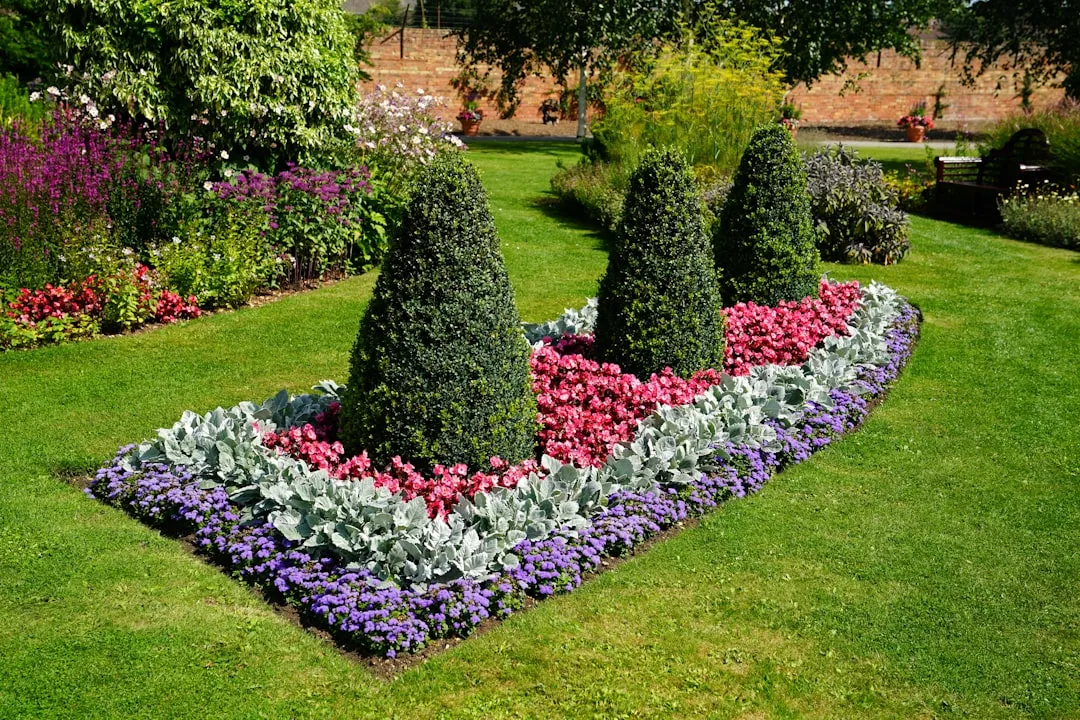
An English border lives by depth, colour, and structure. Work your planting in three layers: background at roughly 85 to 120 cm tall, a middle layer at 40 to 75 cm, and a foreground at 15 to 40 cm. Mix perennials with contrasting bloom times and colours, with warm orange-yellow-red in the middle and cool purple-blue on the sides.
Create a backdrop for the colours and textures in the mixed border with shrubs, trees, and large clumps of ornamental grasses. These structural elements do the heavy lifting through winter and early spring, before the herbaceous plants take centre stage again.
The strict Victorian and Edwardian rules of herbaceous border design are now often broken. For example, there is no longer a need to follow the rigid pattern of tall plants at the back of a border. It is now widely accepted to dot them from front to back. That loosening of rules actually makes the look easier to achieve at home.
Choosing the Right Plants
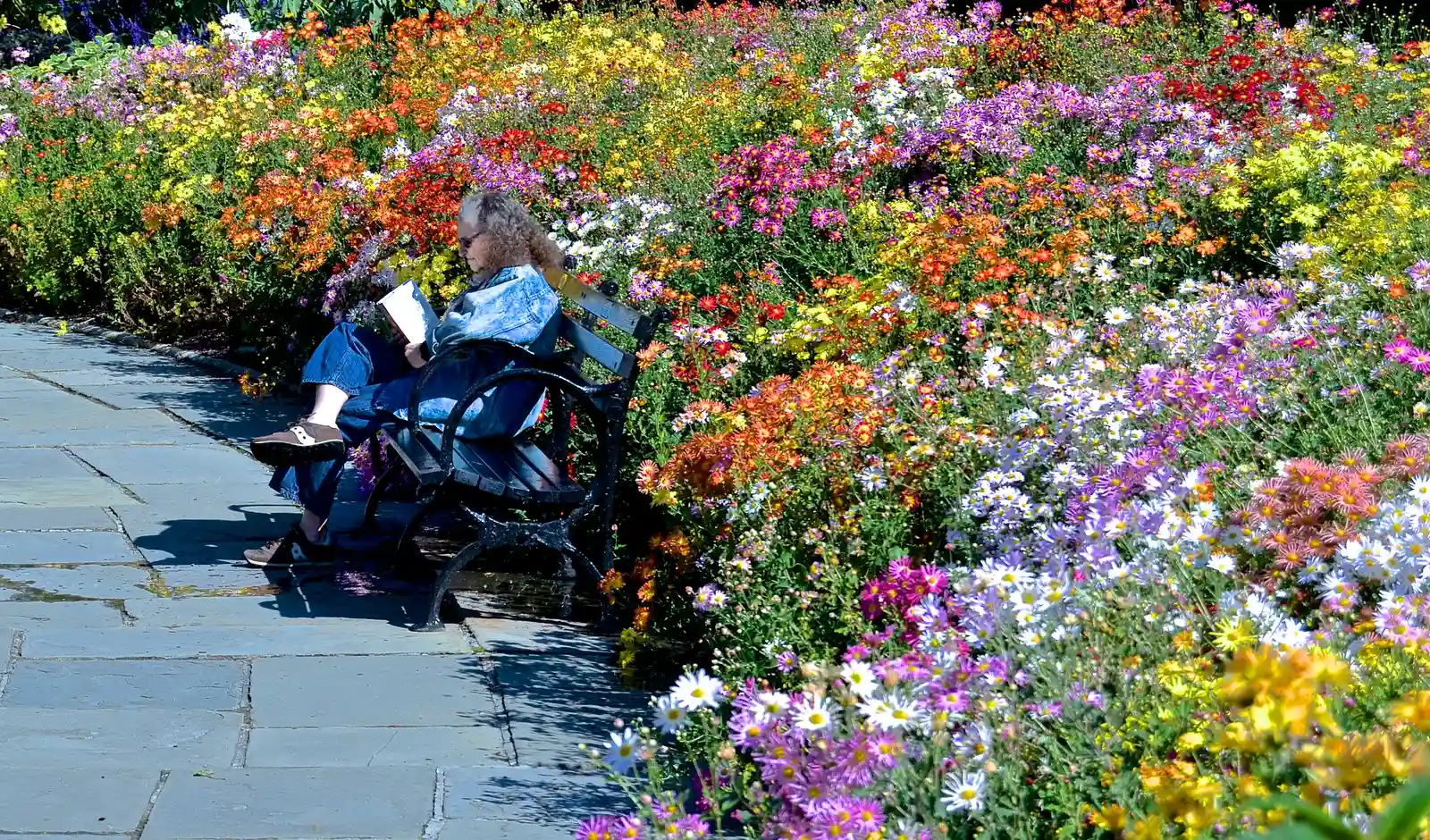
A classic section of herbaceous planting might include thalictrum, delphiniums, crocosmia, nepeta, geum, and primula, with roses remaining as a structural winter presence. These staples have stood the test of time for good reason. They’re reliable, generous, and genuinely beautiful together.
Biennials are also useful, especially early in the season. Foxgloves, Canterbury bells, and sweet williams can then be succeeded by dahlias and chrysanthemums. These glorious late bloomers may need to be lifted and replanted every year, but they make such a show that most gardeners consider them essential constituents of their herbaceous plantings.
A well-designed herbaceous border delivers a succession of bloom from early spring through to the first frosts. As one group of plants finishes flowering, another takes over, creating a constantly changing display that keeps the garden interesting for months. According to the Royal Horticultural Society, the best borders are planned so that colour, form, and texture all work together through overlapping bloom times.
Mastering Color, Texture, and Rhythm
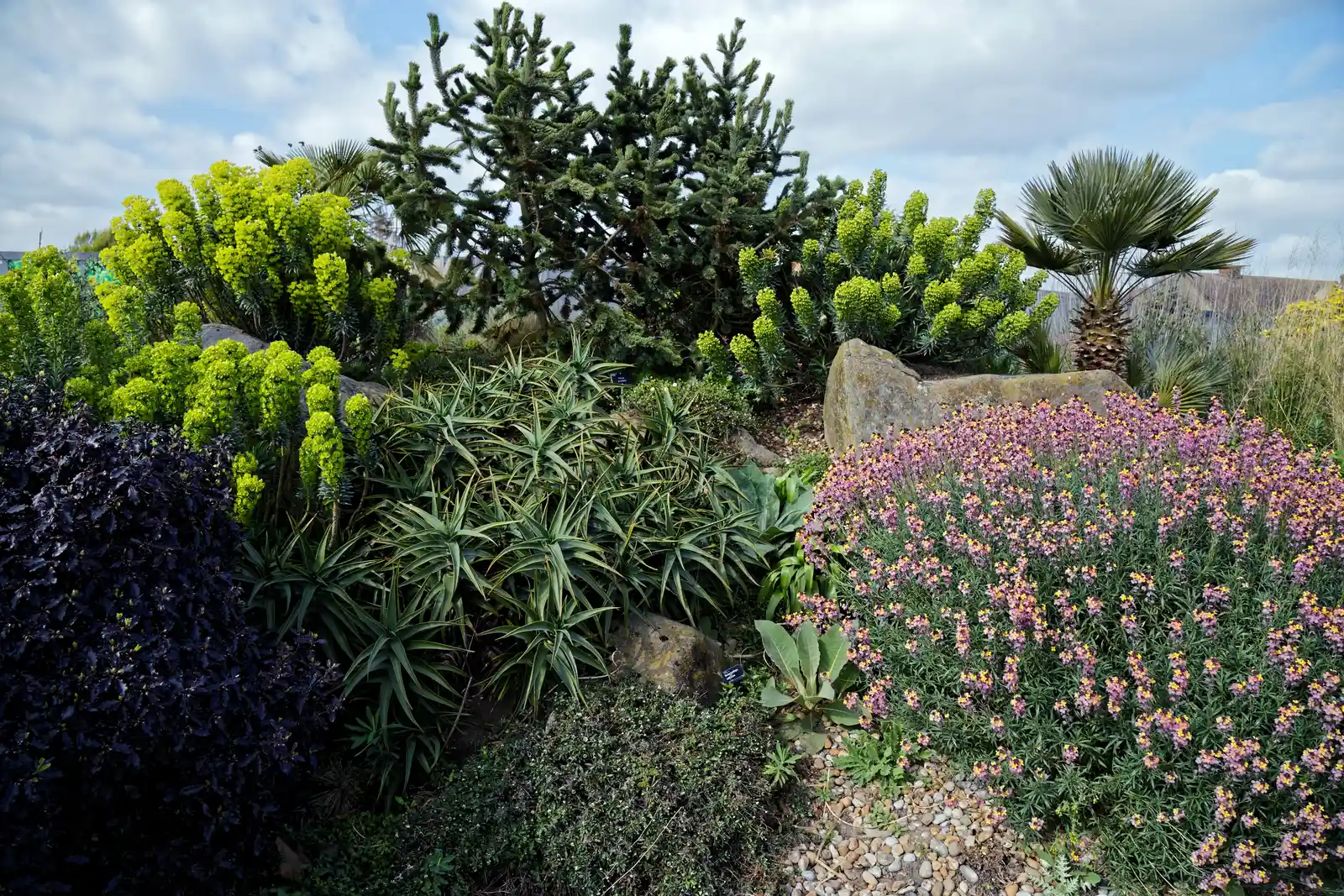
Choose plants with different leaf textures. Texture is more important than colour because a variety of textures brings a sense of movement to a border. This is a principle many home gardeners overlook, focusing almost entirely on flower colour and missing half the picture.
Mixing dark and light foliage with green foliage gives a sense of depth and increased rhythm, lifting what could otherwise become quite a flat display. Purple foliage can relieve the monotony of green and be a good foil for flowers and other leaf colours, but if used too much it can make the border feel heavy and too dominant. Silver or pale foliage plants work well dotted through the border to lighten and lift the planting.
Rhythm is often talked about in relation to herbaceous borders and this can be created through repeating or drifting plants of the same or similar height, shape, texture, or flower structure throughout the length of the border, but also through successional flowering, highlighting certain plants that flower at the same time when others have finished or are yet to start.
Keeping the Border Going: Year-Round Maintenance
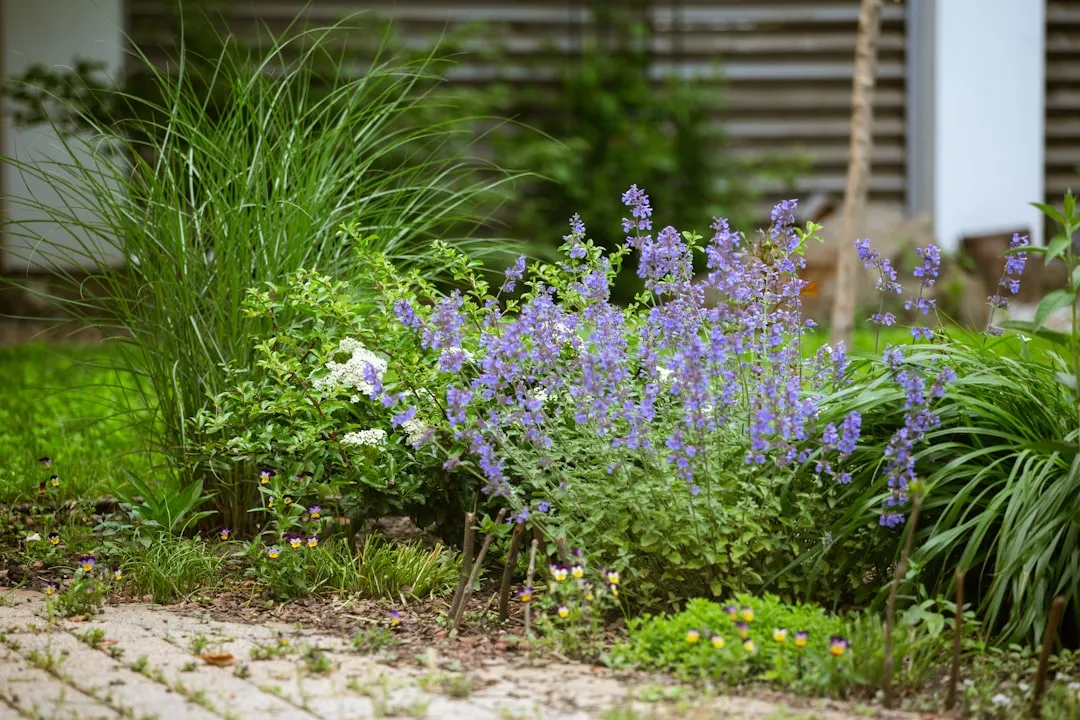
Maintaining the herbaceous border is work-intensive, as the perennials have to be dug up every three to four years and divided to keep the bed clean-looking and prevent overgrowth of the plants. That’s a realistic expectation to set from the start. The border rewards consistent attention far more than occasional bursts of energy.
Adding bulbs helps to increase the flowering season, providing interest when the main planting has been cut back after flowering, before new growth starts to burst in late spring. Tulips and daffodils planted through the border in autumn are one of the simplest and most effective upgrades you can make.
Deadhead faded flowers, as this stimulates rebloom. Water in dry spells, since many English borders sit in full sun and dry out. Leave grasses and seed heads until December for winter architecture, then plant new groundcovers or perennials in the gaps that open up.
Adapting the Classic Style for Modern Gardens
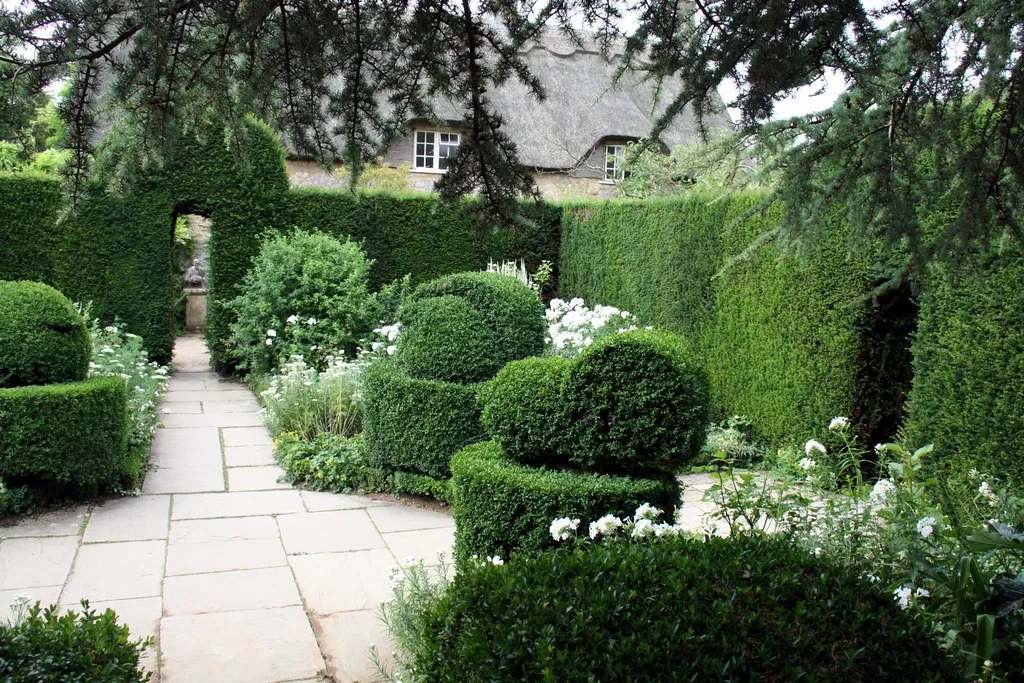
The aesthetic of the English garden is changing to a softer and looser look, not just in response to climate change, but creating an oasis for wildlife and a nectar-rich space for biodiversity. There has been a definite move to a more naturalistic, informal style that is eminently adaptable to anything.
Gardens are increasingly adopting a wilder, less structured aesthetic, moving away from rigid geometric designs. This approach embraces naturalistic planting schemes featuring diverse colours, textures, and heights. The English border adapts remarkably well to this direction. Looser planting still benefits from all the same foundational principles of layering, succession, and colour relationship.
One of the most visually striking trends for 2026 is the immersive border, planting designed not just to decorate but to surround. Tall grasses, airy perennials, and repeating shapes create natural movement, while vertical accents rise gently above the planting to add depth and rhythm. This echoes the layered planting seen at Gravetye Manor and is adaptable to cottage gardens, prairie-style beds, and even modern townhouse spaces.
Final Thoughts
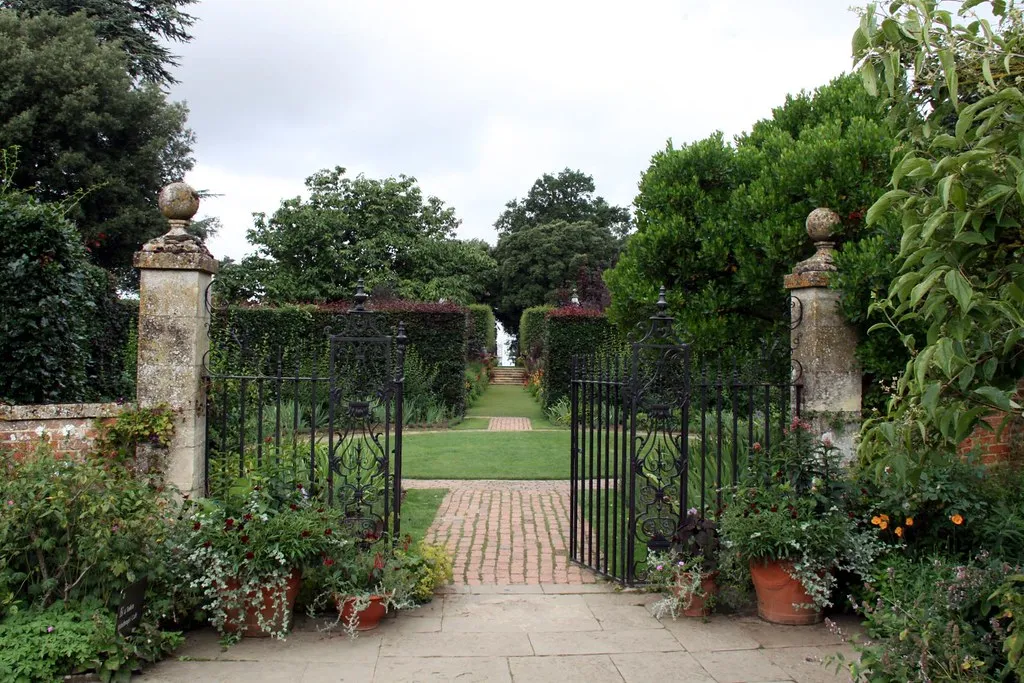
The English border has outlasted garden fashions that came and went for more than two centuries. Strong, simple organisation contrasts with the variety of plants, each displaying different colours, forms, and textures and reaching its peak at a different time of the year. The design philosophies used by Jekyll, Robinson, and others are as appropriate today as ever.
UK gardens cover 959,800 hectares, three times the area of National Nature Reserves, and host over 50 million trees and thousands of species, including nearly two fifths of nationally protected wildlife. Every well-planted border contributes to that extraordinary collective effort, which gives the whole endeavour a meaning beyond aesthetics.
Start small if you need to. Get the soil right. Pick your plants with care and repeat them through the border with confidence. A classic English border is not built in a weekend, but it’s one of those rare garden features that genuinely improves with every passing year.
AI Disclaimer: This article was created with the assistance of AI tools and reviewed by a human editor.