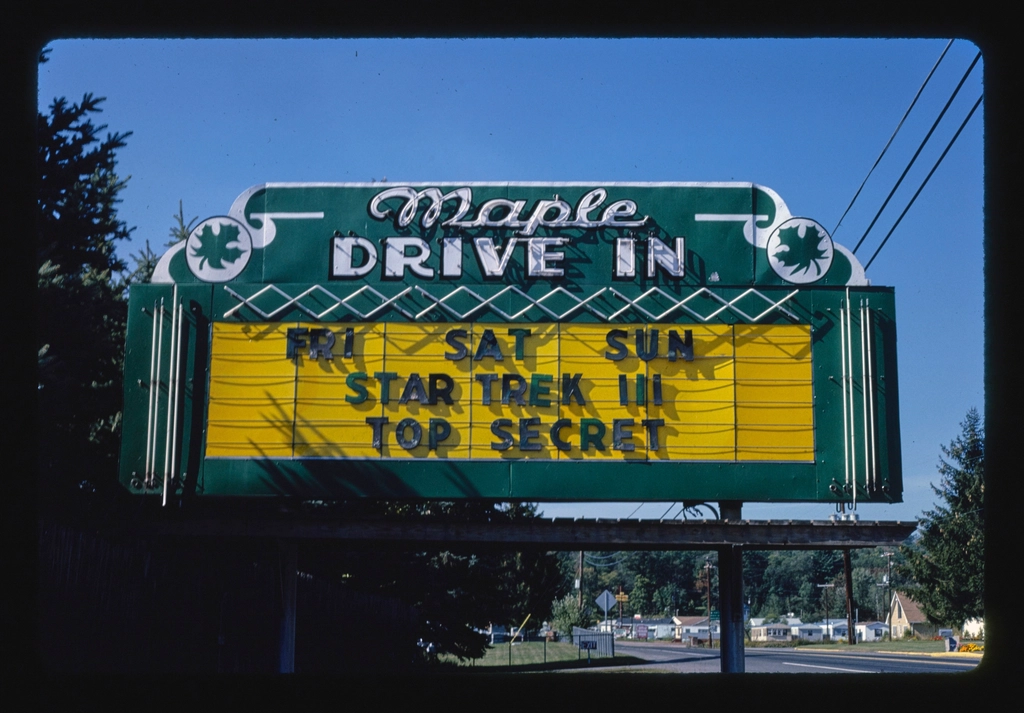

There’s something quietly stubborn about the drive-in movie theater. It has been declared dead more than once, and yet here we are in 2026, with hundreds of screens still flickering against the night sky across America. People keep coming back, not because they have to, but because something about sitting in your car under an open sky, watching a giant screen, still feels genuinely good.
The first commercial drive-in opened on June 6, 1933, in Pennsauken Township, New Jersey, screening the British film “Wives Beware” for 25 cents per carload. The concept exploded after World War II, reaching its peak in the late 1950s with over 4,000 operating drive-ins across the United States, representing about one quarter of all movie screens at the time. The road back from that peak is long, but it’s real, and there are practical, proven ways to help this beloved format reclaim its place.
Understand Where the Drive-In Stands Today
By the best available count, approximately 282 drive-in theaters remain active in America as the 2026 summer movie season gets underway. That’s a steep drop from the golden era, but it isn’t collapse either. The global drive-in movie theater market was valued at around 5.3 billion dollars in 2024 and is projected to nearly double, reaching roughly 9.7 billion dollars by 2034, rising at a compound annual growth rate of 6.6 percent.
The market is experiencing a resurgence as both younger and middle-aged groups are increasingly drawn to the unique outdoor experience. While middle-aged consumers often gravitate toward the nostalgic ambiance, younger audiences are attracted to the social and community-focused aspects of the events. That dual appeal is a genuine asset, and any revival strategy needs to speak to both groups at once.
Upgrade Your Projection and Sound Technology
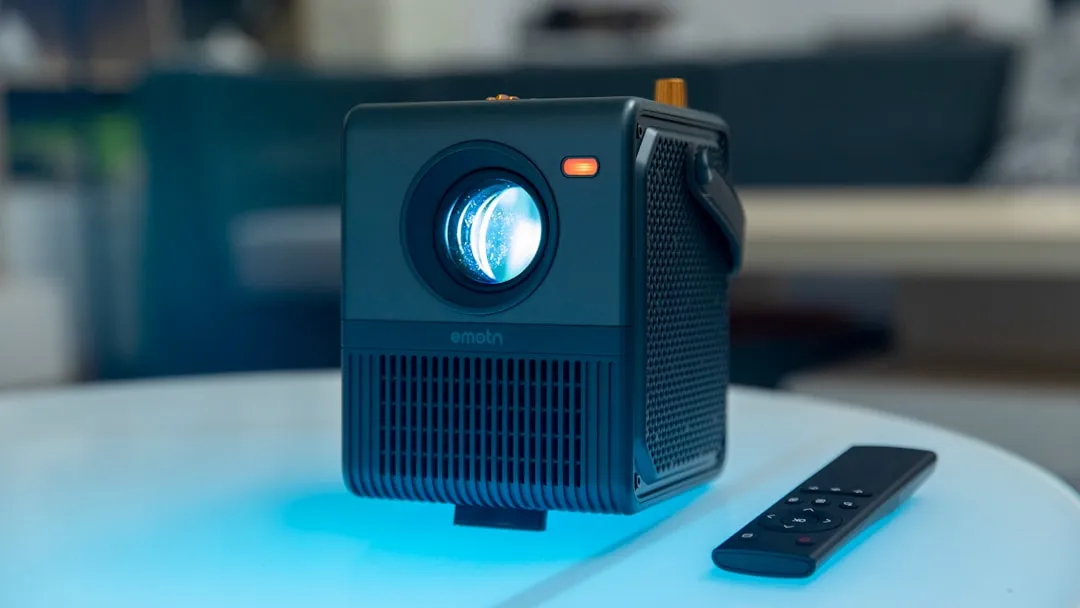
West Wind Drive-Ins maintained its leadership through technological advancements including 4K digital projection and FM audio transmission, enhancing the viewer experience across multiple locations in the western United States. Operators who have stayed current with technology are the ones still standing. The old in-car speaker poles are largely gone, replaced by FM radio broadcast systems that send audio directly to car stereos.
Modern drive-in projectors use technology from Texas Instruments known as digital light processing, or DLP, to form images on screen. Each projector contains three DLP chips, each of which carries over two million individual mirrors that can adjust up to 5,000 times per second, with each mirror representing one pixel on the screen. A digital projector alone can cost between 50,000 and 75,000 dollars, so this is not a trivial investment. Still, it is the foundation everything else rests on.
Rethink the Concession Stand as Your Financial Engine
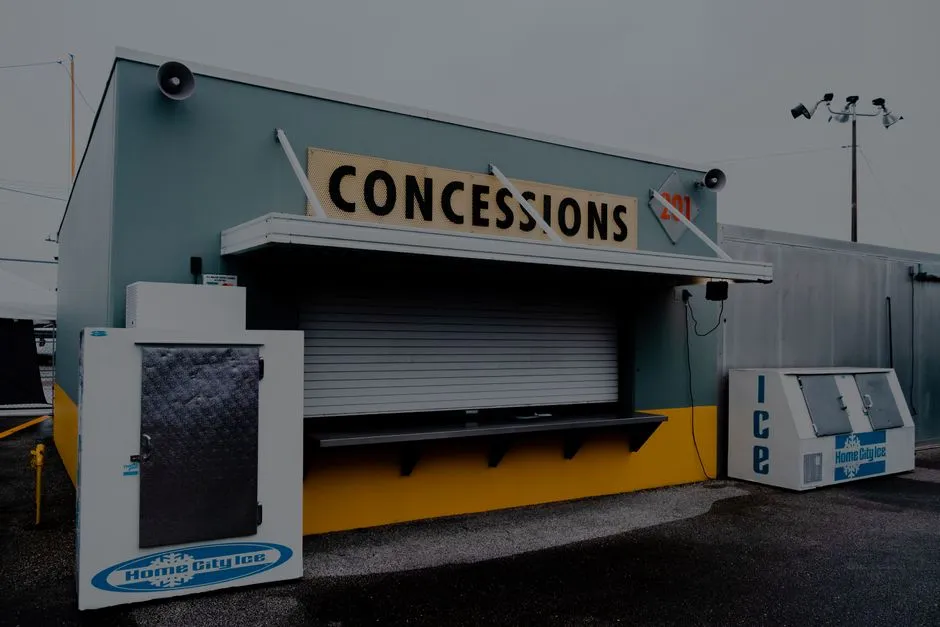
The key to profitability at a drive-in lies with the concession stand. Film ticket revenue is typically split with distributors, who often take 45 to 55 percent of sales. In stark contrast, concession profit margins are exceptionally high, with items like popcorn and soda reaching profit margins of 85 to 95 percent. This makes the snack bar the central financial lever, not a side business.
One effective strategy is partnering with local vendors for concession options. By collaborating with community-based food trucks and local snack providers, a drive-in can significantly reduce concession stand costs and boost revenue without incurring high overhead expenses. Local partnerships also build community goodwill, which has its own long-term value for a venue that depends on repeat customers.
Embrace the Pop-Up and Temporary Drive-In Model
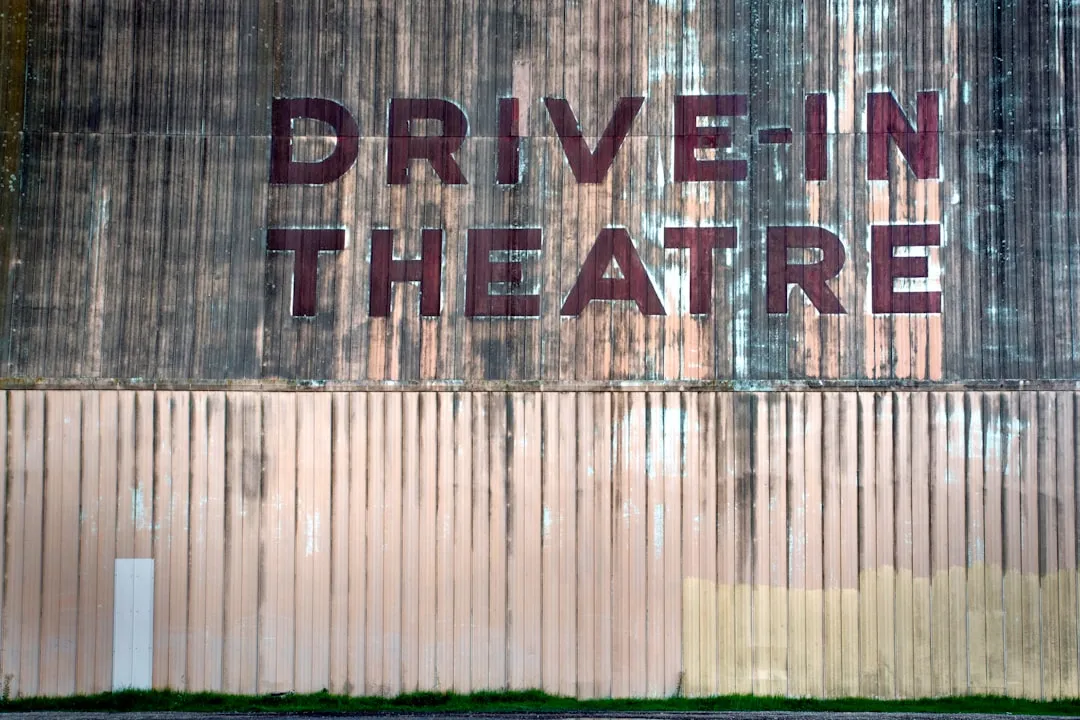
The pop-up and temporary drive-in segment accounted for revenue of around 3 billion dollars in 2025 and is anticipated to grow at a compound annual growth rate of 5.8 percent from 2026 to 2035. Temporary drive-ins optimize capital efficiency by utilizing mobile projectors and sound systems, avoiding long-term property commitments. This model is particularly viable in metropolitan areas where permanent structures are cost prohibitive.
Walmart’s initiative to convert 160 store parking lots into temporary drive-in theaters, as reported by the Consumer Technology Association, underscores the growing adoption of this model. Parking lots, fairgrounds, and even rooftops are becoming viable canvas for the format. Temporary operators exhibit flexibility by quickly responding to market trends, seasonal changes, and community activities, while avoiding fixed overhead costs during off-peak periods.
Diversify Your Programming Beyond First-Run Films
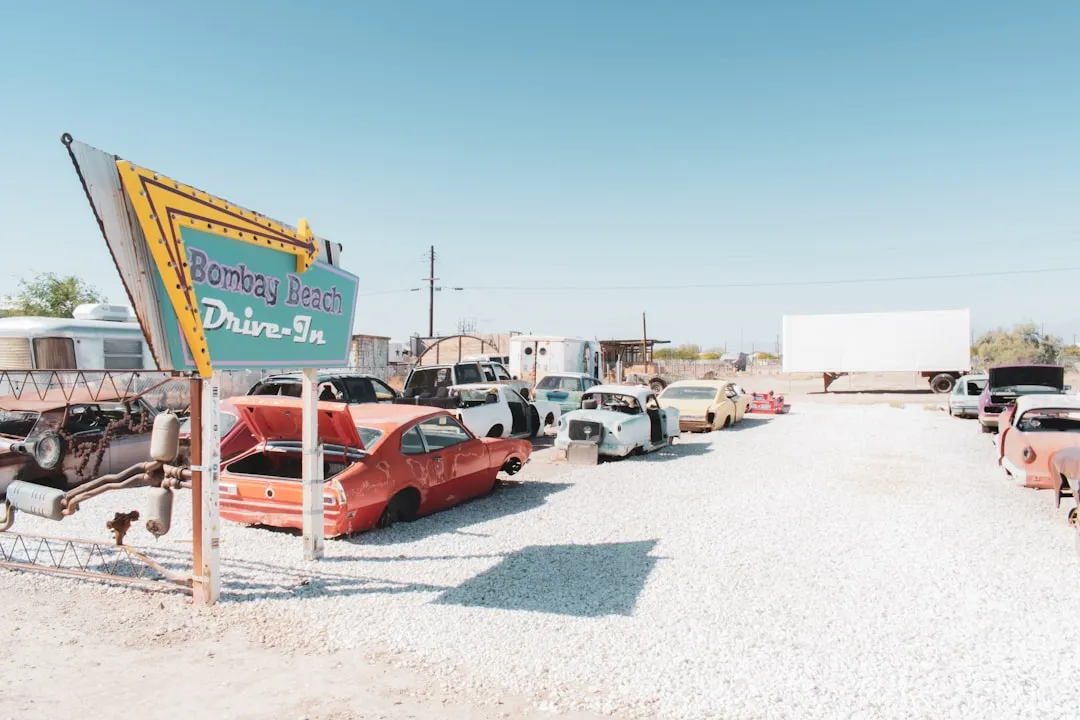
Diverse programming options, including classic films and new releases, cater to a wide range of audience preferences in both classic and pop-up drive-ins. A drive-in that only shows new releases is fighting a harder battle than one that mixes in classic movie nights, themed double features, and genre marathons. Nostalgia-driven programming is a real draw, not just a gimmick.
Hosting non-movie events such as car shows, local music concerts, or food truck festivals on nights without film screenings can generate substantial additional income. These events can bring in an extra 5,000 to 20,000 dollars per event, significantly boosting annual revenue. Drive-ins are also partnering with streaming platforms and movie studios to showcase exclusive content, creating unique experiences that audiences can’t get anywhere else.
Use Digital Ticketing and Mobile Technology

Drive-ins are embracing online ticketing, contactless payments, and digital marketing strategies to meet changing consumer expectations. Friction at the gate is one of the fastest ways to lose a customer before they even park. A smooth app-based entry process, pre-ordered concessions, and real-time showtime alerts make the whole night feel effortless rather than dated.
In April 2024, the United Drive-In Theatre Owners Association partnered with Mobile Moviegoing, LLC to launch DriveInsNearMe.com, a website to rejuvenate interest in drive-in theaters as vital community social venues. The platform offers listings of nearly 300 drive-in theaters, showtimes, and ticket-purchasing options, while also fostering community engagement through a fan club and social media connections. Discoverability is a real barrier for drive-ins, and platforms like this help close the gap.
Choose Your Location Strategically
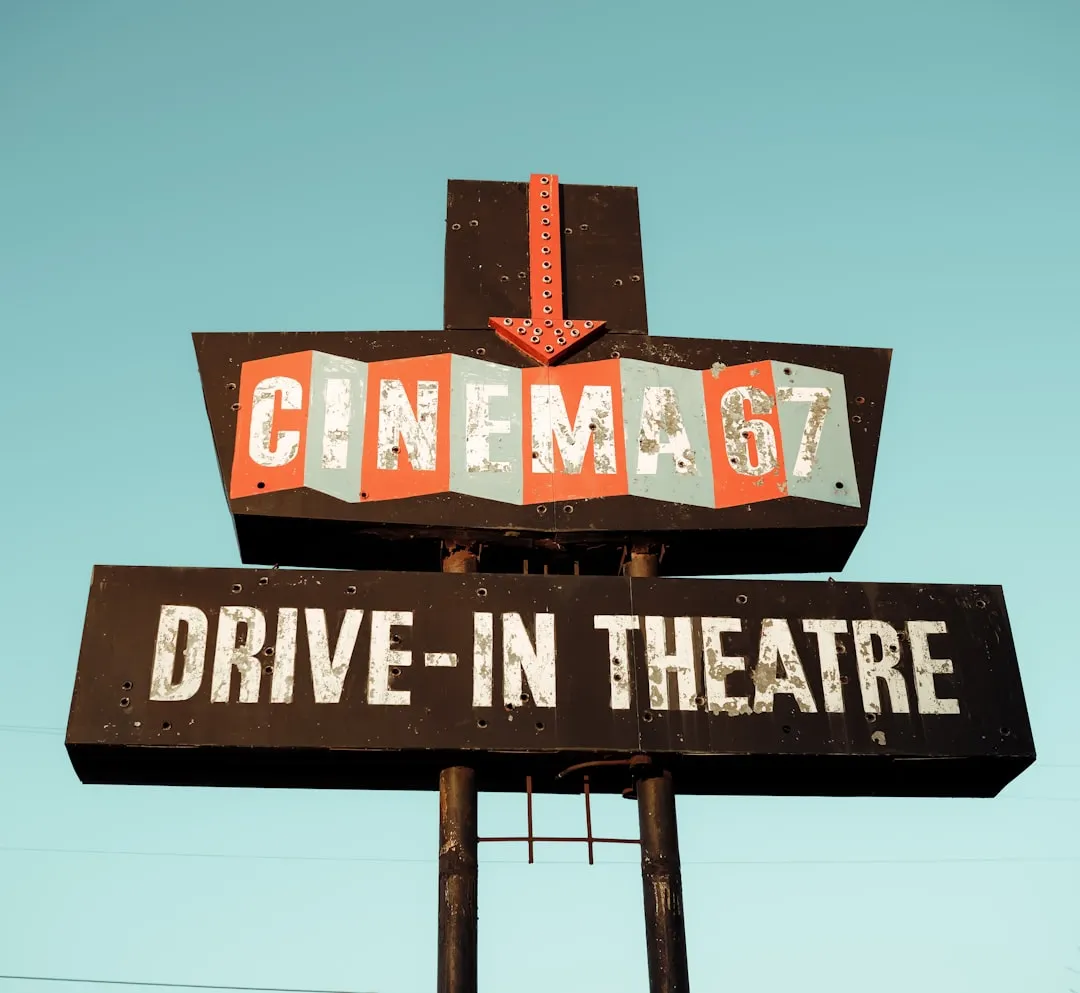
Most of the remaining drive-ins are predominantly located in rural and suburban areas where land is more affordable and space is plentiful. States in the Midwest and South have the highest concentrations of drive-in theaters, reflecting regional preferences and the availability of suitable locations. Location affects everything from land cost to audience demographics to weather patterns across a season.
With 30 outdoor movie theaters, New York leads the United States in drive-in theaters, followed by Pennsylvania and Ohio with 29 and 24 respectively. Indiana and Texas follow with 19 and 18 outdoor drive-in theaters. Understanding where density already exists can help new operators find underserved markets nearby rather than competing head to head with established venues.
Turn the Drive-In Into a Community Anchor
Holiday Twin Drive-In sustained strong regional presence by focusing on community-oriented events and local engagement, offering themed movie nights and live music alongside traditional screenings. The most resilient drive-ins have stopped thinking of themselves as purely film venues. They function more like town squares, hosting events that bring people together through the seasons.
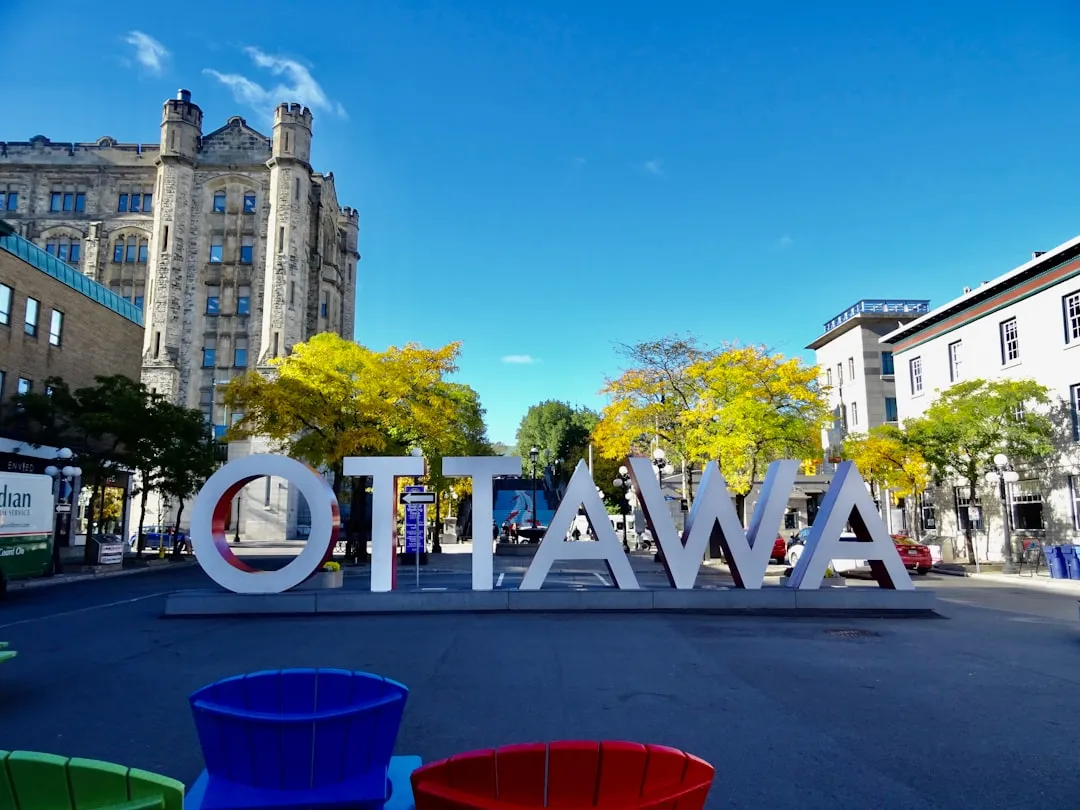
Modern operators like The Drive-In Experience Ottawa, which opened in 2020 and now operates two locations, host live entertainment including comedy shows and concerts and offer site rentals for events including graduations and weddings. That kind of versatility transforms a seasonal movie screen into a year-round community resource. Community engagement and the outdoor experience are considered pivotal factors in fueling growth across the broader drive-in market.
Tackle the Seasonality Challenge Head-On

The drive-in movie theater market has grown strongly in recent years, with projections showing growth from 4.56 billion dollars in 2025 to 4.96 billion dollars in 2026. This growth was shaped in part by the rise of retro cinema experiences, limited indoor theater options during the pandemic, and increased vehicle ownership. Still, weather dependency remains one of the format’s most persistent structural challenges.
Upgrading to digital projection equipment and energy-saving LED lighting can cut energy costs by up to 30 percent annually. These upgrades ensure a modern viewing experience while reducing utility bills, a critical factor in managing overall drive-in theater investment. Keeping operating costs lean in the off-season is just as important as drawing crowds in summer. Implementing dynamic pricing strategies for ticket sales helps optimize revenue during peak times and address seasonal fluctuations.
Lean Into the Nostalgia Without Getting Stuck in It
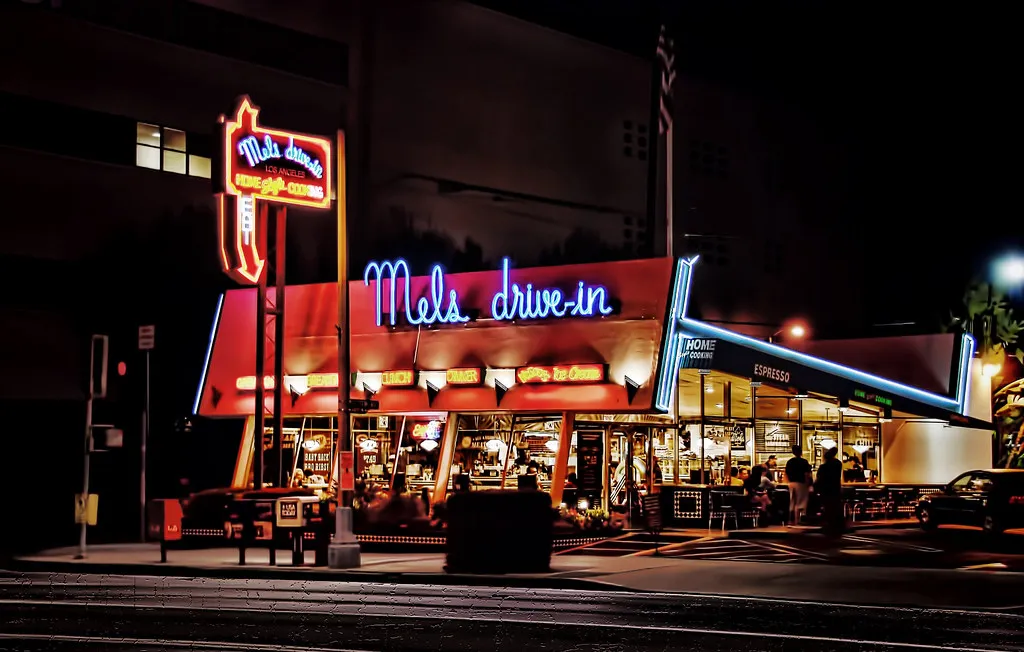
Starlite Drive-In Theatre capitalized on nostalgia by combining retro ambiance with digital upgrades to attract audiences seeking authentic experiences. There’s a line between honoring the history of the format and turning it into a museum piece. The most successful operators know how to keep the warm, unhurried feeling of a classic drive-in while quietly upgrading everything that matters technically.
The drive-in market is currently experiencing a renaissance, characterized by a resurgence in popularity among diverse demographics. This revival is driven by a combination of nostalgia and the desire for unique entertainment experiences. As consumers increasingly seek alternatives to traditional cinema, drive-in theaters offer a distinctive blend of comfort and social interaction. That combination, comfort plus community plus the open sky, is genuinely hard to replicate anywhere else.
The Road Ahead for the Classic Drive-In
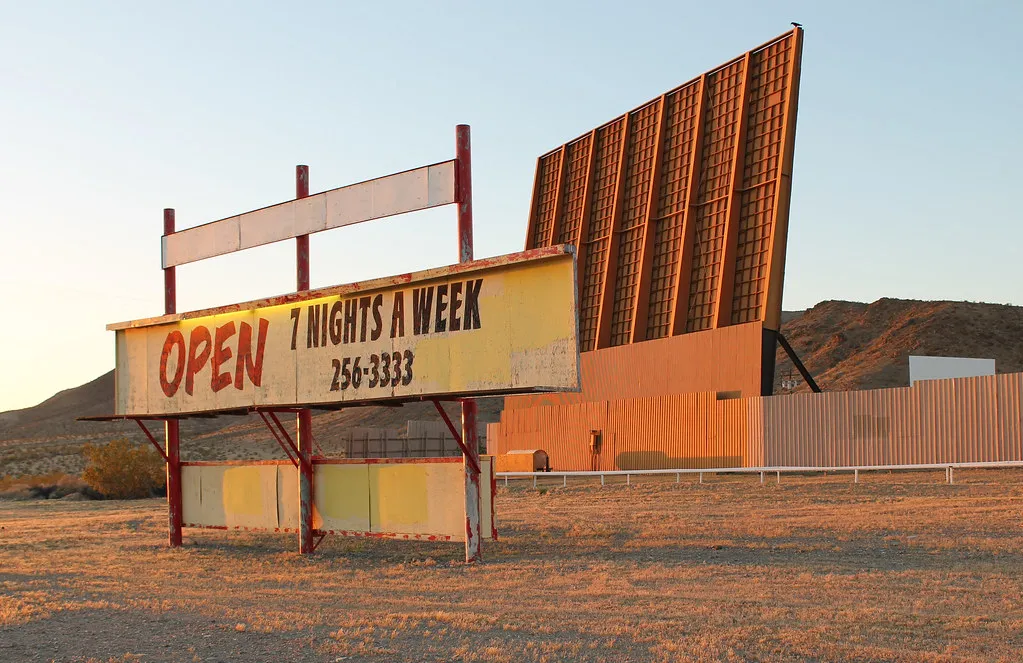
The Mahoning Drive-In Theater in Pennsylvania confirmed preparations for its 76th consecutive operating season beginning spring 2026, demonstrating the long-term viability of well-operated permanent facilities. That kind of longevity doesn’t happen by accident. It takes consistent reinvestment, genuine connection with the local audience, and the willingness to evolve without abandoning what made the format worth saving in the first place.
The growth forecast for the drive-in market points toward adoption of immersive projection and audio technologies, integration with digital ticketing and apps, expansion of pop-up and seasonal drive-ins, partnerships with restaurants and entertainment chains, and sustainable and eco-friendly outdoor infrastructure. The path forward is clear enough. The classic drive-in stop isn’t just a piece of American nostalgia. Managed well, it remains a genuinely competitive entertainment experience in 2026, one that still gives people something a streaming subscription simply cannot deliver.
AI Disclaimer: This article was created with the assistance of AI tools and reviewed by a human editor.