
There’s something worth examining in the way most people handle a torn seam or a missing button. The default response, almost always, is to throw the garment away and replace it. That reflex feels normal now, but it’s actually a very recent habit, one that crept in quietly over the last few decades as cheap clothing flooded the market and the old skill of mending slowly faded from everyday life.
The good news is that a counter-movement has been gathering real momentum. Repair cafes, visible mending communities, and new government regulations are all nudging people back toward an older, more sensible relationship with their clothes. Mending isn’t just nostalgia. It’s increasingly practical, creative, and necessary.
The Scale of the Problem We’re Ignoring
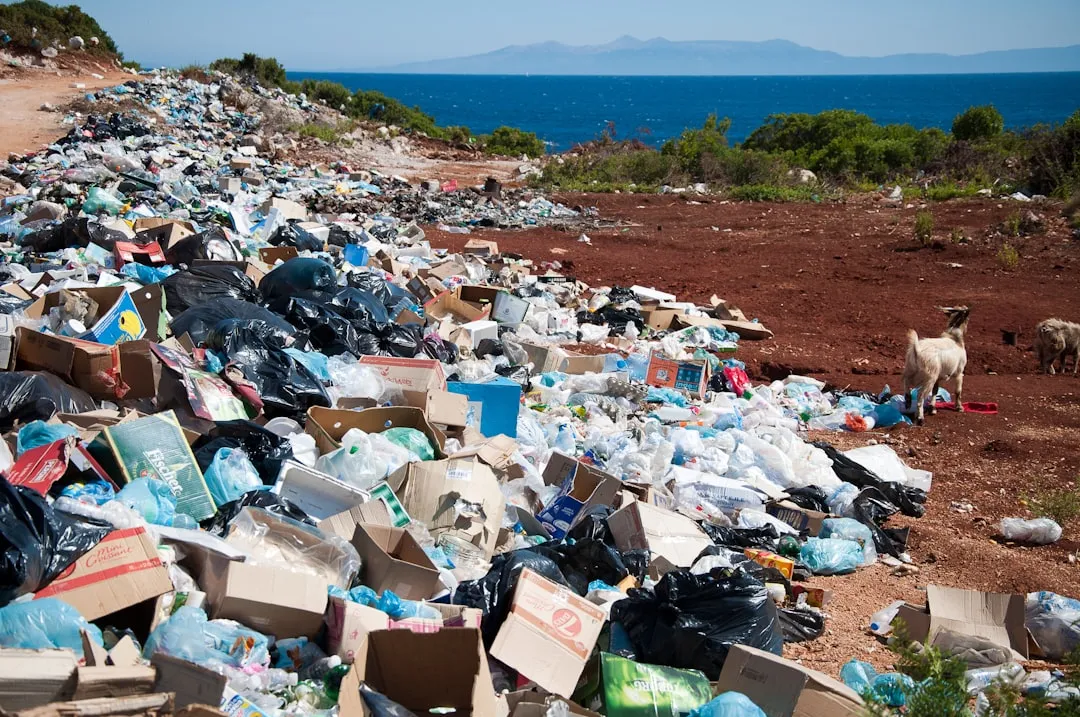
The numbers behind clothing waste are genuinely hard to absorb. Global textile waste reached 120 million metric tons in 2024, up from roughly 92 million in earlier estimates, and could exceed 150 million tons annually by 2030. That trajectory doesn’t happen by accident.
The average American throws away about 81 pounds of clothing annually, much of which ends up in landfills. Nowadays, clothing is worn only seven to ten times before being thrown away, a decline of more than a third in just fifteen years. Those two facts together tell you almost everything about the disposable culture fast fashion created.
The fashion industry is responsible for 1.2 billion tons of greenhouse gases annually, a figure predicted to increase by fifty percent by the year 2030. Mending even a fraction of what currently gets discarded would put a real dent in those numbers.
Why We Stopped Mending in the First Place
Fast fashion brands are now producing double the amount of clothes today than in the year 2000. When clothing became this cheap and this abundant, the economics of repair started to feel less compelling to the average consumer. Why spend time fixing a five-dollar t-shirt when a replacement costs the same?
Repair costs rose about eighteen percent between 2020 and 2024, making pricing repair services less competitive against low-cost fast fashion replacement, especially for price-sensitive consumers. This created a cycle that eroded the repair habit for an entire generation. Skills that grandparents took for granted quietly disappeared from the home.
The workforce of skilled tailors is also shrinking, with estimates suggesting a twenty-one percent decline in vocational entries into the trade since 2015. The knowledge gap is real, and closing it requires a deliberate cultural shift, not just better pricing.
The Visible Mending Movement
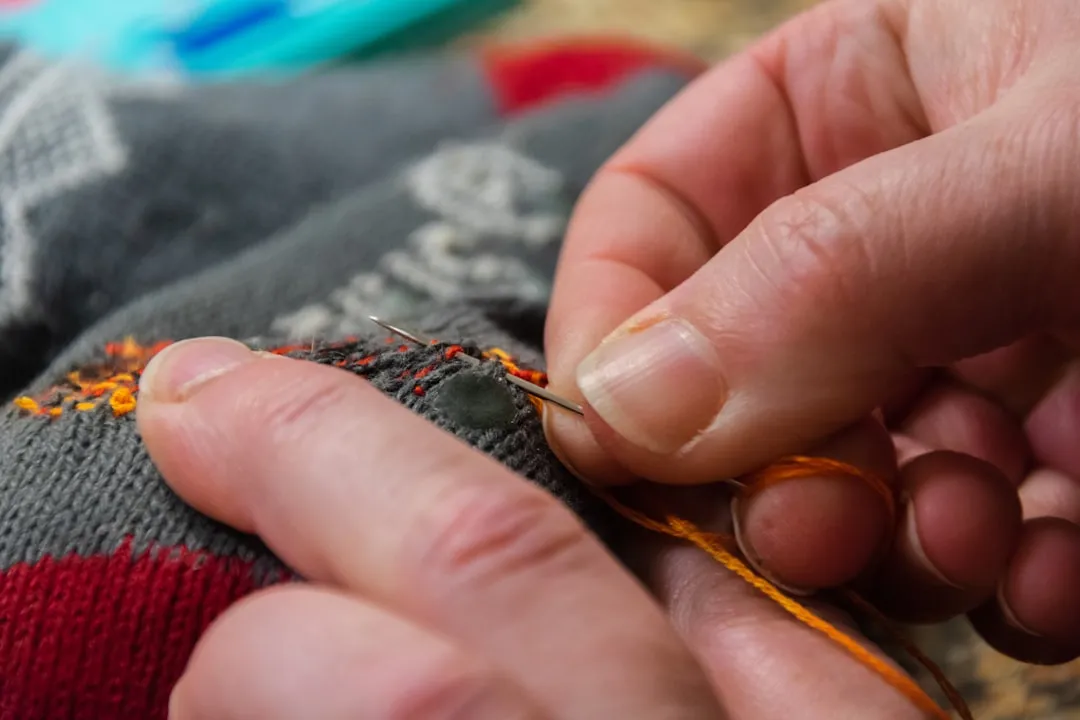
Unlike invisible mending, visible mending celebrates the wear and tear that comes from loving your clothes down to their seams, and draws attention to and celebrates the act of mending itself. This reframing has changed the conversation significantly. A patch or a darned heel is no longer a sign of poverty. It’s a statement.
Visible mending techniques like sashiko embroidery, patchwork, and fabric repair can add character and uniqueness to garments. Ethical fashion thinkers argue that well-loved clothing has beauty and worth beyond its pristine state. This idea resonates with a growing audience who are tired of the relentless churn of trends.
Communities of visible menders have grown steadily on social media platforms, sharing their stitched repairs and embroidered patches as genuine creative work. The emphasis isn’t on hiding flaws. It’s on making the history of a garment part of its identity.
The Philosophy of Kintsugi Applied to Clothes
Kintsugi, the ancient Japanese art of repairing broken pottery with gold, teaches us that imperfections are not just to be accepted but celebrated. This philosophy is making its way into the world of sustainable fashion, especially among ethical brands that prioritize longevity and craftsmanship.
Kintsugi is far more than a technique. It is a deeply rooted philosophy for finding beauty in imperfection and incompleteness. It highlights the damage rather than hiding it, turning fractures into features. Applied to clothing, this mindset transforms a mended garment from a compromised object into something more interesting than the original.
Instead of hiding the cracks, kintsugi highlights them, making the object even more valuable and unique. This philosophy aligns perfectly with the ethos of slow fashion, where durability and mindful consumption take precedence over mass production and waste.
Repair Cafes: Community as Infrastructure
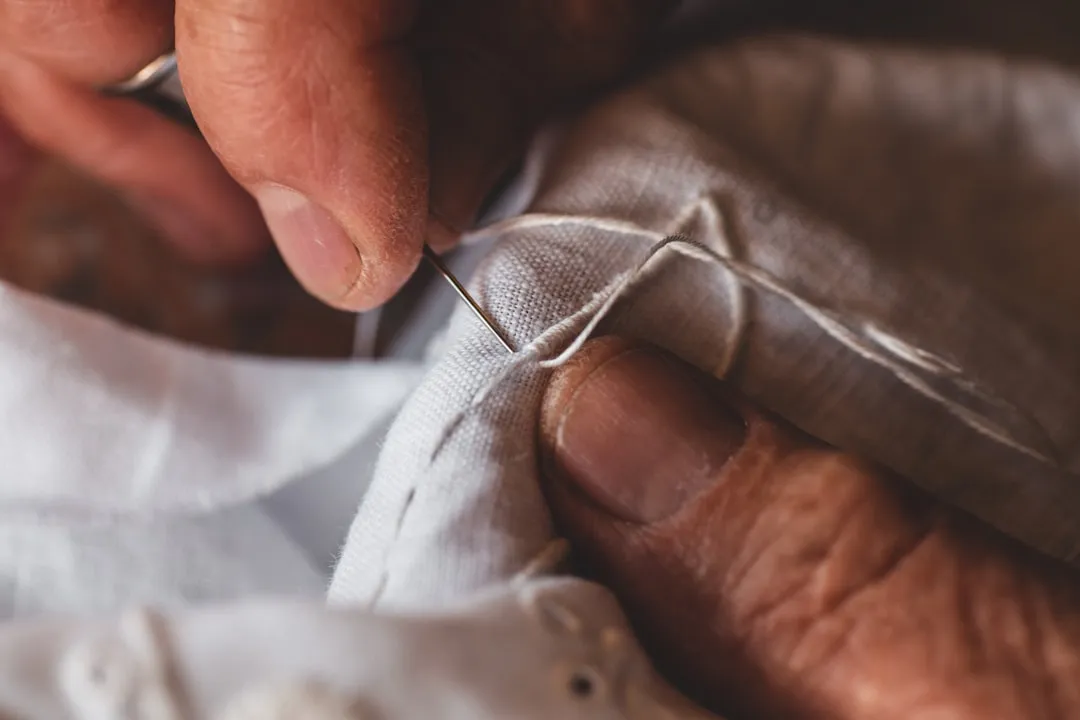
Repair cafes now number over 2,500 globally as of 2025, functioning as grassroots awareness channels and driving community-level engagement with repair services. These aren’t niche craft spaces for hobbyists. They’re practical, accessible places where people bring broken things and leave with usable ones.
This trend is particularly pronounced in urban European and North American markets, where climate-conscious demographics are prioritizing repair over disposal. Many repair cafes handle clothing alongside electronics and appliances, making the case that the repair mindset applies broadly.
The social dimension matters too. Mending alongside other people, sharing techniques and tools, rebuilds a kind of community knowledge that was once passed down through families. What repair cafes have done, quietly and practically, is substitute for the intergenerational transmission of skill that industrialization interrupted.
What the Data Says About Consumer Behavior
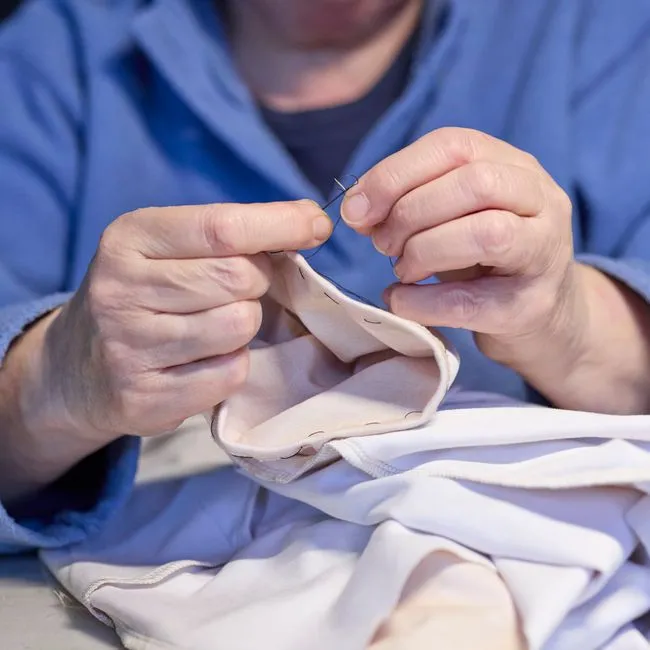
In 2024, more than sixty-four percent of consumers globally reported that reducing textile and footwear waste motivated them to choose repair services instead of discarding items. That’s a majority, and it represents a meaningful shift in how people think about their clothes.
Research indicates that roughly two-thirds of North American and European consumers are actively seeking ways to extend garment lifespans, and professional alterations are identified as a preferred method. The demand is clearly there. The barrier is often simply knowing where to go or how to start.
Professional clothing and footwear repair activities prevented nearly 39 million kilograms of textiles from being discarded or sent to landfills in 2024 alone, underscoring the environmental impact of repair services. That figure is significant, and it only represents the professionally handled share of repairs. DIY mending at home adds considerably more.
Brands That Are Actually Doing It Right
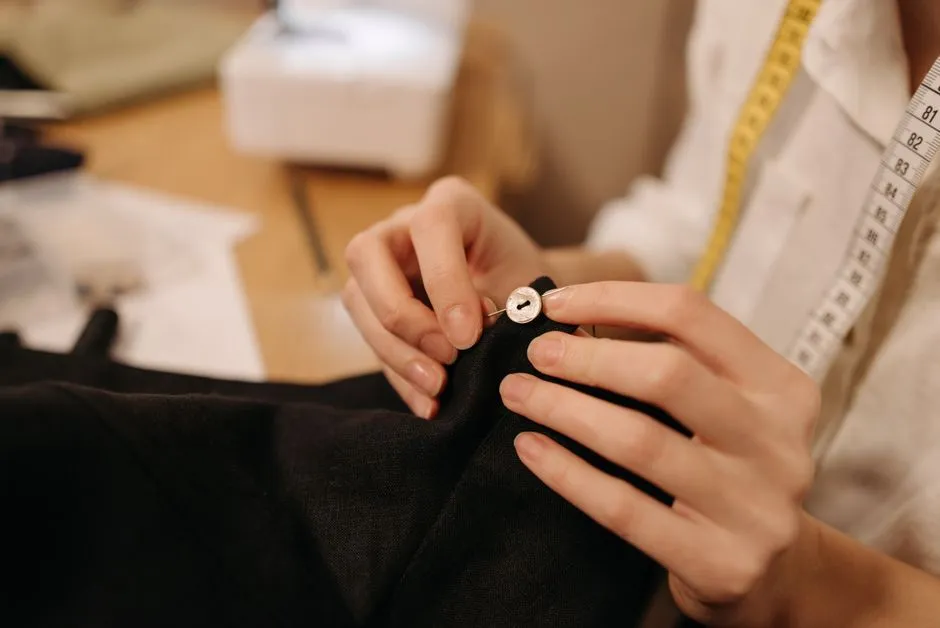
Major brands including Patagonia, Eileen Fisher, and Timberland have launched or expanded dedicated repair programs. The UN Environment Programme estimates that extending the life of garments by just nine months reduces carbon, water, and waste footprints by twenty to thirty percent.
In the clothing segment, Patagonia’s Worn Wear program processed over 100,000 repairs in 2024, demonstrating the scale achievable through a well-run brand repair program. That’s not a symbolic gesture. That’s a serious, operational commitment to keeping garments in circulation.
Nearly twenty-seven percent of fashion brands now collaborate with repair businesses to offer after-sales maintenance services for consumers. The model is spreading, driven by both sustainability commitments and the practical reality that customers who get repairs from a brand tend to stay loyal to it.
New Laws Are Changing the Landscape
The EU introduced its Right to Repair legislation in June 2024. France has had its Repair Bonus for clothes since 2023, making it a clear leader in the right to clothing repair. These policy moves signal that governments are no longer treating mending as purely a personal choice.
Brands will be required to include clear labelling on garments about the products’ expected lifespan, repairability, and the availability of spare parts such as fabrics, zippers, and buttons. These components must remain available for a certain number of years after the product is placed on the market. That requirement fundamentally changes the product design conversation.
In late 2024, California passed regulations requiring apparel producers to join responsibility organizations that must develop plans for the collection, repair, and recycling of their products. The regulatory pressure now reaches across both the Atlantic and the Pacific. Mending is moving from optional to expected.
The Economics Make More Sense Than People Think
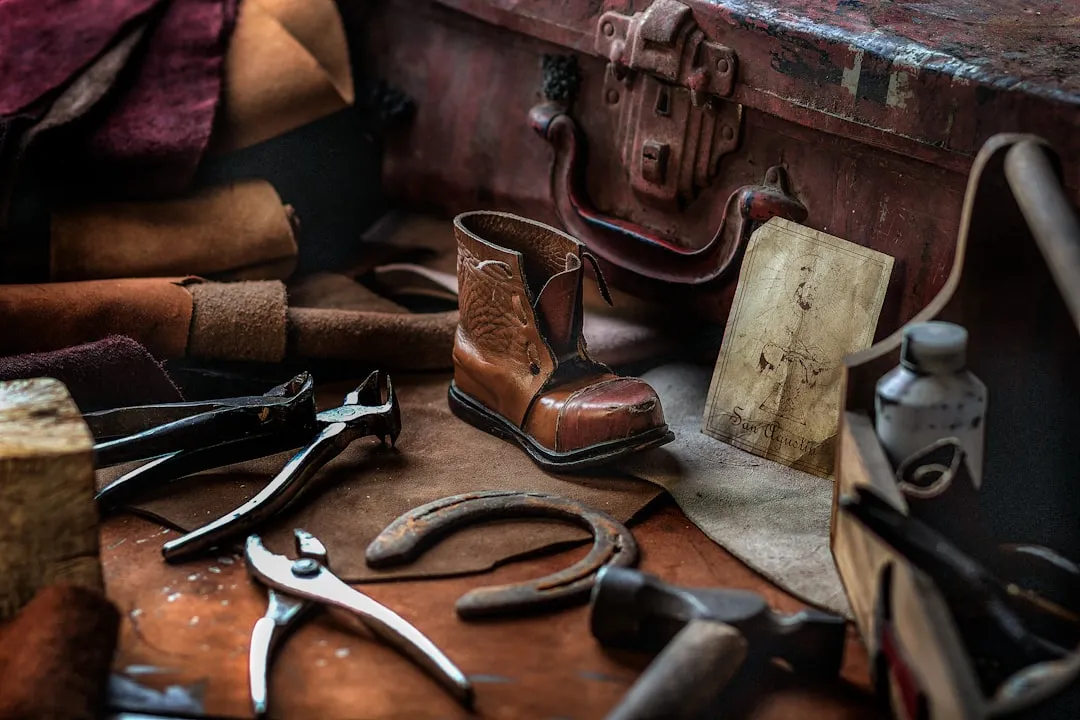
For mid-range and premium footwear consumers, professional repair can restore a pair of shoes to near-original condition at twenty to forty percent of the replacement cost, which presents a compelling value proposition. The math gets even more persuasive when you account for quality. Cheap replacements wear out faster than mended originals.
One of the most significant factors influencing the repair market is the economic rationality of restoring garments and footwear. With unpredictable economic times and higher costs of living, it can simply be cheaper to have specific clothes or shoes mended. This practical argument is reaching people who might not be motivated by environmental concerns alone.
The return-to-office wave across major global economies in 2024 and 2025 generated measurable wardrobe refresh spending, contributing to a twelve-point-three percent year-on-year uptick in formal wear alteration bookings in key metropolitan markets. People are rediscovering tailoring out of practical need, and many are sticking with it.
How to Actually Start Mending at Home
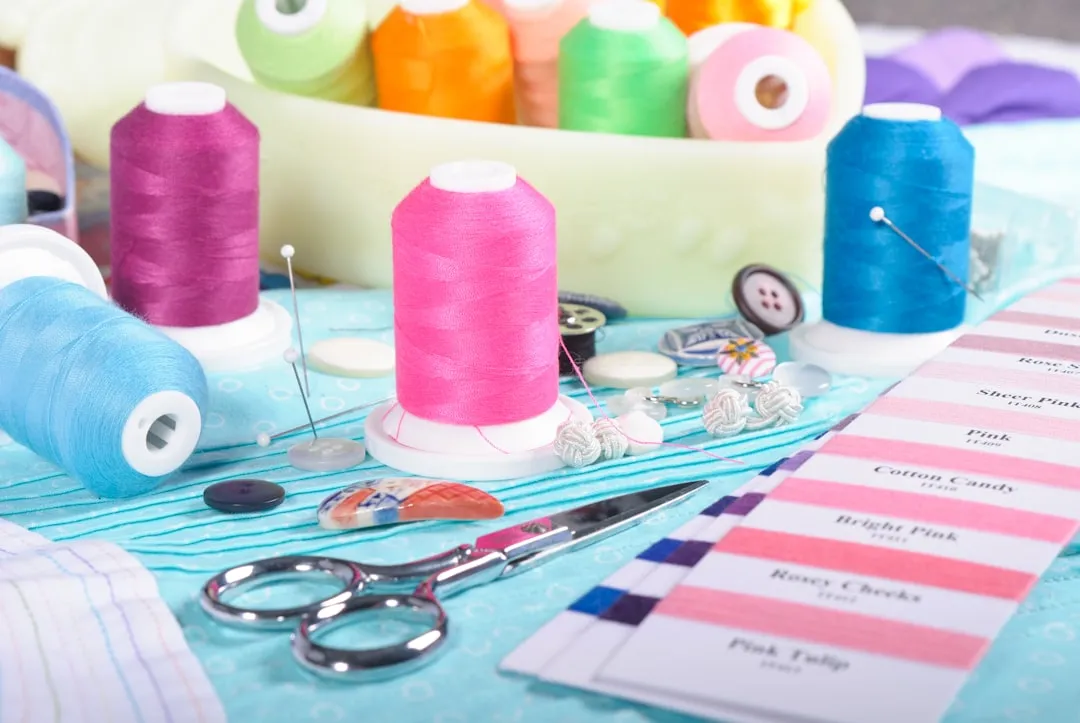
Starting is much simpler than most people expect. A basic sewing kit, a YouTube tutorial for darning socks, and thirty minutes on a weekend afternoon is genuinely enough to begin. The first repair doesn’t need to be invisible or perfect. It just needs to extend the life of the garment.
Access to repair instructions or tutorials should increasingly be available to consumers through QR codes, websites, or printed manuals, as new regulations are pushing brands to make this information accessible. That means the knowledge barrier is actively coming down from the brand side as well.
Joining a local repair cafe, taking a single darning class, or simply keeping a small mending basket next to the laundry are all low-commitment entry points. The skill builds quickly, and what starts as a reluctant attempt to fix a torn pocket often turns into something genuinely enjoyable.
The Quiet Reward of Mending
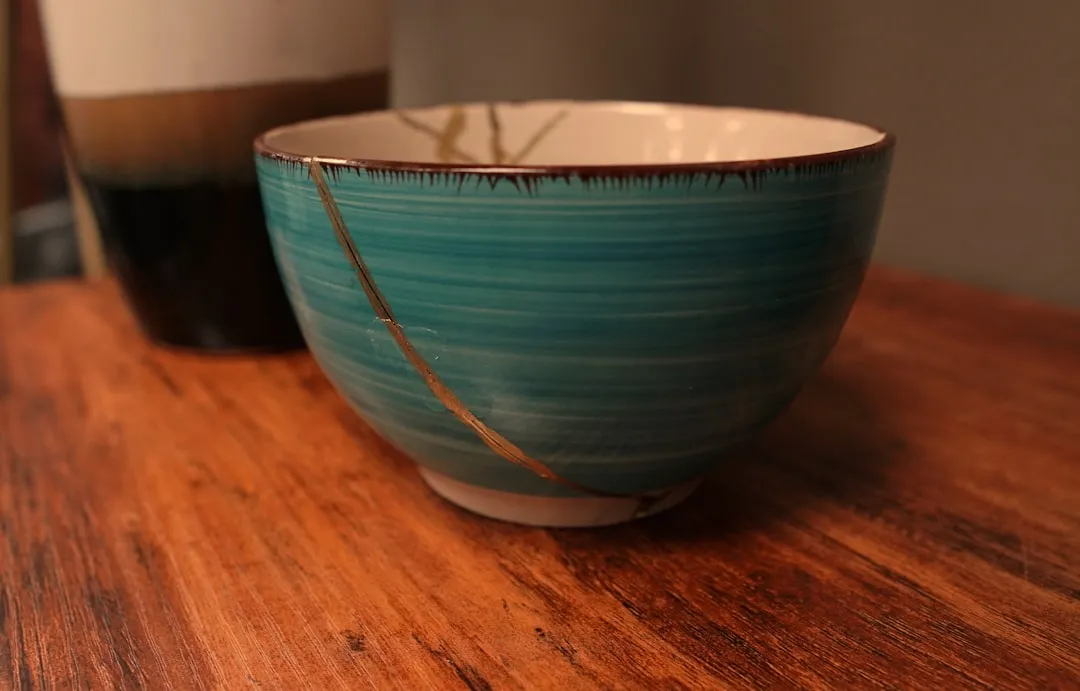
There’s a dimension to mending that data doesn’t fully capture. It’s the satisfaction of using something you fixed, of knowing the exact story behind a patch or a reinforced elbow. In tea culture traditions where kintsugi first flourished, bowls that had been repaired were valued because their visible seams told a story of attention, time, and use. A mended item often acquired more cultural significance than an unblemished one due to its evidence of human presence and fragility.
Extending the life of garments by just nine months reduces carbon, water, and waste footprints by twenty to thirty percent, according to the UN Environment Programme. That’s a meaningful contribution from a single household decision. Multiply it across millions of people returning to the habit of repair, and the cumulative effect is substantial.
Mending asks you to slow down, pay attention to something you own, and decide it’s worth keeping. That’s not a small shift. In a world built around constant replacement, it’s actually a quiet form of resistance, and a surprisingly satisfying one.
AI Disclaimer: This article was created with the assistance of AI tools and reviewed by a human editor.