

Blue jays are stunning birds known for their vibrant blue plumage and lively personalities. Attracting these beautiful birds to your garden can bring a splash of color and delightful bird songs. As a gardener and bird lover, I’m thrilled to share some effective tips to create a welcoming environment for blue jays. These birds are not only lovely to watch but also play a role in the ecosystem by dispersing seeds and controlling insect populations.
In this article, we’ll explore various strategies to make your garden more attractive to blue jays. From providing the right food and water sources to creating suitable habitats, these tips will help you turn your garden into a blue jay haven. Let’s dive into the world of blue jays and discover how to invite these charming birds to your outdoor space!
Provide the Right Food
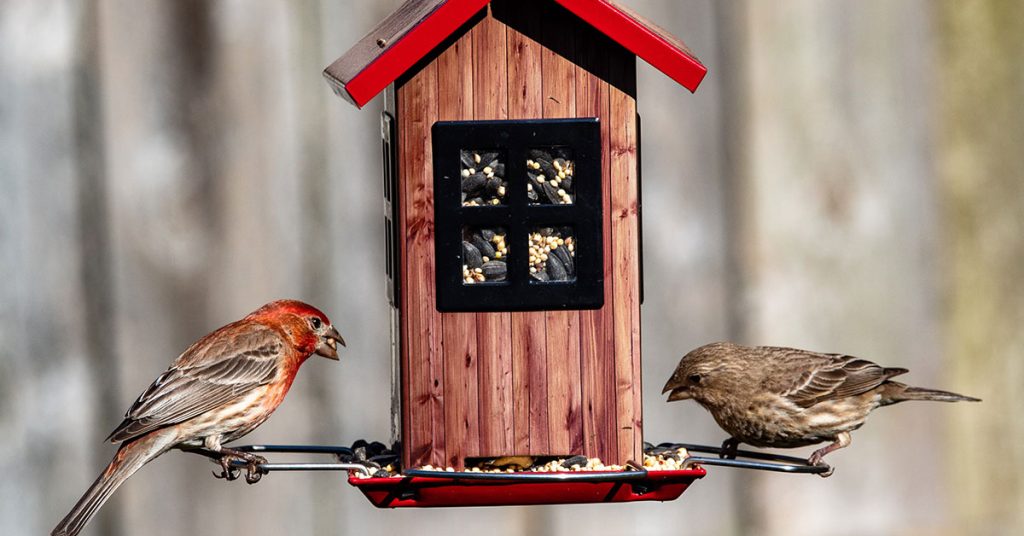
Blue jays are known for their diverse diet, which includes seeds, nuts, fruits, and insects. To attract them, offer a variety of their favorite foods. Peanuts, in particular, are a blue jay favorite. You can provide unshelled peanuts in a platform feeder or scatter them on the ground. Sunflower seeds, especially black oil sunflower seeds, are also highly attractive to blue jays and can be offered in hopper or platform feeders.
Including fruit in your garden is another great way to attract blue jays. Native fruit-bearing plants like serviceberry (Amelanchier spp.), elderberry (Sambucus spp.), and hawthorn (Crataegus spp.) provide a natural food source that blue jays love. These plants not only supply food but also enhance the biodiversity of your garden, supporting a wide range of wildlife.
Set Up a Bird Bath
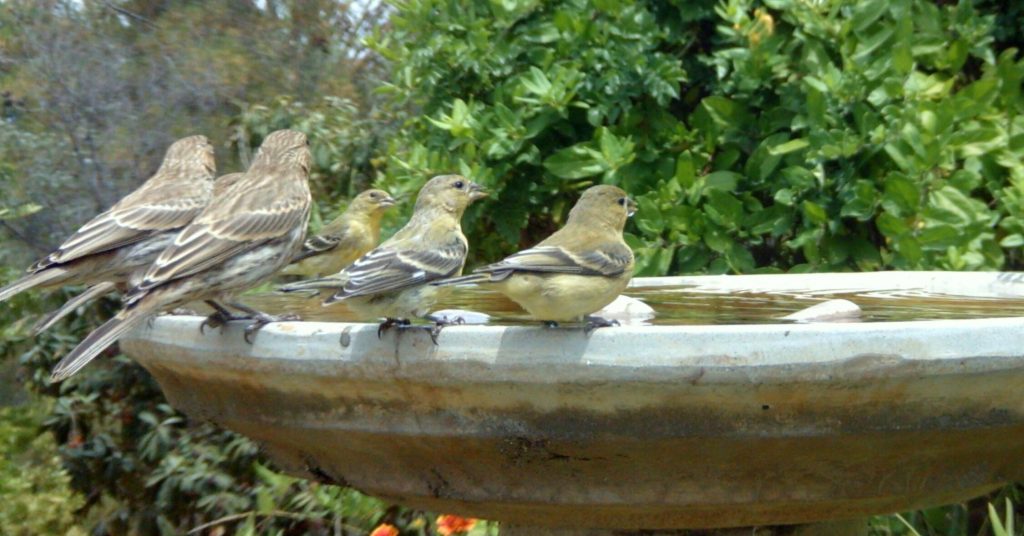
Providing a reliable water source is essential for attracting blue jays. These birds enjoy drinking and bathing in clean, fresh water. Setting up a bird bath in your garden can make it more appealing to blue jays. Choose a bird bath with a shallow basin and place it in a visible and accessible location. Keep the water clean by changing it regularly and scrubbing the basin to prevent algae buildup.
Adding a dripper or a small fountain to your bird bath can make it even more attractive. The sound and movement of water are particularly appealing to blue jays and can draw them in from a distance. Ensure that the bird bath is placed in a spot with some cover nearby, such as shrubs or trees, where the birds can retreat if they feel threatened.
Plant Native Trees and Shrubs
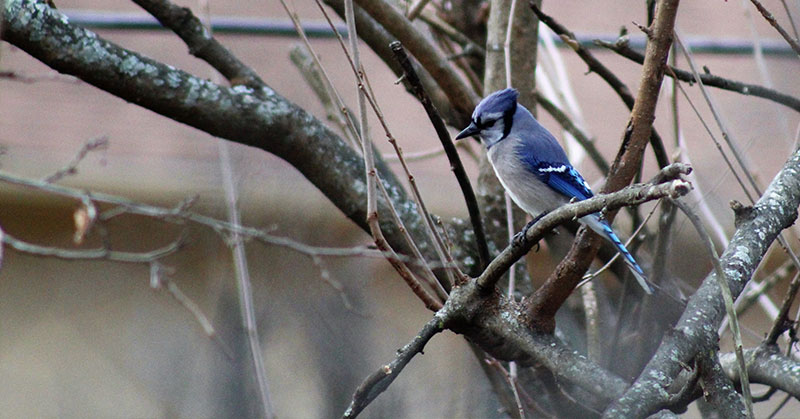
Creating a habitat with native trees and shrubs is crucial for attracting blue jays. These birds prefer environments with plenty of cover and nesting sites. Native trees like oak (Quercus spp.), pine (Pinus spp.), and maple (Acer spp.) provide excellent nesting opportunities and a natural food source in the form of acorns, seeds, and insects.
Incorporating native shrubs such as dogwood (Cornus spp.), holly (Ilex spp.), and viburnum (Viburnum spp.) can also enhance your garden’s appeal. These shrubs offer berries and shelter, making your garden a more attractive habitat for blue jays. By planting native vegetation, you support the local ecosystem and create a welcoming environment for a variety of wildlife.
Offer Nesting Materials
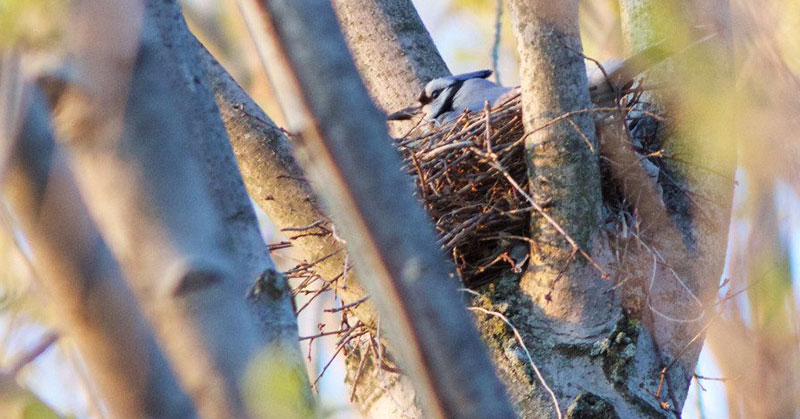
Blue jays build their nests with a variety of natural materials, including twigs, grass, and leaves. Providing nesting materials in your garden can encourage them to set up home. Place small piles of twigs, dry grass, and pine needles around your garden. You can also hang a suet feeder filled with nesting materials like string, yarn, and cotton.
Ensuring these materials are readily available helps blue jays during their nesting season. By offering nesting supplies, you increase the chances of blue jays choosing your garden as their nesting site. Watching blue jays build their nests and raise their young can be a rewarding experience for any gardener and bird enthusiast.
Maintain a Clean Feeding Area

Keeping your feeding area clean is essential for attracting and maintaining healthy blue jays. Clean feeders regularly to prevent the spread of diseases and remove any moldy or spoiled food. A tidy feeding area ensures that blue jays and other birds have a safe place to eat.
Place your feeders in locations that are easy to access and monitor. Avoid placing feeders too close to dense shrubs or tall grass where predators like cats might hide. A clean and safe feeding area encourages blue jays to visit your garden regularly and enjoy the food you provide.
Create a Diverse Garden Landscape
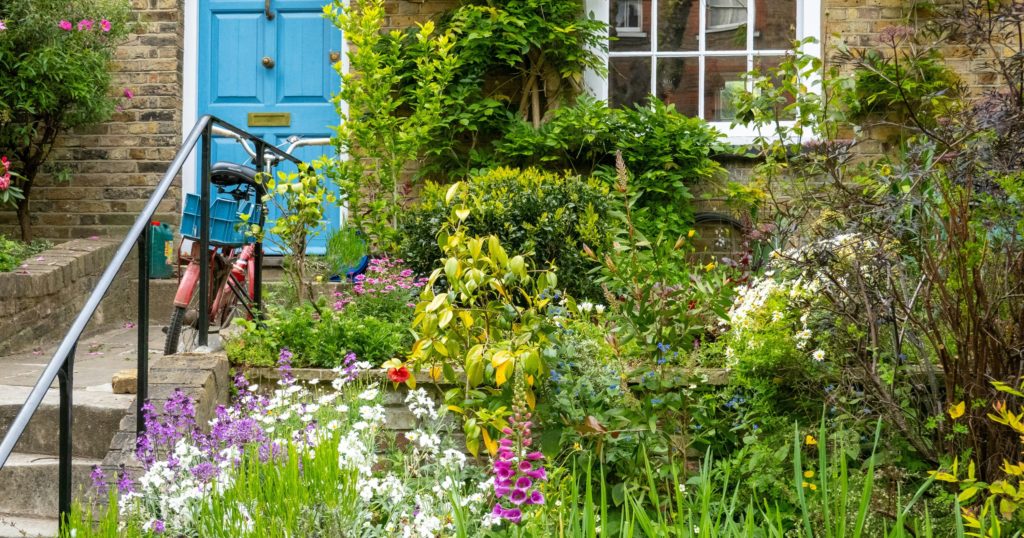
A diverse garden landscape that mimics a natural habitat is highly attractive to blue jays. Include a variety of plant species, layers of vegetation, and open spaces to create a dynamic environment. This diversity provides blue jays with food, shelter, and nesting sites throughout the year.
Incorporate different types of plants, such as trees, shrubs, perennials, and annuals. Native wildflowers like goldenrod (Solidago spp.) and coneflower (Echinacea spp.) can add beauty and attract insects that blue jays feed on. A diverse garden landscape supports a healthy ecosystem and makes your garden a preferred spot for blue jays and other wildlife.
Avoid Using Pesticides
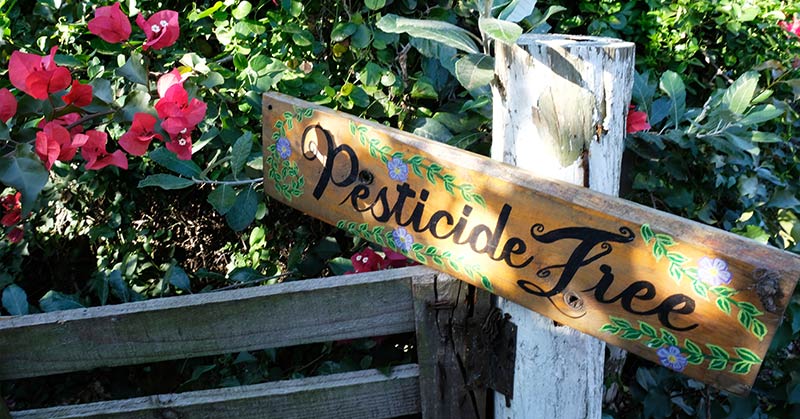
Using pesticides in your garden can be harmful to blue jays and other wildlife. These chemicals can poison the insects that blue jays eat and contaminate the environment. To create a safer habitat, adopt organic gardening practices and avoid using pesticides.
Encourage natural pest control by attracting beneficial insects and birds that prey on garden pests. Ladybugs, lacewings, and predatory beetles can help keep pest populations in check. By maintaining a pesticide-free garden, you protect the health of blue jays and contribute to a more sustainable ecosystem.
Provide Shelter and Roosting Sites
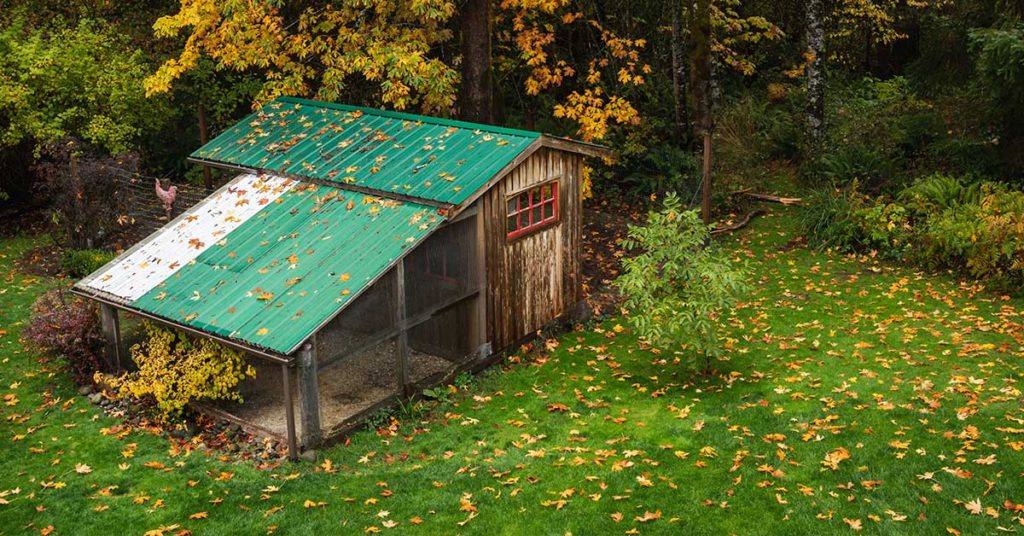
Blue jays need shelter and roosting sites to feel safe and comfortable in your garden. Planting dense shrubs and trees provides natural cover where blue jays can rest and hide from predators. Evergreen trees like pine and spruce offer year-round shelter and roosting opportunities.
Creating brush piles or installing roosting boxes can also provide additional shelter. Place these in quiet areas of your garden where blue jays can retreat and feel secure. Providing adequate shelter and roosting sites ensures that blue jays have a safe haven in your garden, encouraging them to visit and stay.
Use Natural Mulch
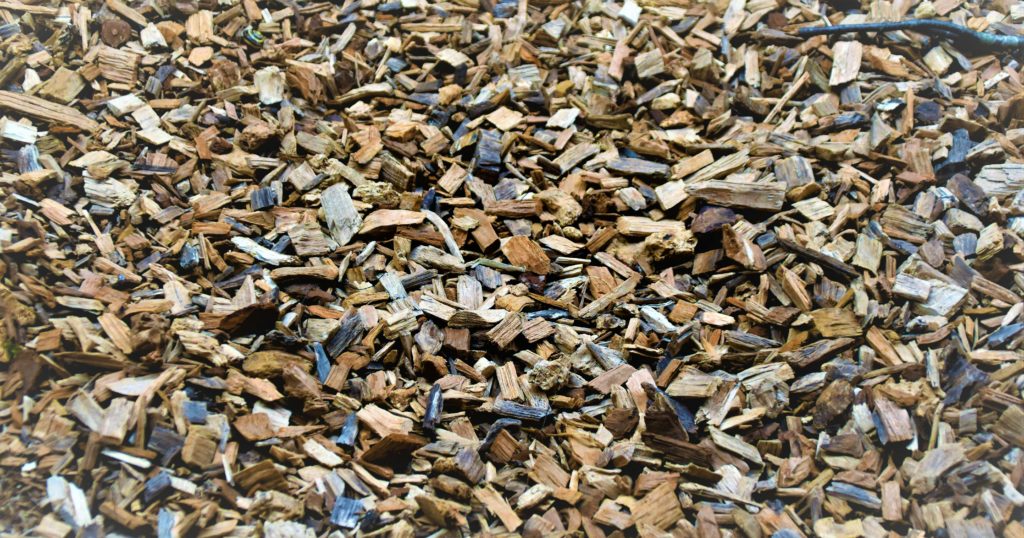
Using natural mulch in your garden can create a more appealing environment for blue jays. Mulch helps retain soil moisture, suppress weeds, and improve soil health. It also provides a habitat for insects that blue jays feed on. Wood chips, bark, and leaf litter are excellent choices for natural mulch.
Spread mulch around your garden beds and under trees and shrubs. This not only benefits your plants but also creates a rich environment for insects. The presence of insects attracts blue jays, providing them with a natural food source. Using natural mulch enhances the overall health of your garden and supports wildlife.
Be Patient and Consistent

Attracting blue jays to your garden takes time and consistency. Be patient and continue providing food, water, and a suitable habitat. It may take a while for blue jays to discover and regularly visit your garden, but your efforts will eventually pay off.
Maintain your garden with the needs of blue jays in mind, and keep observing for their presence. Over time, as they become familiar with your garden, you will enjoy the vibrant activity and beauty that blue jays bring. The joy of seeing these stunning birds in your garden is well worth the wait and effort.