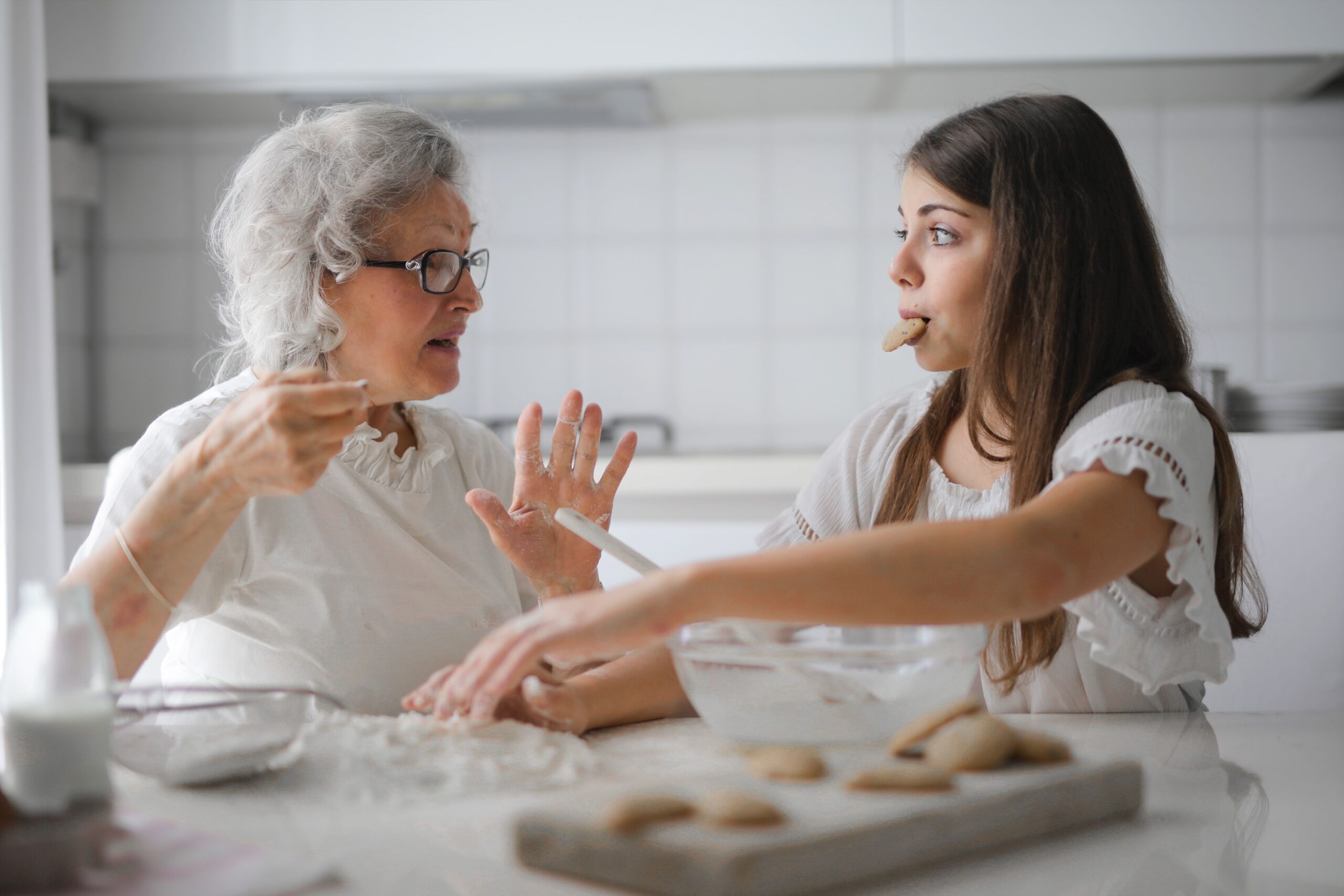

When multiple generations share a kitchen, the question of who actually cooks rarely gets answered at a single family meeting. It tends to evolve organically, shaped by schedules, health, tradition, and sometimes a little tension. The kitchen becomes one of the most revealing spaces in any multigenerational home, a place where different tastes, habits, and expectations quietly negotiate a daily truce.
This is not a small or niche situation. According to a 2025 Pew Research Center report, roughly a fifth of adults aged 65 and older lived in a multigenerational family household in 2023, up from 17 percent in 1990. As that number continues climbing, so does the practical challenge of feeding everyone, well and without too much conflict.
More Families Are Sharing Roofs Than Ever Before

Multigenerational homes represented 17 percent of housing purchases in 2024, a record number for the segment, and one in five Gen X buyers and 12 percent of older millennials bought such homes in 2025, according to the National Association of Realtors. The trend is being driven by a combination of financial pressure, aging parents, and a housing market that has made independent living harder to sustain.
In August 2024, the National Endowment for Financial Education surveyed 1,475 adults and found that 55 percent lived in a multigenerational household. That figure is striking. It suggests this arrangement is no longer an exception but is becoming a defining feature of American family life.
The Grandparent Who Runs the Kitchen
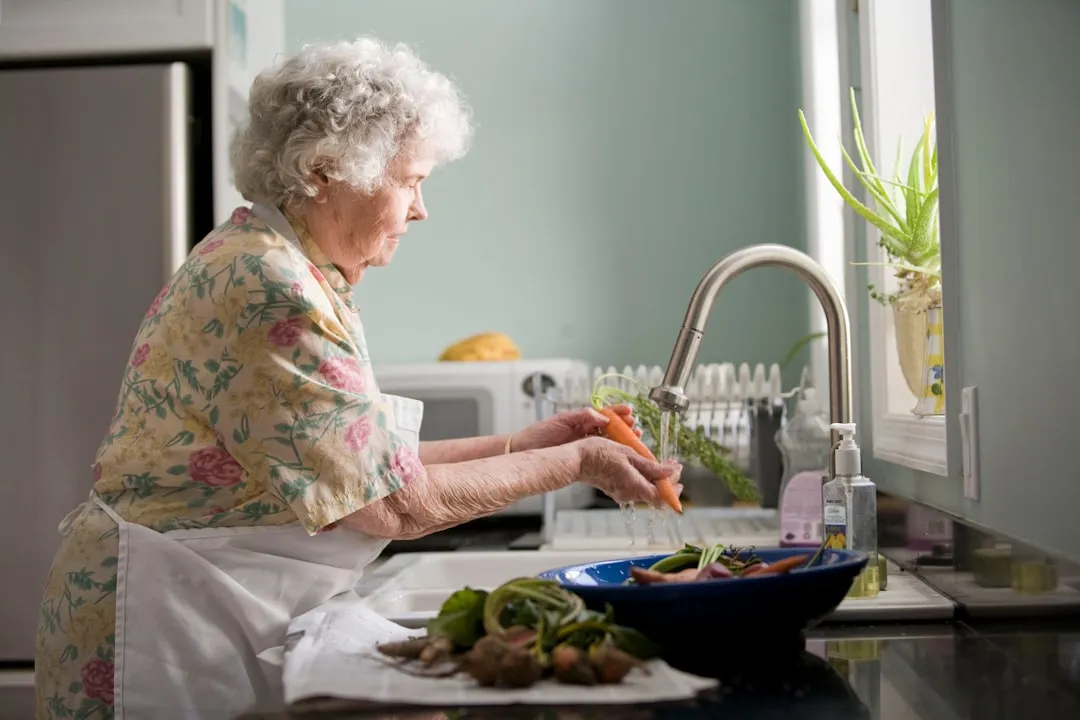
In many multigenerational homes, the oldest generation quietly assumes the most active cooking role. This often happens less by deliberate design and more through habit: grandparents are typically home during the day, have more flexibility than working parents, and carry decades of cooking experience. Research on multigenerational families found that the predominant role of women in meal preparation, and the use of family recipes and customs, can be traced across multiple generations.
In the United States, grandparents are increasingly living with their grandchildren in multigenerational households and providing regular childcare. Cooking is rarely separated from that caregiving role. A grandparent who watches the kids during the day almost always feeds them too, making meal preparation an extension of childcare rather than a distinct household task.
Working Parents and the Time Crunch
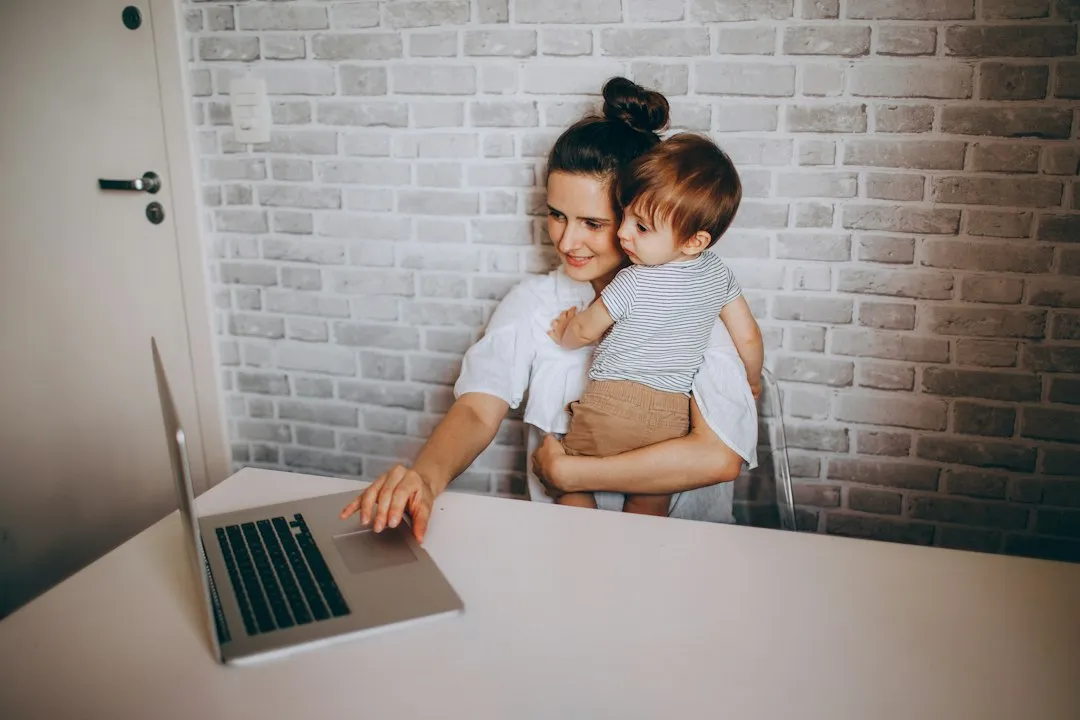
The middle generation, typically parents in their 30s and 40s, is usually the most pressed for time. The average American spends 37 minutes per day on food prep, serving, and cleanup combined, according to the Bureau of Labor Statistics American Time Use Survey 2024. For working parents juggling full-time jobs, commutes, and childcare, 37 minutes can feel like a luxury.
This is often why parents in multigenerational households naturally gravitate toward the weekend cooking role rather than weeknight dinners. They handle the bigger, more elaborate meals when time permits, while grandparents manage the daily grind of feeding the household. The division is rarely written down. It tends to crystallize quietly over the first few months of living together.
What the Youngest Generation Actually Contributes
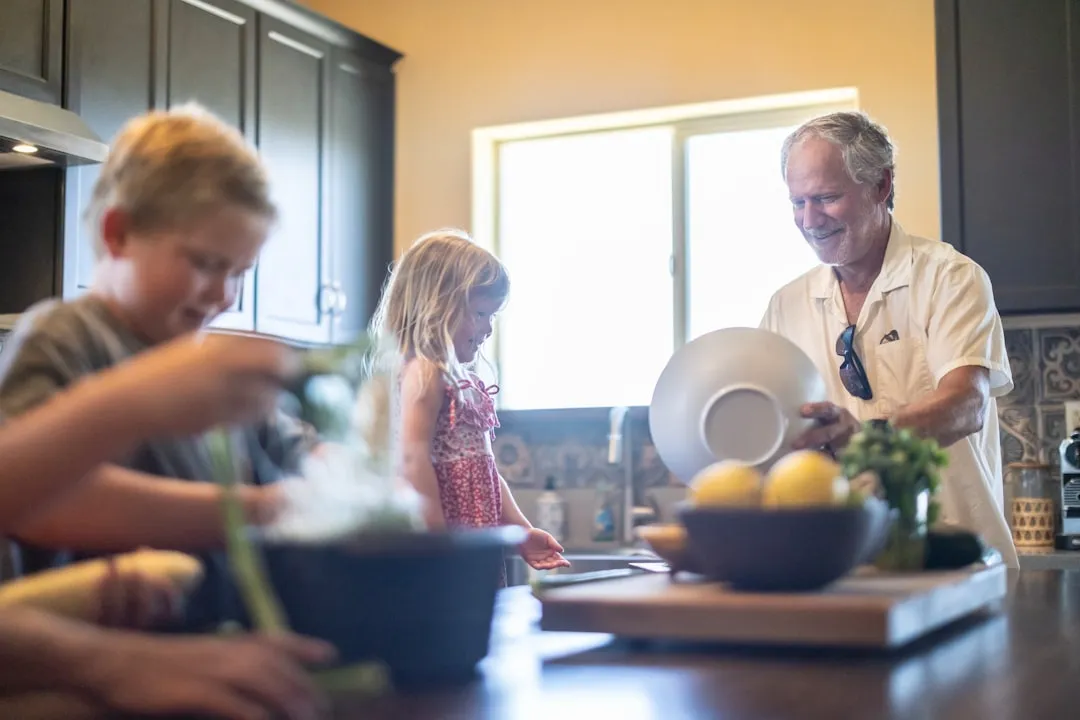
Teenagers and young adults in multigenerational homes do participate in cooking, though their contribution is uneven and often depends on how much they were taught to cook in the first place. Cooking activities can improve dietary habits and food skills in individuals of all ages, and targeting both grandchildren and grandparents at the same time through intergenerational cooking activities is relatively new territory for researchers.
Familial and intergenerational influences on dietary behaviors and food choices are evident in a bidirectional manner, meaning influence flows both from older to younger and from younger to older generations. This means the youngest generation is not simply passive. Younger family members sometimes introduce new cuisines, cooking techniques, or dietary preferences that gradually shift what the whole household eats.
How Dietary Preferences Create Division
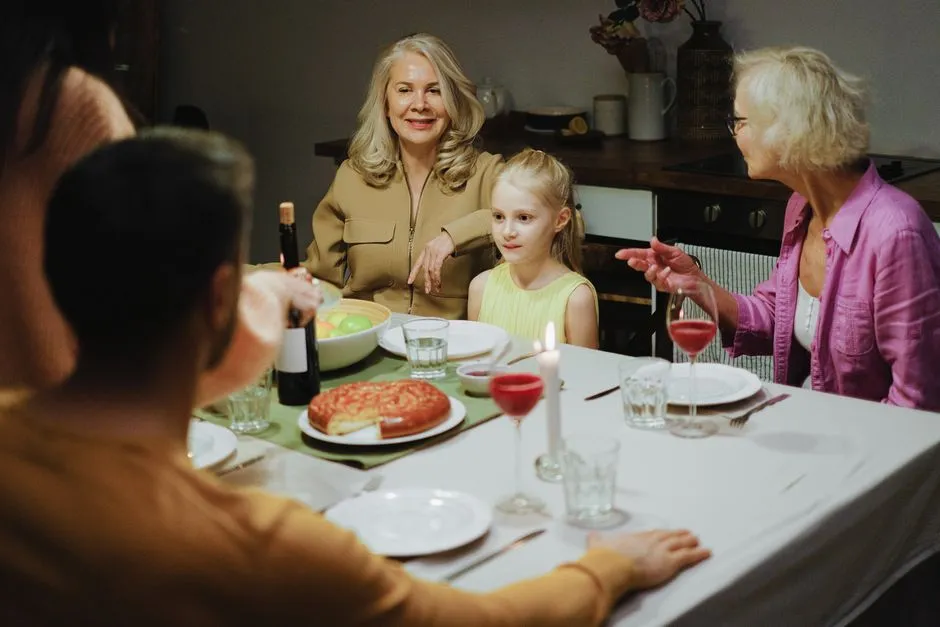
One of the more underappreciated tensions in a shared kitchen is the difference in what each generation actually wants to eat. Baby boomers and Generation X are more likely to cite flavor and quick preparation as important criteria for home-cooked meals, while millennials are roughly 37 percent more likely than baby boomers to believe their food choices have an impact on the environment. These are not trivial gaps. They affect grocery shopping, what gets cooked, and who feels satisfied at the table.
In practice, this tends to produce a negotiated menu that pleases no one entirely but offends no one too badly either. Some households rotate cuisine styles across the week, others simply cook two versions of a meal. The negotiation itself, though sometimes frustrating, is also one of the richer social rituals of multigenerational living.
How Food Habits Pass Between Generations
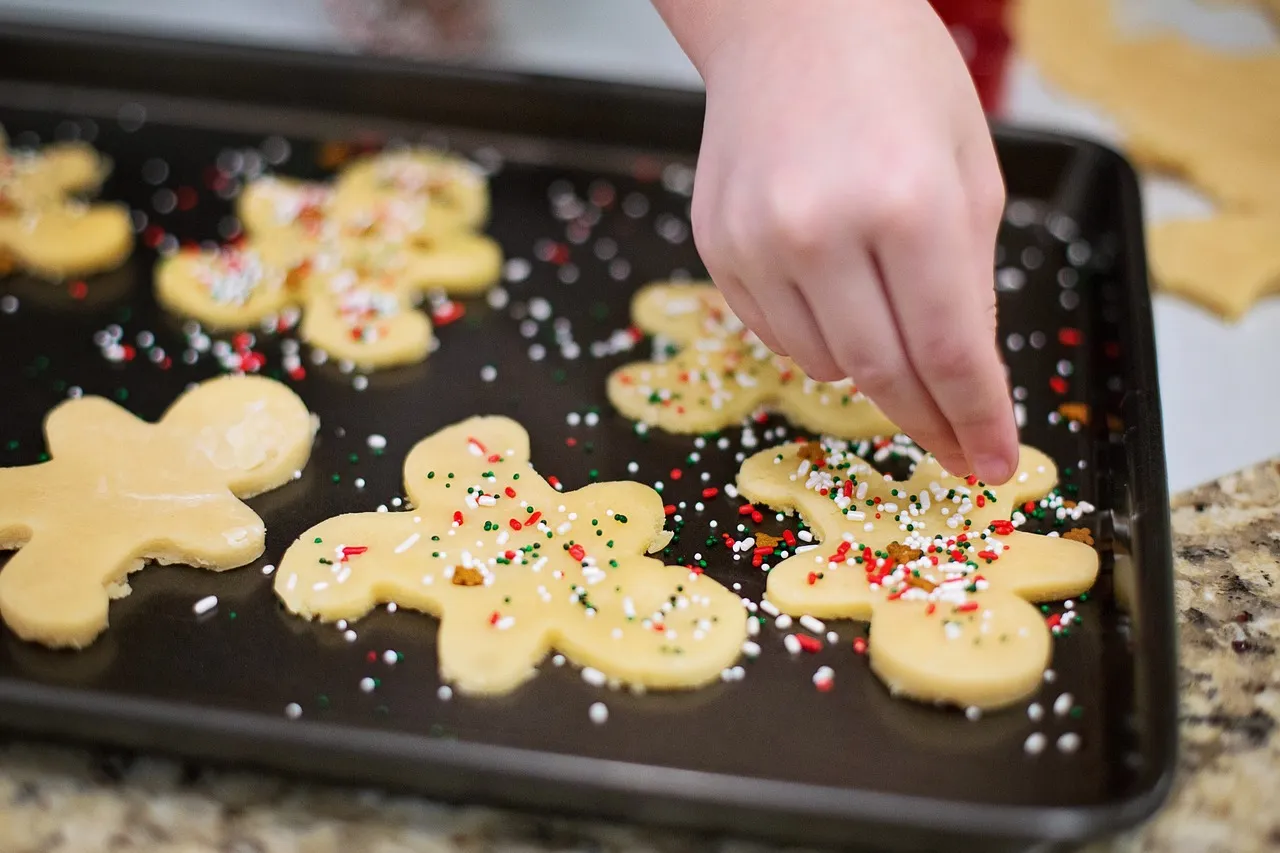
The kitchen is one of the clearest channels through which families transmit culture. Research has found that dietary intake aggregates within families, and that individual behaviors are greatly influenced by characteristics within the family unit, including the number of meals eaten together. Living under one roof intensifies that effect considerably compared to families who only gather for holidays.
Research found weak to moderate correlations between nutrient intakes of parent-offspring pairs who lived together, with the resemblance being stronger for mother-offspring than father-offspring pairs. In simple terms, children who grow up eating what their mothers and grandmothers cook tend to carry those preferences into adulthood. The kitchen is, in this sense, a kind of slow-moving inheritance.
The Financial Logic Behind Shared Cooking
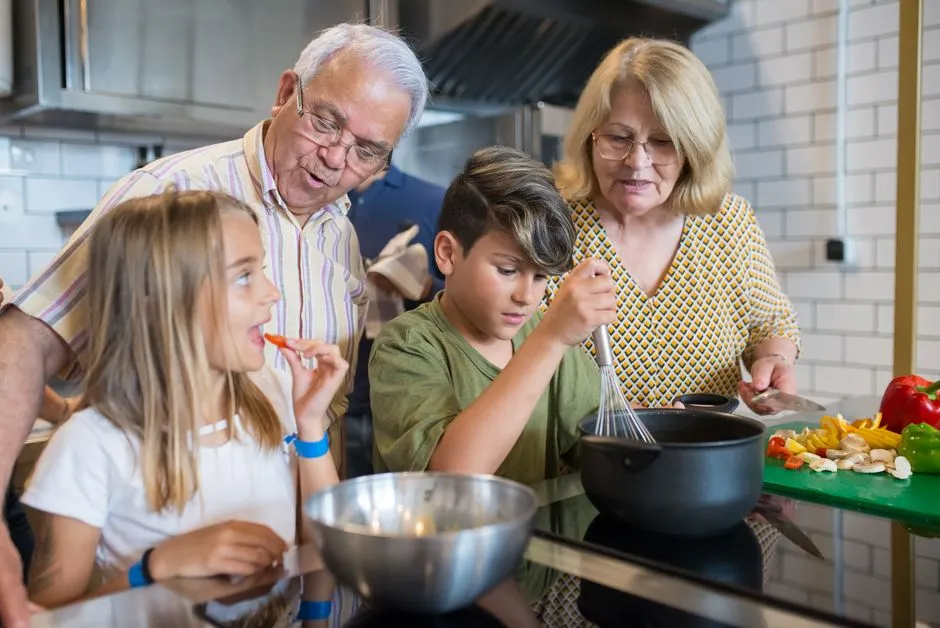
There is a practical financial dimension to who cooks in a multigenerational household, and it often gets overlooked in conversations about fairness and labor. In a National Association of Realtors survey, 36 percent of multigenerational home buyers said cost savings was the top reason they chose to purchase an intergenerational home. Shared cooking is one of the most direct ways those savings are realized.
In 2024, grocery prices rose about 1.6 percent while restaurant prices climbed 3.6 percent, more than double the grocery increase. When one household member, often a retired grandparent, handles daily cooking, the family avoids the expense of takeout and restaurant meals. Live-in grandparents who regularly provide childcare for young grandchildren help their adult children offset child care costs, which averaged more than $13,000 annually for one child in 2024. Cooking is just one part of a much larger contribution.
When Cooking Duties Cause Friction

No arrangement this intimate comes without its complications. Different standards of cleanliness, food safety, portion sizes, and cooking schedules can quietly build into larger frustrations. A grandparent who salts food generously may clash with a health-conscious parent trying to limit sodium intake. A teenager who keeps odd hours may expect food to be available at times that don’t align with the household routine.
In the United States, grandparents are increasingly living with their grandchildren in multigenerational households, though understanding of the potential for these grandparents to influence children’s nutrition and weight status is still limited. That gap in research mirrors the gap in many families’ own awareness. Most households work out cooking responsibilities through trial and error, not planning.
The Role of Shared Meals in Holding It All Together
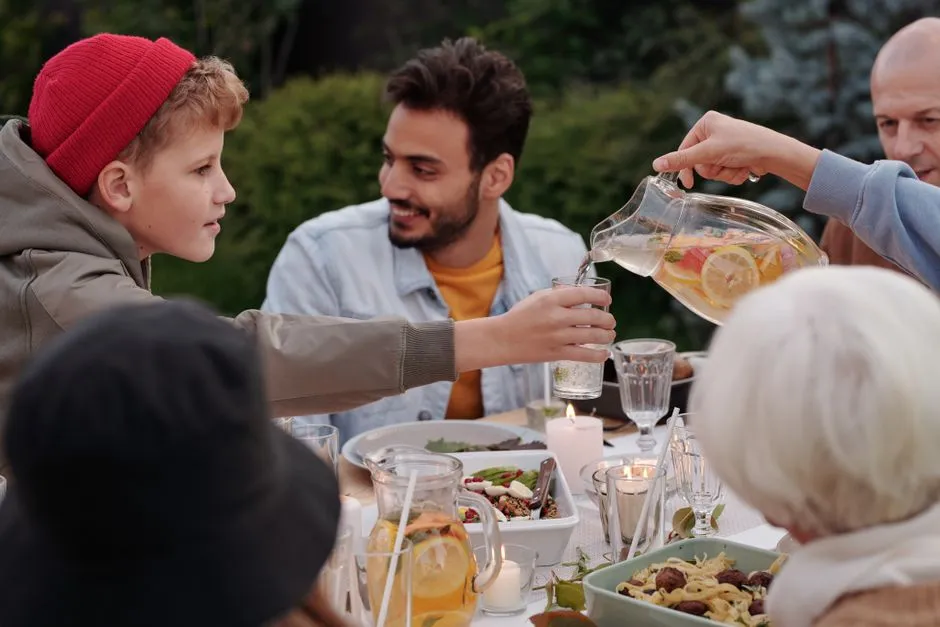
The act of eating together may matter as much as who does the cooking. Research from Instacart found that 91 percent of parents notice less stress when sharing family meals, and 59 percent say they make better food decisions when eating with others. In a multigenerational household, where daily life can easily fragment across age groups and schedules, the shared meal is one of the few moments when everyone is genuinely in the same room.
People of multiple generations eating together has the potential to promote shared healthy food habits and increase social inclusion. The kitchen, in this light, is not just a site of labor division. It’s a social institution. Whether the grandparent cooks every night or the family rotates, the table itself does something no individual cooking arrangement can do on its own.
What Successful Kitchens in Multigenerational Homes Have in Common
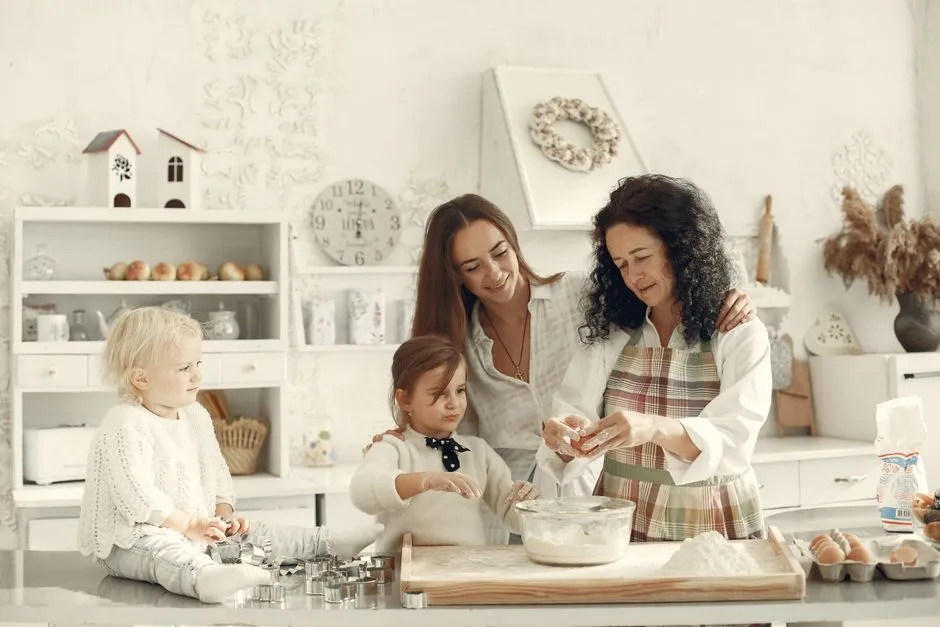
Households that manage this well tend to share a few common traits. They talk about expectations early, they stay flexible as circumstances change, and they acknowledge the invisible labor of cooking rather than treating it as a given. Multigenerational living can help reduce loneliness for older adults, according to a 2025 study published in Scientific Reports. That benefit, though, depends on the household actually functioning as a community rather than as disconnected tenants sharing a space.
Almost all American households, roughly 93 percent, are committed to cooking at least the same amount or more in the next year, according to HelloFresh’s 2025-2026 State of Home Cooking Report. In a multigenerational home, that collective commitment to cooking is not just a lifestyle preference. It is one of the practical foundations that keeps the arrangement working for everyone involved.
The Takeaway
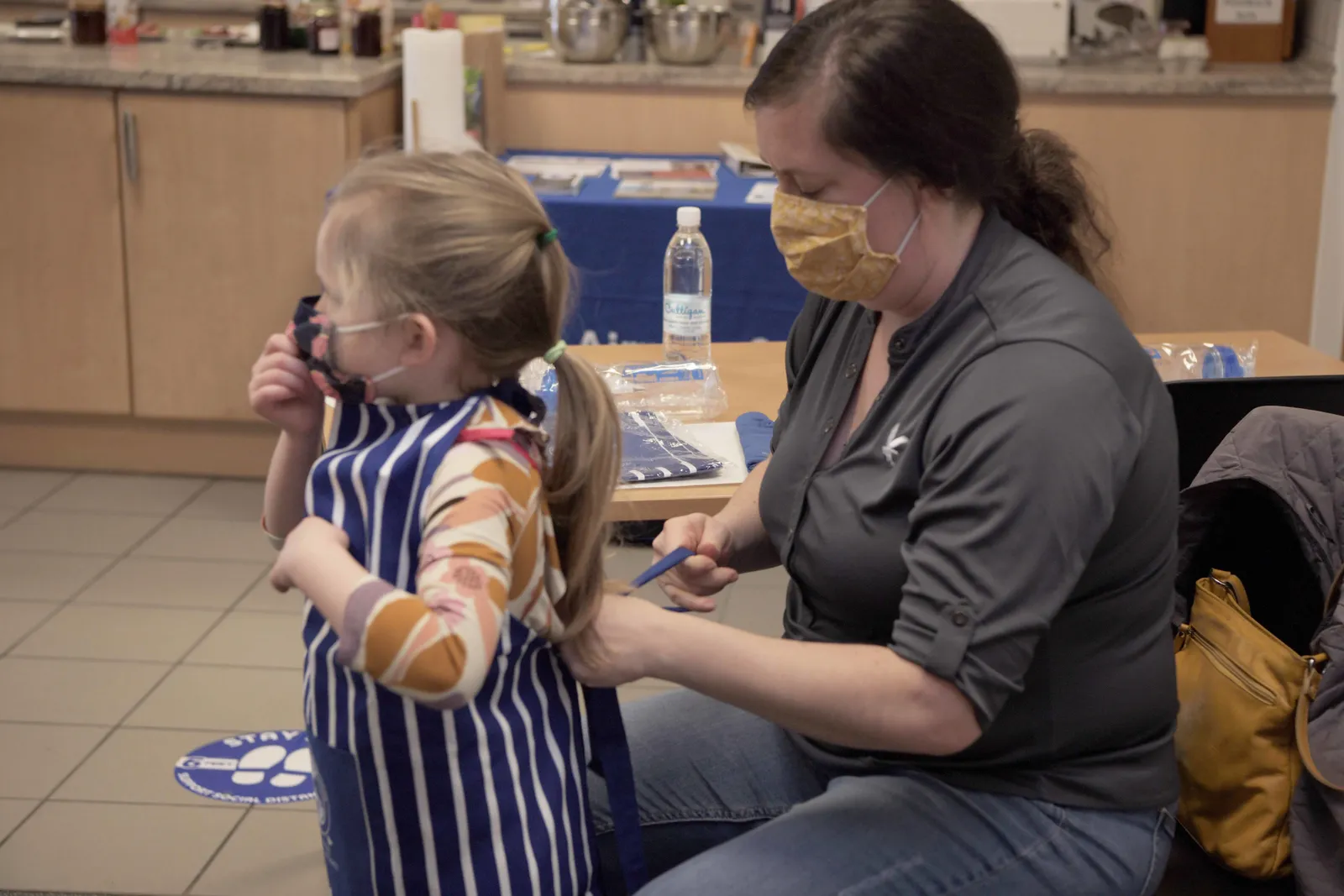
Three generations sharing a kitchen rarely divide the cooking neatly. What tends to happen instead is a living arrangement that shifts with the seasons, with health, with work schedules, and with who’s home on a Tuesday afternoon. The grandparent who cooks every weeknight, the parent who takes over on Sundays, the teenager who makes breakfast on school mornings: none of these roles were formally assigned. They emerged.
That informality is both the strength and the vulnerability of the multigenerational kitchen. It adapts easily, but it can also drift into resentment when contributions go unnoticed. The households that seem to navigate it best are the ones that occasionally stop to name what’s actually happening, appreciate who’s doing what, and stay willing to renegotiate as life changes. The kitchen has always been more than a room for cooking. In a house with three generations, that’s especially true.
AI Disclaimer: This article was created with the assistance of AI tools and reviewed by a human editor.