
The Great Lakes hold roughly a fifth of the world’s surface freshwater. They supply drinking water, habitat, transportation, and recreation for more than 40 million people in the United States and Canada. For generations, the lakes have functioned as a remarkably stable biological engine, cycling nutrients, sheltering hundreds of species, and regulating the climate of the region surrounding them.
That stability is now under genuine pressure. Temperatures are climbing, ice is retreating, and the biological rhythms that fish, plankton, and wetland species have followed for centuries are shifting in ways that scientists are only beginning to fully document. What’s happening in these waters is not distant or theoretical – it is measurable, ongoing, and accelerating.
A Region That Has Already Warmed Significantly
The scale of warming in the Great Lakes region is not subtle. Since 1951, annual average air temperatures have increased by nearly 3°F in the U.S. Great Lakes region, according to the Great Lakes Integrated Sciences and Assessments program. What makes this particularly concerning is that the pace is not leveling off. Since a previous major assessment, the Midwest has already warmed another two-thirds as much as it did in all the decades before that, meaning warming is clearly accelerating.
The warming climate is profoundly altering the thermal dynamics of the Great Lakes, with data from monitoring agencies including NOAA’s Great Lakes Environmental Research Laboratory confirming that water and air temperatures in the region have risen significantly compared to historical baselines. Projections are equally striking. Water temperatures are projected to increase by as much as 6.7 degrees Fahrenheit by the end of the century, according to Canada’s Changing Climate Report.
Record-Low Ice Cover and What It Means
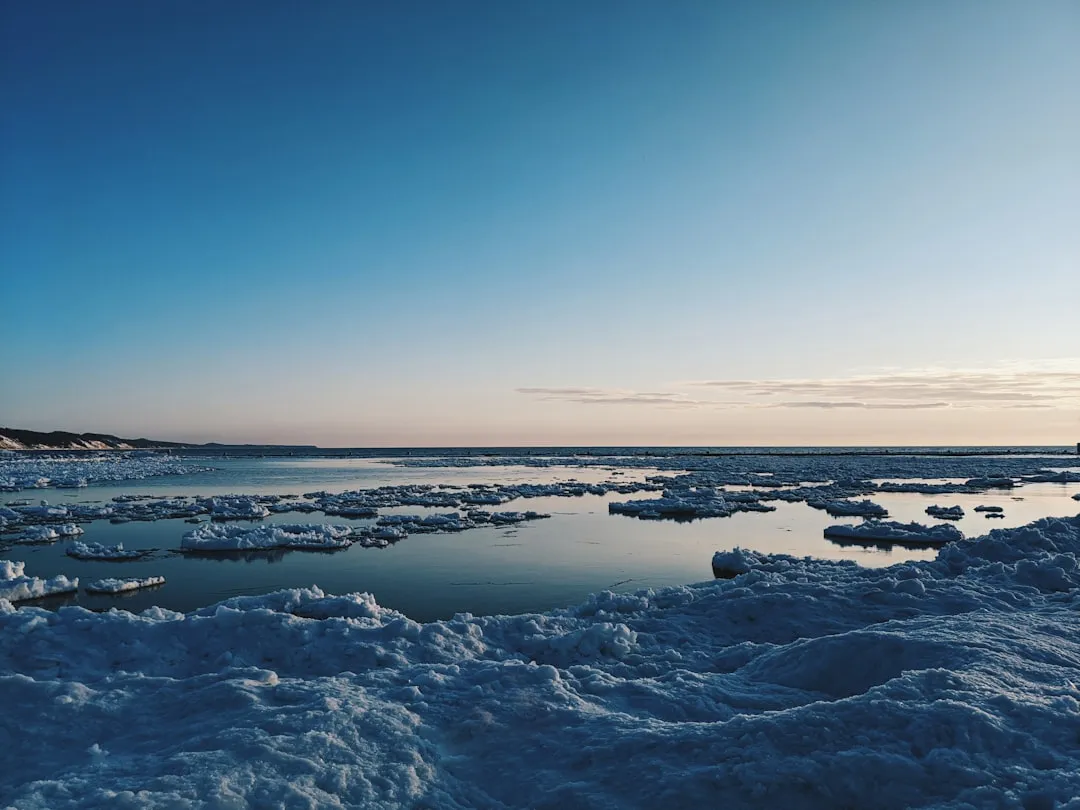
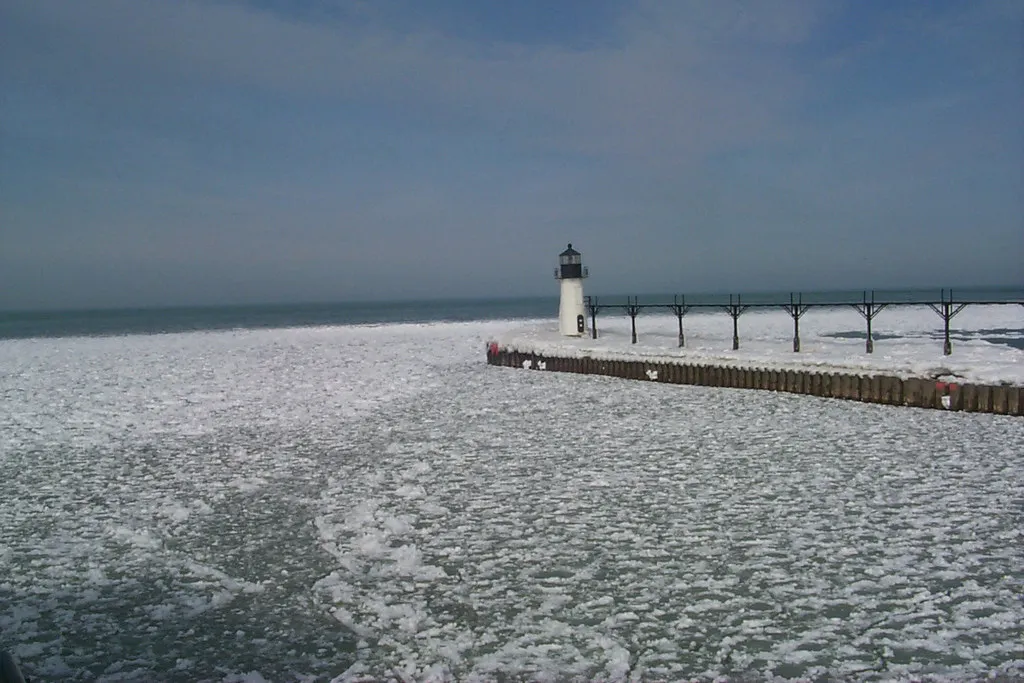
The year 2024 recorded the lowest average winter ice cover on record for the Great Lakes, with only a 4.3 percent average coverage. That number is striking on its own, but it becomes even more telling when placed against historical context. Historically, the lakes averaged about 55 percent ice cover annually.
Ice coverage of the Great Lakes has been declining since measurements began in 1973, as noted by the Great Lakes Integrated Sciences and Assessments program. The consequences of this reach well beyond winter aesthetics. Less ice disrupts ecosystems, worsens shoreline erosion, and hurts tourism and fishing economies. Ice cover also buffers the lakes against rapid surface warming in early spring, so losing it accelerates the very process that caused its loss in the first place.
Deeper Waters Are Not Being Spared
Most public attention focuses on surface temperatures, but the changes happening in deep water may prove just as consequential. New analyses of the deep waters of Lake Michigan reveal not only that the deep waters are warming, but that the effects of winter in deep water are vanishing, and that the timing and duration of fall overturn and winter cooling are changing, with implications for the lake’s ecosystem.
Summer surface water temperatures on Lake Superior increased approximately 4.5°F between 1979 and 2006, at a faster rate than regional atmospheric warming, with declining winter ice cover identified as the largest driving factor. The greatest rates of temperature increase are in regions with deeper water, with smaller increases near shorelines. This inversion of the expected pattern suggests that deeper, more thermally stable parts of the lakes are losing their cold-water refuge qualities faster than the shallows.
Thermal Stratification and the Growing Threat of Dead Zones
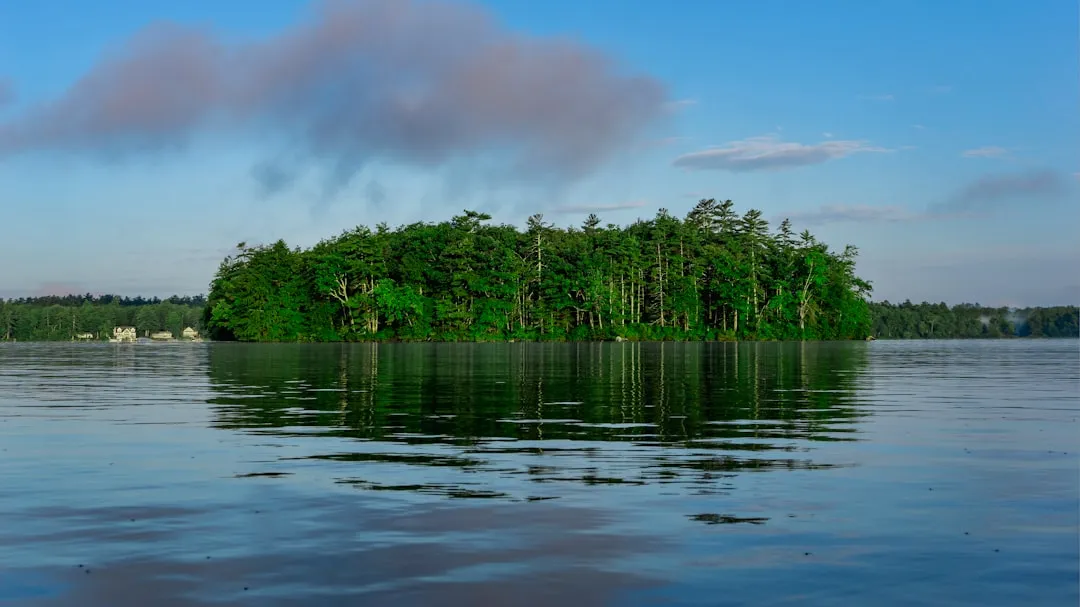
With shorter winters and open lake water earlier in the spring, the lakes are becoming stratified earlier, allowing a longer period to warm and amplifying the effects of warmer summer air temperatures. Stratification separates warmer surface water from cooler deep water, limiting the mixing of oxygen throughout the water column. With greater lake stratification, oxygen can become depleted in the lakes’ productive lower levels, leading to “dead zones.”
Warmer temperatures, prolonged stratification, and increased nutrient loading are leading to increased occurrence of harmful algal blooms, and hypoxic dead zones can result when algal blooms sink, decompose, and reduce dissolved oxygen concentrations – with a greater risk of algal blooms also increasing the incidence of hypoxia and fish kills. For cold-water species that depend on well-oxygenated deep water, these zones effectively eliminate habitat that took thousands of years to establish.
Harmful Algal Blooms Are Getting Worse and Starting Earlier
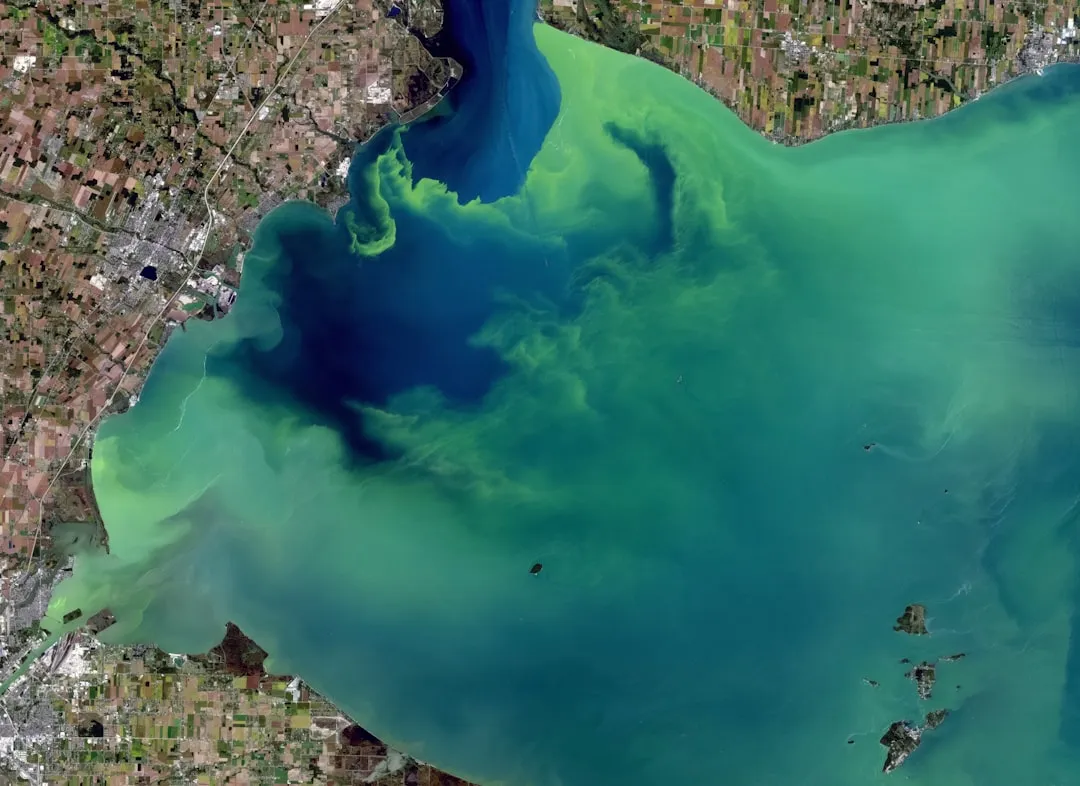
The 2024 bloom in Lake Erie was the earliest on record, and at its peak it covered 550 square miles, underscoring that warming temperatures worsen both the size and frequency of algal blooms. Lake Erie, being the shallowest of the five lakes, tends to show these effects first and most visibly, but the problem is spreading. Rising temperatures and changing environmental conditions in the Great Lakes are contributing to harmful algal blooms, and new research suggests that even the nearshore regions of Lake Superior are now showing climate change’s effects on the ecosystem.
Blooms are often associated with warm, nutrient-rich lakes, but recently have been showing up in cold, low-nutrient lakes such as Superior, with researchers noting that Lake Superior is warming much faster than the other Great Lakes. Studies suggest the most dominant and potentially toxic cyanobacteria, microcystis, produces more toxins at higher water temperatures and in a more nutrient-rich environment. The combination of warmer water and more frequent heavy rain events flushing nutrients into the lakes is essentially a recipe for worsening blooms year after year.
Cold-Water Fish Species Are Under Serious Pressure
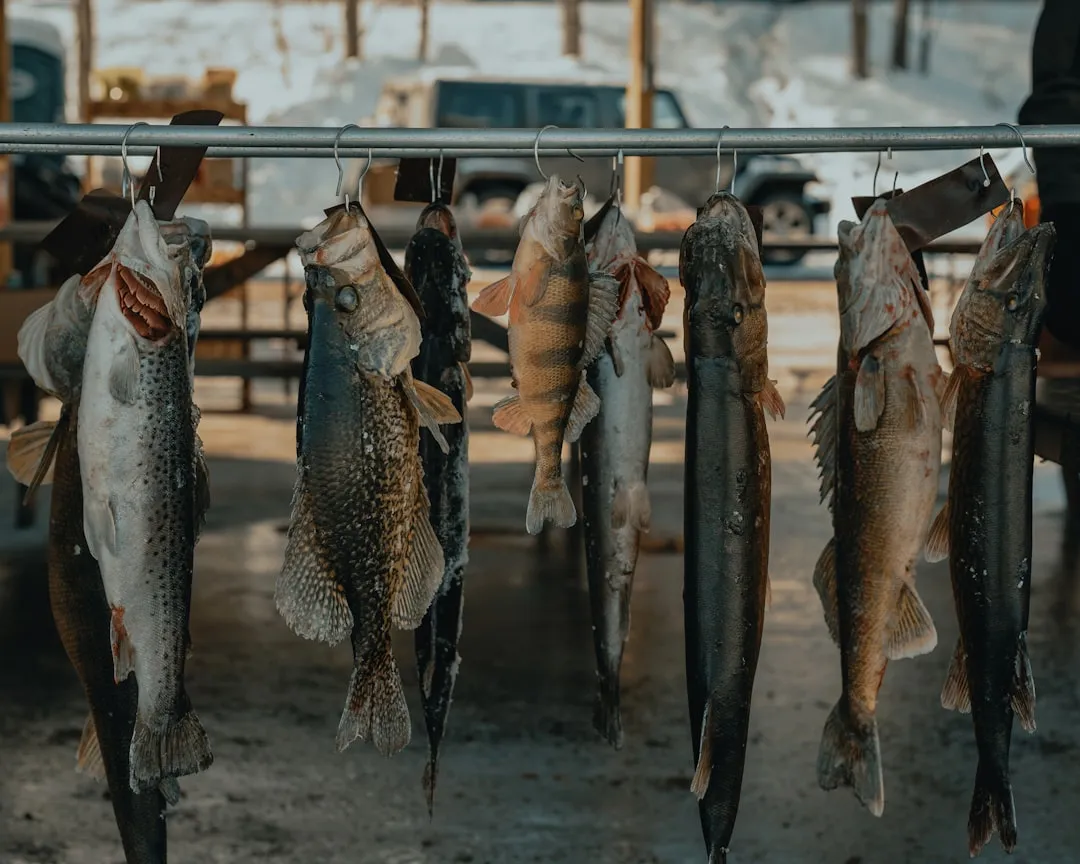
A warming climate is already affecting the Great Lakes region through shorter winters, fewer days below freezing, and record high temperatures, and warmer air and water may spell trouble for coolwater species like yellow perch and walleye. These are not minor, peripheral species – they form the backbone of both commercial and recreational fishing across the region. Water temperatures are increasingly getting uncomfortably warm for species like walleye and lake trout, and while the Great Lakes are large enough that this has not been a severe concern historically, it is becoming more of an issue as conditions shift.
Surface water temperatures of the Great Lakes are expected to increase by as much as 6°C by 2071 to 2100, and increased water temperatures could prove detrimental to ectothermic aquatic species that depend on their environment to regulate internal body temperature, affecting basic physiological processes such as metabolism and cardiovascular function. Research on yellow perch larvae specifically found that elevated rearing temperatures disturb both swimming performance and metabolism, raising questions about recruitment success in a warmer future.
Fish Migration Timing Is Shifting
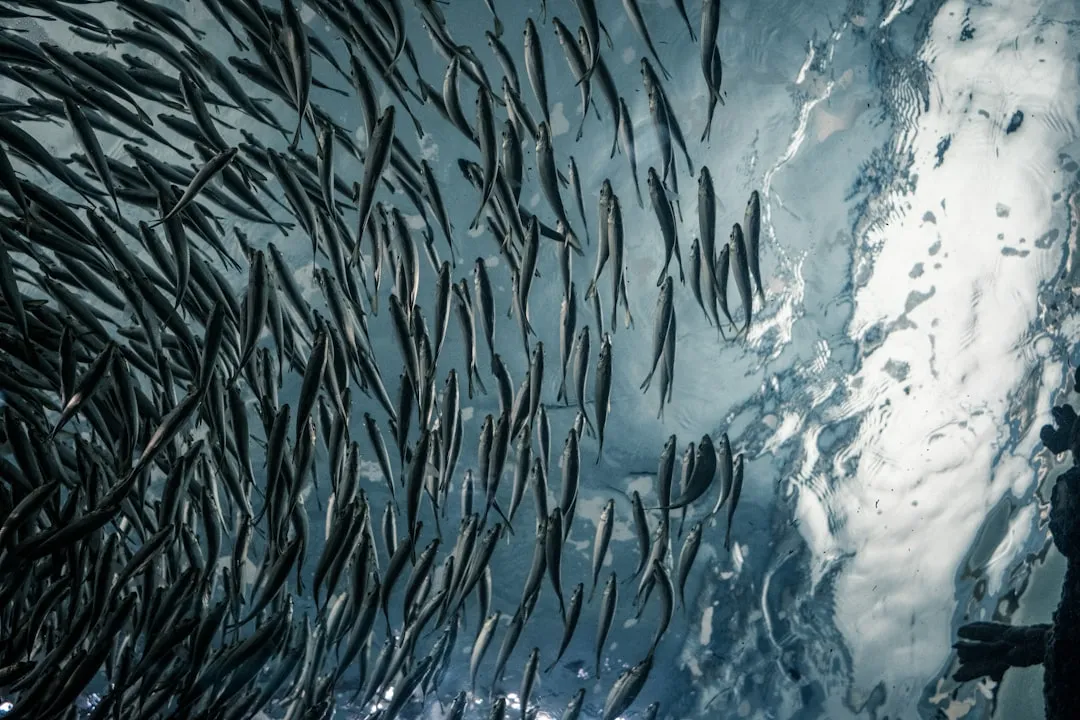
One of the more carefully documented effects of warming is the disruption of fish phenology – the timing of seasonal behaviors like spawning and migration. Researchers analyzed a 27-year dataset from 1997 to 2023, tracking arrivals of 16 fish species at a Lake Ontario coastal wetland, and found that mean summer water temperatures increased by over 1°C over that period, consistent with broader global warming trends.
The study found a unidirectional shift in fish community structure over time rather than cyclical fluctuations, and analyses on migration timing revealed that first, peak, and last arrival dates all occurred earlier over time, while the duration of presence at the monitoring site decreased for both native and non-native species. This kind of coordinated shift across multiple species suggests a systemic response to warming rather than isolated population changes. These results provide direct evidence that climate change is already altering the community and phenology of fishes in Great Lakes wetlands.
Invasive Species Are Finding a More Welcoming Environment

Non-native or invasive species such as alewife and zebra mussels have already caused major disruptions in native fish populations in the Great Lakes, and warming temperatures may lead to increased invasive species success while amplifying the impact of those already present. Warmer winters essentially lower a biological barrier that once limited how far and how fast invasive species could spread. Some fish species in parts of Ontario have already moved northward into historically cooler waters as they warm, with observations of white bass – a more temperate species – expanding into waters where it was rarely seen before.
Climate change is making control efforts more difficult as the sea lamprey thrives in warming temperatures, and in the Lake Superior watershed, lamprey have been observed to reach larger body weights before spawning during years with longer growing seasons. Larger, better-nourished lamprey cause more damage to host fish populations, compounding the pressures already facing native species. Native flora and fauna are not just at risk from the warming waters themselves, but from being outcompeted by species that evolved in warmer water ecosystems, making control and prevention programs critical.
Whitefish Reproduction Is Caught in a Difficult Position

The lake whitefish, for example, spawns in shallow waters in late fall each year and is a commercially valuable species that benefits from stable ice cover and cold winters. The logic of its reproductive strategy depends on conditions that are steadily becoming less reliable. Declining ice cover could stress whitefish reproduction in Lake Superior, where ice normally protects eggs from winter storm disturbance.
Without ice, the lakes’ upper levels will likely warm even more quickly, contributing to thermal stratification, less oxygen will make it into the lower levels, and whitefish and lake trout – which typically hatch in spring and feed on plankton – could face population declines that potentially lead to tighter fishing quotas and higher consumer prices. It’s a chain reaction that starts with warming water and ends on the dinner table. Coldwater fish species such as whitefish and lake trout will also be forced to compete with warm-water species migrating north with rising temperatures.
The Road Ahead: Monitoring, Adaptation, and What’s at Stake
The strong 1997 to 1998 El Niño event has been identified by University of Michigan researchers as a potential tipping point for the Great Lakes, with the lakes now experiencing extremes at both ends of the thermometer. That pattern of volatility – not just steady warming, but wilder swings – makes ecological adaptation harder. Species tuned to stable seasonal rhythms are not designed for unpredictability. As one NOAA fish biologist noted, warm-water species in shallow habitats may be more negatively affected by a cold spell, while cold-water species may be more sensitive to a heat wave, making the timing of temperature extremes especially critical.
Researchers are now using AI and advanced data analytics to forecast harmful algal blooms, model ice and water levels, and plan for a hotter, more volatile future. These tools are valuable, but they work best when paired with sustained monitoring programs and coordinated policy across the eight U.S. states and two Canadian provinces that share this watershed. The growing body of evidence showing climate-driven phenological shifts are reshaping freshwater ecosystems globally underscores the need for adaptive, climate-informed conservation and management strategies.
The Great Lakes are not passive recipients of whatever climate the atmosphere delivers. They interact with it, moderate it, and in some ways amplify it. The more the lakes warm, the faster subsequent warming tends to occur – a feedback that demands attention now, not after another decade of record-low ice seasons. What happens to these waters will define the ecological and economic future of an entire region, and the window for meaningful intervention remains open, if narrowing.
AI Disclaimer: This article was created with the assistance of AI tools and reviewed by a human editor.