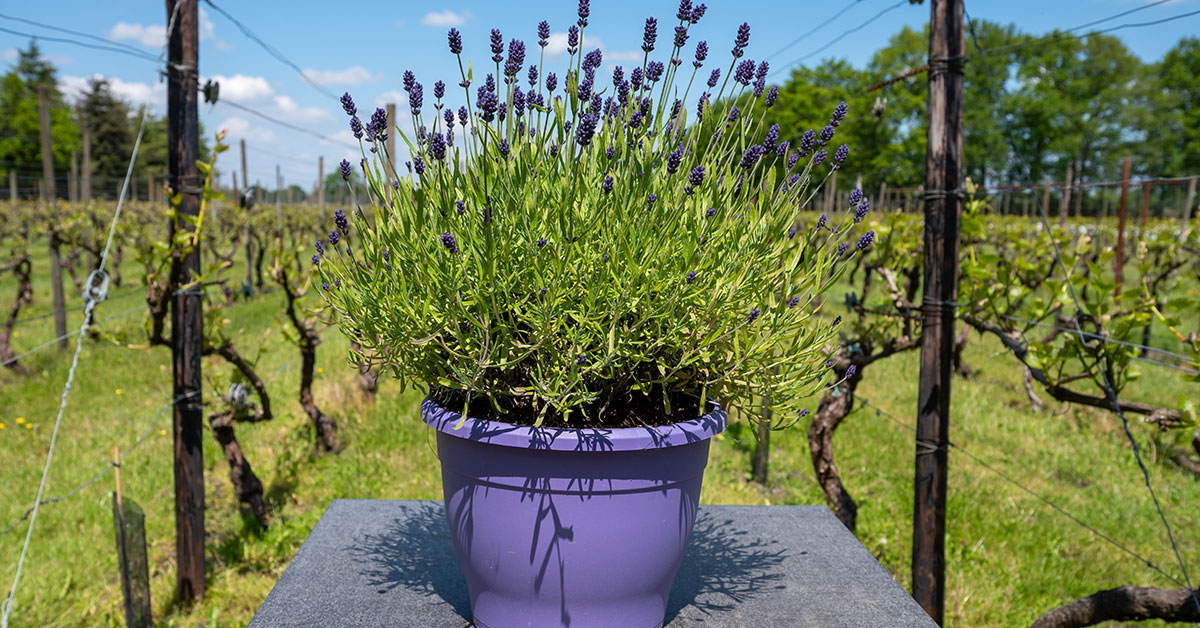

As a dedicated gardener, one of the most rewarding practices is caring for lavender, a plant beloved for its fragrant blooms and versatility. Native to the sunny Mediterranean region, lavender thrives in well-drained soil and plenty of sunlight, making it a perfect addition to many gardens. However, to keep your lavender plants healthy and vibrant, regular pruning is essential. Proper pruning not only enhances the beauty of your lavender but also ensures its longevity and productivity throughout the seasons.
I understand how frustrating it can be when your beloved lavender starts to lose its shape or produce fewer flowers. It’s such a bummer when a plant you’ve nurtured doesn’t perform at its best. But fear not! With the right pruning techniques, you can transform your lavender garden into a stunning display of color and fragrance. Let’s explore the numerous benefits of pruning lavender correctly and how it can significantly improve both your garden’s aesthetics and the health of your plants.
Promotes Bushier Growth
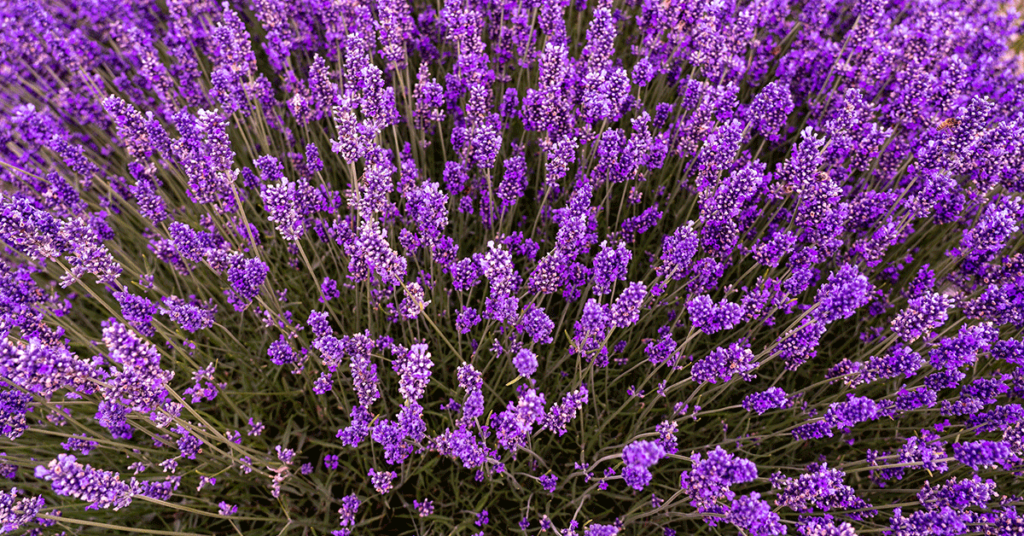
Pruning lavender encourages bushier growth, giving your plants a fuller and more attractive appearance. By cutting back the stems, you stimulate the plant to produce new shoots from the base, resulting in a denser and more compact form. This not only enhances the visual appeal of your garden but also maximizes the production of fragrant blooms. A bushier lavender plant is more resilient and can better withstand harsh weather conditions, ensuring your garden remains vibrant year-round.
Moreover, bushier growth allows for better air circulation around the plant, which is crucial for preventing fungal diseases. When lavender plants are too leggy, moisture can become trapped, creating an ideal environment for mold and mildew to thrive. By keeping your lavender compact and well-pruned, you reduce the risk of these issues, ensuring your plants stay healthy and continue to produce their signature aromatic flowers. It’s a simple yet effective way to maintain the beauty and vitality of your lavender garden!
Enhances Flower Production

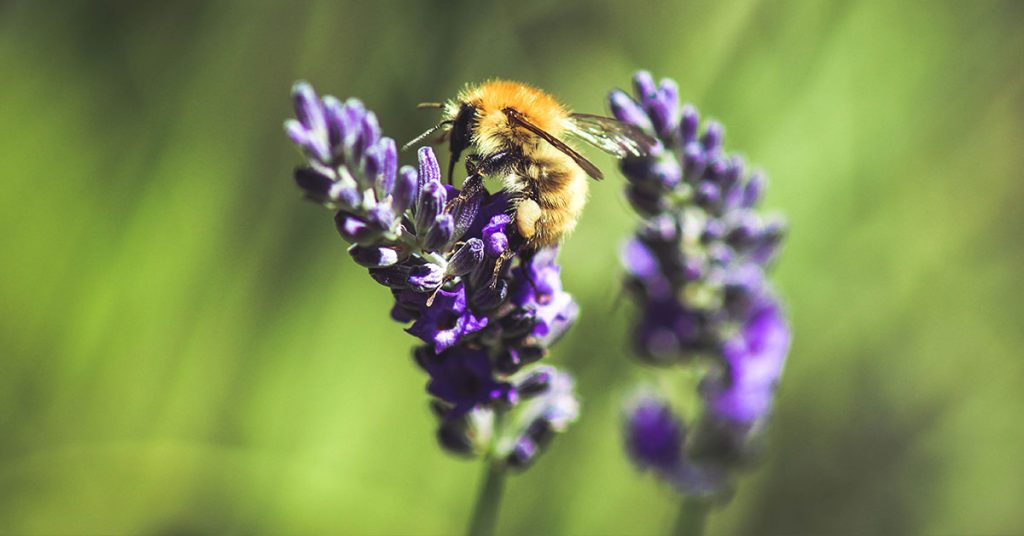
One of the most exciting benefits of pruning lavender is the significant boost in flower production. Regular pruning stimulates the plant to focus its energy on producing new blooms rather than maintaining old, spent flowers. This means you’ll enjoy a longer and more abundant flowering season, filling your garden with the lovely hues and delightful scents that lavender is famous for. More flowers also attract pollinators like bees and butterflies, contributing to a healthy and thriving garden ecosystem.
In addition to increasing the number of blooms, pruning helps to shape the plant in a way that showcases its flowers beautifully. By removing excess growth and directing the plant’s resources towards flowering, each stem can support more blossoms. This not only makes your lavender plants look more impressive but also ensures that you have plenty of flowers for various uses, whether it’s for making sachets, essential oils, or simply enjoying their natural beauty. It’s a win-win situation that enhances both the functionality and aesthetics of your garden!
Maintains Plant Health
Regular pruning is vital for maintaining the overall health of your lavender plants. By removing dead or diseased stems, you prevent the spread of pests and infections that can compromise the entire plant. This proactive approach ensures that your lavender remains strong and vigorous, capable of resisting common issues that gardeners often face. Healthy plants are less susceptible to environmental stressors, allowing them to thrive and continue adding beauty to your garden.
Furthermore, pruning helps to eliminate any overcrowded or tangled branches that can hinder the plant’s growth. When lavender is allowed to grow unchecked, it can become dense and matted, making it difficult for new growth to emerge. By keeping the plant well-trimmed, you ensure that each stem has ample space and light to grow, promoting robust and healthy development. It’s an essential practice that keeps your lavender looking its best and functioning optimally!
Prevents Overgrowth

Lavender is a hardy plant, but without proper pruning, it can become unruly and overgrown. Overgrown lavender not only loses its charming shape but can also become less productive, as the plant expends energy on maintaining excessive growth rather than producing flowers. Regular pruning keeps your lavender plants in check, ensuring they remain the perfect size and shape for your garden. This makes them easier to manage and integrates them seamlessly into your garden’s overall design.
Managing the size of your lavender through pruning also prevents it from encroaching on other plants in your garden. Lavender prefers its own space to flourish, and by keeping it neatly trimmed, you avoid competition for resources like sunlight, water, and nutrients. This harmonious arrangement allows all your plants to thrive, creating a balanced and aesthetically pleasing garden environment. It’s all about maintaining control and ensuring that each plant has the opportunity to shine!
Extends Lifespan of Lavender Plants
Proper pruning can significantly extend the lifespan of your lavender plants. By regularly trimming back the stems, you encourage the plant to remain compact and vigorous, preventing it from becoming woody and brittle over time. This proactive care ensures that your lavender continues to produce beautiful flowers for many years, making it a long-lasting investment in your garden’s beauty and fragrance.
In addition to promoting longevity, pruning helps to rejuvenate older lavender plants. As lavender ages, it can become less productive and more susceptible to diseases. By cutting back old growth and encouraging new shoots, you reinvigorate the plant, restoring its ability to thrive and bloom abundantly. This rejuvenation process keeps your lavender looking fresh and lively, ensuring that it remains a staple in your garden for seasons to come!
Improves Air Circulation
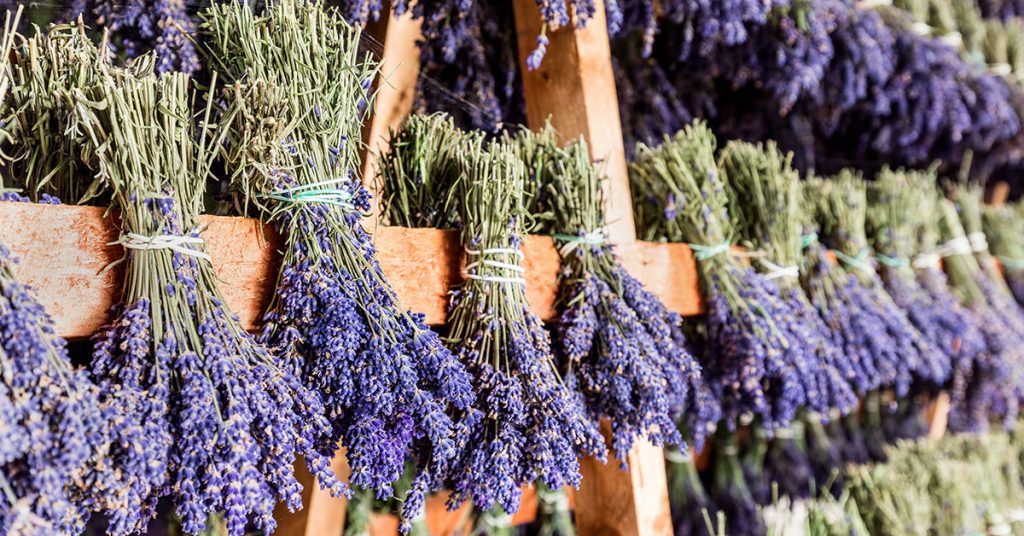
Enhancing air circulation around your lavender plants is another critical benefit of proper pruning. Good air flow helps to keep the foliage dry, reducing the likelihood of fungal diseases that can plague dense and poorly ventilated plants. By thinning out the branches and removing excess growth, you create an environment where air can move freely, keeping your lavender healthy and robust.
Better air circulation also helps to disperse the lovely fragrance of lavender more effectively. When plants are too dense, the scent can become muted and less noticeable. By pruning to maintain an open structure, you allow the aroma to waft through your garden, creating a soothing and inviting atmosphere. It’s a simple adjustment that not only benefits the health of your plants but also enhances the sensory experience of your outdoor space!
Reduces Disease Risk

Pruning lavender correctly plays a crucial role in reducing the risk of diseases that can affect the plant’s health and productivity. By removing dead or diseased stems, you eliminate potential breeding grounds for pathogens and pests. This preventive measure helps to keep your lavender plants strong and less vulnerable to infections that can spread rapidly if left unchecked.
Additionally, regular pruning removes any damaged or weak branches that might attract unwanted pests, such as aphids or mites. These pests thrive on stressed plants, so maintaining a healthy and well-pruned lavender can deter infestations and minimize the need for chemical interventions. It’s all about keeping your garden environment balanced and ensuring that your lavender remains a vibrant and disease-free centerpiece!
Encourages Replanting and Propagation

Pruning lavender not only benefits the original plant but also encourages successful replanting and propagation. When you prune your lavender, you often collect healthy cuttings that can be used to grow new plants. This is a fantastic way to expand your garden without purchasing additional plants, allowing you to share your love for lavender with friends and family or simply increase your own collection.
Propagation through pruning is straightforward and highly effective with lavender. By taking cuttings from pruned stems, you can root new plants with ease, ensuring that your garden continues to flourish. This method of propagation also helps maintain genetic diversity within your lavender collection, as you can cultivate different varieties and experiment with new colors and scents. It’s a rewarding process that multiplies the beauty and benefits of lavender throughout your garden!
Keeps Lavender Compact and Manageable
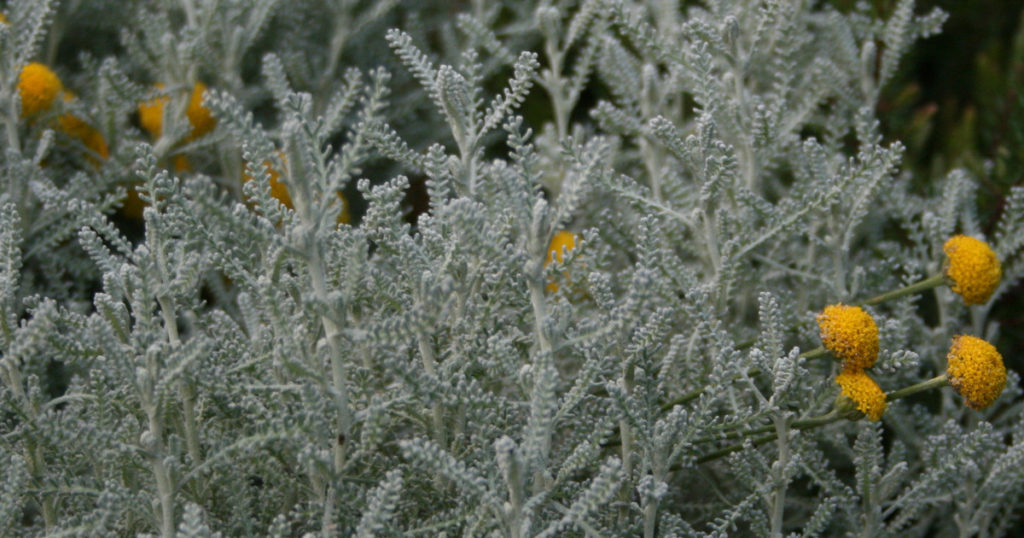
Maintaining a compact and manageable size is essential for integrating lavender seamlessly into your garden design. Pruning helps to keep your lavender plants at a desirable height and width, making them easier to care for and ensuring they fit well alongside other plants. A well-maintained lavender plant is not only more attractive but also easier to harvest for its fragrant flowers and leaves.
Compact lavender plants are also less likely to overshadow other plants in your garden, allowing for a harmonious and balanced arrangement. This manageability ensures that each plant receives adequate sunlight and nutrients, promoting overall garden health and productivity. By keeping your lavender tidy and well-shaped, you enhance the functionality and beauty of your entire garden space, making it a pleasure to spend time outdoors!
Enhances Aesthetic Appeal
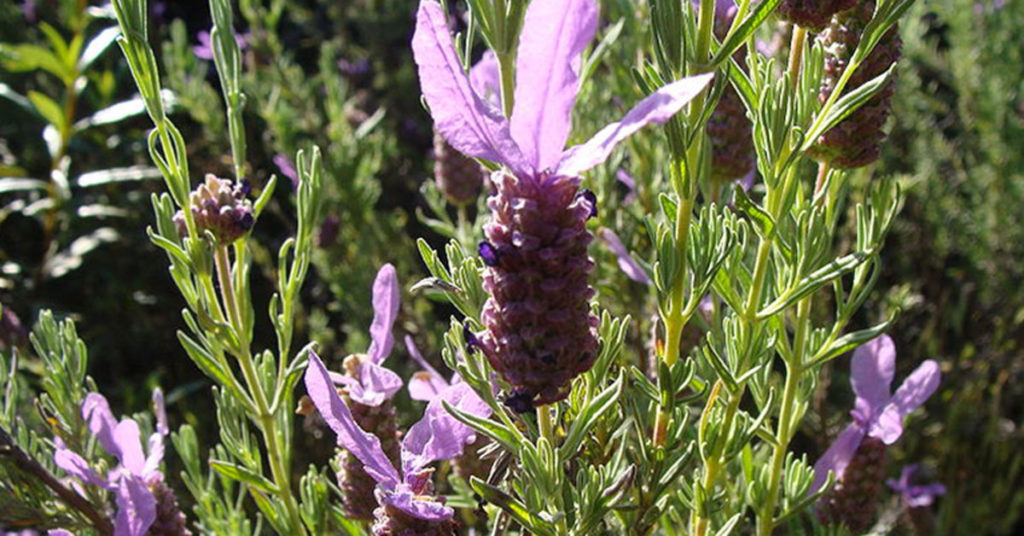
Pruning lavender significantly enhances its aesthetic appeal, transforming it into a striking focal point in your garden. Well-pruned lavender showcases its beautiful, arching stems and vibrant flowers, creating a visually appealing display that attracts admiration from all who visit. The clean lines and structured shape resulting from regular pruning add a sense of order and elegance to your garden landscape.
In addition to improving the individual appearance of your lavender plants, pruning also contributes to the overall cohesion of your garden design. By maintaining uniformity in size and shape, your lavender can complement other plants and garden elements, creating a harmonious and inviting outdoor space. Whether you’re designing a formal garden or a relaxed cottage garden, beautifully pruned lavender adds a touch of sophistication and charm that elevates the entire environment!
Supports Sustainable Gardening Practices
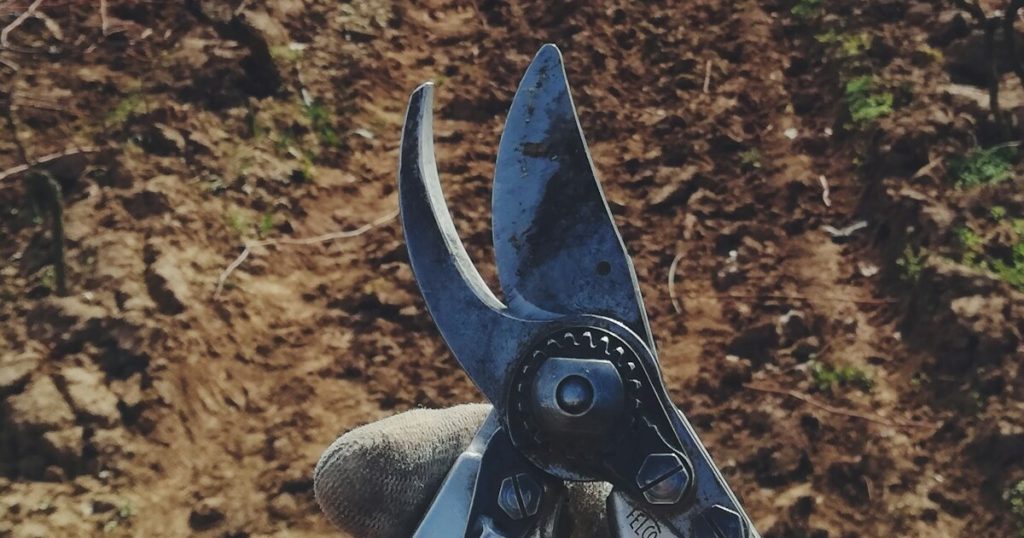
Pruning lavender the right way supports sustainable gardening practices by promoting healthy plant growth and reducing the need for chemical interventions. Healthy, well-maintained lavender plants are more resilient against pests and diseases, minimizing the necessity for pesticides and herbicides that can harm the environment. By investing time in proper pruning, you contribute to a more eco-friendly and sustainable garden ecosystem.
Moreover, using pruned lavender cuttings for propagation reduces the demand for commercially grown plants, which often involve extensive use of resources and transportation. By growing and propagating your own lavender, you lessen your garden’s carbon footprint and embrace a more self-sufficient gardening approach. It’s a responsible and rewarding way to nurture your garden, ensuring that it remains beautiful and sustainable for years to come!
Pruning lavender the right way is a transformative practice that offers numerous benefits for both you and your garden. From promoting bushier growth and enhancing flower production to maintaining plant health and supporting sustainable gardening, the advantages are extensive and impactful. Embrace the art of lavender pruning and watch your garden flourish with vibrant, fragrant, and healthy plants that bring joy and beauty to your outdoor space!