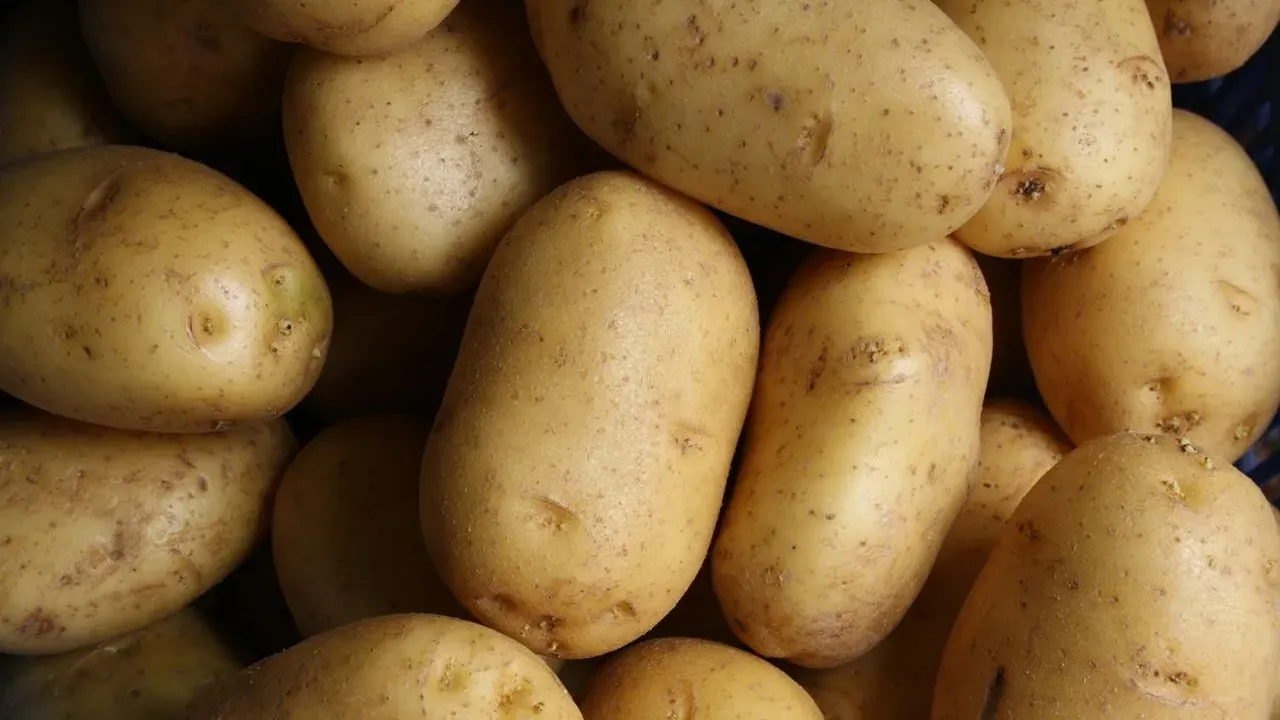

Homegrown potatoes often exceed immediate needs after harvest, yet their usability depends heavily on the preservation approach. Traditional cool storage can keep them sound for six to eight months under the right conditions, while other techniques extend that timeline further or trade longevity for convenience. Gardeners facing a large crop benefit from understanding these differences in shelf life and requirements before deciding how to proceed.
Traditional Cool Storage After Curing
Curing harvested potatoes for seven to ten days in a dark, well-ventilated space at moderate temperatures helps heal minor injuries and toughen skins. Once cured, the tubers move to cool, dark conditions between 40 and 50 degrees Fahrenheit with high humidity. Mature, late-season varieties such as russets typically remain in good condition for six to eight months this way, though thinner-skinned types last closer to two or three months.
Regular inspection every one to two weeks removes any that show sprouting or softening, which prevents spoilage from spreading. Perforated bags or ventilated crates maintain airflow while limiting moisture loss. This method requires no special equipment beyond a suitable basement, garage, or root cellar space.
Freezing Prepared Potatoes
Freezing works best with potatoes that have already been cooked, mashed, or otherwise prepared rather than raw. Blanched or fully cooked portions retain acceptable quality for several months when stored in airtight containers or freezer bags. Quality declines more quickly than with other methods, often within a few weeks to three months for optimal texture and flavor.
Gardeners use this route for immediate convenience, such as prepping mashed potatoes or scalloped dishes ahead of busy periods. Thawing occurs in the refrigerator to minimize texture changes. The approach suits smaller quantities and avoids the need for specialized long-term facilities.
Pressure Canning for Shelf Stability
Pressure canning provides a safe route to year-round availability when performed correctly with tested recipes. Only pressure canning meets safety standards for low-acid vegetables like potatoes, and properly processed jars remain usable for at least a year when stored in a cool, dark place. The process involves peeling, cubing, and packing the potatoes before processing at the required pressure and time.
This method delivers ready-to-use potatoes without refrigeration until the jar opens. It demands attention to equipment calibration and processing guidelines to ensure safety. Many gardeners reserve canning for excess that exceeds what cool storage or freezing can handle.
Drying for Maximum Longevity
Drying produces lightweight pieces that store for a year or longer, sometimes several years under ideal conditions. Potatoes are peeled, sliced or cut into strips, blanched briefly, and then dehydrated until brittle. Rehydration with water restores them for use in soups, stews, or other dishes.
The resulting product takes minimal space and requires no ongoing temperature control beyond a dry, airtight container. Dehydrators or low ovens complete the process over several hours. This technique appeals when space for jars or freezers is limited and long-term reserves matter most.
| Method | Typical Shelf Life | Primary Requirements |
|---|---|---|
| Cool Storage | 6–8 months | Curing, 40–50°F, dark, humid |
| Freezing | Several months (best quality shorter) | Cooked preparation, airtight packaging |
| Pressure Canning | 12+ months | Pressure canner, tested recipes |
| Drying | 1–several years | Blanching, dehydrator or oven, airtight storage |
Choosing among these options depends on available equipment, storage space, and how the potatoes will be used later. A combination often serves gardeners best, matching each batch to the method that fits its intended timeline and purpose. The result turns a seasonal surplus into reliable food through the months ahead.
AI Disclaimer: This article was created with the assistance of AI tools and reviewed by a human editor.