

Two Generations, Two Completely Different Definitions
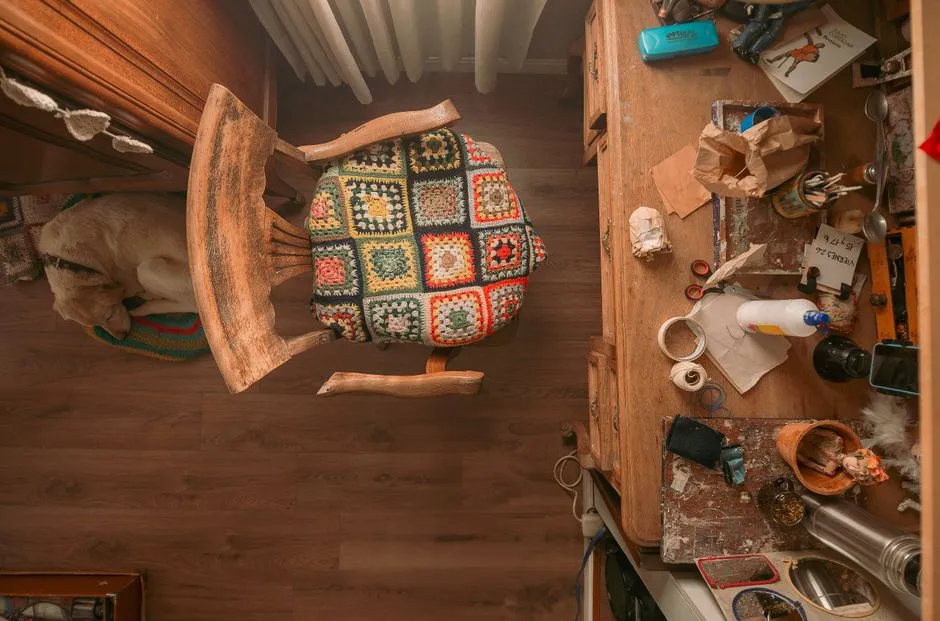
For grandparents, clutter often isn’t clutter at all. It’s a collection of decisions made over decades, each object carrying a specific weight or memory attached to a particular chapter of life. Even everyday items like old dishes, worn-out clothes, or childhood toys can become symbols of past experiences, and when everything feels important, decluttering feels impossible because it’s not just about getting rid of stuff – it’s about letting go of pieces of a life story.
Grandchildren, especially those in the Gen Z bracket, tend to operate from a fundamentally opposite starting point. Gen Z values growth, prosperity, and independence, and to them, minimalism simply means doing away with what they don’t need and being satisfied with the basics. These two positions aren’t just stylistic preferences. They reflect deeply different relationships with material goods, shaped by the decades each generation grew up in.
The Great Depression Shadow Still Lingers

Boomers grew up in a time of economic prosperity shaped by parents who lived through the Great Depression. That scarcity mindset didn’t vanish when prosperity arrived. Instead, it got threaded into how an entire generation understood ownership, waste, and the moral weight of throwing things away.
Baby boomers often struggle to part with possessions due to a “just in case” mentality, creating clutter that takes up both physical space and mental energy. For their grandchildren, who grew up in a very different economic context, that logic can feel completely foreign. Keeping two vacuum cleaners as backup doesn’t read as practical preparedness to a 25-year-old – it reads as unnecessary accumulation.
Sentimental Value vs. Functional Value
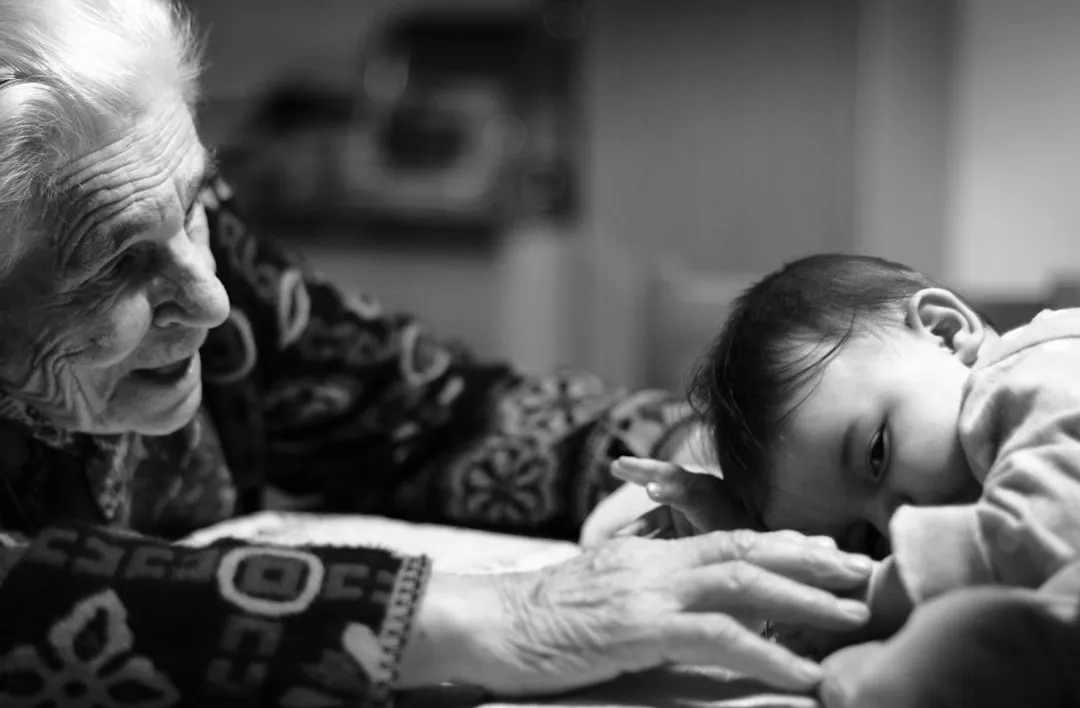
People in studies often say they have held onto something out of a sense of responsibility, either for the item itself or to the environment. Sentiments like “my grandmother gave this to me” come up frequently, and people may keep things not out of fear of losing them but because saving them is consistent with their values. That framing matters a great deal. Grandparents aren’t irrational – they’re applying a different value system entirely.
Grandchildren, on the other hand, tend to evaluate objects by what they actively contribute to daily life right now. While they hold on to possessions with sentimental value and practical utility, they spurn clutter in all forms, and if something is broken, they will get it fixed or give it to someone who can fix and use it. The friction arises when these two filters – emotional legacy versus present-day function – look at the same object and reach opposite conclusions.
The Minimalism Wave Among Younger Generations
According to recent surveys, roughly two thirds of millennials and Gen Z report actively reducing their possessions in 2024, citing environmental concerns, financial freedom, and mental well-being as their primary motivations. That’s a significant cultural shift, and it didn’t happen by accident. Rising housing costs, smaller living spaces, and a growing awareness of consumerism’s environmental toll have all pushed younger people toward owning less.
As millennials sought experiences and boomers gathered possessions, Gen Z is turning away from both the hustle and the mess that accompany it, exchanging the “more is more” mindset for environments that exude tranquility, schedules that permit relaxation, and purchases that hold significance. To a grandparent watching this unfold, it can sometimes look like indifference or even ingratitude. In reality, it’s a generational recalibration of what a good life requires.
The Legacy Problem: Passing Things Down
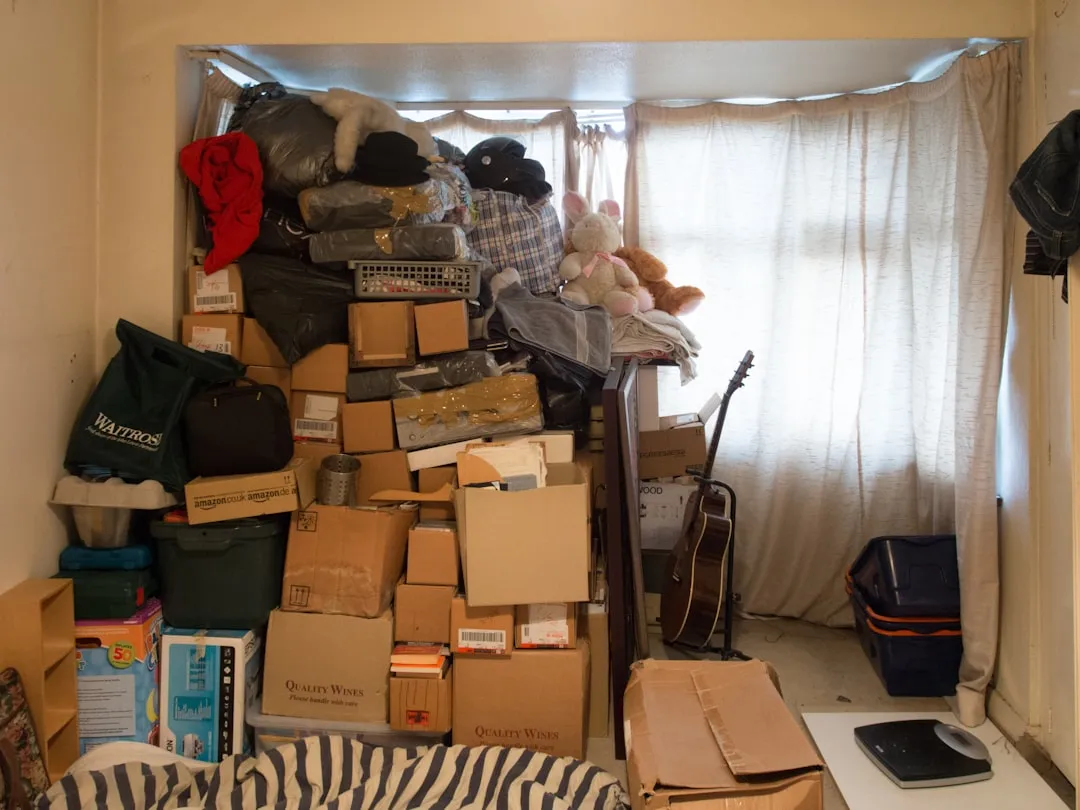
Emotional factors like sentimentality over mementos such as children’s artwork can make it hard to get clutter under control, and additionally roughly seven in ten boomers are interested in building a family legacy by saving furniture and other items they want to pass along to their children. This creates a particularly awkward dynamic when the intended recipients don’t want what’s being saved for them.
The most challenging clutter often has sentimental value, and sentimental clutter can look different for many people – a concert T-shirt, a letter from someone important, or a child’s doodles. When a grandparent has spent years preserving these items on behalf of a grandchild who has since adopted a minimalist lifestyle, the mismatch can feel personal even when it isn’t meant that way.
Aging in Place and the Accumulation Effect

The trend of “aging in place” means boomers live in their homes longer, giving them more time to accumulate things. A family home occupied for forty or fifty years naturally collects layer upon layer of possessions, many of which were never consciously chosen to stay – they simply never left. This differs sharply from the experience of younger generations, who often move frequently and have practical reasons to keep things light.
Excessive clutter can create a barrier for older adults to maintain functional lives in their homes, though interventions for hoarding are often lengthy, expensive, and unavailable, particularly for rural-dwelling older adults. Researchers at Mississippi State University and the University of Georgia developed the Rightsizing Program specifically to address this, focusing on sentimental clutter, which can be particularly difficult for older adults to discard. The program acknowledges the emotional reality rather than simply telling people to throw things away.
When Family Visits Become Clutter Negotiations
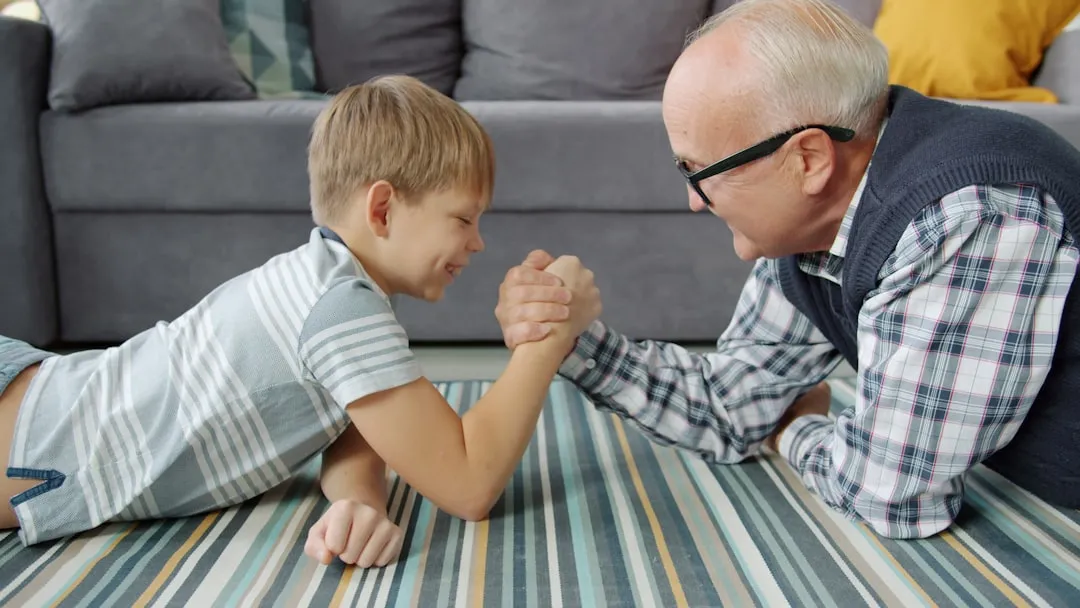
The generational gap becomes most visible during family visits. Grandchildren might eye an overflowing cabinet and feel a quiet anxiety, while grandparents might visit a minimally furnished apartment and feel a quiet sadness, as though something essential is missing from their grandchild’s life. Neither reaction is unreasonable given each person’s frame of reference.
Intergenerational relationships combine solidarity, conflict, and ambivalence rather than reflecting only one dimension, and older generations may be more likely to avoid overt confrontation in family relations, whereas younger generations experience restrictions more strongly as interference with their autonomy and daily life. These broader patterns show up in clutter disputes too. Grandparents may hold their opinions, grandkids may quietly roll their eyes, and the tension rarely gets named directly.
The Psychology Behind Holding On
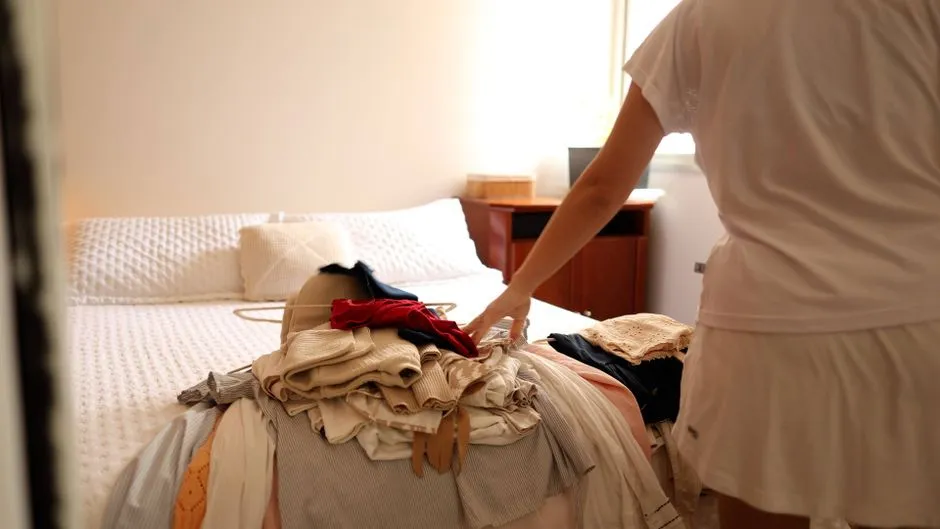
As people age, it’s natural to become more attached to the past, and for boomers this often means holding onto objects that remind them of significant moments. Whether it’s a childhood toy, old photographs, or mementos from family vacations, each item represents a piece of their story, and parting with these things feels like letting go of memories they can’t get back.
The transition from active careers to retirement creates psychological voids that many boomers fill through collecting and acquiring possessions, as retirement often involves the loss of roles, structure, and social validation tied to work. Understanding this doesn’t mean grandchildren have to accept a cluttered visit with a smile, but it does help explain why the ask to declutter can feel like an attack on identity rather than a practical suggestion.
A Values-Based Approach Actually Works

In a 2024 study, a research team demonstrated that taking a values-based approach to decluttering helps older adults to decrease household clutter and increases their positive affect, a state of mind characterized by feelings such as joy and contentment. This finding is meaningful. It suggests that telling older adults to simply “get rid of stuff” rarely works, but anchoring the conversation in what they actually care about – family connection, safety, legacy – tends to produce real results.
People may keep things not out of fear of losing them but because saving them is consistent with their values, and those same values can actually help guide which possessions should stay in a life and which ones should go. For grandchildren hoping to help an older relative, this reframing changes the entire tone of the conversation. The goal isn’t to argue about what counts as clutter – it’s to ask what matters most.
The Inheritance Nobody Asked For
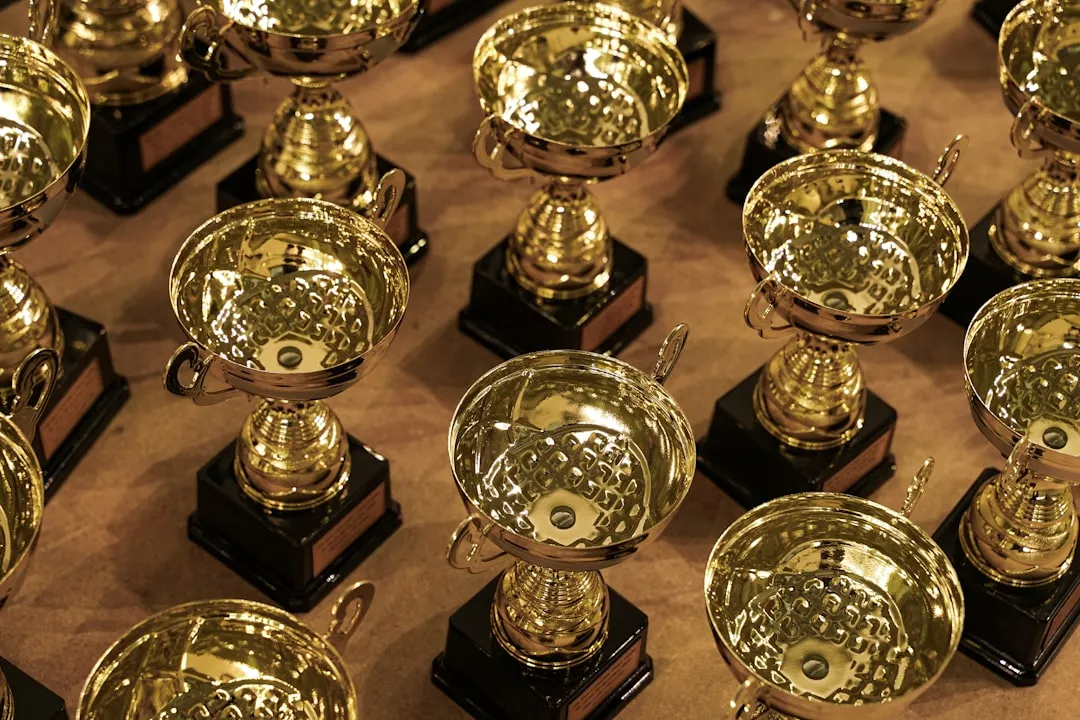
One of the more unspoken tensions in this dynamic involves what happens when grandparents eventually downsize or pass away. Instead of decluttering, boomers are often passing what their families view as junk down to the next generation. Grandchildren are frequently left navigating how to respectfully decline items that carry enormous meaning to the person offering them, without seeming ungrateful or cold.
A collection of bowling trophies, work commendations, or concert T-shirts tells a story. For boomers, physical objects often serve as tangible proof that they lived, achieved, and experienced meaningful moments, and research highlights how personal possessions often serve as extensions of identity, reflecting memories and achievements that people may struggle to let go of. Declining that inheritance, even gently, can feel to the older generation like a rejection of the story itself. That’s a fragile moment that deserves more care than most families give it.
The Takeaway
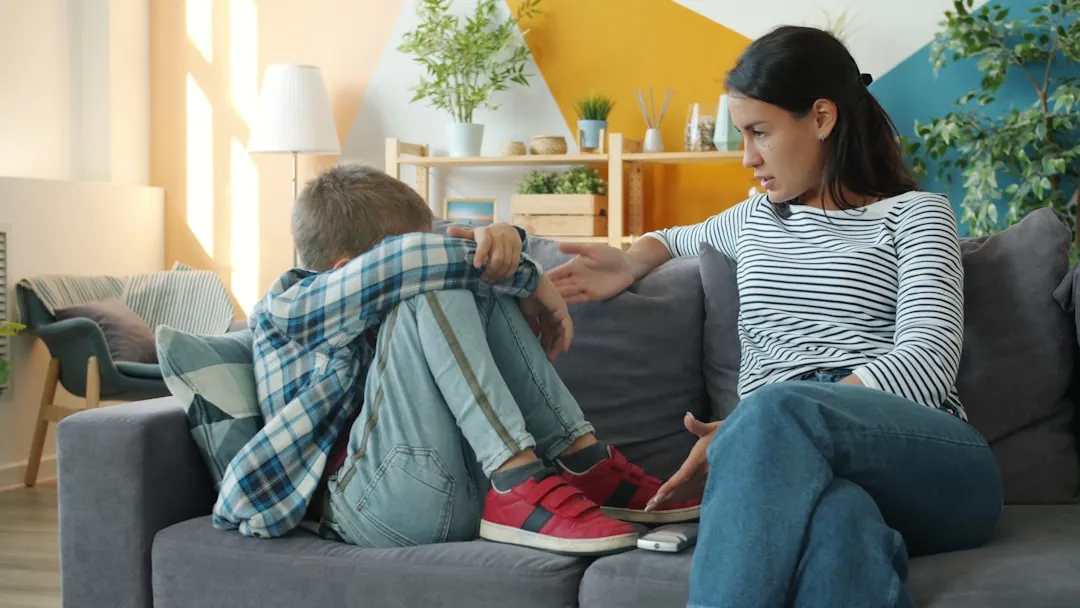
What looks like a disagreement about shelves and storage boxes is usually something deeper – a collision between two genuinely different ways of understanding what it means to be secure, comfortable, and connected to the people and places that shaped you. Neither position is wrong. Both have real psychological roots.
The clutter conversation goes more smoothly when both sides drop the assumption that the other is being irrational. Grandparents aren’t failing to see the mess; they’re seeing something different entirely. Grandchildren aren’t being cold or ungrateful; they’re building lives shaped by different pressures and possibilities. The gap between a crammed bookshelf and an empty one is, in many ways, the gap between two versions of what a meaningful life looks like.
That’s worth talking about – carefully, and without anyone sneaking boxes to the charity shop while the other isn’t watching.
AI Disclaimer: This article was created with the assistance of AI tools and reviewed by a human editor.