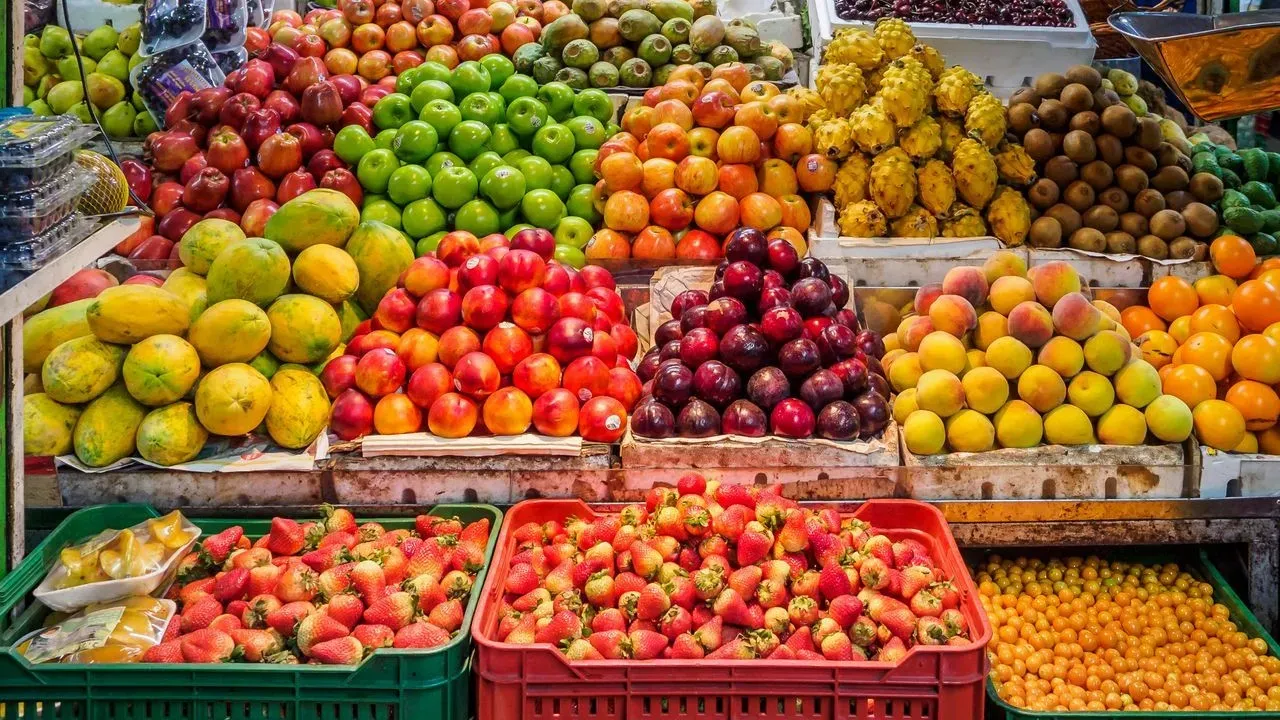

Many households watch fresh produce lose its crispness within days of purchase, often without realizing that everyday items in the same drawer are accelerating the process. A natural gas released by certain ripening fruits speeds up spoilage in sensitive vegetables, turning crisp greens limp and carrots bitter long before their time. The effect stems from ethylene, a colorless compound produced by apples, pears, and ripe bananas that triggers faster ripening or decay in nearby items.
The Science Behind the Spoilage
Ethylene acts as a ripening signal that some fruits emit in higher amounts once they reach full maturity. Leafy greens, carrots, cucumbers, and squash respond poorly to even small concentrations of the gas, leading to yellowing, softening, or off flavors. Research from agricultural extensions highlights how this interaction happens silently inside refrigerators and on countertops, shortening the usable life of produce that would otherwise stay fresh longer when stored separately. The process explains why a bag of apples placed near a head of lettuce can cause the greens to wilt noticeably within a day or two. Similar reactions occur with other combinations, where the gas prompts premature changes that no amount of refrigeration fully prevents.
Pairs That Need Separation
Apples and pears belong away from leafy greens such as lettuce, spinach, and broccoli to avoid rapid wilting and loss of color. Ripe bananas should stay clear of carrots and parsnips, since the gas they release can introduce bitterness in these root vegetables. Cucumbers fare better when kept apart from tomatoes and melons, which also generate ethylene once fully ripe. Squash and pumpkins likewise suffer when stored near apples or pears, as the gas can cause yellowing and reduce overall storage time. These separations rely on simple drawer assignments rather than special equipment.
Potatoes and Other Key Concerns
Potatoes require their own space away from onions, garlic, and ripening fruit to prevent early sprouting and flavor transfer from strong odors. Apples in particular can trigger sprouting in potatoes through the same ethylene mechanism. Raw meat, poultry, and seafood present a separate issue unrelated to gas. These items must remain sealed in containers or bags on lower shelves so their juices cannot drip onto ready-to-eat foods, reducing the risk of bacterial cross-contamination.
Simple Steps for Longer Freshness
Designate one crisper drawer for ethylene producers and another for sensitive vegetables, using paper bags to contain the gas where possible. Check storage guides for items that perform better on the counter rather than in the refrigerator. Keeping berries in their own dry container and avoiding mixing groups altogether helps maintain quality across the board. These adjustments cost nothing yet deliver noticeably longer shelf life for everyday produce. Home cooks who adopt the habit often find fewer items end up discarded before use.
AI Disclaimer: This article was created with the assistance of AI tools and reviewed by a human editor.