

Who Was Actually Running the Show

For most of the ’90s, holiday hosting had one default answer: it was the grandparents, or the oldest member of the family with the biggest house. Baby Boomers served as the traditional default hosts for decades, having grown up with a clear picture of what the holidays were supposed to look like, and many held onto that vision with real consistency.
Today, that structure has loosened considerably. The answers have been shifting in measurable ways, with research from 2024 and 2025 showing that generational attitudes toward holiday gatherings are not just different in degree but genuinely different in kind. Younger adults are far less likely to step into the “designated host” role automatically. They’re more likely to rotate, split costs, or simply opt out.
The Size of the Gathering
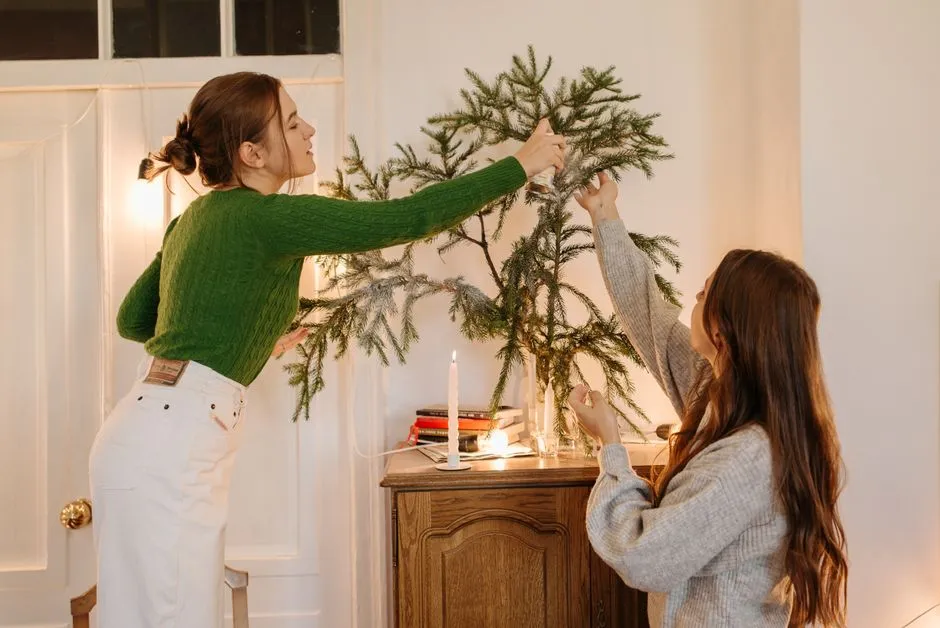
In the ’90s, big was the norm. Extended family, neighbors, a few coworkers, sometimes people nobody quite recognized. On average, people have 14 guests over for holiday gatherings, a number that remained fairly stable for years. The table was long, the noise was constant, and nobody thought twice about a crowd.
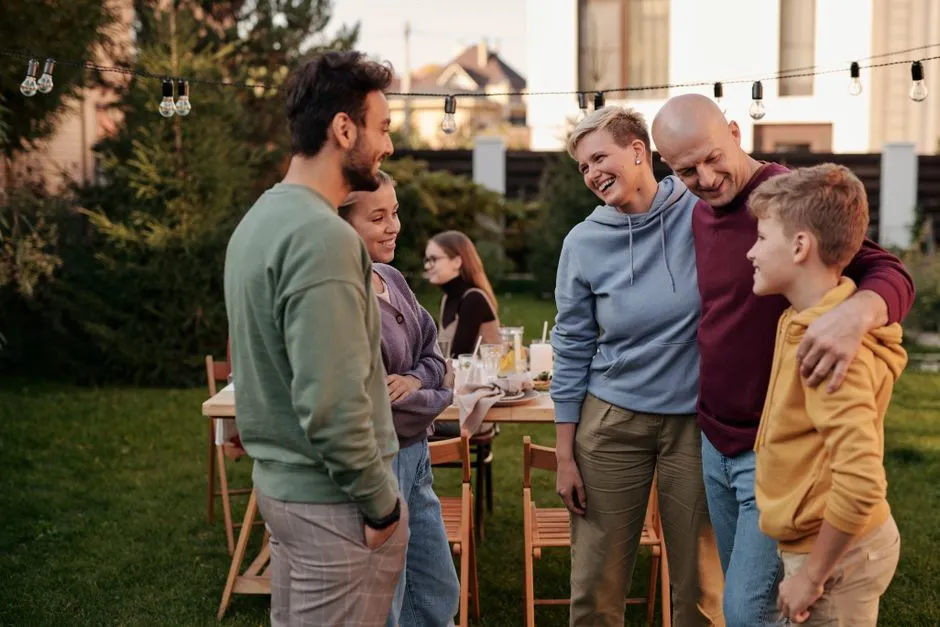
Today, the appetite for large gatherings has genuinely cooled. The pandemic permanently reshaped holiday expectations, with large, loud, multi-day gatherings losing appeal, replaced by more intentional traditions focused on comfort and authenticity. Many Americans now prefer smaller, more manageable gatherings, or choose to host only those whose presence feels meaningful. The shift isn’t simply pandemic-driven caution. It reflects a real change in what people want.
What Was on the Table
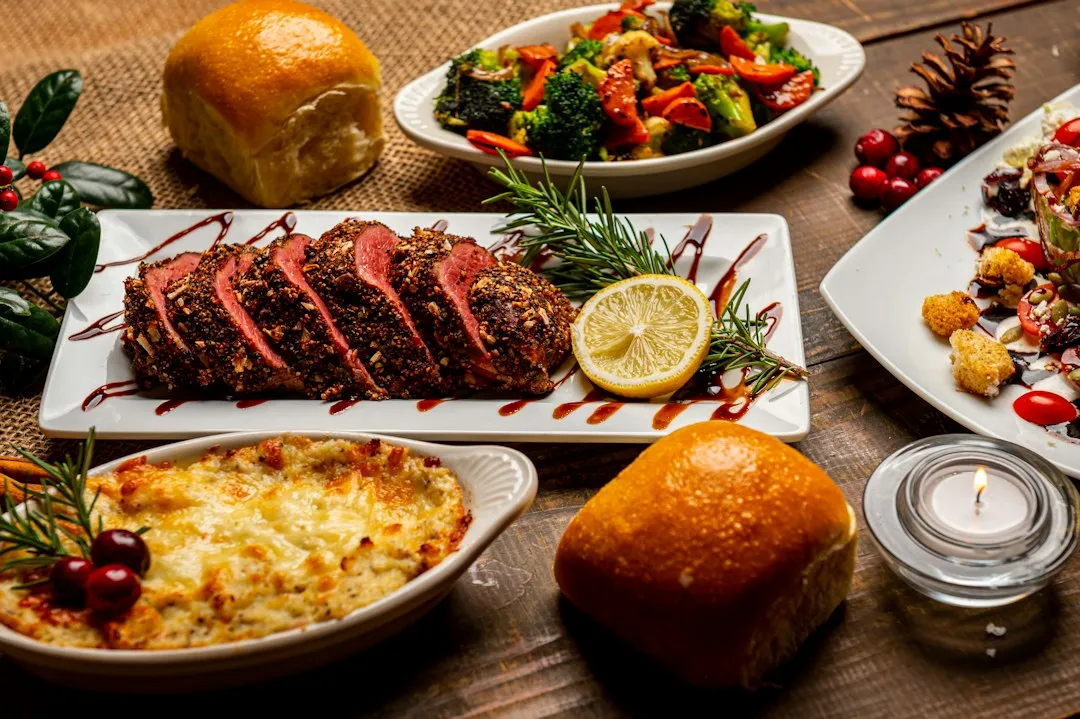
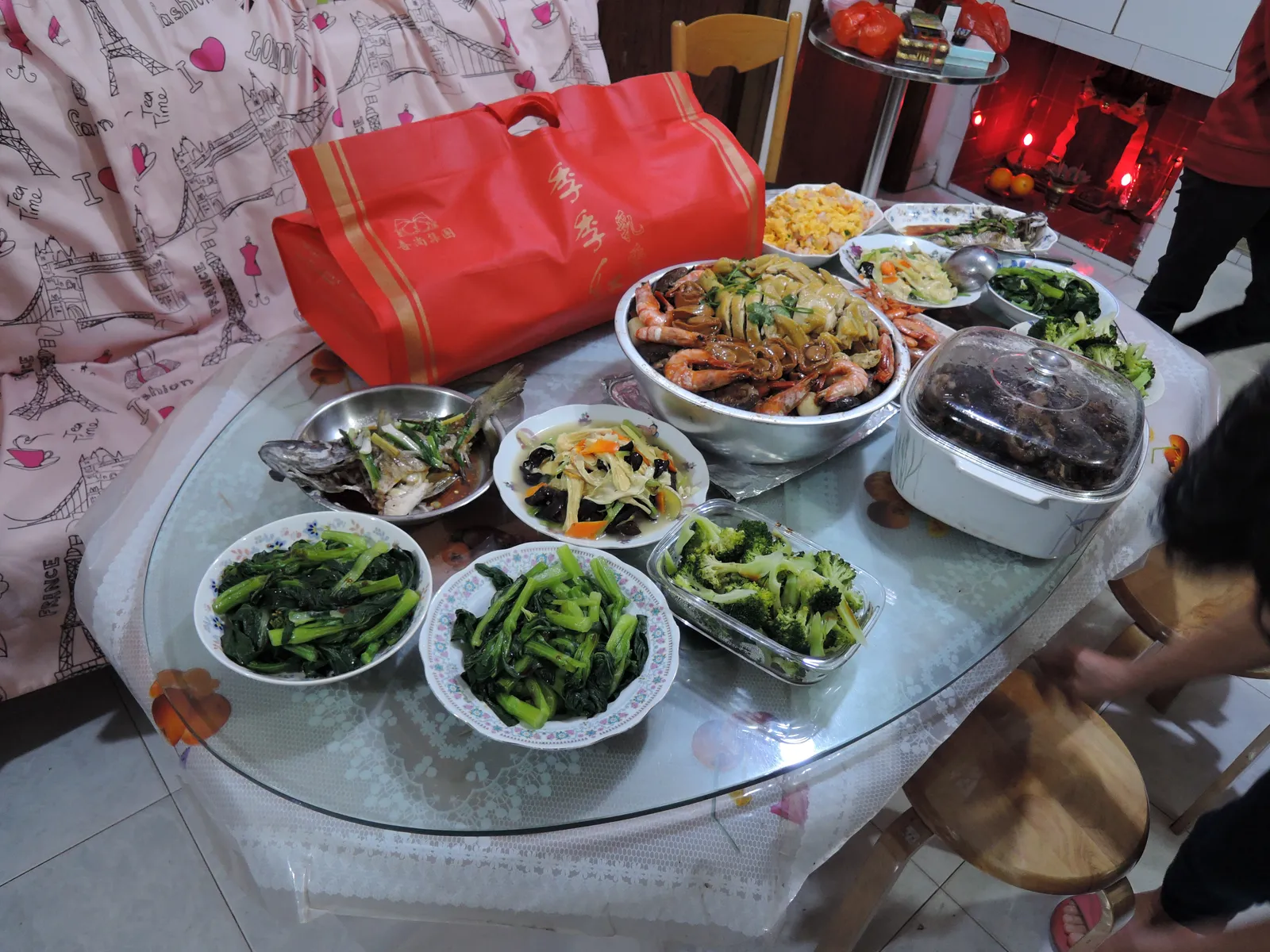
For the big main meal over the holidays in the ’90s, many families opted for roast meat, just as they had in the decades before. Records of magazines from the time suggest people were sitting down to dishes like roast pork loin, Christmas goose, and Cornish hen, accompanied by hearty sides like cheesy potatoes, oven-roasted vegetables, and wild rice pilaf with dried cranberries.
That comfort-food framework still exists today, but sits alongside a much wider range of choices. The 2010s brought significant changes, with food delivery apps and technology reshaping eating habits, alongside a rise in plant-based diets and “clean eating” trends driven by sustainability concerns and health consciousness. Holiday menus in 2026 often reflect dietary restrictions, personal values, and cultural fusion in ways that a ’90s host would have found startling.
How Recipes Were Found
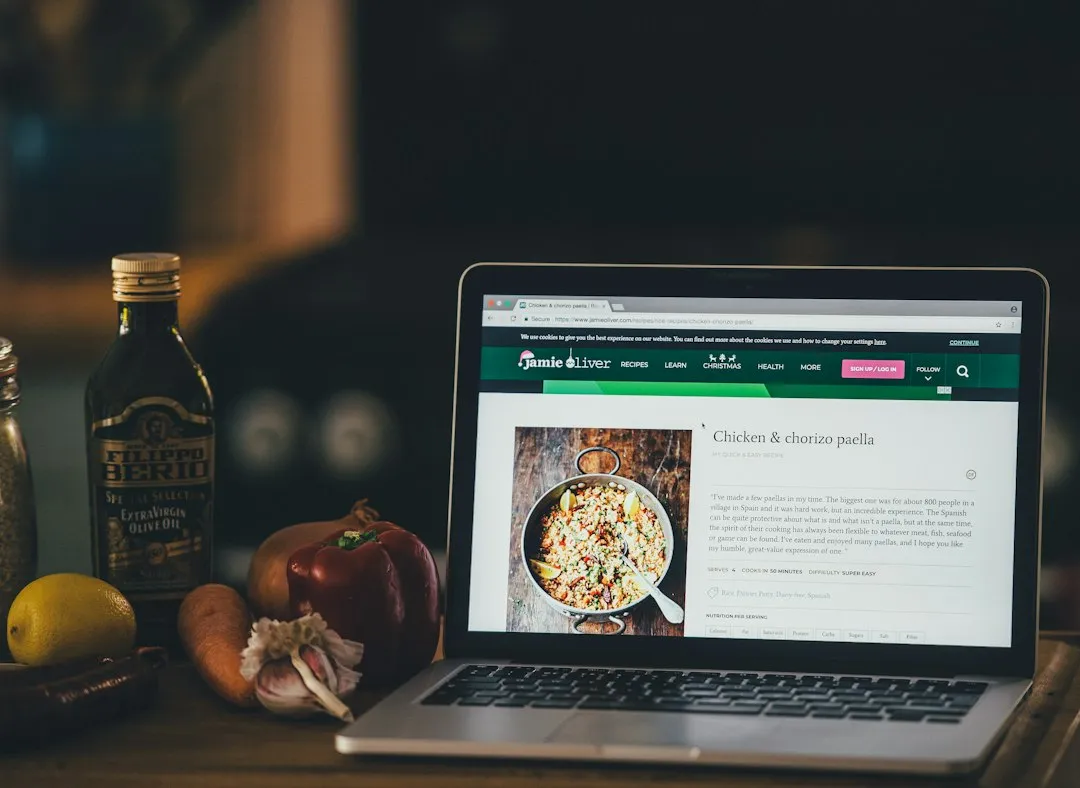
In the ’90s, the recipe for Grandma’s roast came from a handwritten card, a dog-eared cookbook, or a clipping from a magazine. That was genuinely it. As the internet became woven into daily life through services like Prodigy and America Online, it was only a matter of time before technology became a way to spread recipes and cooking advice previously found only in magazines and cookbooks. In 1995, Condé Nast launched Epicurious, a forward-thinking database of recipes compiled from some of the company’s food and travel magazines.
That was just the beginning. Today, a holiday host can choose from hundreds of variations on a single dish within seconds, watch a video tutorial, or get live feedback in a cooking community. The process of planning a holiday meal has been completely democratized. Whether that leads to better food is a separate debate, but it’s certainly led to more adventurous ones.
The Cost of Hosting Then vs. Now
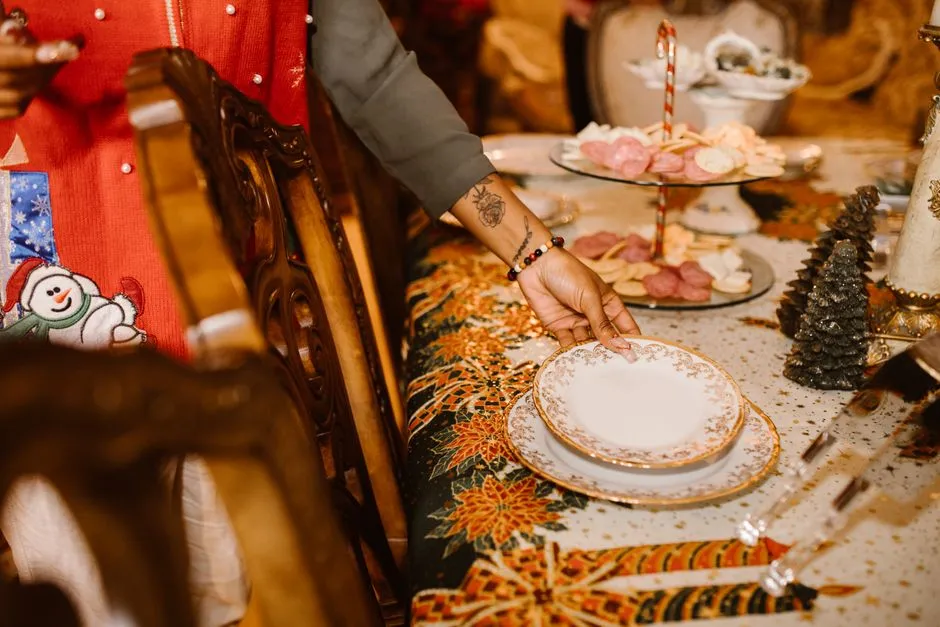
Holiday hosting in the ’90s was not cheap, but the math was more forgiving. In 1995, AAA reported that a week-long vacation for a family of four cost $1,550, which accounts for roughly $3,413 in 2026 dollars. Day-to-day hosting costs followed a similar pattern: more manageable in real terms than what families face now.
For many today, the joy of hosting is tempered by financial demands. Rising prices and ongoing economic pressures mean that the cost of hosting has become a significant consideration for households, affecting everything from the decorations to the guest list. Nearly half of current hosts feel pressure to spend more than they should, and a similar portion expect that hosting will strain their household budget. Millennials, the generation now most likely to host, budget on average $878 per holiday season just for entertaining.
Who Does the Traveling

In the ’90s, going home for the holidays usually meant going home. You drove to the family house, stayed a few days, and drove back. The concept of “Friendsgiving abroad” or a holiday trip to Mexico as a deliberate substitute for family gathering was not part of the cultural vocabulary.
American Express research found that Millennials and Gen Z are increasingly opting to travel over the holidays rather than visiting family and friends. That doesn’t mean they’re opting out of the season; it means they’re redefining what celebrating it looks like. A 2024 survey found that about two thirds of Americans planned at least one overnight trip between November 2024 and January 2025, traveling at least 50 miles from home. That figure would have been unthinkable in a pre-internet, pre-budget airline era.
The Role of Technology at the Table

A ’90s holiday gathering had one screen: the television. Football went on in the living room, kids watched something in the back bedroom, and nobody was reachable unless someone picked up the landline. Presence was mostly total, by necessity. There was nowhere else to be.
Now, screens are everywhere. Relatives join via video call from across the country. Group chats coordinate arrival times and dish assignments in real time. Photos go on social media before dessert is served. The 2010s brought significant changes, with technology impacting eating habits and social behavior through the rise of food delivery apps and online streaming. The holiday table hasn’t disappeared, but it now competes with a dozen other digital spaces simultaneously.
How Invitations and Planning Worked

In the ’90s, holiday logistics were handled by phone calls, handwritten invitations, and a fair amount of informal assumption. If you were family, you were coming. Coordination happened through conversation, not spreadsheets. The event planning, such as it was, lived in one person’s head, usually the host’s.
Today, a holiday gathering might be coordinated through a group chat, a shared Google Doc, a Doodle poll, and a message thread that runs for three weeks. Hosts often carry the load of organizing multiple holiday gatherings for their social circles, with the average host putting on two to three holiday events each season across all age and income groups. The tools make things easier in some ways and more complicated in others.
The Emotional Temperature of Gatherings
Holiday gatherings in the ’90s weren’t conflict-free, but the cultural pressure to avoid certain topics was stronger, and the range of political flashpoints was narrower. People could often sit together for several hours without the conversation touching anything incendiary. Whether that was healthier is debatable, but it kept the peace.
Today’s gatherings carry more tension. Nearly half of Americans expect heated discussions at holiday events, often driven by political disagreements, family drama, or generational clashes. This was especially pronounced in 2024, when families gathered during a highly charged election period. Research from the Talker holiday study in 2024 showed attendance dropped from an average of five gatherings in 2023 to three in 2024, with people choosing smaller, more intentional events over larger, more traditional ones.
What “Tradition” Actually Means Now

In the ’90s, tradition was largely inherited rather than chosen. You did what your parents did because that was what the holiday looked like. The idea of consciously designing your own holiday rituals from scratch would have seemed odd to most families. Continuity was the point.
Today, tradition is something people actively build and reassess. A survey of 2,000 Americans found that three in four wouldn’t mind getting rid of all their holiday traditions, as long as they can create new memories with their loved ones, with nearly three quarters bonding with loved ones during the holidays more than any other time of year. The pandemic permanently reshaped holiday expectations, with large, loud, multi-day gatherings replaced by more intentional traditions focused on comfort and authenticity. What stays consistent is the desire to connect; what’s changed is the form it takes.
The Bigger Picture
AI Disclaimer: This article was created with the assistance of AI tools and reviewed by a human editor.