


Every time you load up your cart at the supermarket and wince at the total, there’s a good chance you’re blaming inflation, supply chains, or corporate greed. Those are real factors, no argument there. What rarely makes it into the conversation, though, is the quieter, slower force at work: the environment itself is becoming more expensive to farm.
From drought-stricken cattle ranges to West African cocoa fields hit by record heat, the physical world that produces your food is under growing stress. The price signals appear at the checkout line long before most people connect them to a shifting climate or degrading soil. Understanding what’s actually behind those numbers is the first step to making sense of a grocery bill that keeps climbing.
The Science Is Clear: Rising Temperatures Push Food Prices Higher
A 2024 study published in the Nature journal, examining over 27,000 monthly price records from around the world, shows that when temperatures rise, food prices go up, and that the effect persists for at least a year in both lower- and higher-income countries. This isn’t a theoretical projection. It’s already happening, and the data is global in scale.
The study analyzed temperature data alongside more than 27,000 monthly consumer price indices spanning 1996 to 2021 across 121 countries, and found that a 1°C rise in monthly temperatures drives food price inflation, with that effect lasting at least 12 months after the abnormally warm month.
Projected warming by 2035 would drive food inflation up by 1.4 to 1.8 percentage points per year on average across North America. By 2060, warming-driven food inflation across North America could reach 1.9 to 3.9 percentage points per year. Those numbers translate directly into what you spend on groceries.
Drought Is Gutting the U.S. Cattle Herd – and Your Beef Budget
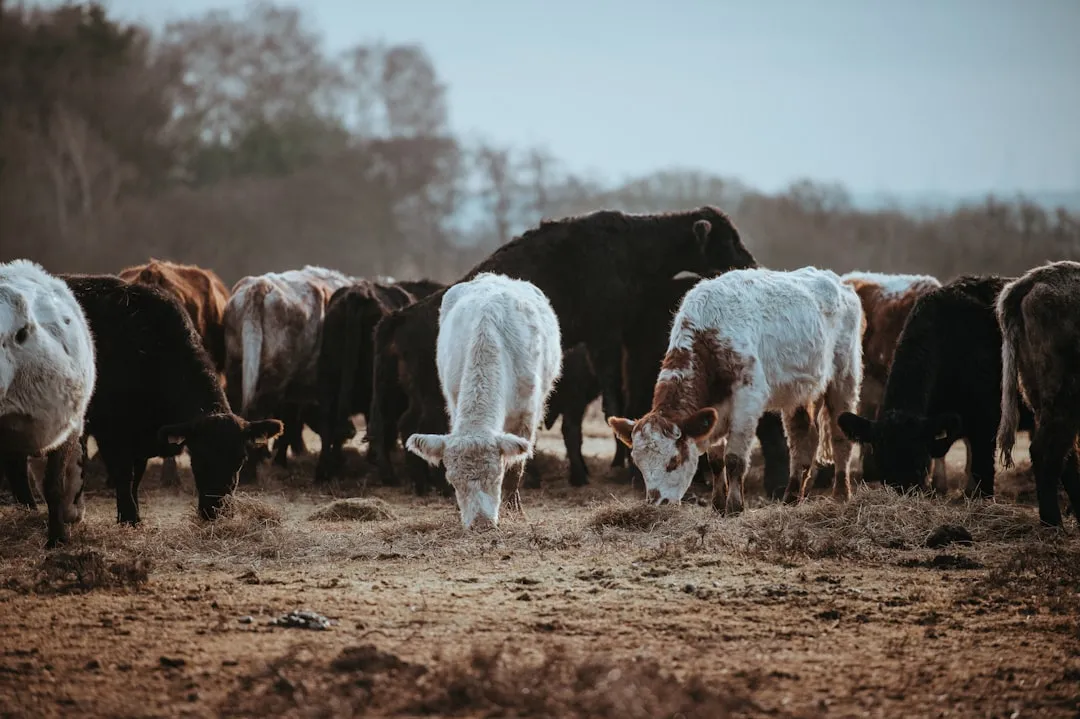
The national cattle herd is the smallest it has been since 1951, due to a combination of prolonged drought, high input costs, reduced heifer retention, and fewer imports. That historic low is now showing up starkly at the meat counter.
Beef is more expensive than ever at the grocery store, and in July 2025, ground beef hit a record high of about $6.25 per pound, the most expensive since records started in 1984. The USDA expects record high beef cattle and feeder steer prices to continue well into 2026.
Beef cattle operations that rely on precipitation to grow forage to feed their herds are particularly vulnerable to drought. When drought conditions diminish forage production and availability, producers often must buy supplemental feed and forage or reduce their herd size. Severe weather such as droughts and wildfires, which are becoming more frequent and severe due to climate change, can occur without warning and saddle operators with unexpected costs, and the Federal Reserve Bank of Kansas City has found that farm earnings tend to decline with drought.
California’s Drought Sent Vegetable Prices Through the Roof
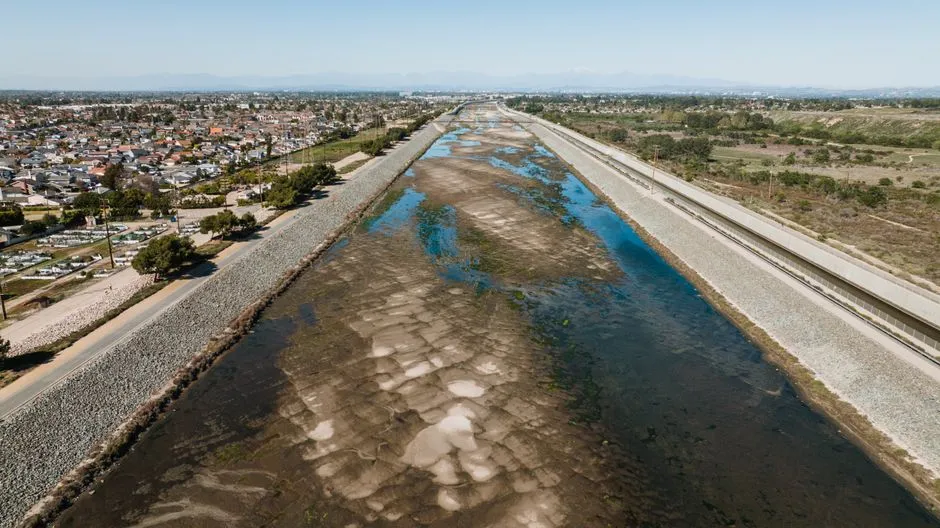
Intense drought in California and Arizona in 2022 contributed to an 80 percent increase in the U.S. producer price of vegetables in November 2022 compared to a year prior. That kind of regional shock doesn’t stay regional for long. California supplies a major share of domestic produce, so when its farms dry up, grocery shelves across the country feel it.
Heavy rainfall can harm food production by eroding soil and depleting it of nutrients, according to the Environmental Protection Agency, while extreme heat can deplete the amount of water in soils, causing significant declines in crop and livestock productivity, according to the National Integrated Drought Information System.
Tomatoes fell sharply in May 2026 but are still up roughly a third over the past year, while lettuce prices climbed nearly a sixth in a single month and are up nearly a quarter for the year. Fresh produce is where the environmental volatility shows up most visibly and most immediately.
Your Morning Coffee Costs More Because of Droughts Half a World Away
Brazil, which supplies one third of U.S. coffee, experienced a drought from 2023 to 2024 that led to a 55 percent increase in the global market price of coffee in August 2024 compared to a year prior. That’s not a minor ripple. That’s a direct consequence of rainfall failing in the world’s dominant coffee-growing region.
Coffee is up roughly 13 percent since mid-2025, in part because of crop losses from heat and drought in major coffee-producing countries such as Brazil and Vietnam. Vietnam is the second-largest coffee producer globally, so when both countries suffer at once, global supply tightens fast.
Droughts and extreme heat in Brazil and Vietnam decreased coffee bean yields and sent a ripple effect through the global market, raising coffee prices to an all-time high in early 2025 and causing a significant price increase for U.S. consumers. The next time you pay more for your morning cup, climate change is part of the explanation.
A West African Heatwave Nearly Tripled Cocoa Prices
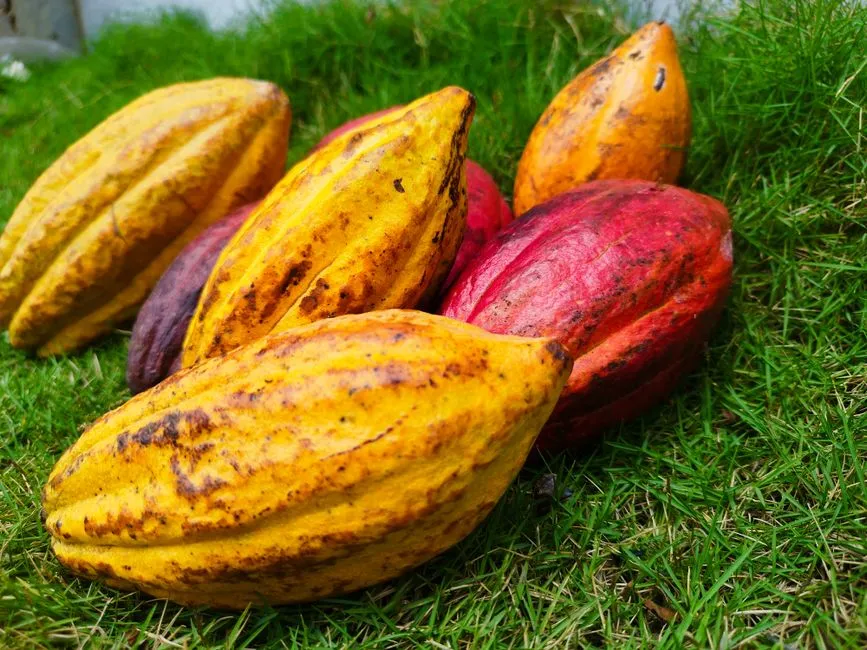
Ghana and Ivory Coast account for almost 60 percent of the world’s cocoa production. A heatwave there in early 2024, which scientists say was made 4 degrees Celsius hotter by climate change, saw global cocoa prices rise by a massive 280 percent in April that year. Chocolate, baked goods, and candy bars all absorbed that shock.
The price of cocoa has more than doubled since the beginning of 2024 due to heavy rains that caused extreme supply disruptions in West Africa, where roughly 70 percent of the world’s cocoa is produced. The cocoa crisis illustrates how concentrated global production in specific regions creates enormous vulnerability to local weather extremes.
Healthy food tends to cost more than less healthy alternatives, so a jump in food prices can often lead low-income households to cut back on nutritious food like fruit and vegetables, with researchers highlighting the resulting knock-on societal risks, including potential contributions to malnutrition, Type 2 diabetes, and heart disease.
Olive Oil, Rice, and Cabbage: Extreme Weather Is Global

Spain produces over 40 percent of the world’s olive oil, and after an intense drought across Southern Europe from 2022 to 2023, the price of olive oil shot up roughly 50 percent across the European Union by January 2024. Olive oil has become a genuine luxury item in kitchens where it was once a pantry staple.
In Japan, an August heatwave sent rice prices up 48 percent by September 2024, as the country experienced its hottest summer since officials began collecting regional records in 1946. Japan’s rice crisis even shaped voter sentiment ahead of national elections, according to reporting from Al Jazeera.
In the vast majority of cases, the increase in prices came soon after heatwaves, including a 70 percent increase in cabbage prices in South Korea in September 2024 and an 81 percent increase in potato prices in India in early 2024. These aren’t isolated incidents. They represent a pattern playing out on nearly every continent.
Soil Degradation: The Slow-Moving Crisis Nobody Talks About
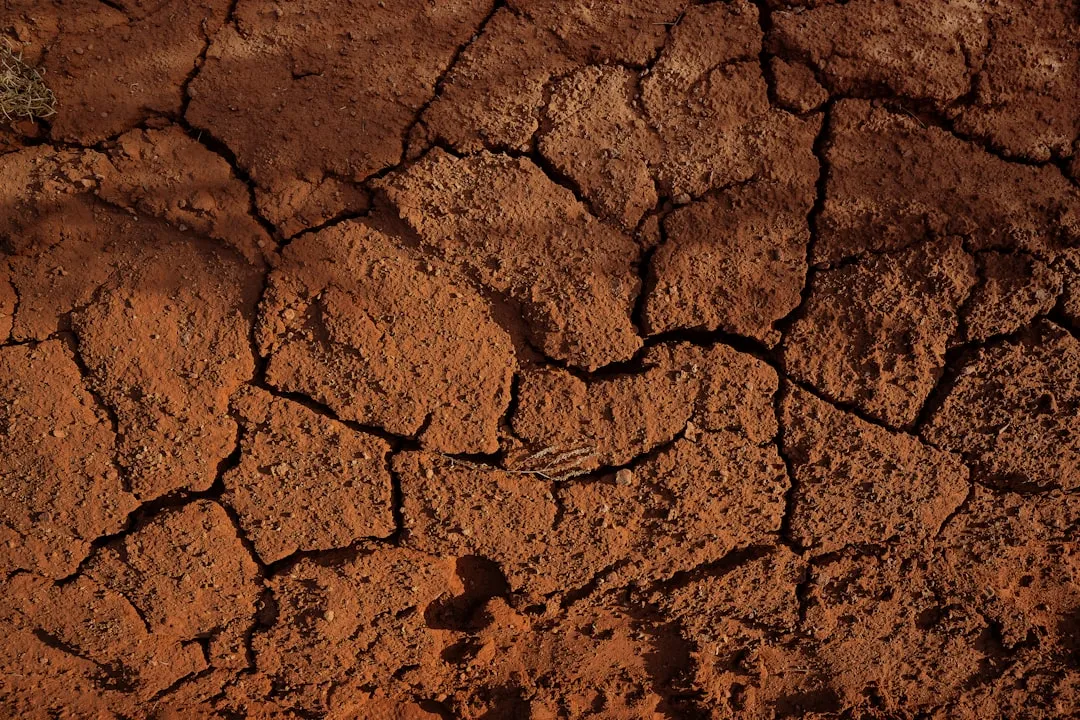
According to the FAO, more than half of the world’s soils today are already degraded. Degraded soils mean less resilience to climate shocks and decreased levels of soil fertility, which increases the need for more expensive artificial fertilizer to keep crop yield levels stable.
The deteriorating quality of soil directly impacts crop production, leading to reduced yields, increased costs, and higher food prices. According to BBC Future, over a third of the world’s topsoil has been lost in recent decades, causing crop yields to drop by as much as 50 percent in severely affected areas.
Produce and grains are directly impacted by soil fertility, while the rising cost of feed grains for livestock drives up meat prices. These depleted soils lead to reduced crop yields, forcing farmers to rely on costly fertilizers and irrigation, which drive up food production costs and, ultimately, consumer prices. It’s a cost that farms pass on, and that supermarkets pass on again.
Florida’s Oranges and the Hurricane Connection
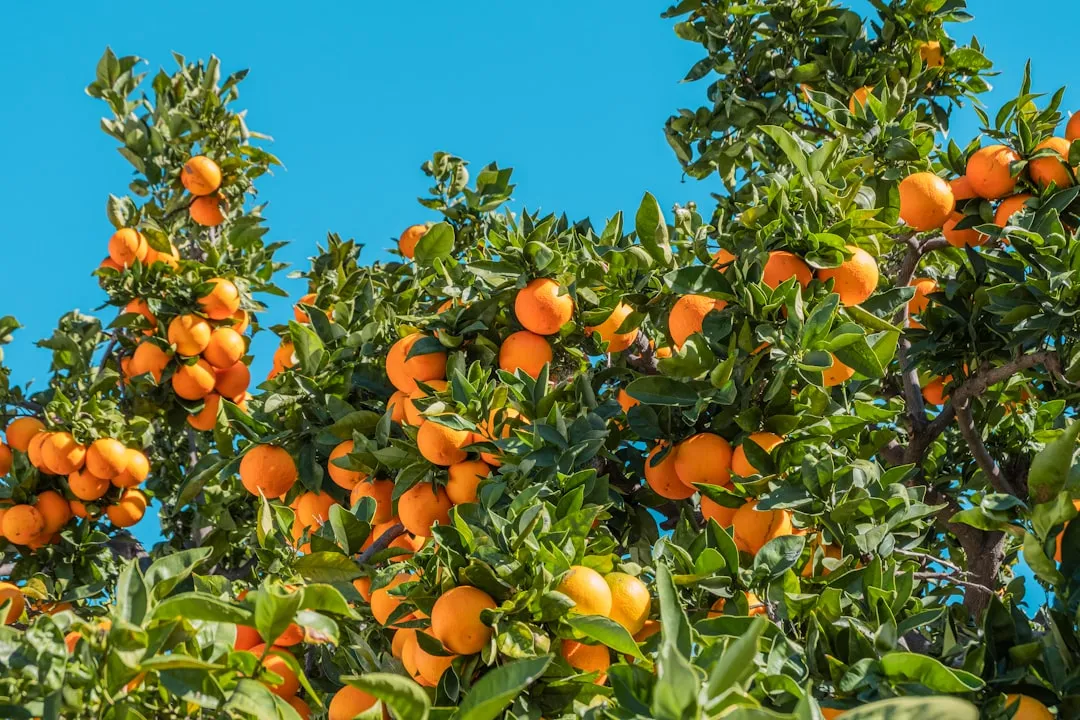
In Florida, orange yields fell dramatically during the 2022 to 2023 harvest, partly due to Hurricane Ian, which made landfall in September 2022 and devastated the state’s orange crop with heavy wind and rain. The consequences persisted for multiple seasons, not just the year of impact.
In the U.S., orange production dropped by more than 40 percent between 2020 and 2024. Florida’s production more than halved between the 2021-22 and 2022-23 harvests, partly due to Hurricane Ian, which devastated the orange crop. Studies also found that the hurricane carried at least 10 percent more rain than it would have without climate change.
Citrus greening disease, which is spread by an invasive insect, has also been damaging citrus crops. Environmental disruption rarely arrives alone. Warmer temperatures expand the range of invasive pests, compounding the direct effects of storms and drought into something far harder to recover from.
The Warming Climate Is Amplifying Crop Insurance Losses
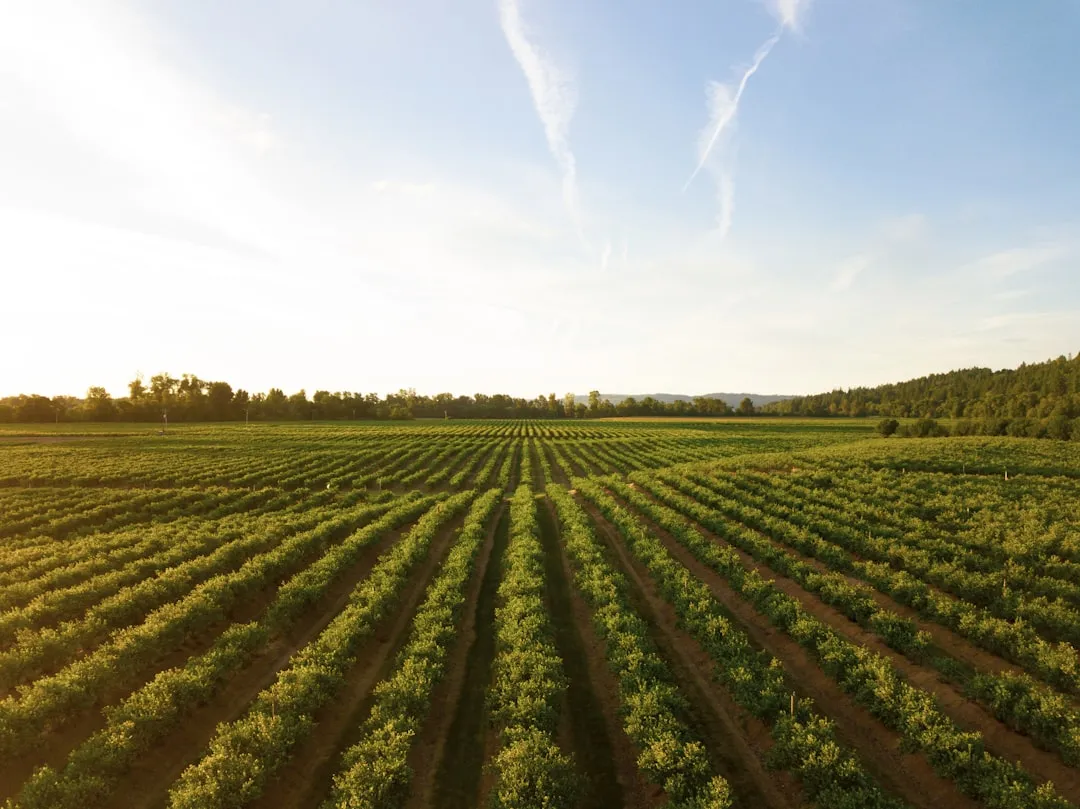
Studies show that warming temperature trends across the contiguous U.S. accounted for 19 percent of national crop insurance losses from 1991 to 2017. These costs, which reflect rising damages to agriculture, are borne by taxpayers as an indirect cost of climate change on the food system. That indirect cost eventually feeds back into the price of food production overall.
Factors that impact U.S. agriculture, such as weather events and incidence of plant and animal disease, can affect food prices. Other factors that broadly contribute to inflation across the economy, such as energy prices and wages, can also impact food prices, as these factors can influence the costs of processing, transporting, and retailing food products.
Extreme weather events, such as droughts and storms, have affected agricultural production, reducing supply and increasing production costs, resulting in higher prices for consumers. When crop failures and livestock losses become more frequent, the insurance system absorbs part of the blow, but consumers absorb the rest through prices that rarely come back down.
Bird Flu, Avian Disease, and Eggs That Cost a Small Fortune
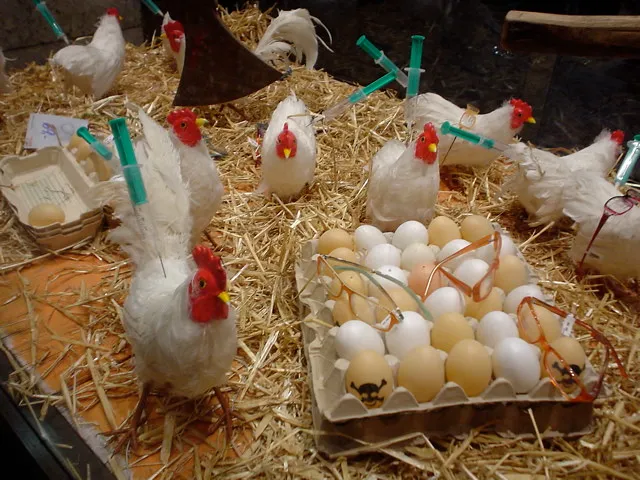
Prices for farm-level eggs increased dramatically in 2022, decreased in 2023, and then surged 43 percent in 2024 and 31.6 percent in 2025, primarily due to the spread of Highly Pathogenic Avian Influenza and reductions in egg production. Few grocery items have seen a price story as volatile as eggs over this period.
An ongoing outbreak of Highly Pathogenic Avian Influenza that began in 2022 caused egg prices to increase by reducing egg-layer flocks and egg production. The disease spread rapidly and, while not caused directly by climate change, warmer temperatures and altered migration patterns are known to influence the geographic spread of avian pathogens.
USDA is projecting an increase in egg production in 2026 over 2025, and there were fewer new detections of HPAI during the first quarter of 2026 than during the same period of 2025. Some relief may be arriving, but the years of damage to flock populations have illustrated just how fragile the environmental foundation of everyday food production truly is.
The Takeaway: Your Grocery Bill Reflects a Planet Under Pressure
Most people see food prices as an economic story. What the evidence increasingly shows is that it’s also an environmental one. Heat, drought, floods, soil loss, and disease outbreaks are not background noise. They are active drivers of the cost of feeding yourself and your family.
Extreme weather caused by climate change is driving up the prices of basic food products worldwide, with the cost of goods ranging from vegetables in California to coffee in Brazil seeing dramatic spikes in recent years due to weather conditions that exceeded all historical precedent prior to 2020.
The connection between a warming planet and a heavier grocery bill is no longer a future projection. It’s a present-day reality, built into the price of ground beef, your morning coffee, and a bottle of olive oil. Recognizing that link doesn’t make the bill easier to pay, but it does clarify what it will take to stabilize it.
AI Disclaimer: This article was created with the assistance of AI tools and reviewed by a human editor.