
Most people learn about a food recall the same way – a news alert on their phone, a sign at the grocery store, or a worried text from a family member. What happens behind the scenes, though, is a far more complex and sometimes messy process than those headlines suggest. The system spans two major federal agencies, thousands of companies, and a supply chain that stretches across dozens of states and sometimes entire continents.
Understanding that process matters more than ever. Nearly 1,400 people became ill from food they ate in 2024 that was later recalled, with the vast majority of those illnesses concentrated in just 13 outbreaks. The recalls themselves are one part of the story. How they get triggered, classified, and enforced is another.
Two Agencies, One Food Supply
The first thing to understand about food recalls in the U.S. is that no single agency runs the whole show. The FDA is responsible for the regulation and safety standards of roughly four-fifths of the food supply in the U.S., including pet foods, while the remaining portion – primarily meat, poultry, and some egg products – is regulated by the USDA’s Food Safety and Inspection Service.
These two agencies don’t operate identically. The USDA and FDA manage the recall process somewhat differently, with the USDA tending to adopt a more hands-on approach. When USDA learns about an issue with a product, the agency summons its recall committee, which usually comprises more than two dozen regulators.
The USDA, for meat, poultry, and egg products, and the FDA, for other food, both have programs to monitor voluntary food recalls, verify that companies contact their customers, and maintain recall data. It’s a shared responsibility, and that division of authority shapes how quickly and decisively a recall unfolds.
Who Actually Decides to Issue the Recall?
This surprises many people: the government usually doesn’t order the recall. The initial decision whether to initiate a food product recall almost always belongs to the company that manufactured the product, not the government. As a result, all such recalls, to the extent they occur, are technically voluntary.
While recalls are technically supposed to be a voluntary exercise, in practice they rarely ever are. The FDA or USDA typically applies substantial pressure when a safety issue surfaces, and companies generally comply – partly out of legal obligation and partly because the reputational stakes of not acting are enormous.
The Food Safety Modernization Act, signed into law in 2011, granted the FDA mandatory recall authority for food products – a power the agency lacked before FSMA and can now invoke when a firm refuses to act voluntarily. Still, that authority is reserved for the most serious situations.
How the Problem Gets Discovered in the First Place
According to the FDA, the agency can hear about a product problem in several ways. The company might discover the problem and contact the FDA directly, or the FDA may inspect a manufacturing facility and determine the potential for a recall. The FDA can also receive a report of a health problem through the CDC or other reporting systems.
Official producing establishments are required by regulation to develop and maintain a written recall plan detailing how and when they will initiate a recall if necessary. These establishments are also required to notify FSIS within 24 hours of becoming aware that adulterated or misbranded product entered commerce.
In some cases, a foreign inspector finds the problem first – as happened in a notable bagged vegetable recall where a Canadian food inspector identified contamination before any domestic authority had flagged it. These cross-border triggers are increasingly common given how much of the food sold in the U.S. originates abroad. The FDA and USDA regulate all food sold in the United States, not just products made domestically, with roughly three-fifths of FDA-registered facilities located abroad. A significant share of certain foods is imported: more than half of fresh fruit, over a third of vegetables, and the vast majority of seafood.
The Three Classes of Recall Severity
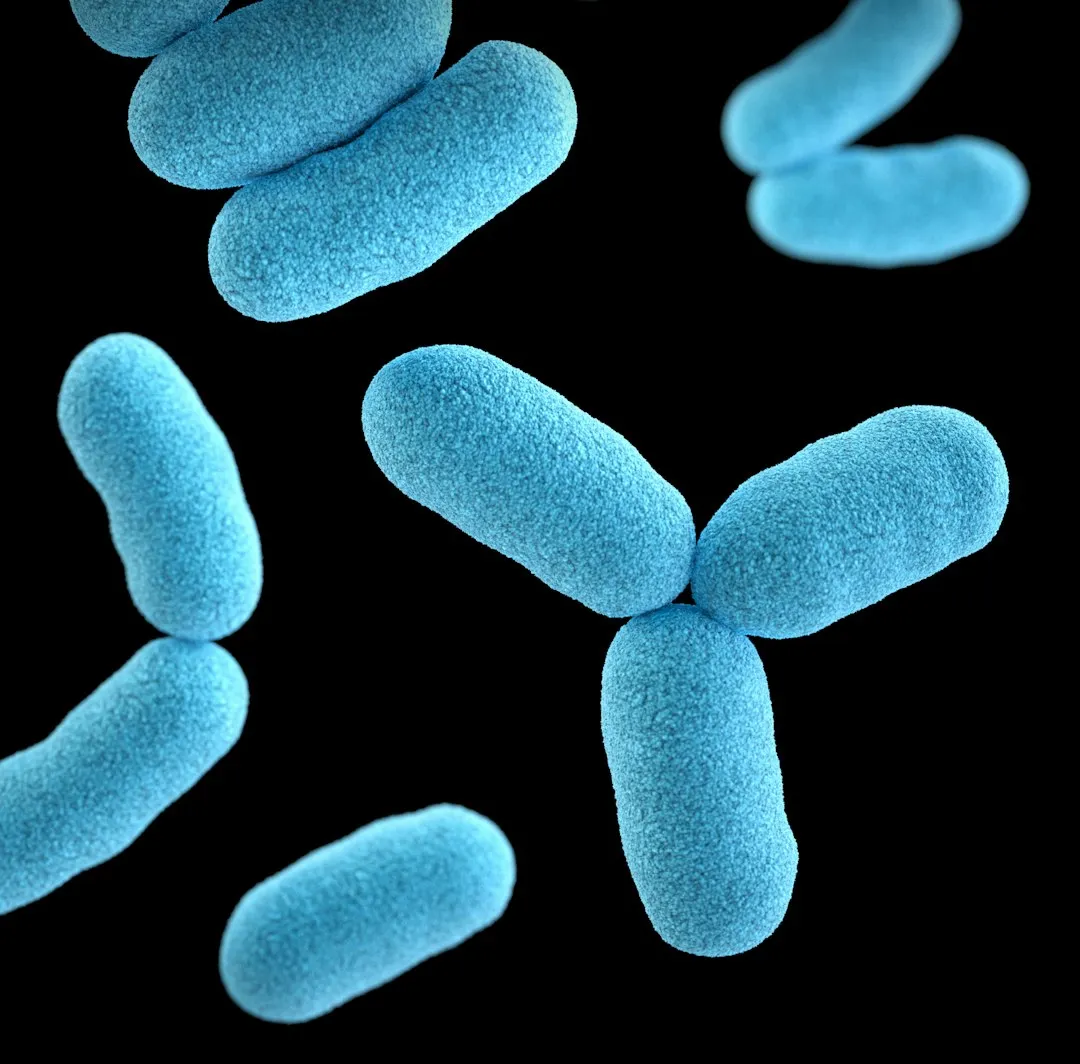
Not all recalls are created equal. There are three classes of recall used by both the FDA and the USDA, following the same general rule: Class I is the most serious and dangerous, Class II is potentially dangerous, and Class III represents the least risk.
A recall is characterized as Class I whenever there is a reasonable probability that the use of the product will cause serious, adverse health consequences or death. Examples include a known presence of a foodborne pathogen such as Listeria monocytogenes in ready-to-eat foods or the presence of an undeclared allergen. Class I recalls demand the fastest response from the company and from regulators.
Class II recalls involve situations where use of or exposure to a violative product may cause temporary or medically reversible adverse health consequences. Class III recalls, by contrast, involve situations where use of or exposure to the product is not likely to cause adverse health consequences at all. The classification also determines timing: Class I recalls require verification activities within 3 days, Class II within 5 days, and Class III within 10 days.
What Happens After a Recall Is Declared
Once a recall is initiated, the company and the relevant agency begin developing a strategy. This strategy considers the depth of the recall – whether it is only relevant at the distributor level or whether consumers also need to be notified – whether a public warning is needed, and what effectiveness checks are required to ensure downstream parties have received notification.
Recalls are an important public health tool to remove violative products – those that are adulterated, misbranded, or present a risk of injury – from the market. Effective recalls depend on every industry member in the supply chain taking prompt, thorough action.
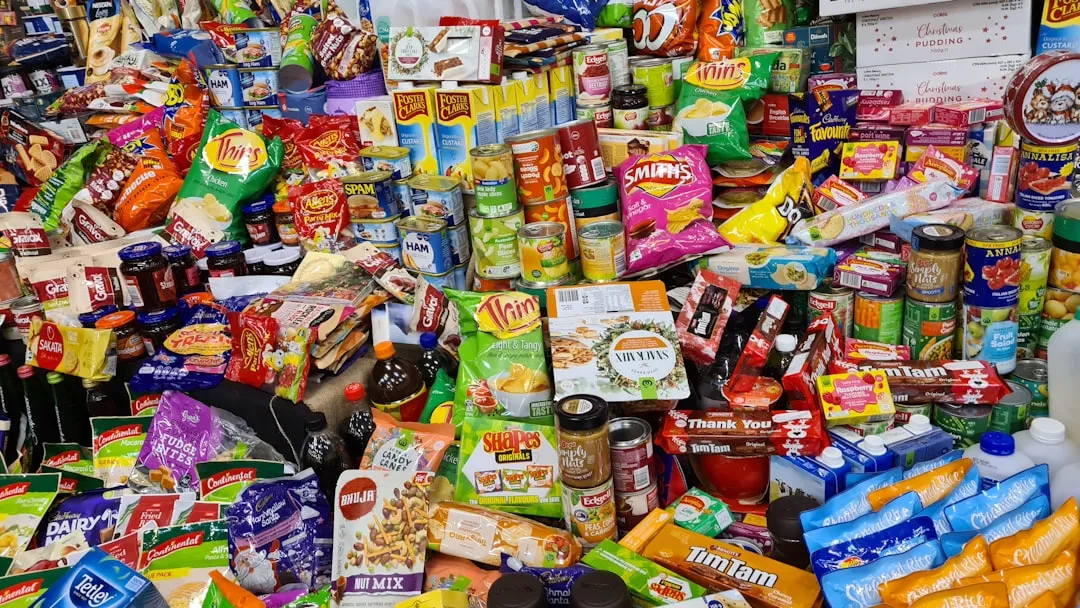
When a food is recalled, every industry member along the supply chain plays an important role in carrying out the recall. Retailers play an especially crucial role in the last step of the supply chain by ensuring that recalled products are immediately removed and not available to consumers at their stores. That last part, as recent events have made clear, doesn’t always happen smoothly.
The Most Common Reasons Food Gets Recalled
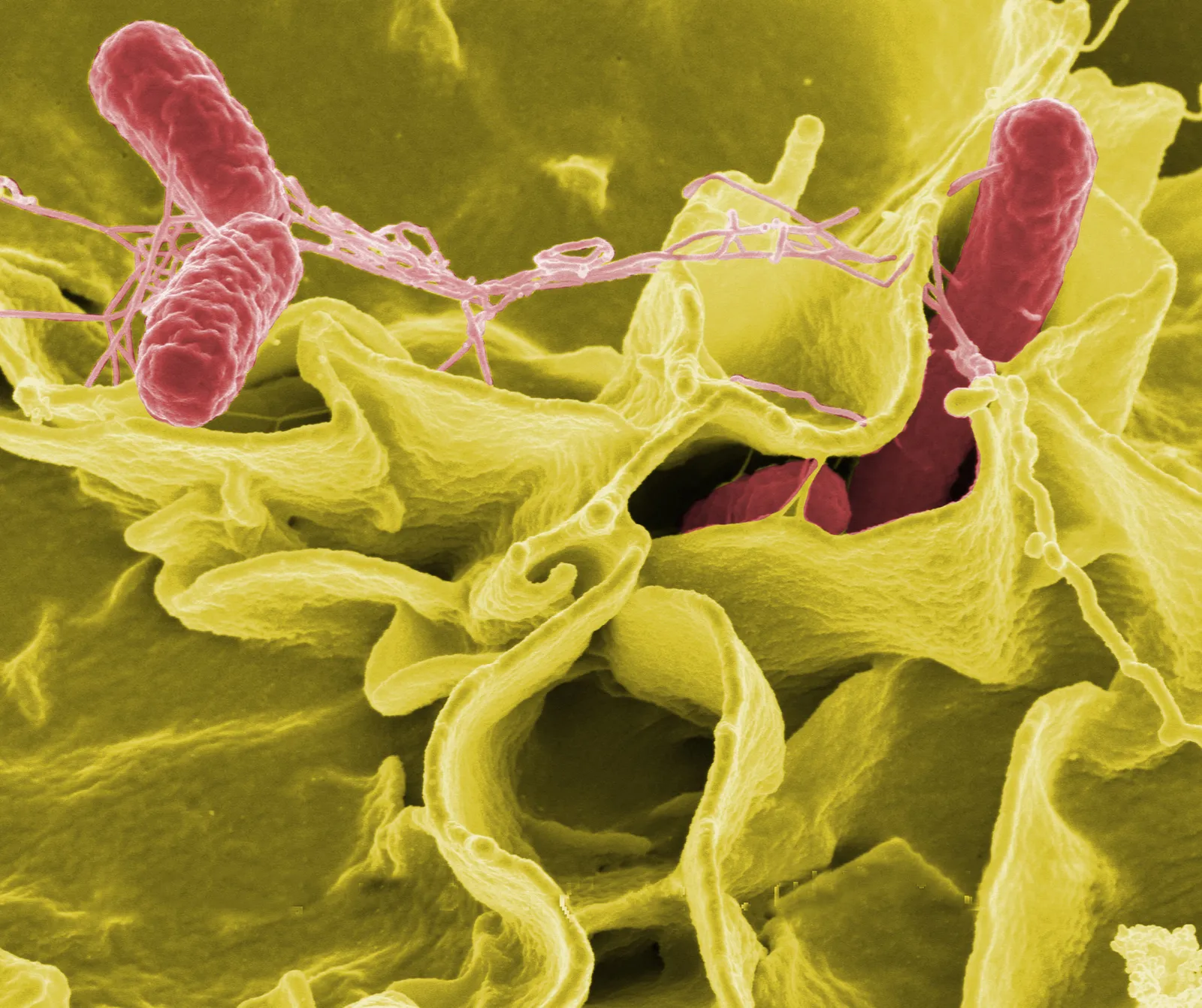
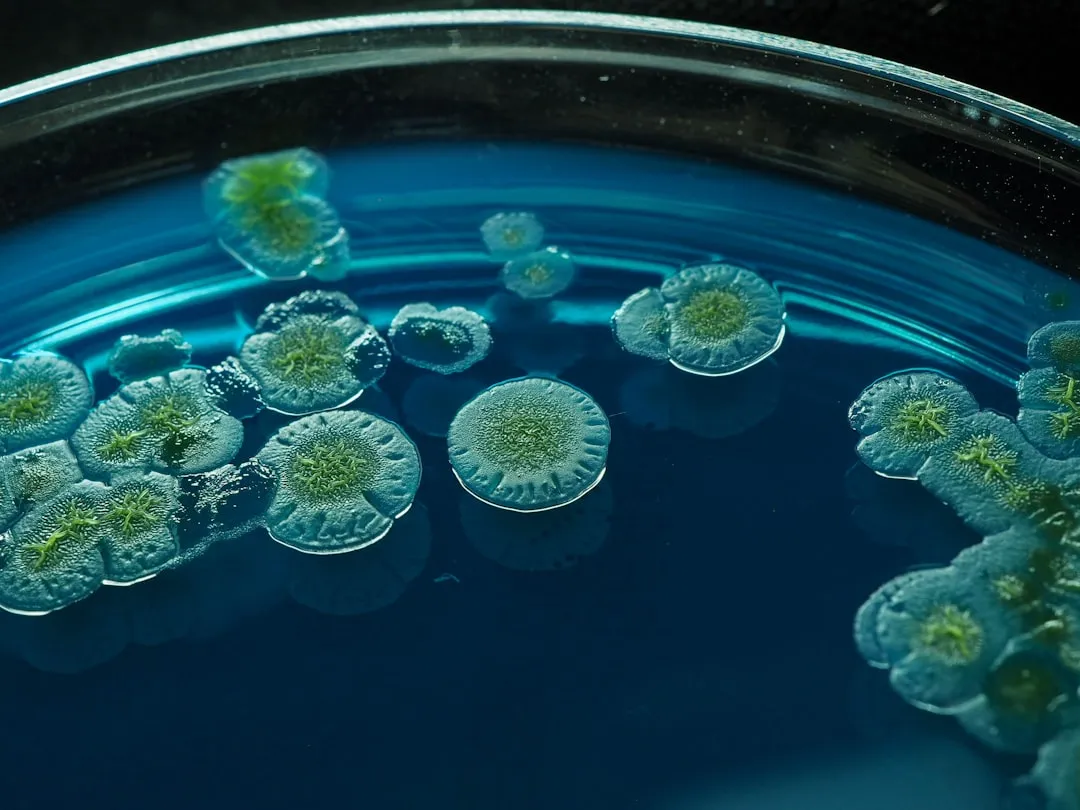
The most common reason for a recall is allergens – like milk, eggs, or nuts that weren’t declared on the label. Other reasons include cases of Listeria, Salmonella, or E. coli contamination. These categories together account for the large majority of all recall actions in any given year.
In 2024, pathogens including Listeria, Salmonella, and E. coli accounted for roughly two-fifths of all food recalls, while undeclared allergens remained the leading single cause, with over 100 individual recalls. The lead contamination issue in cinnamon products also drew significant attention that year.
Recalls because of potential Listeria contamination reached 65 in 2024, compared with 47 in 2023. Recalls related to potential Salmonella contamination hit 41, compared with 27 the year before. There was also a surge in recalls for excessive lead in foods, rising to 13 in 2024 compared with just four in 2023 – all of them involving cinnamon products.
The Real Numbers: What 2024 Showed Us
In 2024, the two agencies announced 296 recalls – a roughly five percent decrease from the 313 recalls in 2023. That headline figure might suggest things were improving. The reality was more troubling.
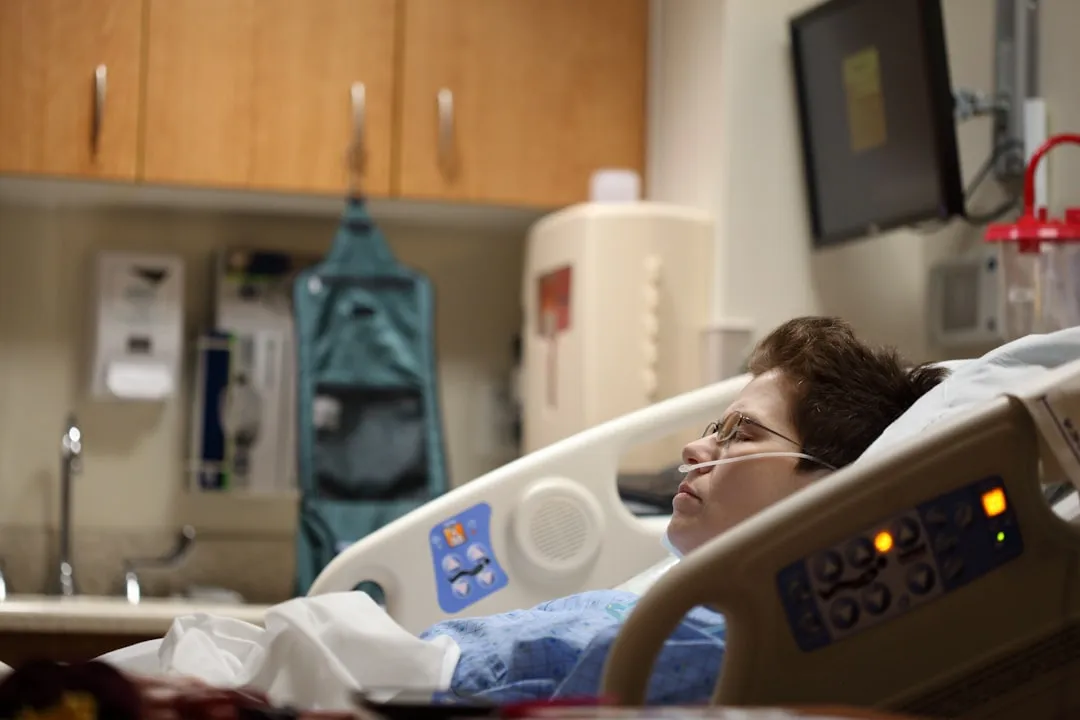
There were 487 people who were sick enough to be hospitalized and 19 who died from an illness related to contaminated food – double the number of hospitalizations and deaths recorded in 2023. High-profile outbreaks tied to products including deli meats, cucumbers, and onions drove much of that surge.
An outbreak of E. coli O157:H7 infections linked to onions on McDonald’s Quarter Pounder hamburgers sickened at least 104 people, hospitalized 34, and killed one person. That single incident became a reminder that even the most familiar, everyday foods carry risk when something goes wrong in the supply chain.
When Retailers Fail to Pull Products
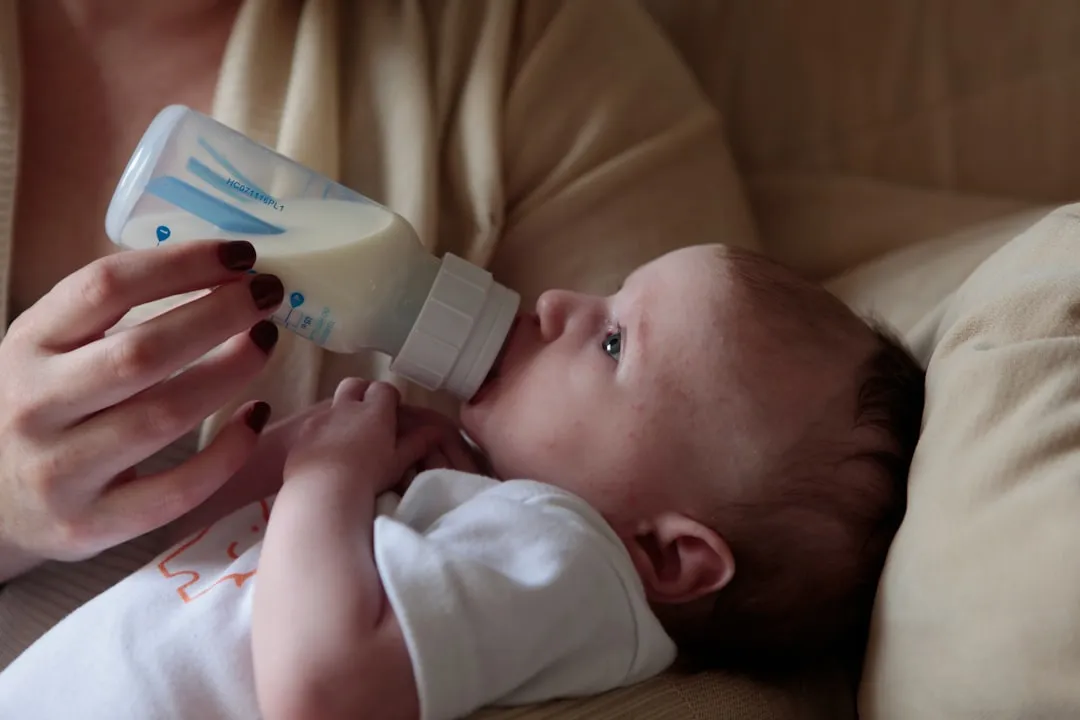
One of the more uncomfortable truths about the recall system is that announcing a recall and actually removing a product from shelves are two very different things. Following a recall of infant formula related to an outbreak of infant botulism, the FDA conducted over 4,000 checks at retail locations across the country. During these checks, officials discovered that recalled product remained available for sale at over 175 retail locations across 36 states.
The FDA sent warning letters to several major retailers for failing to remove recalled infant formula from their store shelves despite being notified of the recall. The agency made clear it viewed this as a serious systemic failure, not just an oversight by individual stores.
Recall timeliness and effectiveness is especially important when the recalled products are infant formula, baby foods, and foods intended for children – among the most vulnerable consumers. The FDA has since pushed for stronger compliance practices across the industry, particularly for products destined for children.
Technology and Traceability: The Evolving Toolkit

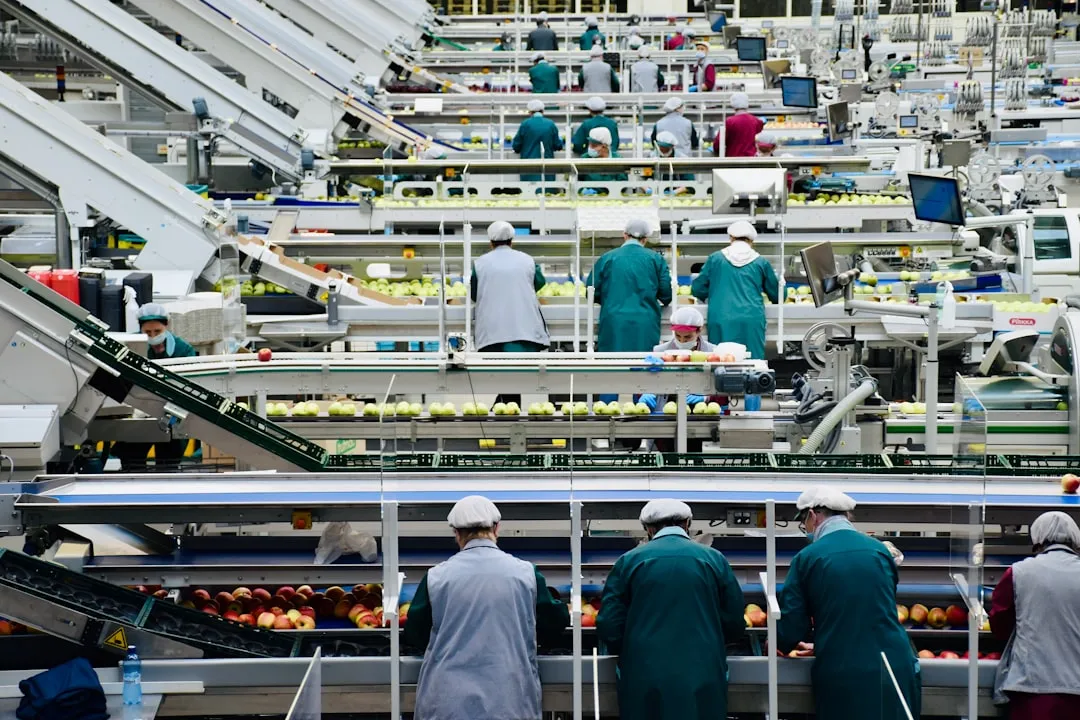
The recall system has always depended on the ability to trace a product backward through the supply chain quickly and accurately. That process has historically been slow and paper-heavy. In an effort to enhance recall effectiveness, the FDA has been adopting advanced technologies such as blockchain for product traceability. These technologies allow faster tracking of recalled items throughout the supply chain, improving the speed and accuracy of recalls.
The Food Safety Modernization Act also grants the FDA greater authority to mandate recalls for potentially dangerous products and enables the agency to require corrective actions for violations even before a recall is formally necessary, encouraging companies to act proactively.
The push for modernization is real, but adoption across a sprawling, fragmented industry takes time. Small producers, regional distributors, and international suppliers don’t all operate on the same systems. Closing that gap remains one of the central challenges for food safety regulators heading into the latter half of this decade.
What Consumers Can Actually Do
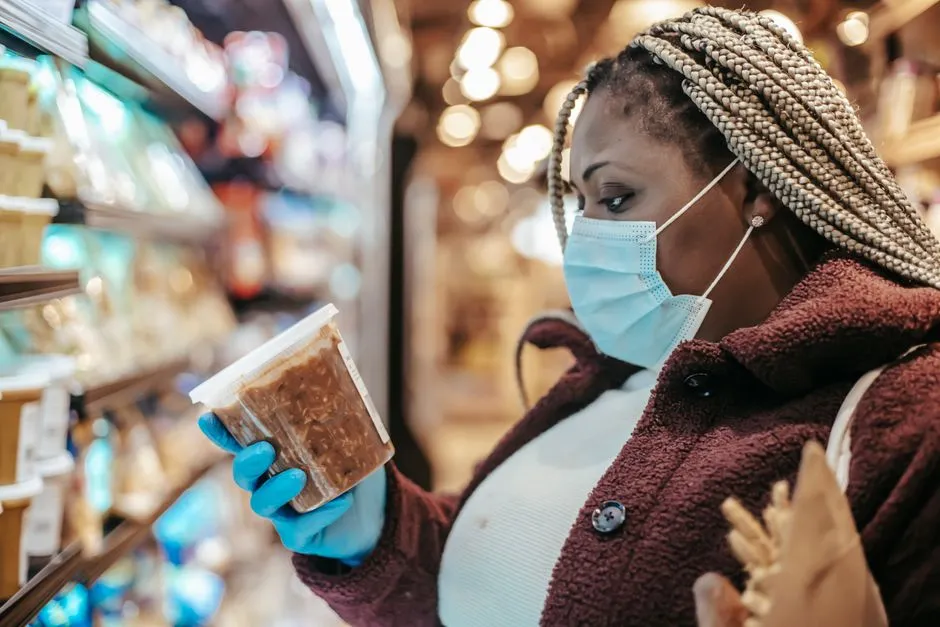
The FDA updates its food recall page every day, and the USDA’s Food Safety and Inspection Service also updates its recall page daily. Staying informed requires only a few seconds of checking, though most consumers never develop that habit until a scare hits close to home.
Food recalls remain active on the FDA’s site until officials are confident the product is no longer available to consumers. In some instances, recalls can remain active for months or longer. That extended window matters for households that stock pantries in bulk or buy non-perishables infrequently.
When a recalled product is already in your home, the guidance is straightforward: do not eat it, even if it looks and smells fine. Most bacterial contamination is invisible. Return it for a refund where possible, or dispose of it safely. If you believe you or someone you know became ill from eating a certain food, contact your local county or city health department. That step matters more than many people realize – those illness reports feed directly back into the system that triggers the next recall.
The Bigger Picture: A System Under Pressure
The national food recall system is better than it was a decade ago. It is also, by many measures, still not good enough. Contaminated food is causing a growing number of illnesses in the United States, and severe cases that lead to hospitalization or death are becoming more common.
Between 2021 and 2025, roughly one-sixth of all food recalls in the U.S. originated from California products – nearly double the share of the next-closest state. The concentration of production in a small number of regions means that a single contamination event can ripple across the entire country within days.
The mechanics of a recall – the phone calls, the warehouse holds, the shelf checks, the press releases – are well established. What’s harder to guarantee is speed, completeness, and follow-through at every link in a very long chain. That gap between policy and execution is where people get hurt, and it’s the part of the system still most in need of improvement.
The Takeaway
A national food recall is far less automatic than most people assume. It involves two agencies with different authorities, companies that technically make the first call, a three-tier classification system, and a supply chain that must be unwound under time pressure. The system works well enough most of the time – but “most of the time” is a phrase that offers little comfort when an outbreak doubles in severity in a single year.
The best thing the average consumer can do is stay informed, check product lots against recall databases, and report illnesses promptly. The system depends on that feedback loop more than it usually lets on. When it works, recalls happen faster. When it doesn’t, the consequences show up in hospitalization statistics.
AI Disclaimer: This article was created with the assistance of AI tools and reviewed by a human editor.