
Baby Boomers: The Traditional Default Hosts

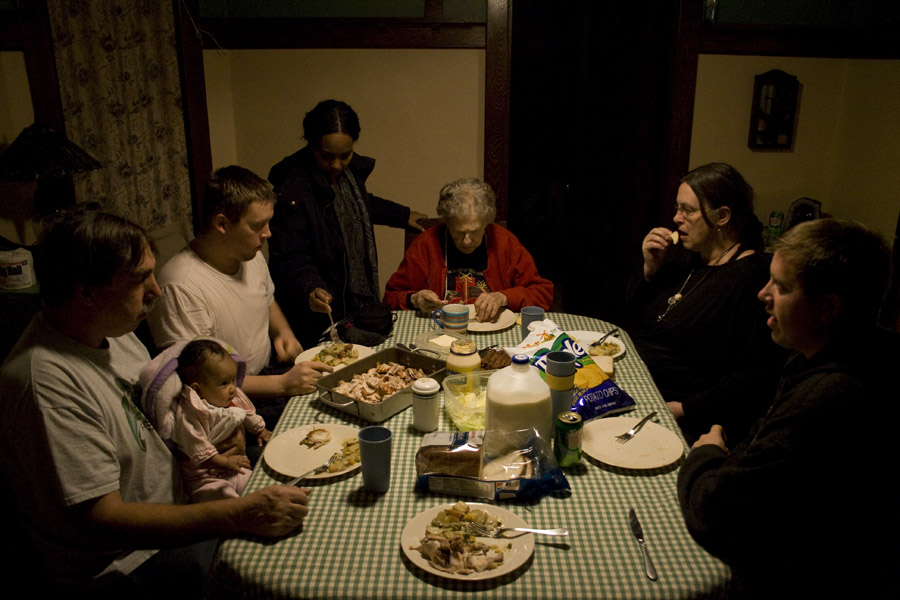
For decades, the hosting question in most American families had one default answer: the Boomers. Born between 1946 and 1964, this generation grew up with a clear picture of what the holidays were supposed to look like, and many have held onto that vision with real consistency. Baby Boomers remain the largest generation and make up roughly a third of U.S. households, and they built much of their family identity around being the gravitational center of the gathering.
When it comes to holidays, Baby Boomers embrace the familiar. Research from Mintel found that in 2024, nearly half of U.S. Baby Boomers plan to travel to a destination they had previously visited, which reflects that same preference for known, comfortable territory at home as well. The same instinct that drives repeat vacation destinations also drives a preference for hosting at the same house, the same table, year after year.
Meanwhile, data from PwC’s 2025 Holiday Outlook found that average spending for Baby Boomers is actually up compared to 2024, making them one of the few generations currently increasing their holiday investment rather than pulling back. That willingness to spend more reinforces their comfort with taking on the financial and logistical weight of hosting.
Gen X: The Overlooked Middle Generation

Generation X, born between 1965 and 1980, often gets left out of generational holiday conversations. They’re squeezed between the cultural dominance of Boomers above them and the numerical weight of Millennials below. Yet in practice, Gen X shoulders a disproportionate share of the holiday hosting burden, often managing expectations from both directions simultaneously.
Gen X are described as the top purchasers in the United States, becoming empty nesters with disposable income and spending significantly on consumer goods annually. That financial stability, combined with their children reaching adulthood and their own parents aging, puts Gen X squarely in the planning seat for many family holidays.
Visier’s data highlights a clear generational divide: younger employees, Gen Z at roughly two in five and Millennials at roughly half, are significantly more interested in attending social gatherings than their Gen X counterparts, of whom only about one in five say the same. Gen X’s lower enthusiasm for collective socializing may partly explain why they tend to host more quietly and with less fanfare than either the generation before or after them.
Millennials: Stepping Up, but on Their Own Terms

Millennials, now solidly in their thirties and early forties, have started taking on hosting in a meaningful way. The data from the American Express Trendex report, cited by WWD in 2024, makes this shift concrete. A strong majority of Millennial and Gen Z consumers said they are taking on hosting responsibilities as much or more compared to the previous year’s holiday season, with nearly seven in ten planning to co-host. To do it well, roughly six in ten said they begin planning at least one month in advance.
Looking at generational differences in holiday behavior, Millennials tend to travel more for Christmas than other age groups, reflecting a generation that is equally comfortable gathering at someone else’s home as at their own. Hosting and traveling are not mutually exclusive for this group; they tend to rotate both roles depending on the year and the family dynamics involved.
Millennials are allocating roughly three in five dollars of their holiday budget toward family gifts, which signals that the people around them remain their primary holiday priority. That family-first orientation naturally extends to who opens their home.
Gen Z: Hosting Less but Engaging Differently

Gen Z, the youngest adult generation, is still largely in a guest rather than host role, driven partly by where they are in life and partly by genuine financial pressure. Gen Z respondents, many dealing with major life transitions and early careers in a tough job market, often without much in savings, say they expect to reduce their holiday budgets more than any other generation. Hosting a gathering requires space, supplies, and time, all things that are genuinely harder to come by in your mid-twenties.
Gen Z is directing roughly two in five dollars of its smaller holiday budget toward self-gifting rather than others, which also reflects a generation that is still building rather than distributing. That’s not indifference toward family; it’s a reflection of where they are economically.
The American Express Trendex report found a spike in enthusiasm for stepping back from traditions, and nearly three quarters of Millennial and Gen Z respondents said they would prefer to share a fun experience or trip over traditional gift exchanges. For Gen Z, the question of who hosts may matter less than what the gathering actually feels like.
The Co-Hosting Trend Gaining Ground Across Generations

One of the clearer shifts in recent years is the move away from one person bearing the entire weight of the holiday. Co-hosting, where two or more people or households share planning, cooking, and costs, is increasingly common. The American Express Trendex data found nearly seven in ten Millennial and Gen Z respondents planning to co-host rather than going it alone.
This makes practical sense. Holiday hosting carries real costs in time and money, and distributing those across two families or siblings reduces friction while keeping everyone involved. The model also sidesteps the generational tension of who “should” host by simply making it a shared project.
The co-hosting model appears to be especially appealing to younger adults who want to be part of building traditions without feeling overwhelmed doing so alone. It reflects a broader cultural shift toward intentional participation over inherited obligation.
The Pandemic’s Lasting Effect on Who Opens the Door

The COVID-19 years reshaped holiday expectations in ways that are still unfolding. The pandemic permanently reshaped holiday expectations. Large, loud, multi-day gatherings have lost appeal, replaced by more intentional traditions focused on comfort and authenticity. That shift changed who volunteers to host, and how.
Many Americans now prefer smaller, more manageable gatherings at home, or choose to host only those whose presence feels meaningful. Even those who enjoy the holidays are seeking more relaxed, low-pressure ways to celebrate. Hosting a smaller group is a fundamentally different commitment than managing a 25-person Thanksgiving, and more people are opting for it now.
The practical consequence is that fewer homes are trying to accommodate everyone, which means the hosting decision is also a decision about who gets included. That’s a meaningful shift in how families negotiate the holidays, one that cuts across all generations.
Gathering Frequency Is Declining, Especially Among Younger Adults
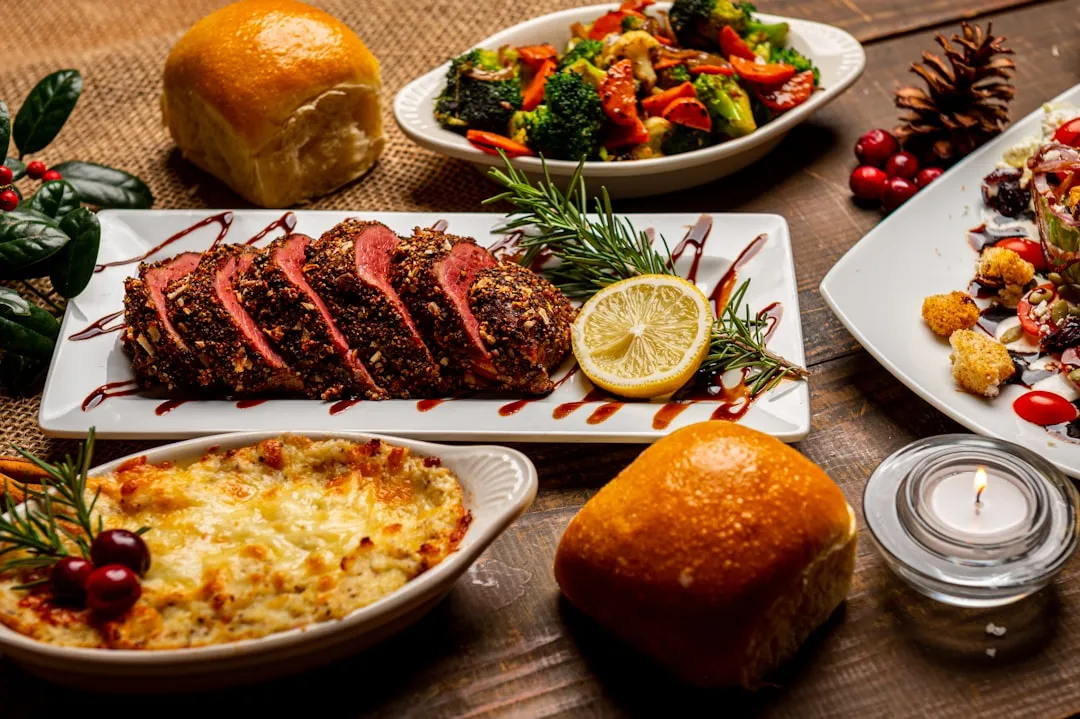
A Talker Research holiday survey conducted for Chinet in 2024 showed early signals that Americans were already scaling back their winter social calendars. Attendance dropped from an average of five gatherings in 2023 to three in 2024. While excitement for the season remained, people began choosing smaller, more intentional events over larger, more traditional ones.
Fewer gatherings means fewer occasions where the hosting question even needs to be answered. Some families are simply meeting less often, which can reduce conflict but also means traditions are maintained less consistently across generations.
Research from Visier found that nearly two thirds of employees reduced or completely stopped attending company events after work hours, and this mirrors the broader cultural pullback where people are increasingly protecting their free time. That same protective instinct applies at the family level, and it affects who is willing to take on the host role at all.
Family Tension and the Politics of the Table

Hosting is not just a logistics question. It’s also a power question, and in recent years, political and social tension has made it a more fraught one. Nearly half of Americans expect heated discussions at holiday events, often driven by political disagreements, family drama, or generational clashes, and this was especially true in 2024, when families were gathering during a highly discussed election period.
According to a LifeStance survey released in October 2024, roughly four in five Americans reported experiencing anxiety related to the 2024 U.S. presidential election. Younger adults were particularly affected and were far more likely to experience moderate to significant anxiety. When the dinner table feels politically charged, some younger adults quietly step back from hosting, preferring to attend rather than hold the space.
That dynamic can quietly reinforce the default of older relatives hosting, not because they volunteered enthusiastically, but because no one younger stepped in. It’s a passive pattern that perpetuates itself until someone names it.
Travel vs. Hosting: A Growing Alternative

For some generations, the answer to who hosts is simply nobody in the family. More Americans, particularly younger ones, are choosing to travel during the holidays instead of gathering at a relative’s home. According to research from Hopper Technology Solutions, the majority of Americans are expecting to travel for the holidays, with roughly three in four traveling for Christmas and more than three in five traveling for Thanksgiving.
American Express’s research found that Millennials and Gen Z are increasingly opting to travel over the holidays rather than visiting family and friends. That doesn’t mean they’re opting out of the season, it means they’re redefining what celebrating it looks like.
Households with children are statistically more likely to travel for Thanksgiving, and similarly more likely to travel for New Year’s compared to households without children. The presence of kids actually increases travel rather than anchoring families in one location, which shifts the hosting question away from any single elder’s home.
Financial Pressure as a Hidden Factor in Hosting Decisions

Behind every decision about who hosts sits a financial reality that rarely gets named out loud. Hosting costs money: groceries, additional seating, décor, and often travel reimbursement for guests who come from far away. Those costs land very differently depending on your generation and current life stage.
Gen Z and Millennial consumers are two to four times more likely than Gen X and Baby Boomers to use buy-now-pay-later programs, take out a loan, or borrow money from family or friends to purchase holiday gifts. If younger adults are already stretching to cover gifts, assuming hosting costs on top of that is a significant additional burden.
Even with expectations of spending slightly less in 2025, consumers remain committed to preserving cherished traditions. Gift spending is down compared to 2024, while travel and entertainment are holding steady. The pattern is clear: people are protecting the experience of the season even while cutting costs elsewhere, and the host is often the one absorbing what everyone else saves.
The Takeaway
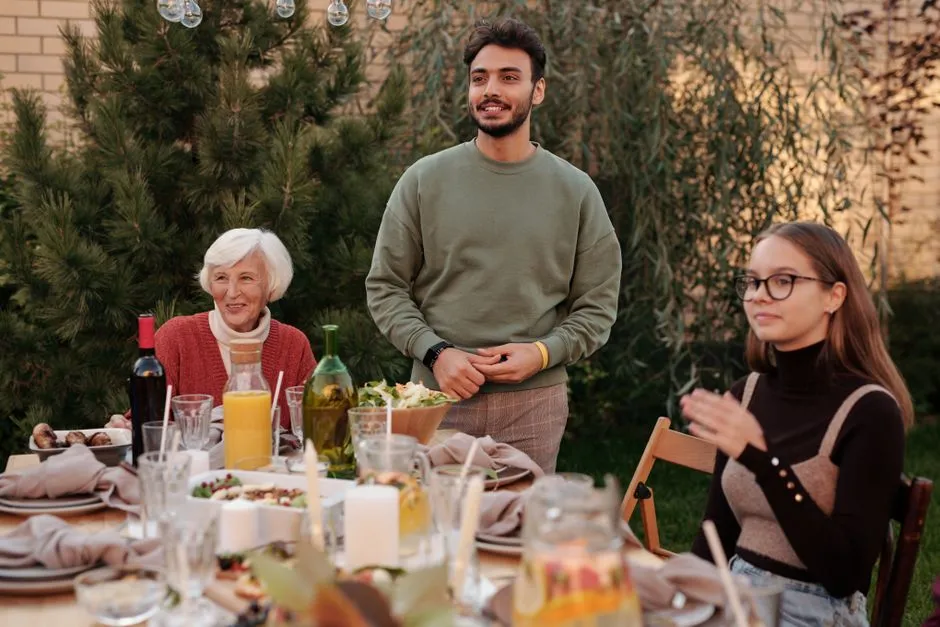
The question of who hosts the holidays is never really just about logistics. It’s about who feels capable, who feels obligated, who feels welcome to volunteer, and who has the financial and physical capacity to pull it off. Each generation is navigating that question from a meaningfully different position.
Boomers lean on tradition and stability. Gen X gets it done quietly. Millennials are stepping up with intention, often co-hosting rather than going solo. Gen Z is still figuring out its role, while the overall cultural tide is pulling toward smaller, more deliberate gatherings for everyone.
The families that handle this best tend to be the ones who talk about it plainly, without assuming the arrangement from last year is still working. Hosting habits inherited by default have a way of generating more resentment than gratitude over time. A brief, honest conversation before the season starts tends to be worth far more than the negotiation that happens in its absence.
AI Disclaimer: This article was created with the assistance of AI tools and reviewed by a human editor.