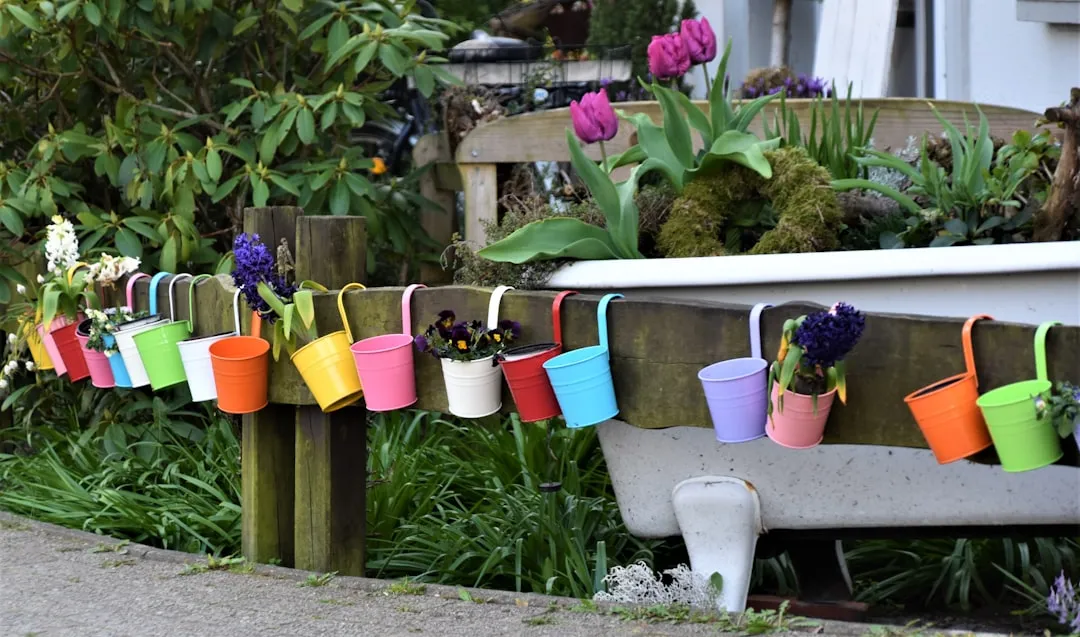

Most people assume that growing meaningful amounts of food at home requires a generous yard, good native soil, and years of experience. That assumption keeps a lot of potential gardeners on the sidelines. The reality is quite different.
A handful of five-gallon buckets arranged on a balcony, driveway, or rooftop can produce a genuinely useful supply of vegetables across a single season. It’s not a compromise method. It’s a surprisingly capable system once you understand what it actually requires.
Why More People Are Turning to Buckets Right Now
Around 55 percent of American households now engage in some form of gardening, translating to roughly 71.5 million households and more than 185 million people. Within that number, container and bucket gardening has quietly grown into one of the most accessible entry points. A 41 percent increase was recorded in people doubling their gardening time in 2025 compared to 2024, a trend that aligns closely with growing interest in sustainability and at-home food production.
Bucket gardening is particularly practical for renters who cannot modify soil or build structures, for patio and balcony growers with under 50 square feet of outdoor space, and for first-time gardeners who want low financial risk before committing to larger infrastructure. The combination of low startup cost and flexibility is hard to beat for anyone working within tight physical or financial limits.
The Basic Setup: What You Actually Need
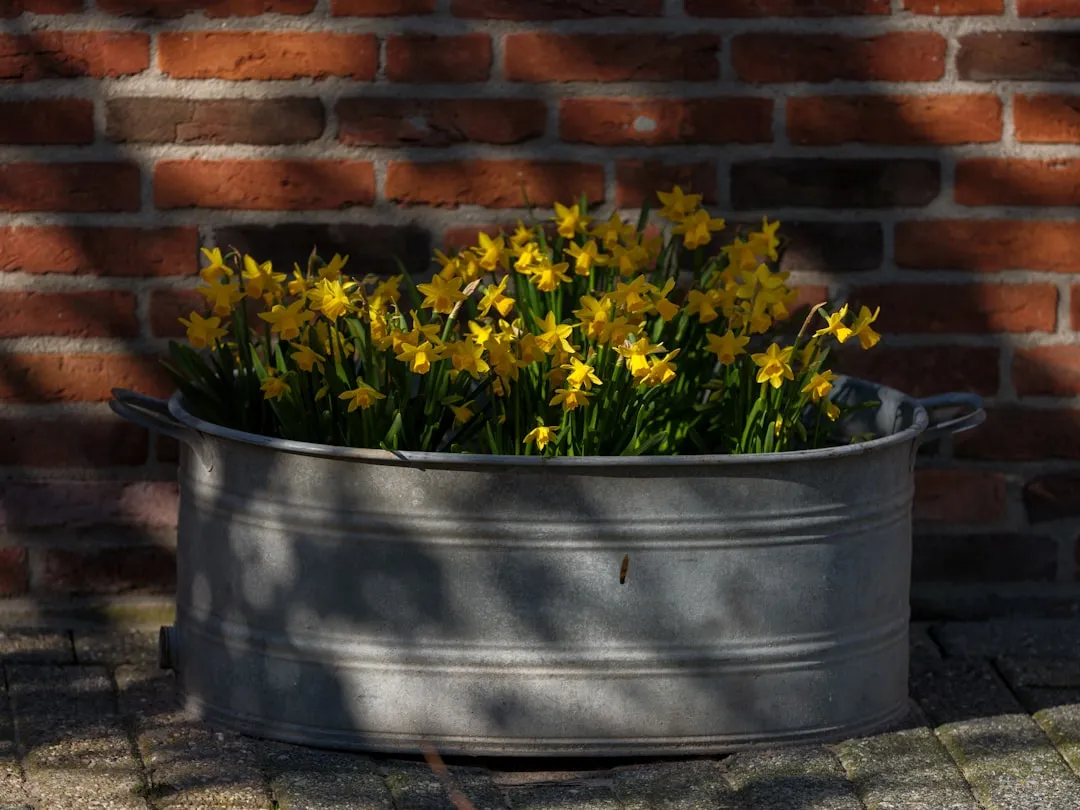
A bucket garden uses food-grade five-gallon containers with drilled drainage holes and a loose soil mix to grow one vegetable per bucket, requiring no raised beds, no yard, and no lease violations. A functional setup can be running in under two hours for roughly $15 to $30 per bucket, depending on whether you source containers free or buy new.
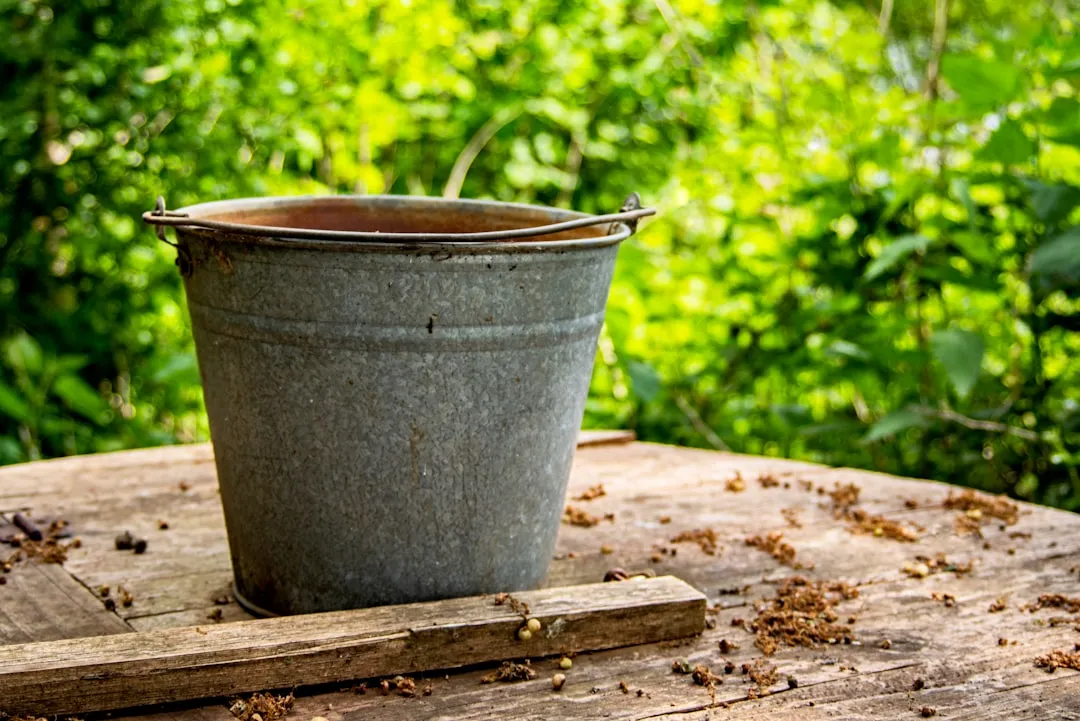
Food-grade five-gallon buckets provide a completely safe environment for growing vegetables, but the critical factor is ensuring you select appropriate food-grade containers that haven’t previously stored potentially harmful substances such as paint, chemicals, or pesticides. Dark buckets also get hot in direct sun, and that heat transfers straight to the roots, which can stress the plant badly by midsummer. A light-colored bucket stays cooler.
Drainage: The Step You Cannot Skip
Drill a minimum of five to six holes, each roughly half an inch in diameter, spaced evenly across the bottom of the bucket. Place one additional hole on each side about one inch up from the base to prevent standing water if the bucket sits on a flat surface. According to container gardening research summarized by Penn State Extension, inadequate drainage is the leading cause of root rot in containers.
Plastic buckets will require drainage holes, and while some plants need better drainage than others, all will need some way for excess water to escape. If your containers are placed on a hard surface, consider placing support structures below so water can drain more freely. This simple step separates a thriving bucket garden from a waterlogged one.
Choosing the Right Soil Mix
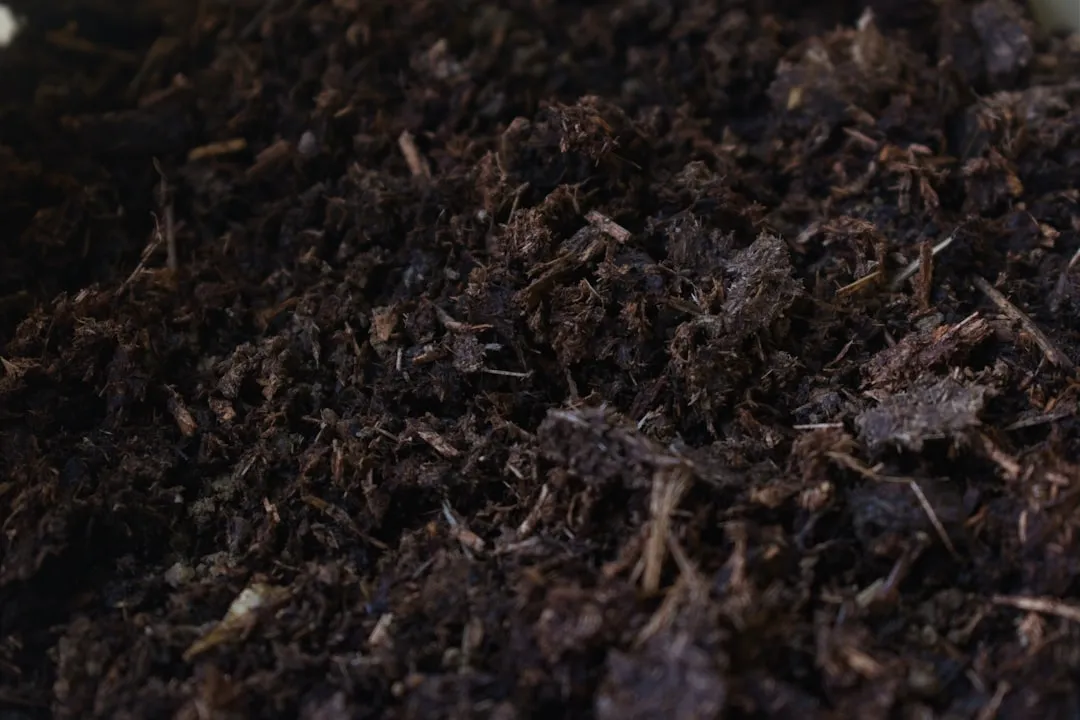
Garden soil doesn’t work in containers. It compacts down, drains badly, and turns into something that resembles concrete in a bucket after a few weeks. A proper potting mix, ideally one made for vegetables or containers, is essential. The proper soil can double yields compared to poor mixes, making it the single most significant factor in container gardening success.
A reliable mix by volume is 40 percent mature compost, 40 percent peat moss or coconut coir, and 20 percent perlite. A potting mix designed for containers should ideally include peat moss, perlite or vermiculite, and compost, since compost is a powerhouse ingredient that adds nutrients, structure, and beneficial microbes. Stick to this ratio from the start and you’ll avoid the most common reason bucket gardens underperform.
The Best Vegetables to Grow in Buckets
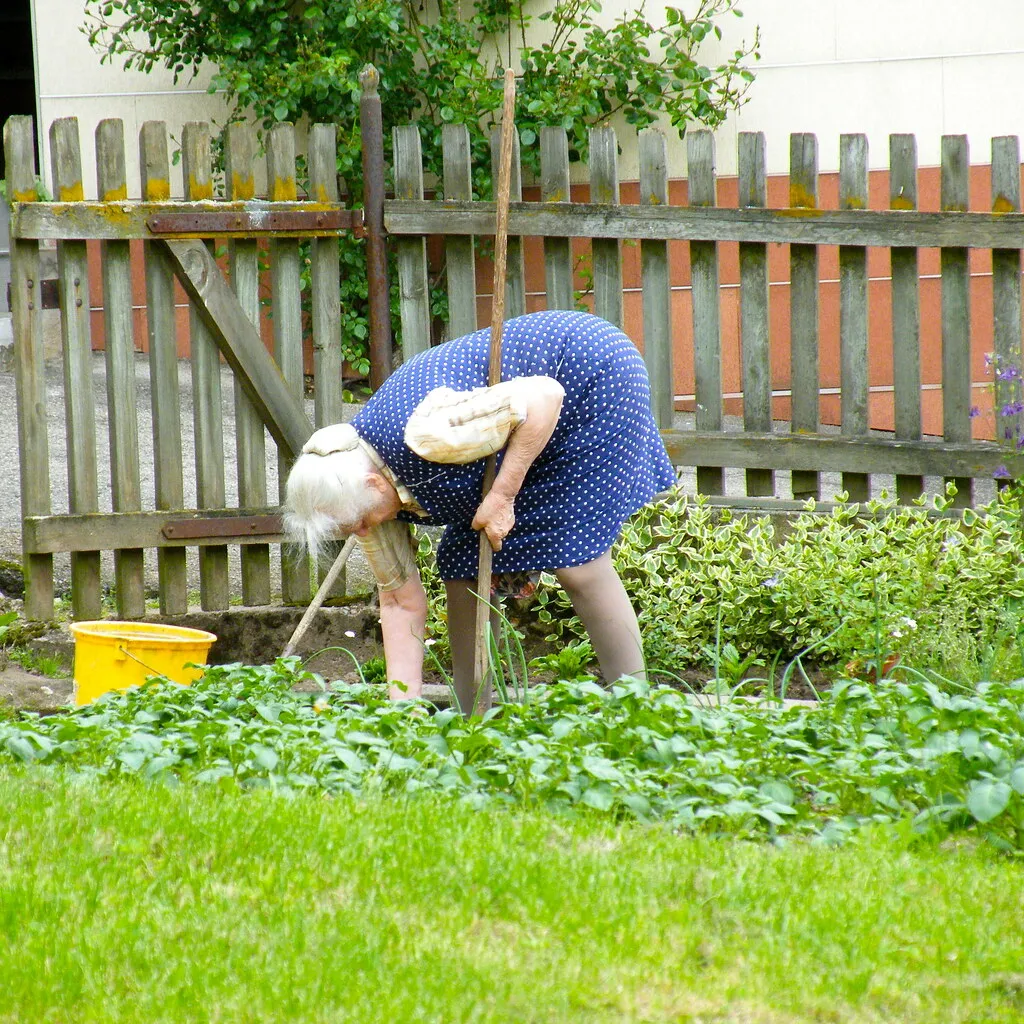
Several vegetables perform exceptionally well in bucket gardens, including fruiting vegetables like eggplants, tomatoes, peppers, and tomatillos; vining plants like cucumbers and pole beans; leafy greens like cabbage, broccoli, chard, lettuce, spinach, and kale; and root vegetables like carrots, radishes, beets, and turnips.
Crops like cucumbers and pole beans climb upwards, saving ground space, while lettuce, kale, and spinach varieties allow for multiple harvests throughout the season. Tomatoes remain the most popular homegrown vegetable overall, found in 86 percent of food gardens. They thrive in buckets when the right variety is chosen, and they reward consistent care with a generous yield.
Growing Tomatoes in Buckets: What the Evidence Shows
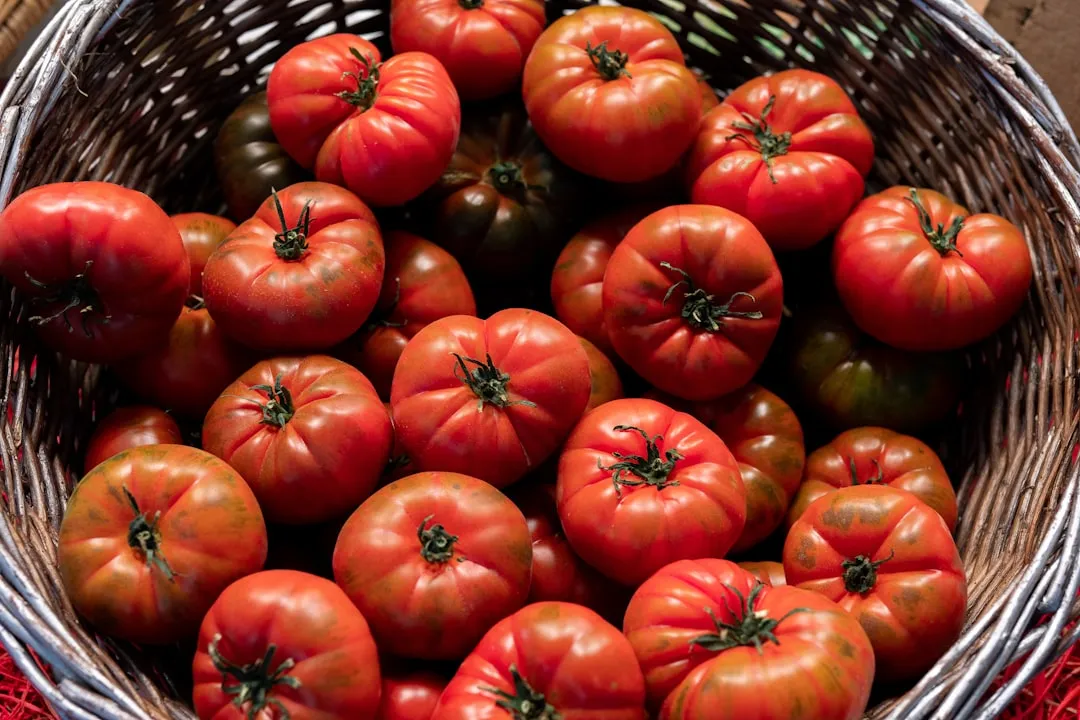
Determinate tomato varieties are ideal for container gardening due to their compact growth and finite fruit production, making them well-suited for the limited space of a five-gallon bucket. Recommended determinate options include Roma, Patio, Celebrity, Rutgers, or varieties labeled as dwarf. Determinate tomatoes are smaller plants that grow more like a bush, while indeterminate tomatoes are large plants that grow more like a vine.
Five-gallon buckets, with over 14 inches of depth and 11-plus inches of circumference, have plenty of space for strong root growth. Success with larger varieties is all about developing healthy, strong roots, since an extensive root system is critical for supplying plants with the moisture and energy they need. Tomatoes grow best in a location with full sun, meaning they will need at least six hours of direct sunlight for the best growth and flavor.
Watering and Fertilizing in a Confined Space
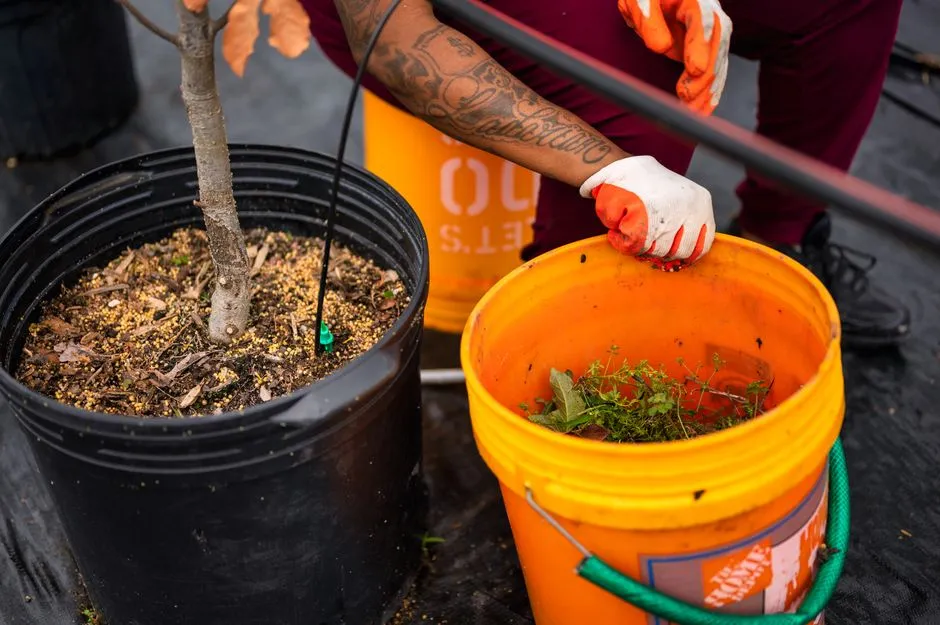
Bucket gardening is more water efficient than traditional plots. By watering individual containers, you can tailor moisture levels precisely to the needs of each plant, avoiding the overwatering that occurs in larger garden plots, which is especially beneficial during drought conditions or in areas with water-use restrictions.
The key to keeping tomatoes growing well in buckets is consistent watering. Tomatoes planted in five-gallon buckets will need frequent watering to keep plants hydrated. Fertilizing crops is even more important in a bucket because of the limited space, which means plants use up the reduced nutrients faster. Mix in compost or fresh soil at the beginning of the planting and add liquid fertilizer at least twice monthly.
Self-Watering Bucket Systems for Lower Maintenance
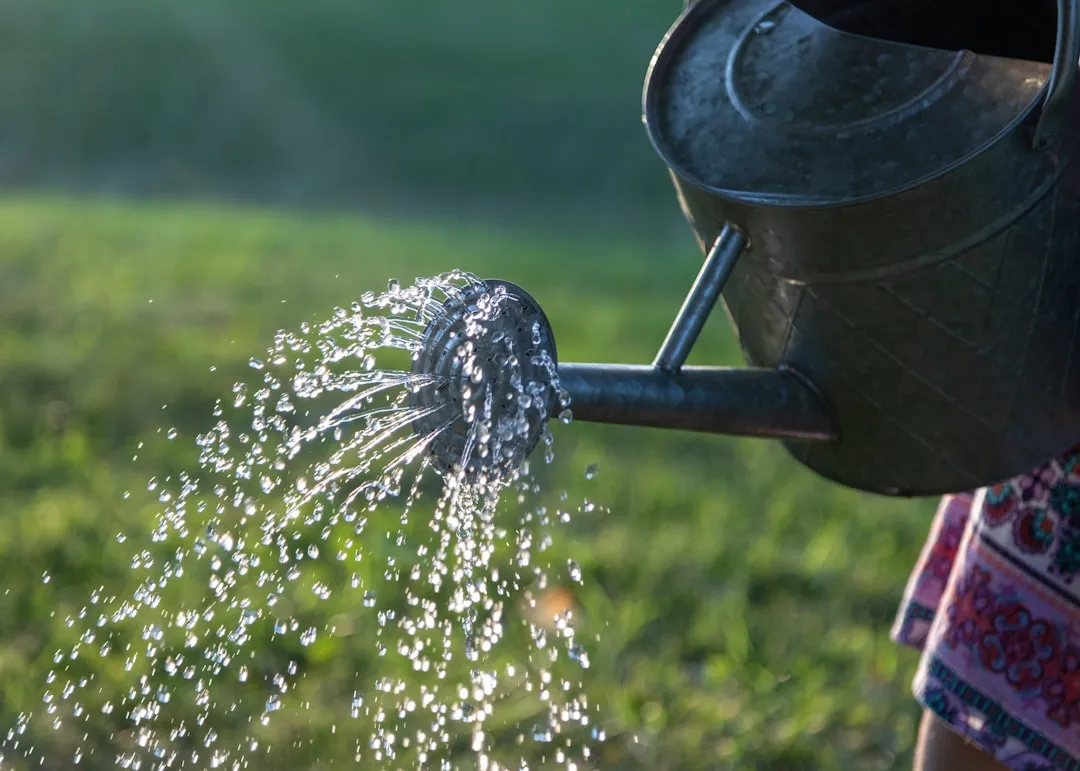
The self-watering five-gallon bucket system is a remarkably efficient and accessible method for cultivating a thriving garden, even in the smallest of spaces. By combining the principles of sub-irrigation and upcycling common materials, this approach delivers consistent moisture to plant roots, drastically reduces watering frequency, and minimizes the risk of common gardening setbacks.
The growing medium in these systems is critical, and finished compost becomes particularly valuable. By mixing nutrient-rich compost into the soil, you feed your plants a continuous, slow-release meal, creating a closed-loop system where kitchen scraps become fuel for food production. For gardeners who travel or simply want less daily maintenance, this setup is genuinely worth building.
The Real Productivity Numbers
Precise growth predictions depend on many variables, including plant variety, growing conditions, and care practices, but properly maintained plants in five-gallon buckets can achieve impressive sizes and productivity levels. The contained environment, when properly managed, often supports robust growth that yields substantial harvests throughout the growing season.
You would be surprised at the number of vegetables that can be produced in a very small area. A cherry tomato seedling project in Piscataquis County averaged over $9.50 worth of cherry tomatoes from each seedling. The average U.S. garden already produces around $600 worth of food annually. Scaling a bucket garden across even a dozen containers on a patio can start to contribute meaningfully to that figure.
Common Mistakes That Quietly Sabotage Your Harvest
Planting two tomatoes per bucket is a common error, since root competition reduces yield for both plants. A bucket in full sun on a concrete patio in August can lose one to two inches of moisture per day, so skipping daily checks in hot weather is a serious oversight. Too much fertilizer will create plants with a lot of foliage and growth, but little to no tomatoes.
Yellowing of new growth with green veins points to iron or manganese deficiency caused by pH imbalance. Test soil pH and aim for 6.0 to 7.0 for most vegetables. Slow growth in an otherwise healthy plant is almost always a light problem, so move the bucket before assuming a nutrient gap. Most bucket garden failures trace back to one of these three issues, and all three are easy to prevent once you know what to watch for.
Conclusion: Small Containers, Serious Potential
Bucket gardening won’t replace a full farm. A household relying on homegrown vegetables for a significant share of calories will need more than bucket gardens, since this system works best as a supplement and a learning tool rather than a full food production system. That said, the ceiling for what’s possible on a small balcony or concrete patio is higher than most people expect.
Container gardening offers the advantage of a controlled environment, which helps prevent soil-borne diseases and allows for precise management of growing conditions. With the global garden seeds market expected to rise from roughly $3.7 billion in 2025 to nearly $5.4 billion by 2035, the interest in homegrown food production is clearly not a passing trend. The bucket is just a tool, but in the right hands, it’s a remarkably capable one. Start with three or four, get the soil right, and pay attention to what each plant tells you. The learning curve is short, and the rewards show up on your dinner plate.
AI Disclaimer: This article was created with the assistance of AI tools and reviewed by a human editor.