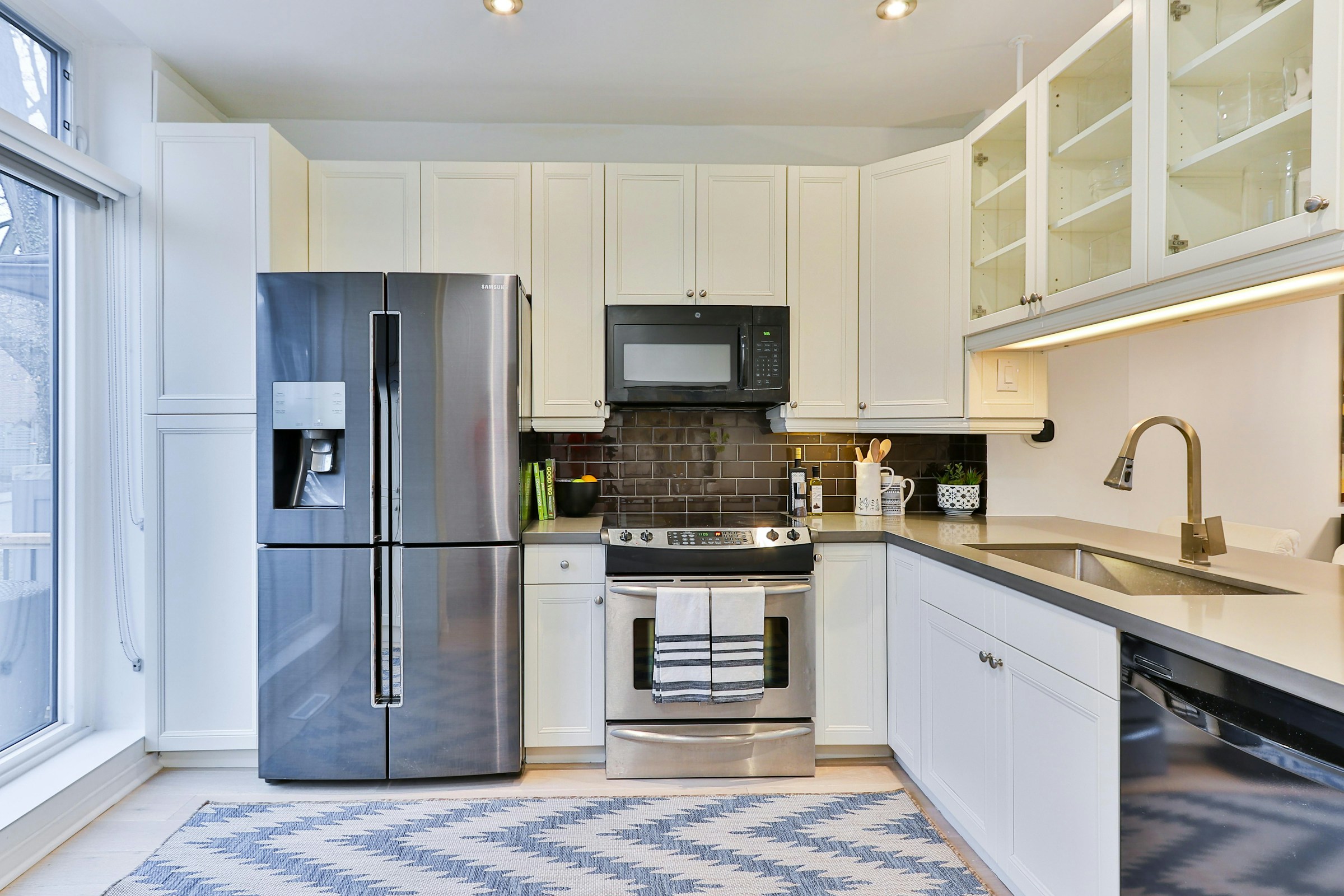

The Boomer’s First Instinct: Act Immediately
Baby Boomers grew up in an era where things were built to last and fixing them was simply expected. Baby boomers are the most likely to respond to a problem immediately, with nearly 69 percent saying they addressed issues “as soon as possible.” That mindset extends naturally from vehicles to household appliances. Leaving something broken is not really part of the Boomer vocabulary.
A 2025 Nationwide survey found that only about a quarter of Baby Boomers delayed routine maintenance last year, compared to more than half of Millennials and Gen Z. Boomers treat a broken appliance as a problem to solve today, not tomorrow. The longer something sits unfixed, the more it costs, and Boomers absorbed that lesson young.
Gen X Spends the Most on Home Repairs
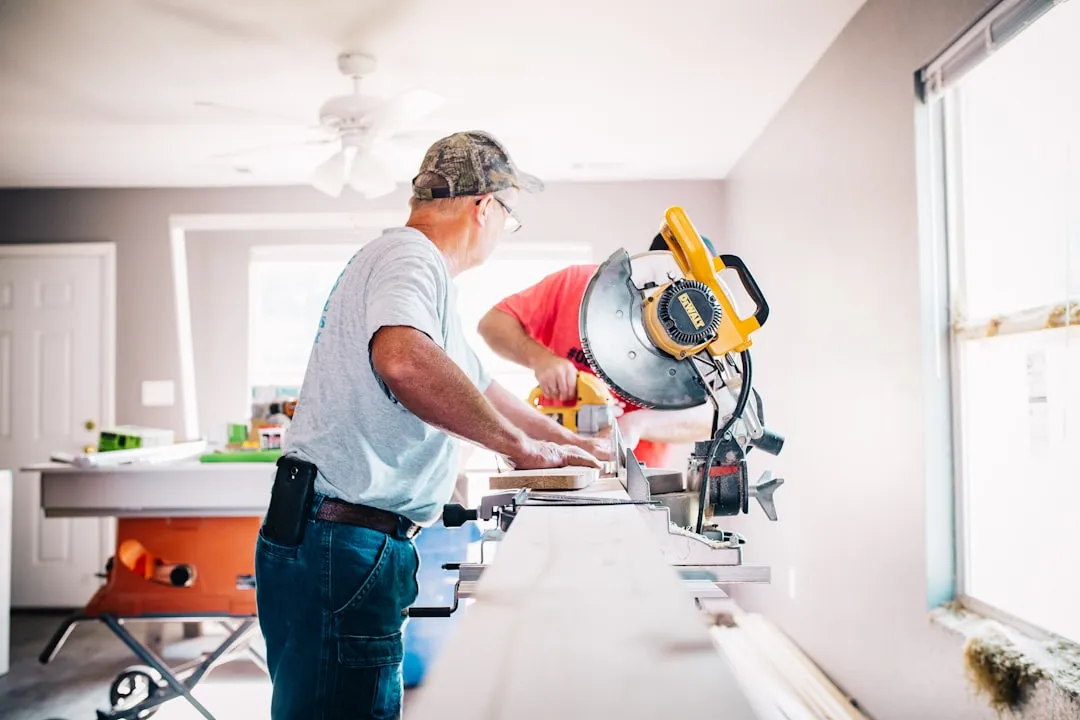
Generation X tends to fly under the radar in most trend discussions, but when it comes to home maintenance spending, they lead every other generation. Gen X already spends the most on home repairs and maintenance of any generation, averaging roughly $3,728 per year. That figure reflects both their life stage and their practical orientation. Most Gen Xers are in peak homeownership years with properties old enough to need ongoing attention.
Millennials and Gen X complete repairs and renovations at higher rates than Boomers overall, though Gen Xers spend about 12.6 percent less than Millennials on home improvement projects annually. Where Gen X stands out is in the unglamorous, functional side of homeownership. They fix things because they have to, and they do it methodically.
Millennials Spend More, but Delay More Too
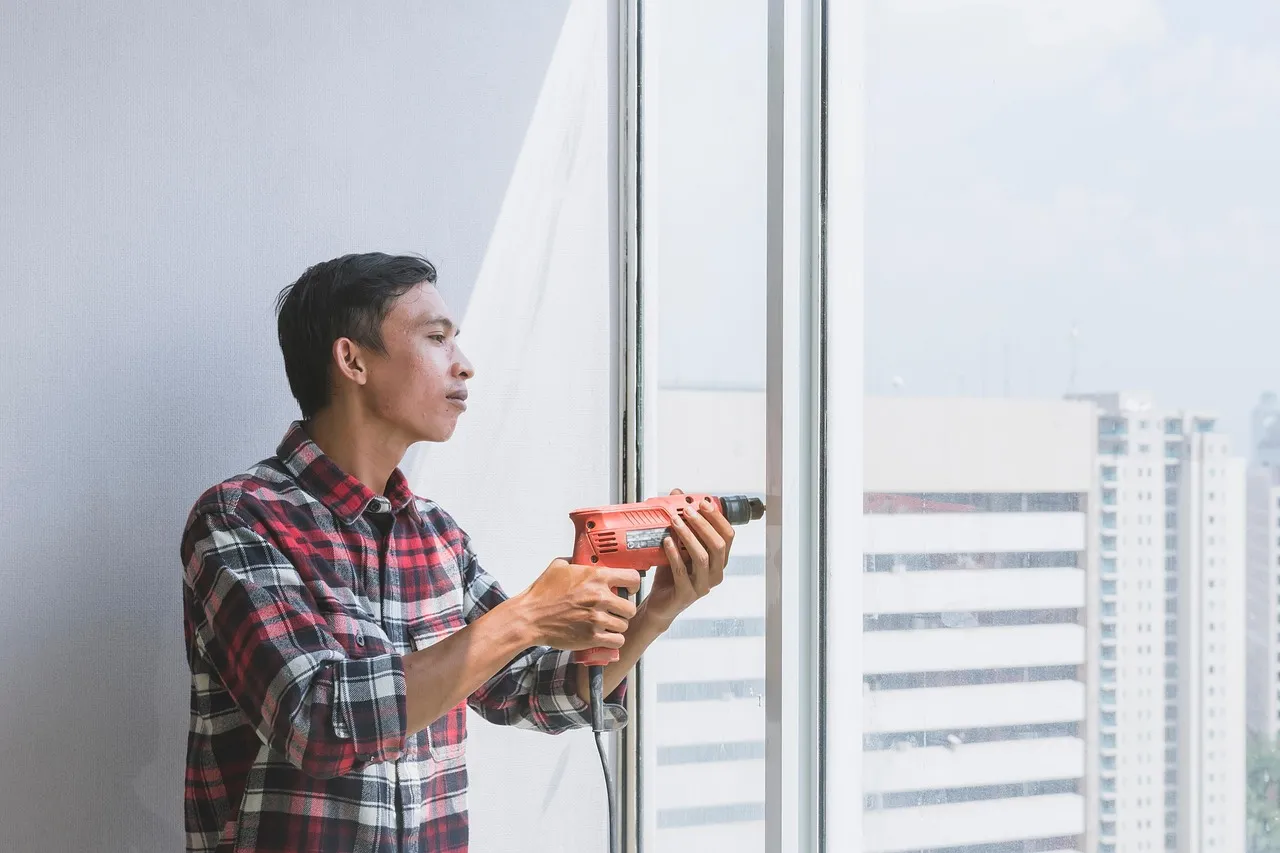
Millennials present a genuine contradiction. They spend aggressively on home improvement, yet they are far more likely to postpone the actual repair work. According to Angi’s 2024 State of Home Spending Report, Millennials prioritized maintenance by spending an average of $2,316 on upkeep annually. That is a meaningful commitment, and it signals that they do care. The problem is often timing.
Nearly half of Millennial homeowners plan to increase their home improvement spending over the next twelve months, compared to roughly a third of Gen Xers and just over a quarter of Boomers. Enthusiasm is there. The follow-through is where the generational gap shows up most clearly. Millennials are more likely to research the repair thoroughly, plan a weekend for it, and push it back twice before getting started.
Who Actually Picks Up a Screwdriver
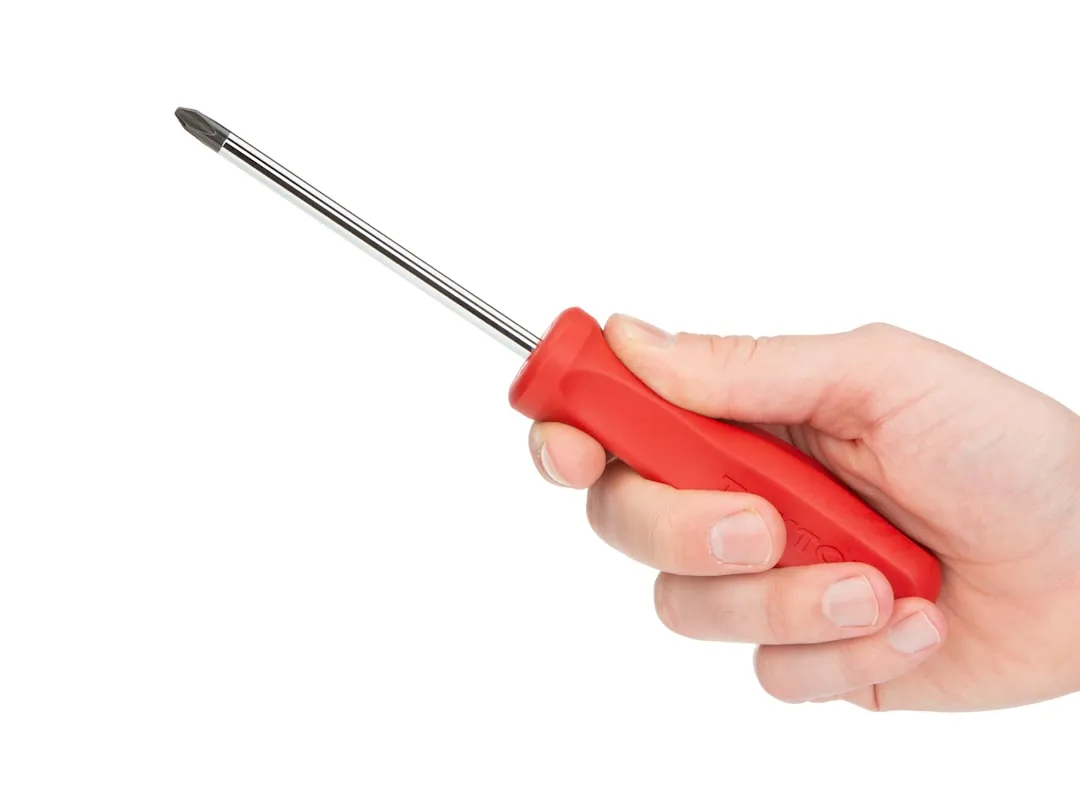
Self-confidence with home repairs varies significantly across generations, and the results are somewhat counterintuitive. While roughly three quarters of Millennials say they feel confident fixing things around the house, that number drops to just 53 percent for Baby Boomers. Boomers may act immediately, but they are also more likely to hand the job to a professional rather than attempting it themselves.
A 2025 Nationwide survey found that 71 percent of homeowners overall are handling routine maintenance themselves instead of hiring contractors. Gen X sits comfortably in the hands-on middle ground here, often combining learned skills with a realistic sense of when a job requires backup. Millennials possess more intermediate DIY experience than older homeowners, which includes tasks like installing flooring or replacing a window.
The YouTube Generation and the Repair Tutorial

For anyone under fifty, a broken appliance increasingly begins with a search query. YouTube is the go-to repair guide across all age groups, with over half of respondents saying they rely on videos to figure out how to fix something. But how each generation uses those resources differs. Millennials tend to cross-reference multiple tutorials before touching anything. Gen X watches one video and gets to work.
For Gen Z, TikTok is used as frequently as YouTube for DIY guidance, while Millennials also turn to Facebook and Instagram for tips. Boomers are far less likely to consult social media at all for repair help. They either know how to do it, call someone who does, or read the printed manual that they actually kept in a kitchen drawer.
Replace or Repair? A Generational Fault Line
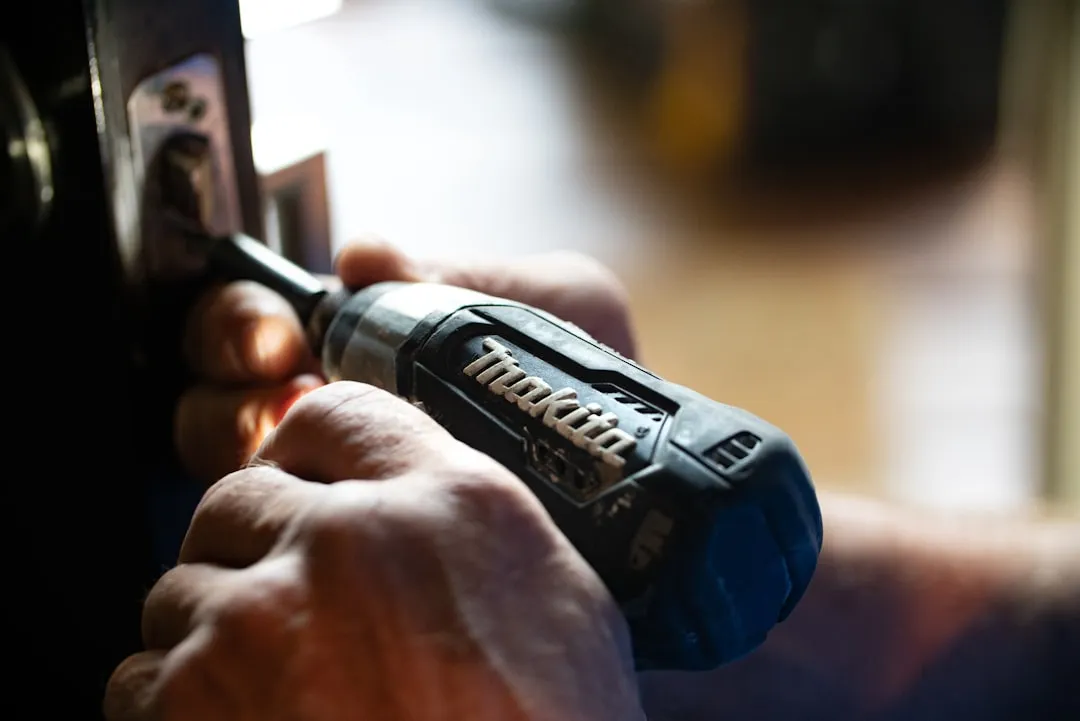
The decision to fix something or simply buy a new one breaks sharply along generational lines. Across the U.S. population generally, about 58 percent of consumers replace rather than repair when a major appliance breaks. Boomers historically lean toward repair, largely because they grew up in households where throwing something out prematurely felt wasteful. Millennials, by contrast, are more comfortable replacing an appliance if the economics make sense.
The decision to repair or replace typically relies on three main factors: the 50 percent rule, appliance age, and how frequently the appliance has broken down before. The 50 percent rule is straightforward: if repair costs exceed half the price of a new appliance, replacement becomes the rational choice. Boomers often push past this threshold out of habit. Millennials tend to calculate it more deliberately.
The Role of Rising Costs in Every Generation’s Decision
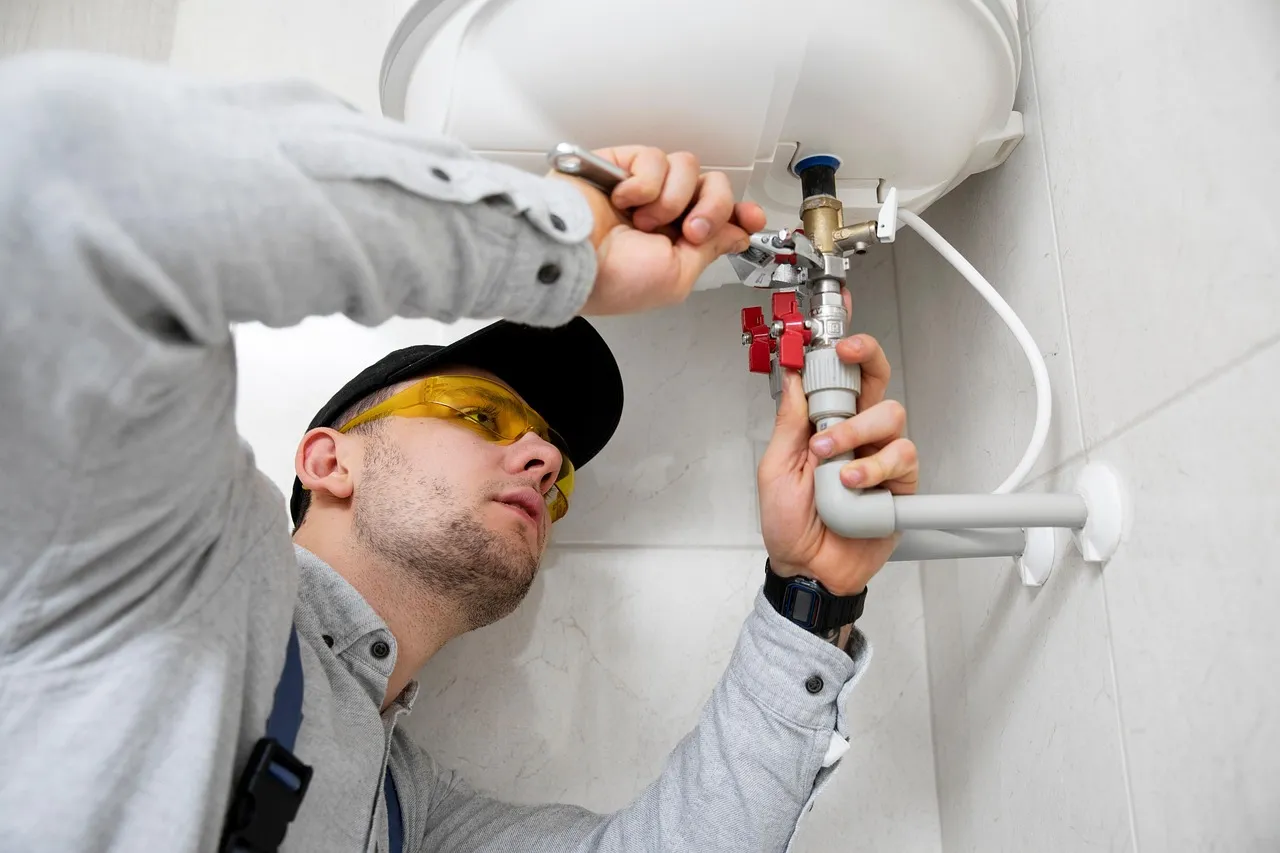
Appliance economics have shifted noticeably in recent years, pushing all three generations closer to the repair side of the ledger. The U.S. appliance repair industry reached $7.0 billion in revenue in 2025, growing as rising appliance prices push homeowners to repair rather than replace. That growth reflects a real shift in consumer behavior driven largely by cost pressure. A new refrigerator is expensive enough now that repairs look more attractive across the board.
Tariffs on parts imported from China and Mexico, including compressors, circuit boards, and motors, are pushing appliance repair costs up anywhere from 5 to 20 percent in 2025, according to IBISWorld. So even the repair route is getting pricier. For Gen X and Millennials with mortgages and families to manage, every repair decision involves a real financial calculation that Boomers at different life stages may feel less acutely.
How Each Generation Finds a Repair Person
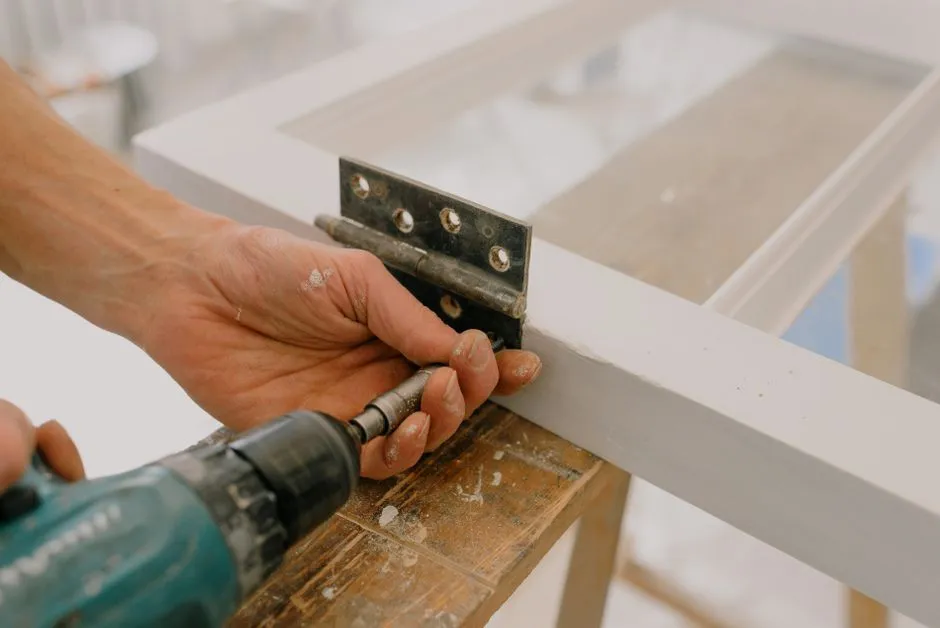
When the DIY option is off the table, the three generations search for help in very different ways. Boomers tend to rely on a trusted name they’ve used before, a repairman recommended by a neighbor, or a company they’ve called for decades. Loyalty to a service provider runs deep in that generation. They are far less likely to comparison-shop on an app.
Social media is a growing platform for home improvement research among Millennials and Gen Z, with roughly 42 percent of younger DIYers using social media in 2025, up from about a third the year before. Millennials are also increasingly comfortable booking repair services through apps and review platforms. Digital on-demand service platforms are lowering consumer barriers to booking professional repairs, broadening the effective market by an estimated 18 to 22 percent compared to traditional service models.
The Sustainability Angle Millennials Bring to the Table
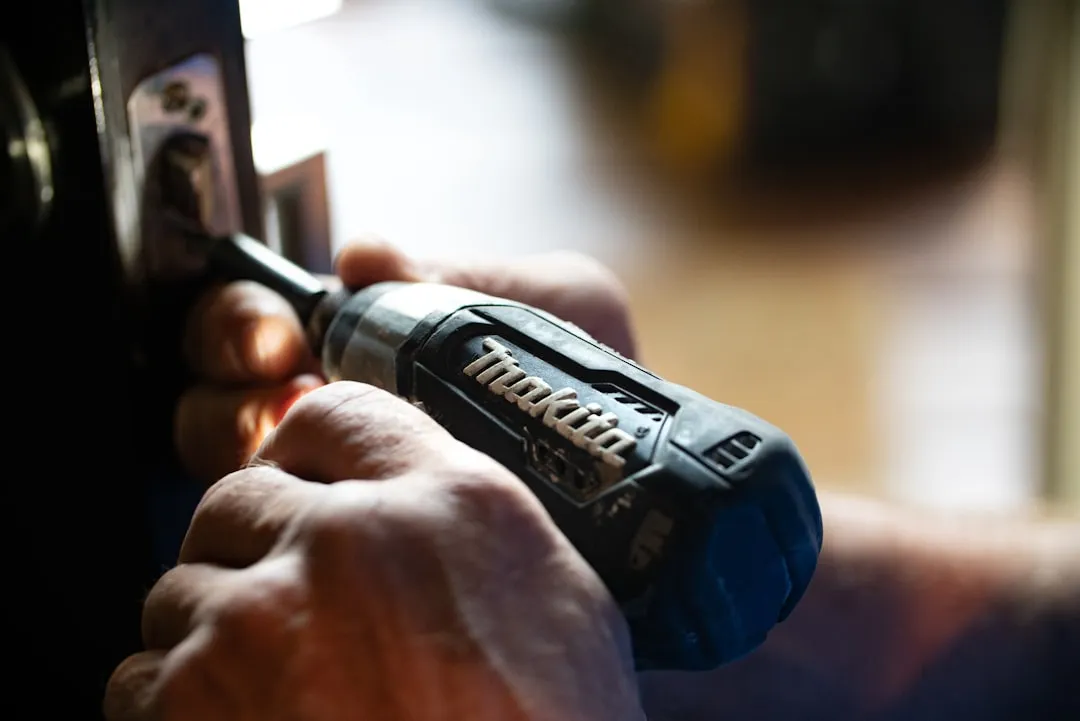
Millennials are the generation most likely to frame an appliance repair as an environmental choice, not just a financial one. Extending the life of a working machine reduces manufacturing demand and keeps material out of landfills, and that framing resonates strongly with younger homeowners. It adds a sense of purpose to what older generations simply call common sense.
Consumer trends show people choosing repairs over replacements not only due to high appliance costs, but also because of a growing commitment to sustainability through extending appliance lifespans. Growing consumer and legislative support for right-to-repair policies is expanding access to manufacturer parts and repair documentation, supporting independent repair shops nationwide. Millennials have been among the loudest advocates for these policies, seeing them as aligned with broader values around consumption and waste.
What the Numbers Say About Who Repairs Most Confidently

When all the data is laid together, a clearer picture emerges. In 2024, roughly 83 percent of homeowners faced unexpected repairs, nearly double the rate from 2023, and nearly half spent more than $5,000 on those repairs. That pressure hit every generation, but each absorbed it differently. Boomers responded with urgency. Gen X opened the toolbox. Millennials opened a browser.
AI tools like ChatGPT are beginning to play a larger role in home repair research, with roughly 28 percent of Millennials and Gen Z using AI for this purpose in 2025, compared to about 18 percent of Gen X and just 7 percent of Boomers. The tools change with each generation. The goal, though, is the same: get the thing working again without spending more than necessary.
What Each Generation Can Learn From the Others
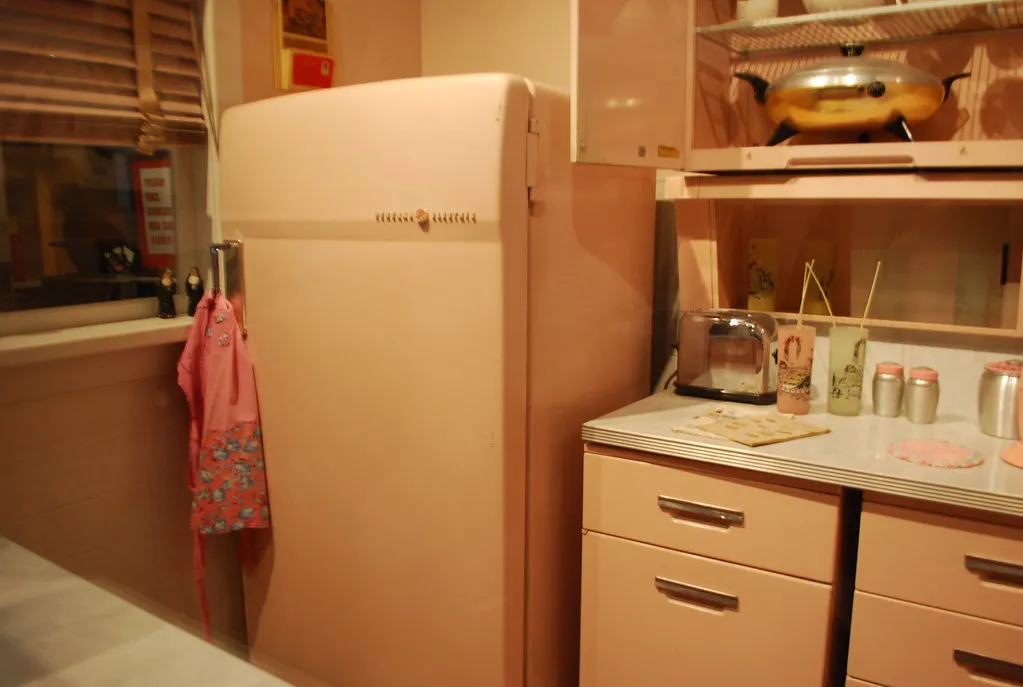
It would be too easy to assign winners and losers here. Boomers bring urgency and a bias toward action that younger generations sometimes lack. Gen X brings financial realism and a hands-on approach that keeps repair budgets grounded. Millennials bring research skills, sustainability thinking, and a willingness to explore new service channels that often find better prices or faster turnaround.
The appliance repair industry itself has grown and adapted to serve all three groups simultaneously. Roughly 37,769 appliance repair businesses operate across the United States, a number that has grown steadily in recent years. That market exists because no generation has fully solved the repair-versus-replace dilemma on its own. Each brings something useful to the problem. The refrigerator doesn’t care which generation owns it. It just needs to get fixed.
The Takeaway
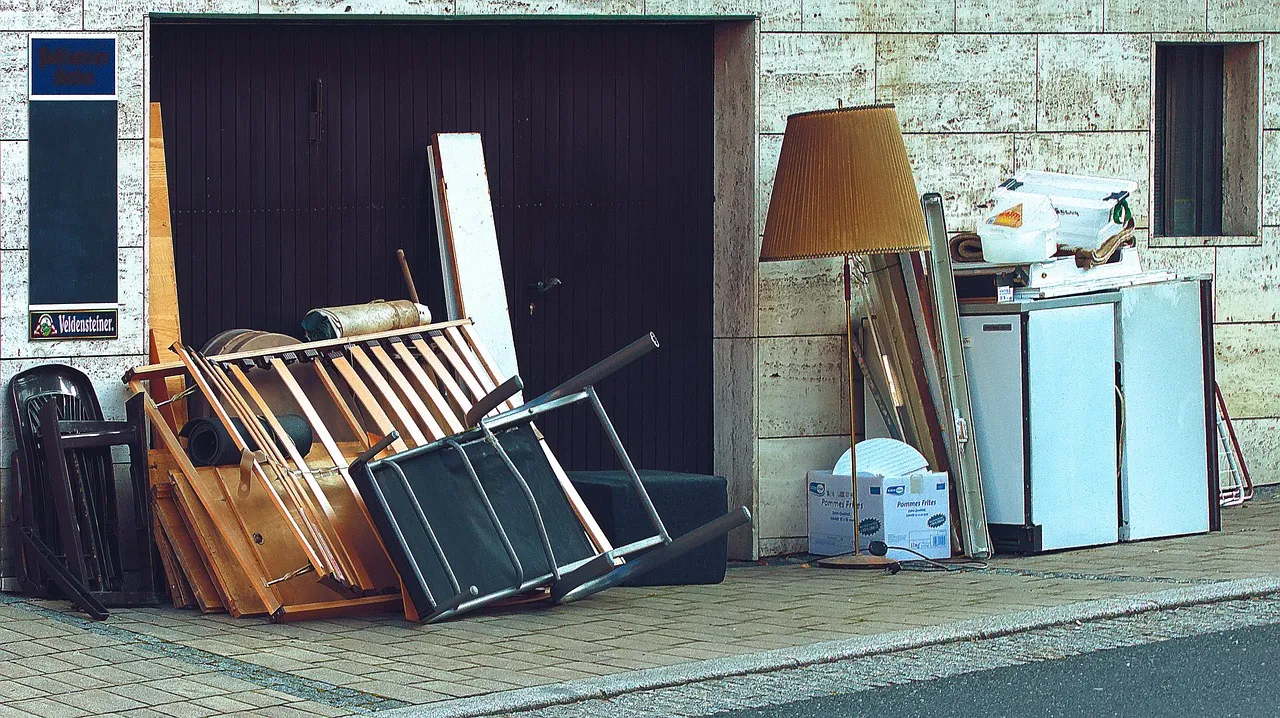
A broken appliance is, in its own small way, a mirror. How someone responds to it reveals assumptions about money, time, self-reliance, and what they value in daily life. Boomers act fast and call a trusted pro. Gen X rolls up their sleeves and spends what it takes. Millennials research, delay slightly, then often surprise themselves by handling it.
None of these instincts is wrong. The real cost comes from ignoring the problem altogether, and fortunately, all three generations tend to agree on that much. In 2025, the repair versus replacement decision carries more weight than ever, as energy costs rise and appliance technology continues to improve rapidly. Whatever your generation, the calculus keeps getting more interesting.
AI Disclaimer: This article was created with the assistance of AI tools and reviewed by a human editor.