
Most of us have spent years chasing the same ideal: a lawn that looks like a rolled-out carpet, uniformly green and clipped to the inch. It’s a deeply familiar standard. The trouble is, that standard comes at a steep cost to the living world just beyond the fence line.
What science is now confirming, with increasing clarity, is that stepping back from control, even in just one small patch, can quietly unlock something remarkable. The shift doesn’t require tearing everything up. It just requires a willingness to let a corner go.
The Scale of the Problem with Traditional Lawns
Turfgrass lawns cover a total surface area of roughly 163,812 square kilometers in the United States alone, providing little to no resources for pollinators. That’s a staggering expanse of land doing almost nothing for native wildlife.
Traditional lawns dominated by turf grass do little for wildlife: very few species eat grass, lawns provide little to no shelter, and any chemical lawn applications often directly harm local species. In short, the standard residential lawn is essentially an ecological desert dressed up in green.
Turfgrass is typically grown as a monoculture, and a tidy lawn often requires large chemical inputs such as fertilizers, insecticides, and herbicides, plus extreme water use that can account for up to three quarters of a household’s total water consumption in semiarid regions.
Small Wild Patches Can More Than Double Bee Visits
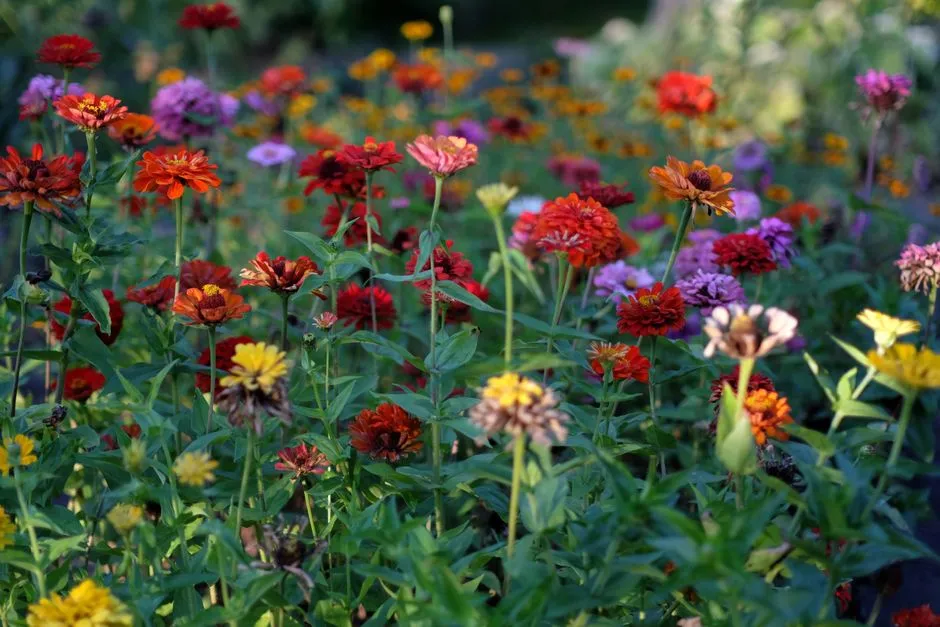
Research has shown that leaving small patches for wildflowers can still significantly benefit a variety of local pollinators. Small patches, adding up to no bigger than twenty square meters, roughly the size of a living room, can more than double the number of bees visiting your garden. That is a meaningful gain from a relatively effortless change.
This means you can maintain tidy areas of your garden while leaving just a little bit for wildlife. The two don’t have to be in conflict. A neatly edged border around a wild patch signals intention, not neglect, and that distinction matters to skeptical neighbors.
Butterfly Numbers Rise Sharply Without the Mower
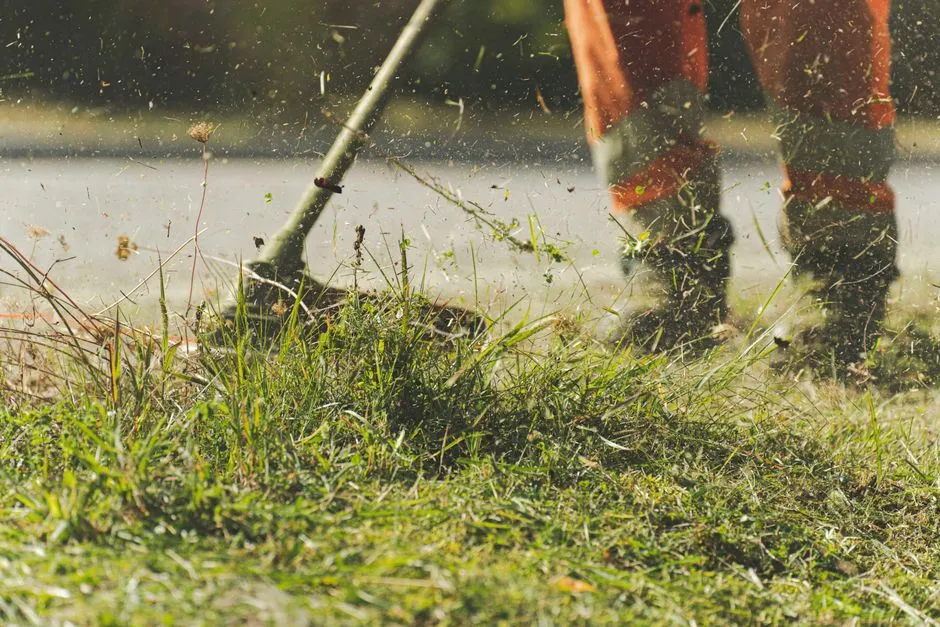
Research from a five-year study by Butterfly Conservation showed a ninety-three percent increase in visits by butterflies to gardens participating in No Mow May. That is nearly a doubling of butterfly activity, driven by one simple behavioral shift: leaving the mower in the shed.
Annual wildflowers support biodiversity and help feed pollinators, including butterflies, native bees, and hummingbirds, that sip nectar or gather pollen. The food supply available to these creatures is directly tied to how much flowering vegetation survives the blades each week.
Unmown Areas Increase Insect Abundance and Species Richness
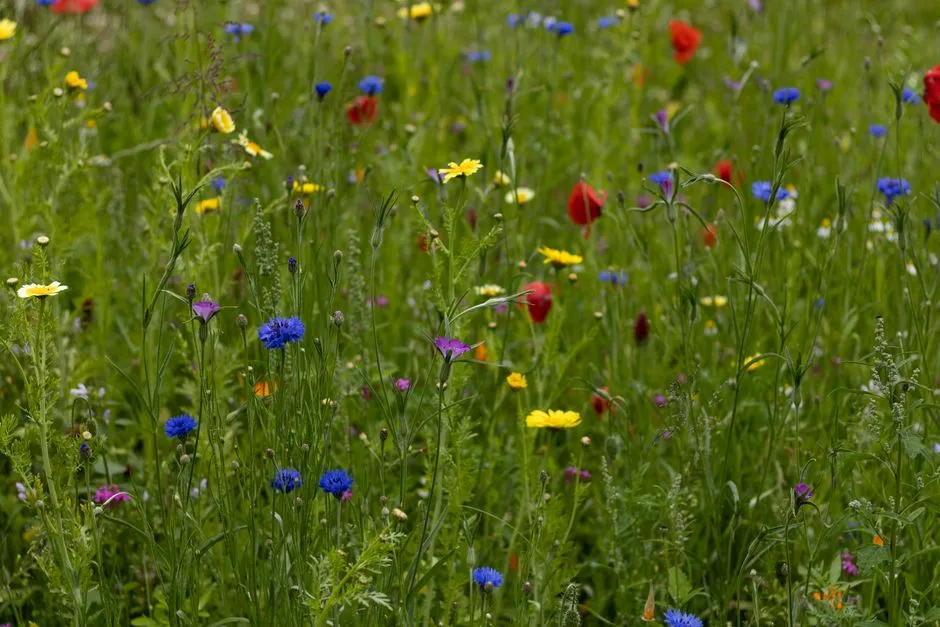
Unmown areas in urban parks increase insect abundance and species richness, and richly flowered meadows and tree aggregations also increase urban insect biodiversity. This was a key finding from a 2024 study published in the journal Urban Forestry and Urban Greening.
Lawn management strategies to enhance urban biodiversity are increasingly being applied, and the evidence behind them is growing stronger each year. The direction of the science is consistent: less management means more life.
The Hidden World Beneath Your Feet Gets a Boost Too
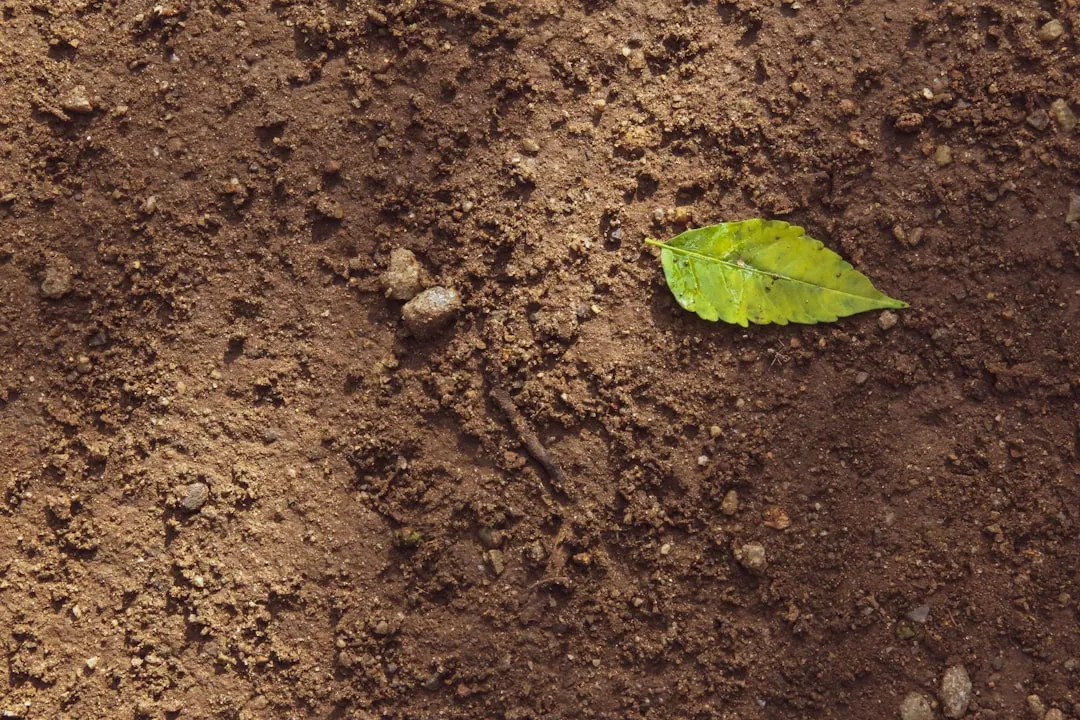
Less-intensive management of turfgrass enhances soil biodiversity, increasing the abundance, richness, and diversity of soil organisms. This underground community is the engine of a healthy ecosystem, breaking down organic matter and cycling nutrients that plants depend on.
Reducing pesticide use particularly benefits Mesostigmata mites, which control agricultural pests. These microscopic predators are natural regulators, holding pest populations in check without any chemical intervention whatsoever.
Turfgrass makes up forty million acres of the United States’ land surface, bigger than the entire state of New York, and collectively all that grass plays a critical role in ecological processes such as absorbing and filtering water, sequestering carbon, and providing habitat for an array of creatures. Letting even a portion of it grow wilder multiplies those functions considerably.
A Wild Patch at King’s College Transformed the Numbers
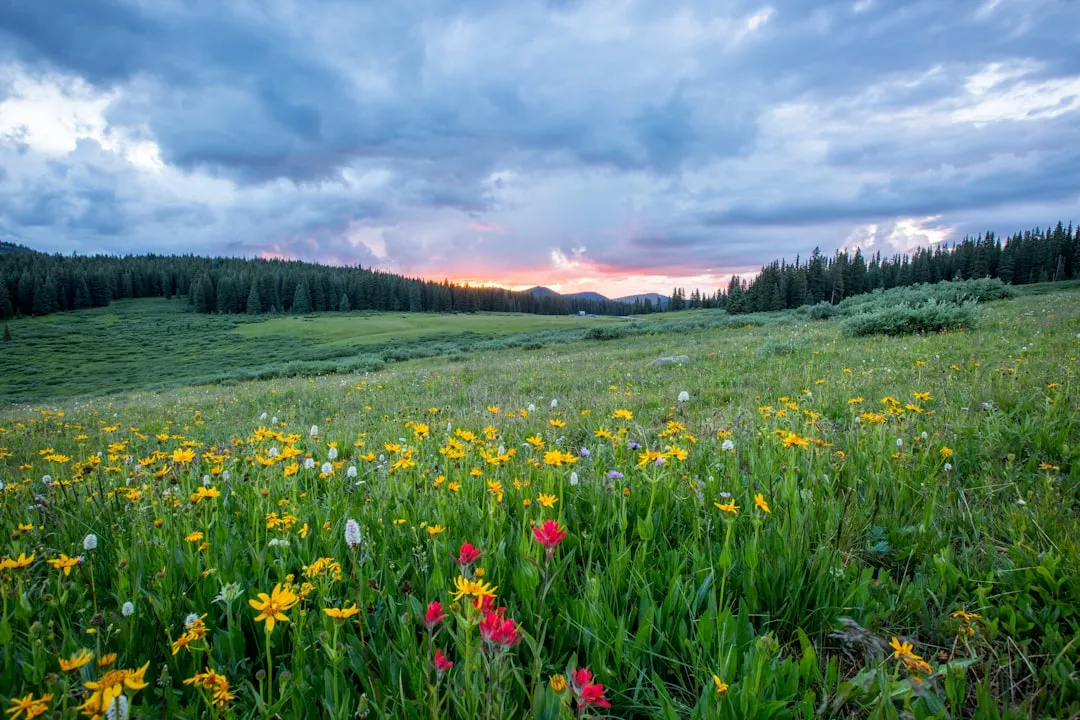
Despite its small size of just 0.36 hectares, a wildflower meadow at King’s College Cambridge supported approximately three times more plant species, three times more spider and bug species and individuals, and bats were recorded three times more often over the meadow than over the remaining lawn. Terrestrial invertebrate biomass was twenty-five times higher in the meadow compared with the lawn.
Species-rich grasslands restored from species-poor swards also showed increased rates of carbon sequestration compared with amenity grasslands. So the benefits extend well beyond what you can see. The soil itself becomes more active and more productive when the mowing stops.
Pollinators Are Already Losing Ground Everywhere Else
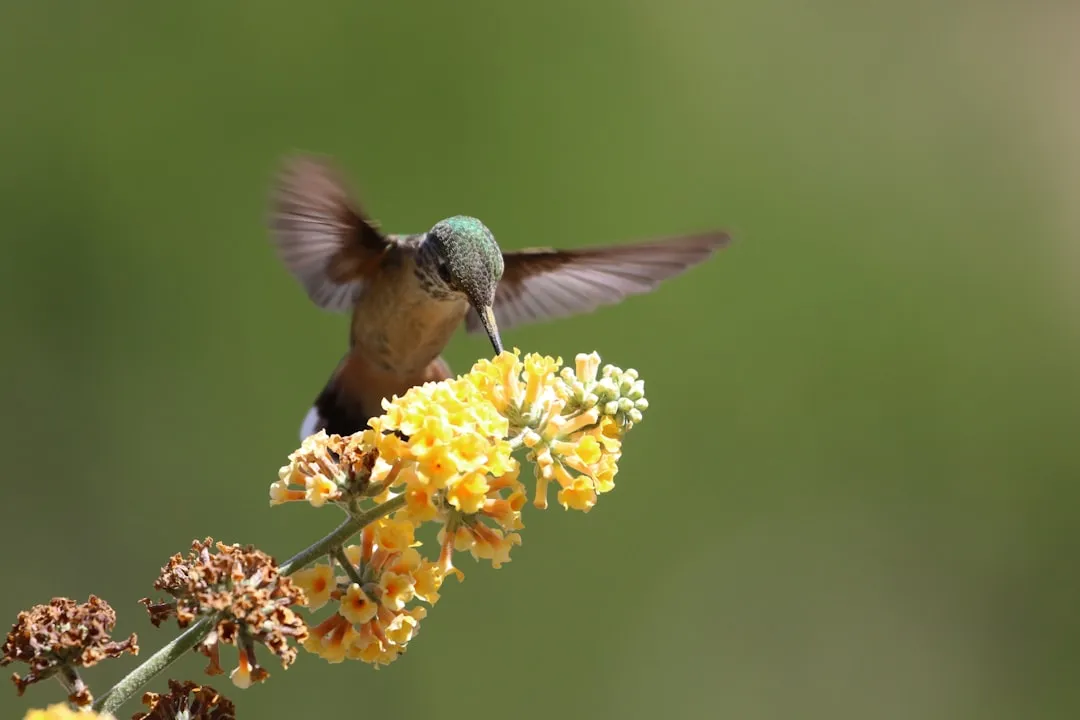
The habitats that pollinators need to breed, overwinter, and feed on are shrinking. As native vegetation is replaced by roadways, manicured lawns, and non-native gardens, pollinators lose the food and nesting sites necessary for their survival.
Remaining patches of prairie and meadow have become more disconnected, making it harder for pollinators to reach new breeding sites or find quality habitat. Private gardens and residential lawns represent one of the few remaining networks that people can genuinely influence at scale.
The leading cause of pollinator decline is habitat loss, notably the loss of native wildflowers, and the overuse of pesticides and fertilizers. A wild lawn corner directly addresses both of those pressures at once.
Mowing Less Also Reduces Allergy-Triggering Weeds
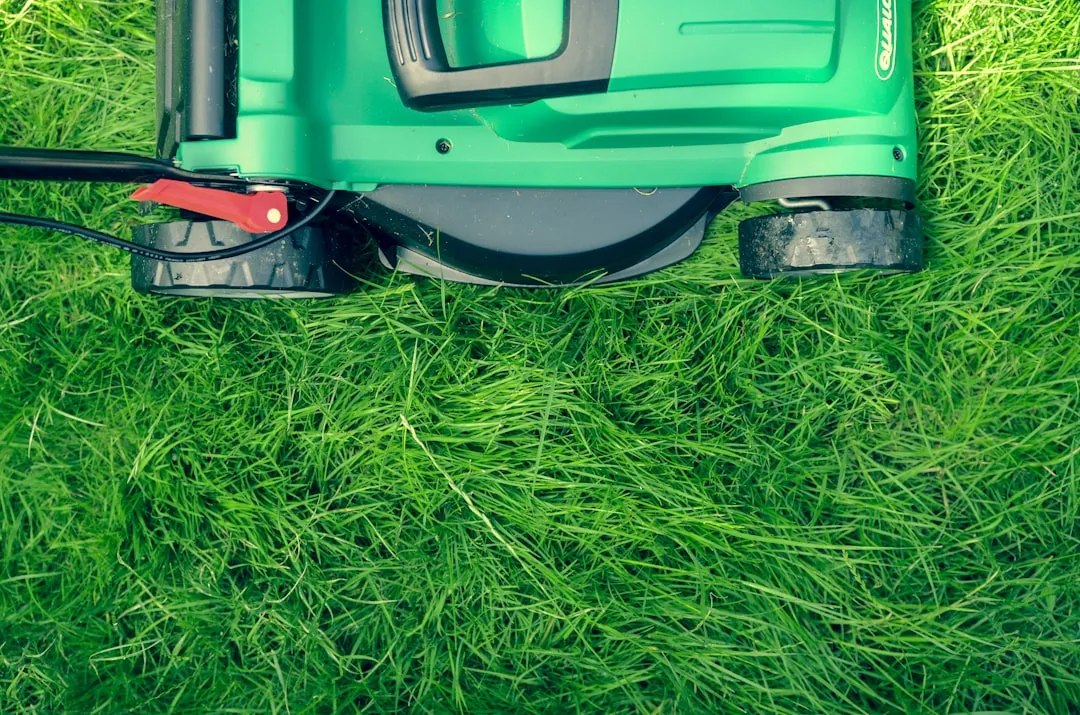
Researchers found that reducing the intensity of lawn mowing in urban spaces leads to increased biodiversity, economic savings, and reduced presence of allergy-triggering weeds. That last point surprises most people. The assumption is that a wilder lawn means more sneezing, but the data suggests otherwise.
Mowing less frequently increases the flowers, nectar, and pollen available to support pollinators, while simultaneously cutting down on the time, money, and fuel spent maintaining an artificially uniform surface. The economics and the ecology point in the same direction.
Letting Grass Grow Helps Sequester Carbon
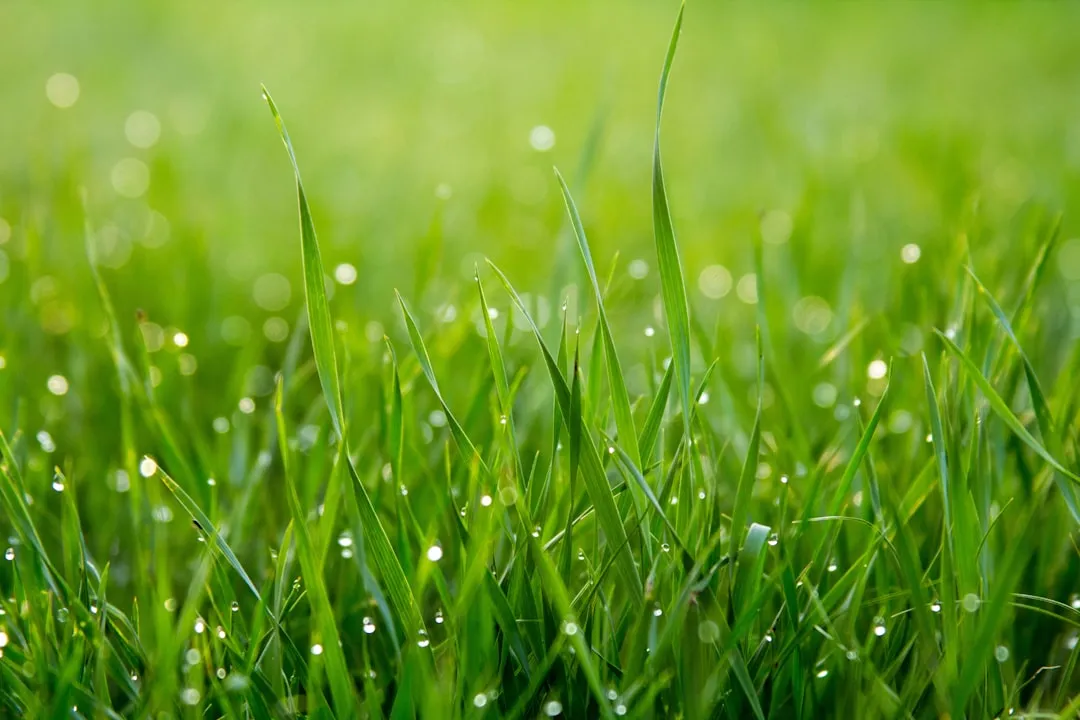
Plants absorb carbon dioxide from the atmosphere through photosynthesis, and letting grasses grow creates more plant biomass, which in turn can help to reduce the amount of greenhouse gases in the atmosphere. This is not a marginal effect. A lawn corner that doubles its biomass is doing real atmospheric work.
Beyond carbon, rewilding has the potential to deliver huge additional biodiversity benefits, including supporting the return of priority species such as birds and butterflies. The two goals, climate and ecology, reinforce each other at the garden scale just as they do at the national policy scale.
The Shift in Gardening Culture Is Already Underway
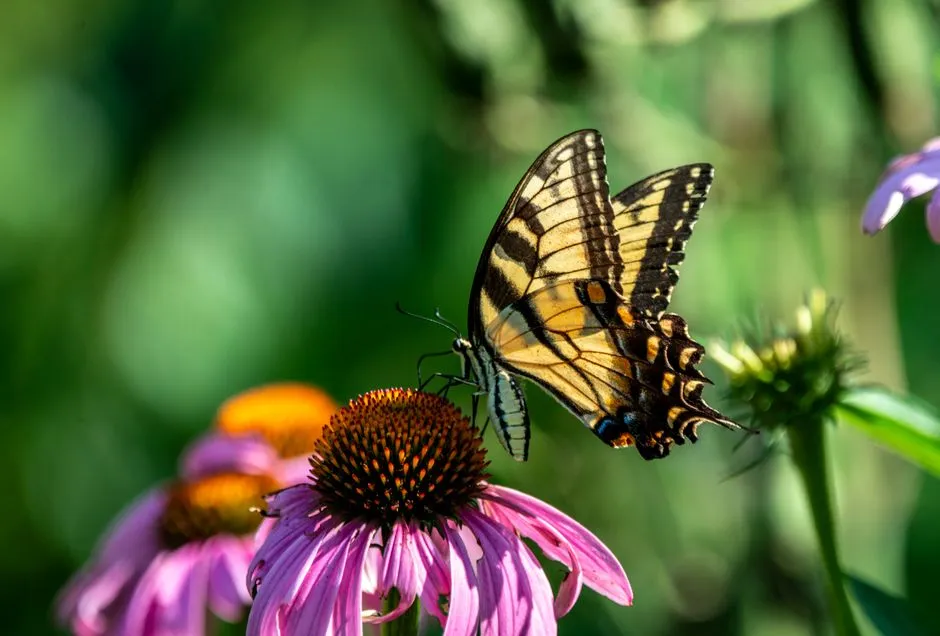
There is a visible shift from monochromatic lawns and non-native plant species toward spaces that benefit biodiversity and the environment, with hobby and professional gardeners alike taking steps to help wildlife and pollinators thrive by incorporating native plants. This cultural movement has real momentum in 2026.
Urban green areas have multifunctional benefits that may mitigate unfavorable health and ecological effects, and these green areas represent important biodiversity hideouts in anthropogenic regions. Residential gardens, taken together, form a patchwork of potential habitats that no single nature reserve can replicate.
Numerous studies have shown that green, biodiverse environments reduce anxiety, improve mood, and enhance cognitive function. So the wild corner that benefits the bees turns out to benefit the gardener too. That is perhaps the most quietly convincing argument of all.
Conclusion: The Power of a Small Decision
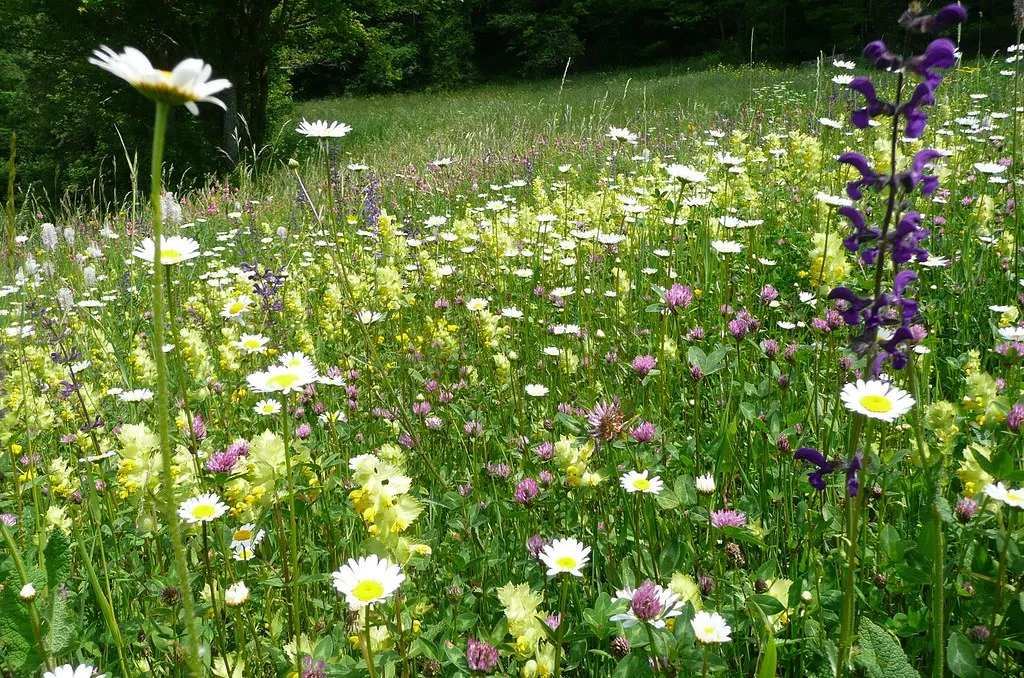
None of this requires a dramatic overhaul. A patch the size of a living room, left to grow on its own terms through the flowering season, is enough to measurably shift the insect life, soil health, and carbon balance of your immediate environment.
The evidence from King’s College Cambridge, from Butterfly Conservation’s five-year data, from the Urban Forestry journals, and from the U.S. Fish and Wildlife Service all converges on the same quiet truth: the mower has been doing more damage than most of us realized.
Letting one corner go is not a concession to laziness. It is a deliberate act on behalf of every creature that cannot advocate for itself. That kind of restraint, it turns out, takes more thought than a perfectly striped lawn ever did.
AI Disclaimer: This article was created with the assistance of AI tools and reviewed by a human editor.