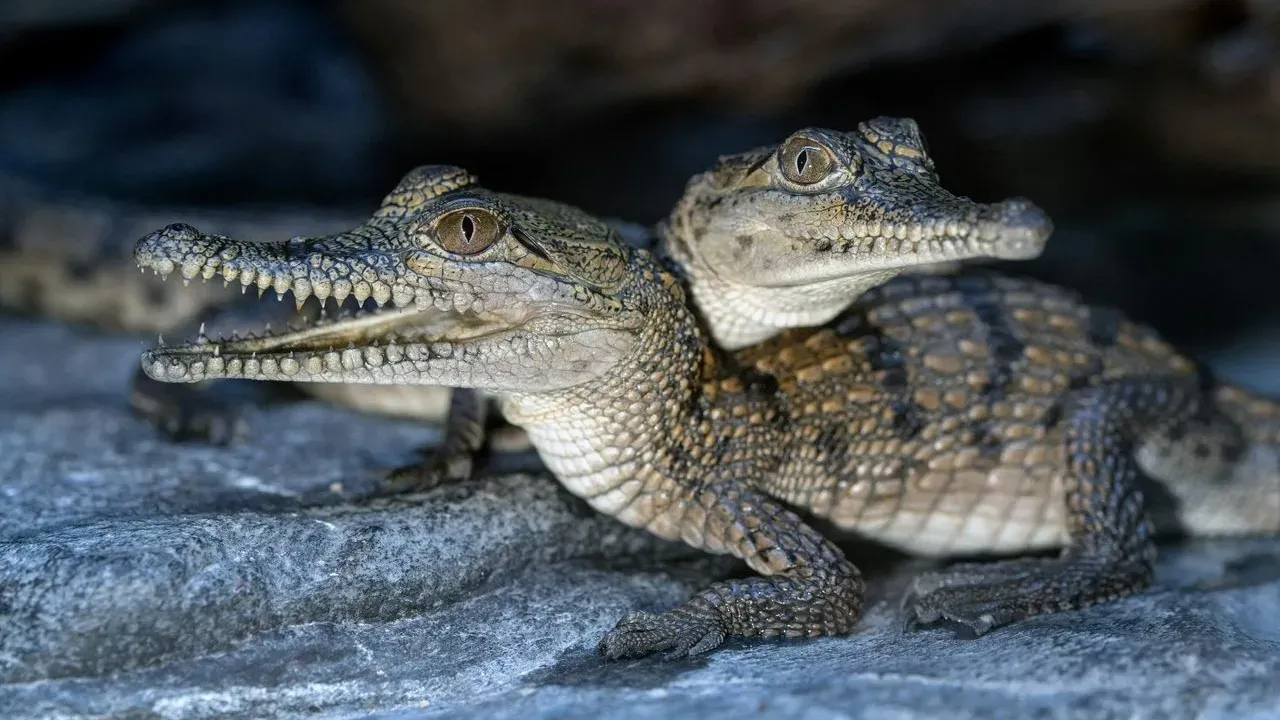

Houston welcomed a fresh wave of reptile hatchlings this week as the local zoo unveiled its newest arrivals just ahead of October. The timing aligned perfectly with spooky season, bringing attention to species that include several firsts for the facility. Visitors now have the chance to observe these young animals up close in a dedicated habitat. The announcement highlighted conservation efforts that extend beyond simple display. Zoo staff emphasized how these births support managed populations under expert guidance. Guests can view the animals in the Reptile and Amphibian House, positioned near the reticulated pythons.
A First for the Facility
Hosmer’s spiny-tailed skinks marked a milestone with the zoo’s first-ever birth of the species. These live-bearing reptiles emerge looking like smaller versions of the adults, complete with prominent spines along their tails and ridges on their scales. The newborns add a distinctive element to the collection.
Eyelash vipers also arrived in a group of five. As another live-bearing species, the young are equipped with functional fangs and venom from birth. Their signature “eyelashes” consist of specialized scales rather than actual hair.
Returning and New Faces
Star tortoises made a return appearance through recent hatchings. Their shells feature the characteristic star-shaped patterns that give the species its name. Officials noted the animals had not been part of the collection in recent years. Henkel’s leaf-tailed geckos joined the group as well.
These nocturnal lizards result from pairings recommended by the Association of Zoos and Aquariums’ Species Survival Plan. They rely on exceptional camouflage, using their tails to blend into surroundings, and possess large eyes suited for low-light conditions.
- Hosmer’s spiny-tailed skinks: first births at the zoo ([1])
- Eyelash vipers: five live-born young with full venom capability
- Star tortoises: new hatchlings after a recent absence
- Henkel’s leaf-tailed geckos: managed pairings for genetic health
Broader Conservation Role
These additions reflect more than seasonal interest. The Houston Zoo described the births as contributions to genetically healthy populations of distinctive species. Staff highlighted the role accredited zoos play in long-term wildlife protection.
The young reptiles now occupy a specially designed space where visitors can observe their early development. This setup allows the public to connect directly with ongoing efforts to safeguard biodiversity. Such arrivals underscore the quiet, steady work behind zoo exhibits.
They remind observers that every new generation carries forward a commitment to species survival well beyond any single season.
AI Disclaimer: This article was created with the assistance of AI tools and reviewed by a human editor.