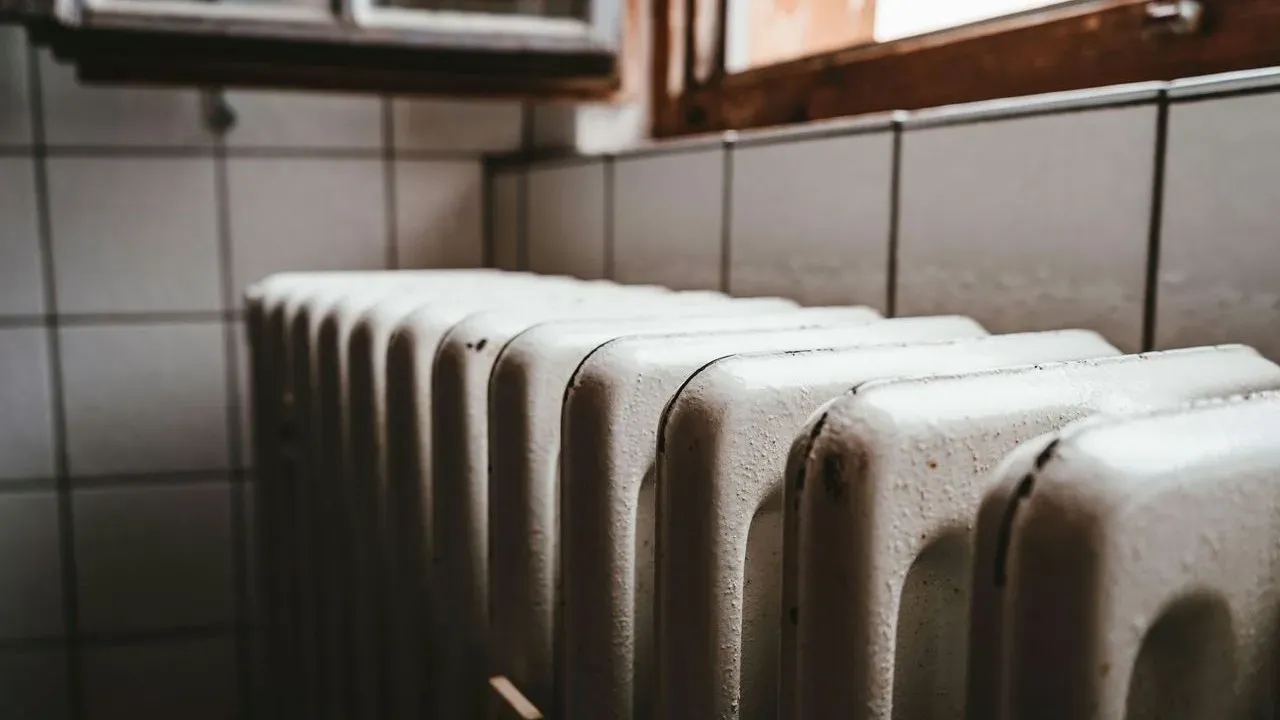

Many homeowners set the thermostat to a comfortable 70 degrees only to find certain rooms still carry an unexpected chill. The gap between the reading on the dial and the actual sensation often traces back to everyday oversights rather than a failing heating system. Practical adjustments drawn from established energy guidance can restore comfort without raising the temperature. ([1])
Furniture and Curtains Blocking Airflow
Supply and return vents need clear paths for warm air to circulate properly through living spaces. Sofas, beds, or heavy drapes pushed against these openings restrict movement and can even create safety concerns in some setups. Experts advise pulling furniture back several inches from every register and avoiding the habit of closing vents in unused rooms, since that approach often increases pressure elsewhere in the system without lowering overall energy use. Rooms with separate heating zones allow more flexibility, but most standard systems benefit from keeping all registers open. A quick walk-through before the heating season starts reveals whether any vents have become obstructed over time.
Ceiling Fan Direction in Cooler Months
Ceiling fans can help redistribute rising warm air when operated correctly during winter. The motor should run clockwise at its lowest setting to create a gentle upward draft that pushes heated air from the ceiling back down into the occupied area. This simple reversal avoids the cooling breeze produced by the opposite direction used in summer. Manufacturer instructions always take precedence, yet the clockwise low-speed setting works reliably across most models. Homeowners who test the change often notice a more even temperature throughout the room without any increase in energy consumption.
Curtain Timing and South-Facing Windows
Natural sunlight offers free warmth on clear days, especially through windows that face south. Opening curtains during daylight hours lets the sun raise indoor temperatures, while closing them at night reduces heat loss through cold glass surfaces. Insulating drapes or shades add another layer of protection on the chilliest windows. The routine requires only a few moments each morning and evening yet delivers noticeable comfort gains. Homes with older or draftier windows see the largest difference when this habit becomes consistent.
Drafts at Outlets and Cold Floors
Air leaks around electrical outlets and switches allow conditioned air to escape into wall cavities, particularly on windy days. Checking for drafts with a hand or tissue on cold days identifies problem spots, though any work on plates requires the power to be turned off and verified first. Foam gaskets offer modest additional sealing when installed correctly. Floors above unheated basements or crawl spaces frequently feel cold underfoot and contribute to overall discomfort. Rugs provide temporary relief, but addressing insulation and air sealing beneath the floor yields longer-term results. Professional advice helps determine the best approach for each home.
Monthly Furnace Filter Care
A dirty filter restricts airflow and forces the heating system to work harder while delivering less warmth. Checking the filter once a month during the heating season and replacing it when dirty maintains steady performance. Different systems have specific recommendations, so following equipment guidelines prevents unnecessary strain. When these routine steps fail to resolve persistent cold spots, larger issues such as duct leaks or inadequate insulation may be at play. A qualified contractor can evaluate airflow losses and recommend targeted repairs.
- Clear furniture and curtains from all supply and return vents.
- Run ceiling fans clockwise on low speed.
- Open south-facing curtains during the day and close them at night.
- Inspect outlets, windows, and doors for drafts.
- Address cold floors with rugs for comfort and consider insulation upgrades.
- Check and replace the furnace filter monthly as needed.
These straightforward checks often close the gap between the thermostat setting and actual comfort. When rooms remain chilly after the basics are covered, a professional assessment of the full heating system provides the next layer of insight.
AI Disclaimer: This article was created with the assistance of AI tools and reviewed by a human editor.