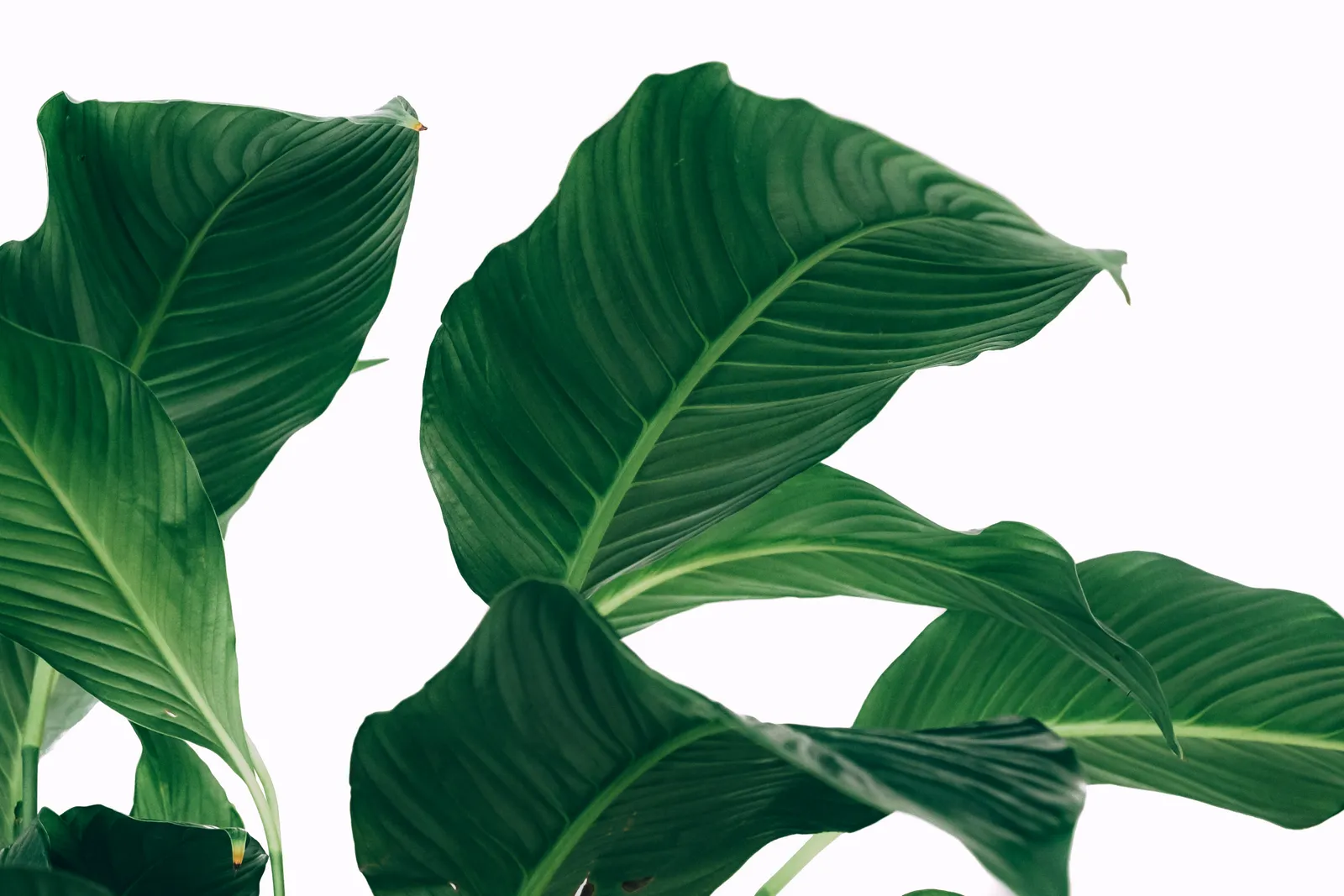

Hostas stand out among garden plants for their ability to thrive where many others struggle. With hundreds of cultivars to choose from, these perennials bring reliable color and texture to areas that receive limited sunlight. Their popularity stems from more than appearance alone. Gardeners often turn to them when facing persistent shade or difficult soil conditions that limit other options.
Why Shade Gardens Benefit Most From This Choice
Many residential landscapes include sections that stay in shadow for much of the day. These spots can appear dull or empty without the right plants. Hostas address that gap directly by maintaining foliage interest throughout the growing season. Their broad leaves come in shades of green, blue, gold, and variegated patterns that brighten low-light zones without requiring full sun exposure.
The result is a more complete garden design that uses every available area. Homeowners who once viewed shady corners as wasted space now see them as opportunities for layered planting. This shift changes how entire properties look and function over time.
Low Demands That Fit Busy Schedules
Hostas rarely face serious threats from common insect pests or diseases. That resilience reduces the need for frequent interventions or chemical treatments. Gardeners can focus attention elsewhere while these plants continue to perform steadily year after year.
Their perennial nature means they return each spring with minimal replanting effort. Once established, they hold their place in the landscape through changing seasons. This consistency appeals to anyone managing multiple garden beds or larger properties where time is limited.
Exploring the Range of Available Options
Hundreds of cultivars exist, each offering distinct leaf shapes, sizes, and color combinations. Some varieties stay compact for borders or containers, while others spread into bold focal points. This selection allows matching plants to specific site conditions and design goals without compromise.
Differences in height and spread also support creative arrangements. Taller types can serve as backdrops, and smaller ones fill foreground spaces. The variety ensures that no two gardens need to look the same even when using the same plant species.
Practical Outcomes for Everyday Gardeners
Choosing hostas often leads to fewer disappointments in challenging locations. Their tolerance for shade and general hardiness translate into sustained visual appeal rather than repeated failures. Over several seasons, this reliability builds confidence in tackling other problem areas of the yard.
Properties gain a more polished appearance with less ongoing adjustment. The plants integrate well with existing trees, structures, or north-facing walls that create persistent shade. Many gardeners report that adding hostas completes the overall look they had been trying to achieve.
Looking Ahead in Garden Planning
Hostas continue to serve as a dependable foundation for shade-focused designs. Their combination of variety and ease supports both new installations and updates to established beds. As more gardeners recognize these strengths, the plants remain a steady presence in residential landscapes across different regions and climates.
The outcome is gardens that feel fuller and more intentional without added complexity. This approach rewards those who plan around existing conditions rather than fighting them.
AI Disclaimer: This article was created with the assistance of AI tools and reviewed by a human editor.