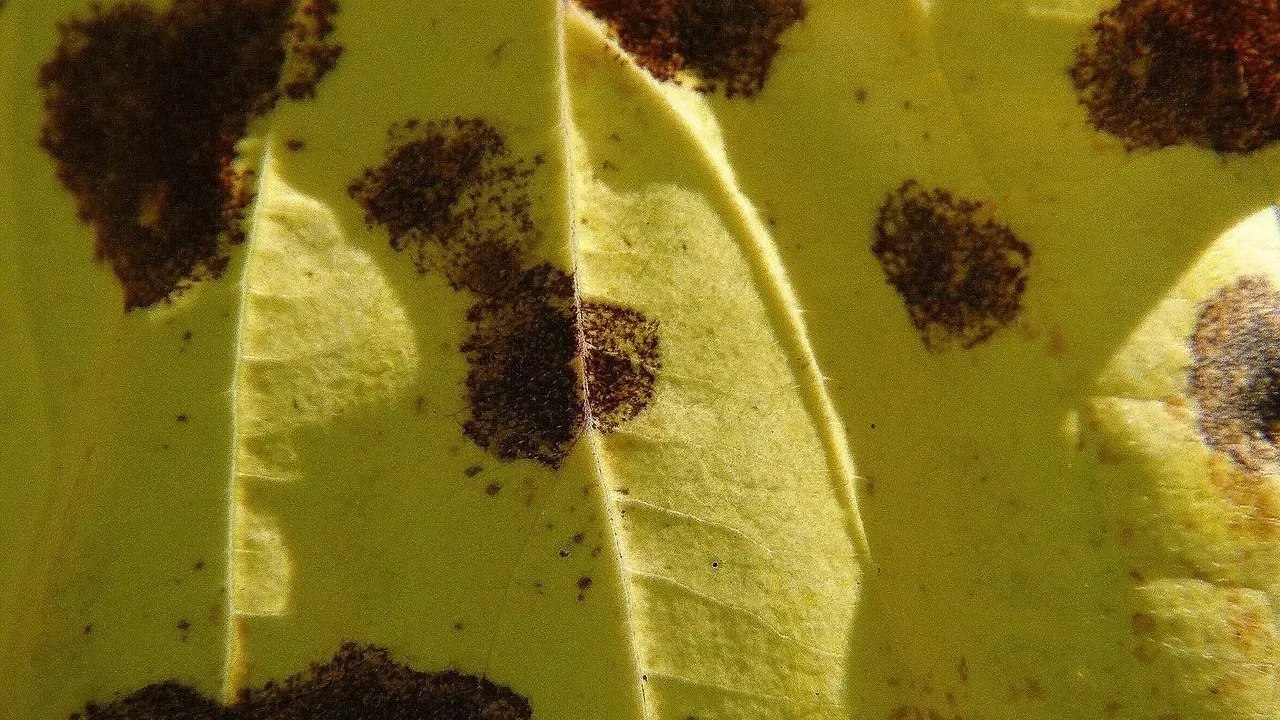

Several years ago, a gardener strolling through an old friend’s California garden spotted the burnt-orange leaf blotch on a large horse chestnut near the driveway, a tree that seemed out of place in such dry ground. The moment became the starting point for a reflective essay on GardenRant ([1]) about certainty, small talk, and the value of a question left open. ([1])
A Tree That Did Not Fit the Setting
The writer was confident at first. Pointing to a scatter of conker husks beneath the branches, the writer declared the identification with some satisfaction. The friend was not convinced, since he recalled a different name for the tree that he had been given years earlier.
Neither of them considered themselves tree specialists. Both were more at home with low, green plants than with towering specimens, and the names of chestnuts, sycamores and cedars have a way of blurring together in memory. The two gardeners gathered a few smooth, mahogany-colored seeds and went back and forth between “maybe” and “maybe not.” They eventually agreed on a related species, the California buckeye, which loses its leaves in the dry months around the region’s towns.
An Afternoon Without a Final Answer
The exchange stayed friendly. The two men wandered the hillside terraces on a warm afternoon, drifting from one tree to the next and into stories that had nothing to do with the chestnut. Within an hour, the precise name no longer seemed important. What stayed with the writer was the company, the setting and the talk itself.
Neither of them reached for a phone. The writer suggests that both sensed, without saying so, that a quick search was not worth interrupting the afternoon. The essay raises a pointed question: since plant conversations now so often end in instant answers, do people still remember the plants when they no longer have to hunt for clues themselves?
The Oracle Takes a Seat at Dinner
The essay then moves to a dinner party in Virginia, where a group of friends argued over the release year of a film from the 1980s. The debate quickly split into several camps:
- One guest insisted the movie came out in 1987.
- Another placed it a year later, in 1988.
- A third tied the film to 1989, citing the fall of the Berlin Wall.
Laughter and stories filled the table, including a few recollections that may or may not have been accurate. Then two guests reached for their smartphones and raced to settle the matter. The answer arrived as 1988, and the table went quiet. A YouTube clip was passed around, and soon the group was watching separate screens instead of sharing a single conversation. One guest even checked email beneath the table.
Why Uncertainty Keeps Conversation Alive
The writer does not reject technology. Digital tools have simplified the writer’s work over the past fifteen years, and the writer still values the ability to exchange information with gardeners across the world. The concern lies in what those tools have displaced. Over the past decade, handheld devices have offered a ready excuse to step away from the people in the room, and social norms have adjusted to accept that withdrawal with surprising speed.
The essay argues that uncertainty is not a flaw in conversation but the element that gives it life. Small talk, in this view, works like a packet of seeds. Some exchanges grow into lasting friendships, while others never take root, and no one can tell which is which at the outset. The writer admits to being fooled more than once and says that pushing past awkward early moments has preserved relationships that might otherwise have been lost. Younger generations, the writer adds, have been encouraged to see avoiding those moments as a sign of sophistication, even though skills weaken when they go unused.
Children get practice through play. Adults have to build that bridge through questions, searching for shared interests before deeper talk becomes possible. Those richer exchanges, whether filled with laughter, personal confessions or sharp disagreement, require patience, a steady temper and a real effort to understand the other person. The essay describes genuine conversation as a kind of training ground for treating others with more respect in daily life.
The writer closes with a simple point. People need human contact, and that need collides with a culture that often prefers quick certainty to nuance. Living in the moment does not mean giving every moment only partial attention. As the essay puts it, good conversation without the constant pull of the screen is a sound place to begin.
AI Disclaimer: This article was created with the assistance of AI tools and reviewed by a human editor.